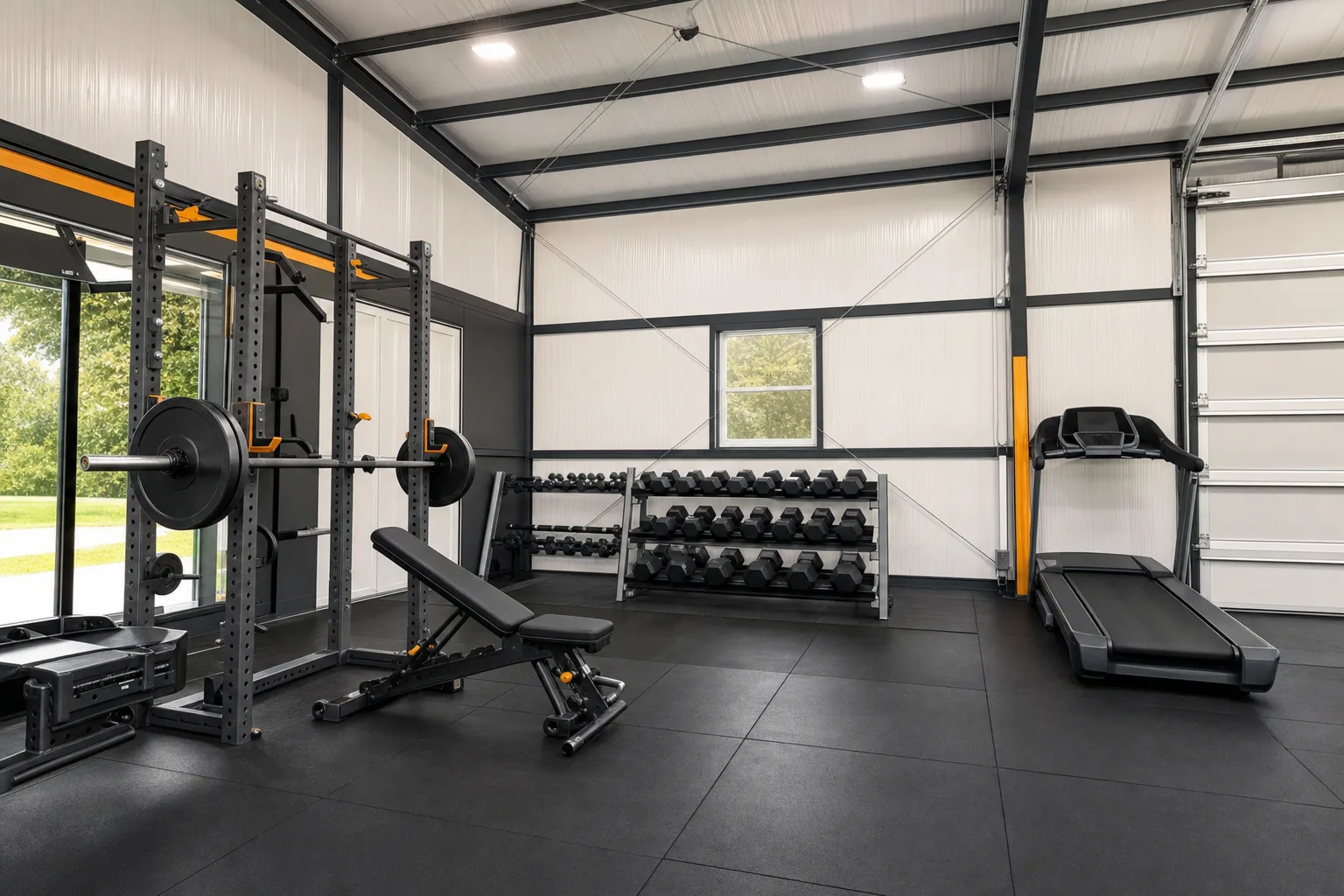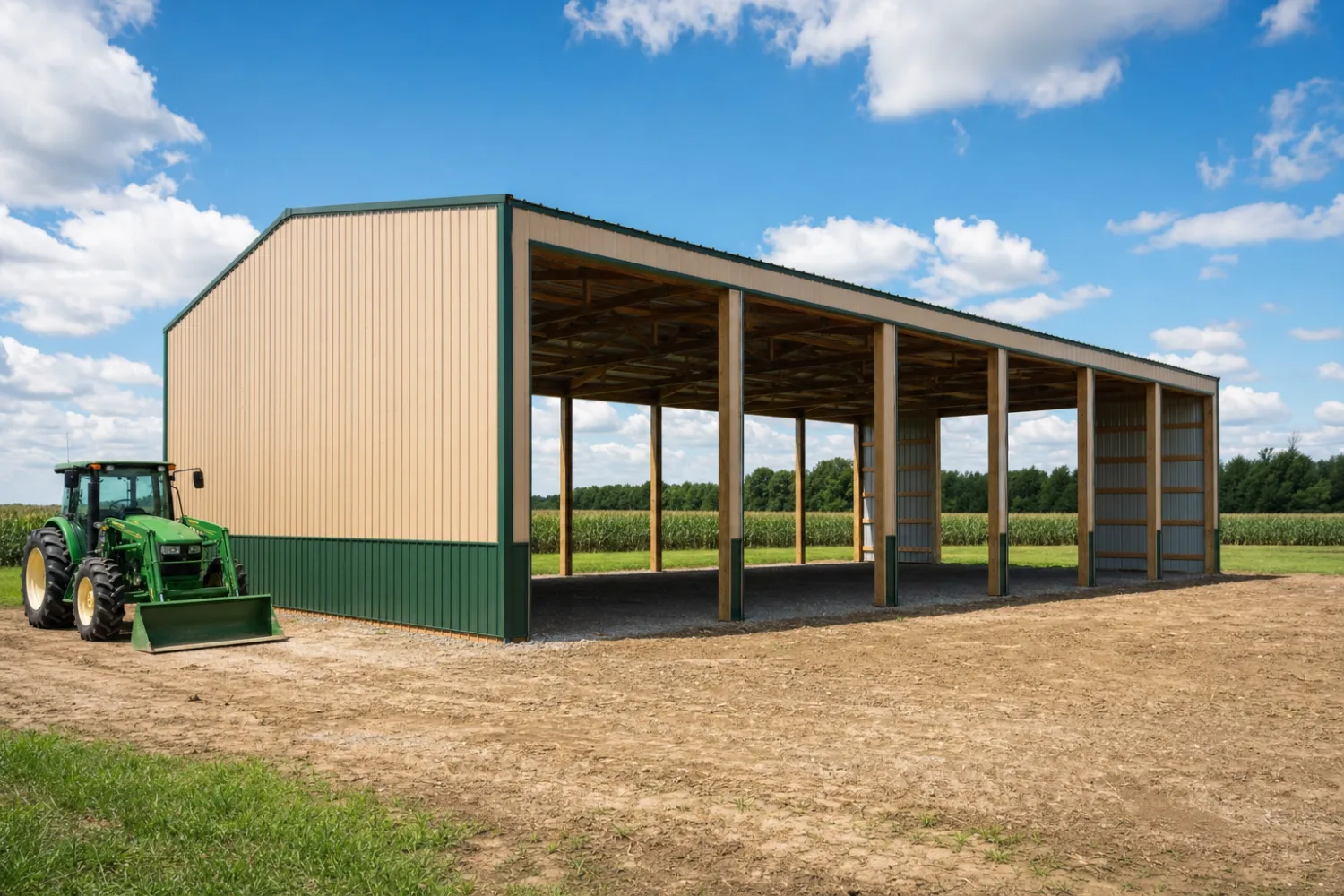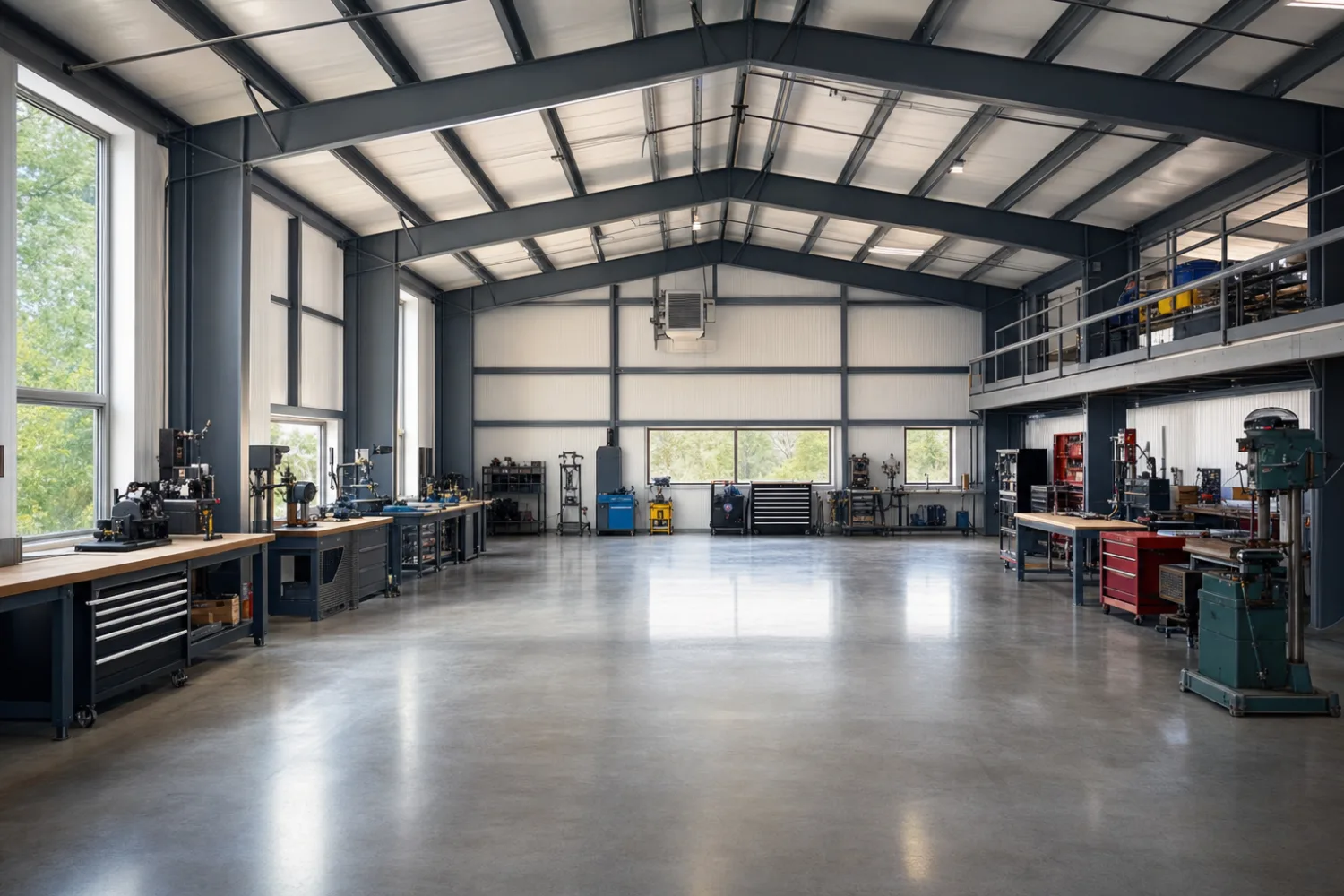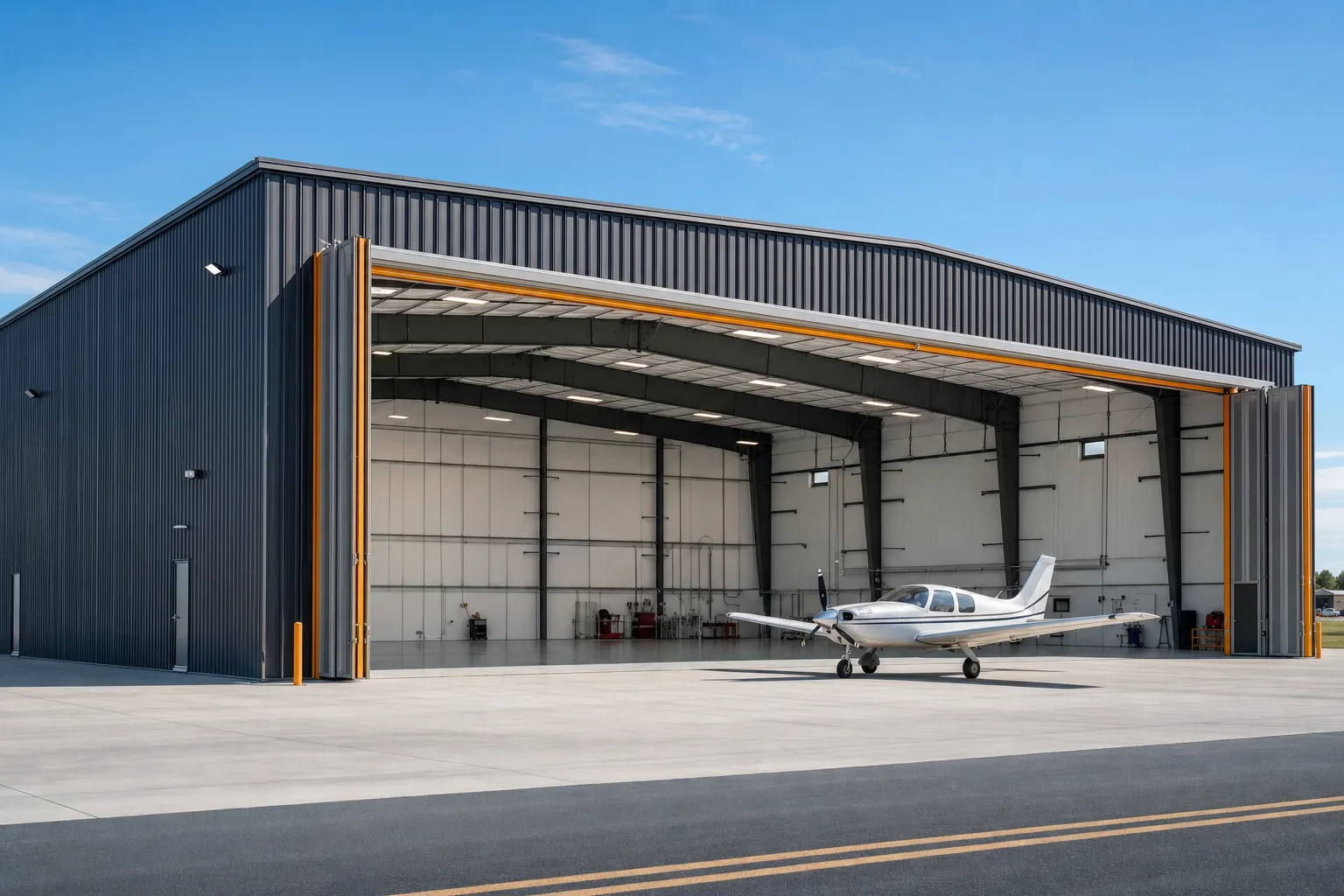
A metal building company is any business that sells you a pre-engineered steel structure, but that single label covers three different kinds of seller: the manufacturer that engineers and rolls the steel, the dealer or builder that resells and erects it, and the big-box marketplace that lists a kit next to lumber and paint. Knowing which one you are talking to changes what you should ask, what you are paying for, and who stands behind the building five years later.
There is no single best company, and any page that crowns one is selling something. The right supplier depends on what you are building, where you live, whether you want to assemble it yourself, and how much support you expect after the truck leaves. A great fit for a DIY carport is the wrong fit for a 60-foot clear-span shop.
This guide is the hub for our Companies & Reviews library. It explains how the industry is structured, what separates a good company from a slick website, how to compare manufacturers without getting spun, and what the major names you will run into are known for. Every brand below links to its own neutral review, and the cluster at the foot of the page links to every guide in the silo. Start here, then follow the threads that fit your project.
01 / The Landscape
How the metal building industry is structured
The companies selling metal buildings fall into three layers, and the price you see often depends on which layer you bought from. Sort that out first, because the same building can reach you through any of the three, with different markups, support, and accountability attached.
- Manufacturers. These companies engineer the structure and fabricate the steel. They run the plant, stamp the drawings, and own the warranty on the material. Buying direct can mean a sharper price and a straighter line to engineering, but you may handle more of the project management yourself.
- Dealers and builders. A dealer resells a manufacturer’s product, often within a region, and many also erect the building. You gain local knowledge, a crew, and a face to call, and you usually pay for that service in the total. The building still comes from a plant upstream.
- Big-box marketplaces. Home improvement chains list kits online and sometimes in store. The kit is made by a manufacturer you may never deal with directly. You get a familiar checkout and return policy, but support on engineering questions can be thin.
One company can wear more than one hat. A manufacturer may sell direct and through a dealer network at the same time. A big-box listing may be a manufacturer’s product under a retail label. When you compare quotes, compare the layer, not only the logo, and read our guide to comparing manufacturers before you assume two numbers describe the same thing.
Why the layer matters
If something goes wrong on the steel, you want to know who owns the warranty and who answers the phone. With a direct manufacturer that is one company. With a dealer or a marketplace it can be two or three, and the hand-offs are where buyers get stranded. Confirm the chain of responsibility before you sign, and keep our buying checklist open while you do.
02 / What Good Looks Like
What separates a good metal building company
A good company is one that engineers the building for your real loads, quotes it transparently, backs it with a warranty you can read, and is still reachable after the sale. Those four traits matter more than years in business or the gloss on the homepage.
In-house engineering
The best sign of a serious manufacturer is engineering they own rather than rent. A building stamped for your county’s snow and wind loads, by an engineer the company stands behind, is worth more than a generic chart price. Ask whether the drawings are stamped for your site and who the engineer of record is. A company that gets vague here is telling you something.
Transparent quotes
A good quote lists what you are buying: frame type, panel gauge, coating, the door and window openings, and what is excluded. A bad quote is one headline number with the details hidden until after the deposit. If you cannot line a quote up against another quote part for part, it is not transparent. Our comparison guide shows what a clean quote should contain.
A real warranty
Warranties vary, and the marketing word “lifetime” often covers far less than buyers assume. What matters is the document: what the paint, panel, and frame warranty covers, for how long, and what voids it. A company that hands you the warranty language before you ask is treating you fairly.
Support after the sale
The sale is not the end of the relationship. Missing parts, a damaged panel, a question during assembly, a warranty claim three years out: every one of those needs a company that picks up. Read how a supplier handles problems, not only how it handles prospects, because the second is easy and the first is the real test.
Buy the company as carefully as you buy the building. The steel is only as good as the people who engineer it, quote it, and answer the phone when something is wrong.
03 / Apples to Apples
How to compare manufacturers fairly
Two quotes for the same footprint can land thousands apart because they describe different buildings, not different prices. To compare fairly, hold the building constant and let only the price move. That means lining up the same specs across every quote before you look at the totals.
- Same frame, same gauge, same coating. A red iron frame and a light tube frame are not the same building, and a 26-gauge panel is not a 29-gauge panel. Match the steel first.
- Same openings. Make sure every quote frames the same walk doors, roll-up doors, and windows. A cheaper number often has fewer openings baked in.
- Same engineering. Confirm each quote is stamped for your local loads, not a generic rating. A building sized for a milder climate looks cheaper and is a different product.
- Same exclusions. Slab, freight, insulation, and accessories are often left out. Read what each quote does not include before you trust the total.
- Same delivery terms. Steel is heavy and freight is real money. Ask whether delivery is included and what happens if parts arrive damaged.
When the specs match, the price comparison finally means something. Until then you are comparing a stripped quote to a complete one and calling the cheaper one a deal. Our full comparison guide turns this into a side-by-side worksheet, and the prices and cost pillar shows what the line items should roughly run.
04 / National vs Local
National manufacturers vs local dealers
National manufacturers and local dealers both have a real case, and the right answer depends on whether you value reach and price or proximity and hand-holding. Neither is better in the abstract; they trade different strengths.
| Factor | National manufacturer | Local dealer |
|---|---|---|
| Price | Often sharper buying direct | Carries a service markup |
| Engineering | Large in-house capacity, wide-span experience | Depends on the upstream plant |
| Local knowledge | Generic, you confirm codes | Knows county permits and loads |
| Erection crew | Usually you arrange it | Often offers or includes one |
| Support | Centralized, by phone | Face to call, can visit the site |
| Best for | DIY buyers, wide spans, sharp pricing | Turnkey buyers who want a local hand |
A general trade-off, not a ranking. Many buyers get quotes from both and compare like for like.
A practical move is to get at least one quote from each lane and compare them the way the last section described. A national direct price tells you the floor; a local dealer price tells you what local service and a crew add. For the deeper version of this trade-off, see local dealers vs national manufacturers.
05 / The Names
The major names you’ll come across
Shop for a metal building and the same handful of names keep surfacing. Below is a neutral one-line orientation to each, with no endorsement and no claim about price or quality. Treat these as starting points, then read the full review for the details that matter to your project.
Manufacturers you’ll see most
- Mueller. A long-running steel building and metal roofing brand, often mentioned for garages, shops, and barndominium shells.
- VersaTube. Known for tube-steel kits aimed at DIY assembly, common in carports, garages, and smaller buildings.
- General Steel. A national seller of pre-engineered steel buildings across a wide range of sizes and uses.
- SteelMaster. Associated with arch-style Quonset buildings, a distinct system from rigid-frame kits.
- Worldwide Steel. A manufacturer often discussed for barndominium and clear-span building kits.
- Adams Truss. A steel-truss building company you will see referenced for ag and shop-style structures.
- Wheeler. A regional metal building and equipment name that comes up in farm and shop conversations.
- Boss and carport-style brands. The tube-frame carport and metal garage category sold by many regional builders.
Big-box and marketplace listings
- Menards. The home-improvement chain lists metal building and pole-barn style products in its footprint.
- Lowe’s. Carries metal building and carport kits online and through partner suppliers.
- Home Depot. Lists metal building and carport kits online, fulfilled by manufacturer partners.
Read this neutrally
None of these names is recommended or ranked here, and we make no claim about any company’s price, rating, or reliability. Brands shift product lines, ownership, and policy over time, so the only fact that ages well is the one you confirm with the company in writing. Use each review to learn what a brand is generally known for, then verify the specifics for your build against our comparison method.
06 / Best For
Best company for your kind of build
There is no best company overall, but there are companies that fit a kind of project better than others. Rather than crown a winner, match the build to the lane. Each category below has its own deeper guide that compares the relevant names without ranking them as absolutes.
- DIY builders. If you plan to assemble it yourself, you want bolt-together tube-steel kits with clear instructions and good part labeling. See best DIY metal building brands.
- Barndominium builders. A home shell needs wide clear span, the right eave height, and a company comfortable with residential finish-out. See best barndominium kit companies and the metal building homes & barndominiums pillar.
- Garage and shop builders. One to four bays, the right door package, and a frame matched to the span. See best metal garage kit companies and the metal garage kits pillar.
Each of those guides applies the same neutral lens: what the category needs, which companies are known for serving it, and how to confirm a fit for your site. Start from the build you want, not the brand you heard, and let the uses pillar help you nail down the size and clearances first.
07 / Red Flags
Red flags and scams to avoid
Most metal building companies are legitimate, but the category attracts a few bad actors, and the warning signs repeat. Slow down the moment you see one of these, and walk through the full {pb.L(‘red-flags-and-scams-to-avoid’,’red flags and scams guide’)} before you send money.
- A price that only exists today. High-pressure “order by midnight” deadlines are a sales tactic, not a steel-market reality. A real quote has a stated shelf life, not an artificial countdown.
- A large deposit with vague terms. Big up-front money with no clear delivery date, no written spec, and no refund policy is the classic setup. Know what the deposit buys and what happens if the order stalls.
- No stamped drawings. A company that cannot stamp the building for your local loads is selling you a code problem. The stamped drawing set is what your inspector reads.
- No physical address or engineer of record. If you cannot find where the company is or who engineers its buildings, you cannot hold anyone accountable later.
- Reviews that all sound the same. A wall of identical five-star reviews posted in a burst is a flag, not a feature. Look for specific, dated, detailed accounts, including how complaints were handled.
- Pressure to skip the permit. Any company that tells you to build without a permit to save time is steering you toward a problem you, not they, will own.
The pattern under the flags
Most metal building trouble is not dramatic fraud. It is a thin quote, a fuzzy warranty, and a company that goes quiet after the deposit clears. The defense is the same every time: get the spec in writing, get the engineering stamped, and confirm who answers when something goes wrong.
08 / Vet Before You Buy
How to vet a company before you buy
Vetting a company is a short, repeatable routine, and running it costs you an afternoon and saves you a building. Do these checks before you put down a deposit, and treat any company that resists them as your answer.
- Confirm who you are buying from. Manufacturer, dealer, or marketplace. Establish who owns the engineering and who owns the warranty, so you know who to call later.
- Get the spec in writing. Frame, gauge, coating, openings, and exclusions on paper. A verbal “it’s all included” is not a spec.
- Verify the engineering. Ask whether the drawings will be stamped for your county’s loads and who the engineer of record is. This is also what your building department checks.
- Read the warranty document. Not the marketing word, the actual coverage, the term, and the exclusions. Get a copy before the deposit.
- Check the company’s footprint. A real address, a reachable support line, and detailed, dated reviews that include how problems were handled.
- Compare at least two quotes apples to apples. Hold the building constant and let only the price move, the way section three describes.
Run that list and most of the risk in buying a metal building disappears, because the companies that fail it tend to fail early and visibly. Keep the buying checklist and the cost guide open while you work through it, and lean on the individual reviews below for what each company is known for.
Browse the silo
Read the Companies & Reviews guides
This pillar is the front door. Each guide below goes deep on one company or one part of the decision, all written in the same neutral, no-endorsement voice. Start with the brand or question that fits your project.
Rankings & comparison
- Best metal building companies in the US (rankings)
- How to compare metal building manufacturers
- Local dealers vs national manufacturers
- Reviews: red flags & scams to avoid
Manufacturer reviews
- Mueller metal buildings review
- VersaTube building kits review
- General Steel buildings review
- SteelMaster (Quonset) review
- Worldwide Steel buildings review
- Adams Truss steel buildings review
- Wheeler metal buildings review
- Boss / carport-style brands review
Big-box marketplace reviews
Best-for guides
FAQ
Common questions about metal building companies
What is the best metal building company?
There is no single best company, and the honest answer depends on what you are building. A DIY carport, a barndominium shell, and a wide-span commercial building each reward a different kind of supplier. Decide on the build first, then match the company to it using our comparison method and the rankings guide.
Are Mueller metal buildings good?
Mueller is a long-running steel building and metal roofing brand that comes up often for garages, shops, and barndominium shells. We do not rate it here, because what matters is the spec and warranty on your specific quote. Read the neutral Mueller review and confirm the engineering and coverage for your build.
Does Lowe’s sell metal building kits?
Lowe’s lists metal building and carport kits online and through partner suppliers, so the kit itself is made by a manufacturer upstream. That affects who handles engineering questions and warranty claims. See the Lowe’s review for how that fulfillment chain works.
Does Home Depot sell metal building kits?
Home Depot lists metal building and carport kits online, fulfilled by manufacturer partners rather than built in store. The familiar checkout is a plus; engineering support depends on the upstream maker. The Home Depot review walks through what to confirm before ordering.
Does Menards sell metal buildings?
Menards lists metal building and pole-barn style products within its store footprint. As with other big-box channels, the building is made by a manufacturer you may not deal with directly, so confirm the spec and who owns the warranty. See the Menards review.
Is VersaTube a good brand?
VersaTube is known for tube-steel kits designed for DIY assembly, common in carports, garages, and smaller buildings. Whether it fits depends on your span and how much you plan to assemble yourself. The VersaTube review covers what the system is generally used for, neutrally.
How much do Mueller buildings cost?
Pricing varies by size, location, steel-market timing, and the options you add, so any fixed figure ages fast and we do not quote one here ‹confirm›. Get a current written quote and compare it apples to apples against another supplier. Our prices and cost pillar shows what the line items generally include.
Who makes the best DIY metal building kit?
The best DIY fit is usually a bolt-together kit with clear instructions and well-labeled parts, so one person or a small crew can raise it. Which brand that points to depends on your size and budget. Our best DIY metal building brands guide compares the options without naming an absolute winner.
How do I avoid metal building scams?
Get the spec in writing, confirm the drawings will be stamped for your local loads, read the actual warranty before you put down a deposit, and verify the company has a real address and reachable support. High-pressure deadlines and large vague deposits are the classic flags. Our red flags and scams guide has the full list.
Keep exploring
Explore the rest of MetalBuildingKit
Once you know how to read a company, follow the silo that fits your project. Each is its own complete reference.
- Metal building kits. What a kit includes, the steel, and the buying process.
- Metal garage kits. One to four bays, RV and workshop sizes.
- Metal building homes & barndominiums. Shells finished for living.
- Construction types & DIY. Bolt-up, weld-up, red iron, Quonset.
- Prices & cost. Real ranges and the line items people miss.
- Sizes. Every common footprint, square footage, and use.
- Uses & applications. Shop, ag, commercial, equestrian, and more.
- By state. Permits, codes, and loads where you live.
Reference tools you will keep coming back to: the size chart, the glossary, the cost guide, and the buying checklist.