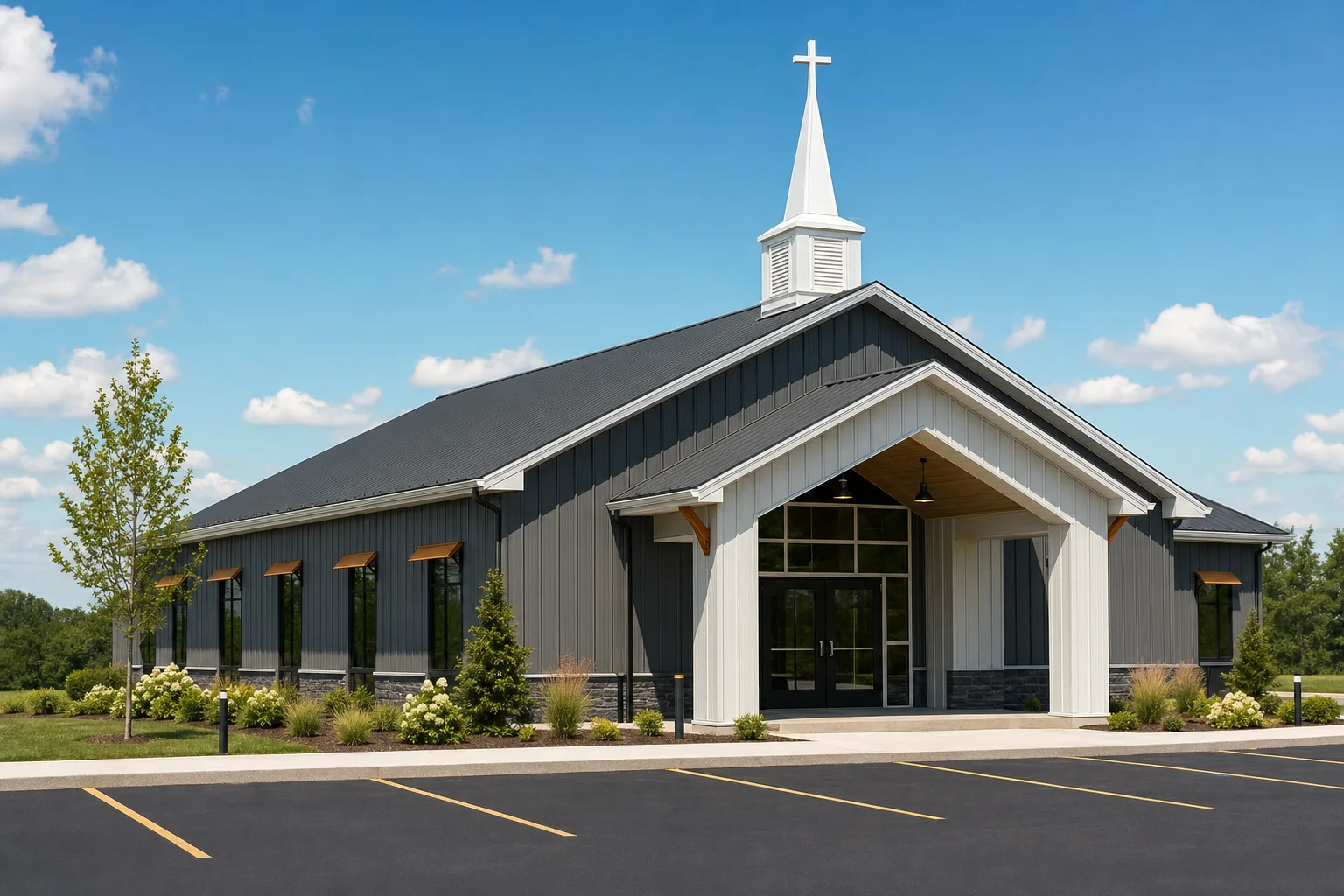
Boss is one of many carport-style brands that build light-gauge steel carports, covers, and small enclosed garages, and sell them through a network of local dealers with delivery and install often folded into the price. This carport brands review explains what that segment of the market is known for, what the buildings are, who they fit, and how to check the details before you order. It is an independent look with no endorsement and no affiliation, so treat every spec, gauge, load rating, and figure below as something to confirm with the seller in writing before you buy.
This review sits inside our metal building companies library, where we cover the major names one at a time on neutral ground. Below: who the carport-style brands are, what they make, who the units suit, how to verify the claims before ordering, and the tradeoffs buyers tend to weigh. Boss serves as a stand-in for a whole category that sells the same way, so the framework here applies to its competitors too.
Who they are
Who the carport-style brands are
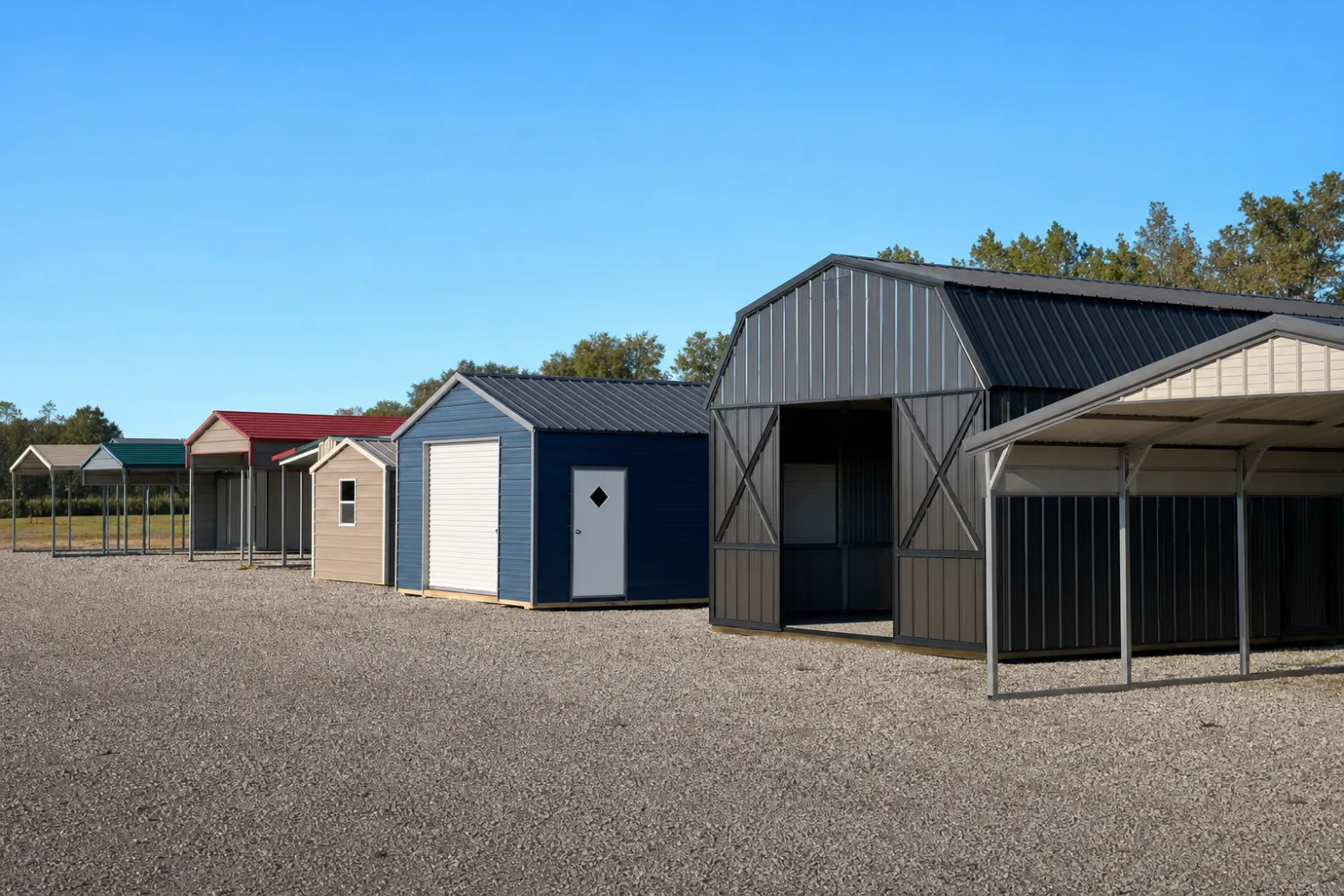
Carport-style brands are manufacturers of open and lightly enclosed steel structures, framed in galvanized tube and sold through regional dealer lots rather than direct from a factory. Boss is generally known as one of these makers, alongside a crowded field of similar names you will see advertised on roadside lots and online. The thread that ties the category together is the model: a tube frame, a dealer who takes your order, and a crew that delivers and installs the unit on your site.
Because the sale runs through a dealer, the experience you get depends as much on that local dealer as on the brand stamped on the unit. The same name can feel turnkey in one region and disorganized in another. Our local dealers vs national manufacturers guide weighs that dealer-network model against a factory you order from straight, and our companies hub explains the three seller layers in full so you know who owns the warranty and the install.
What they make
What carport-style brands make
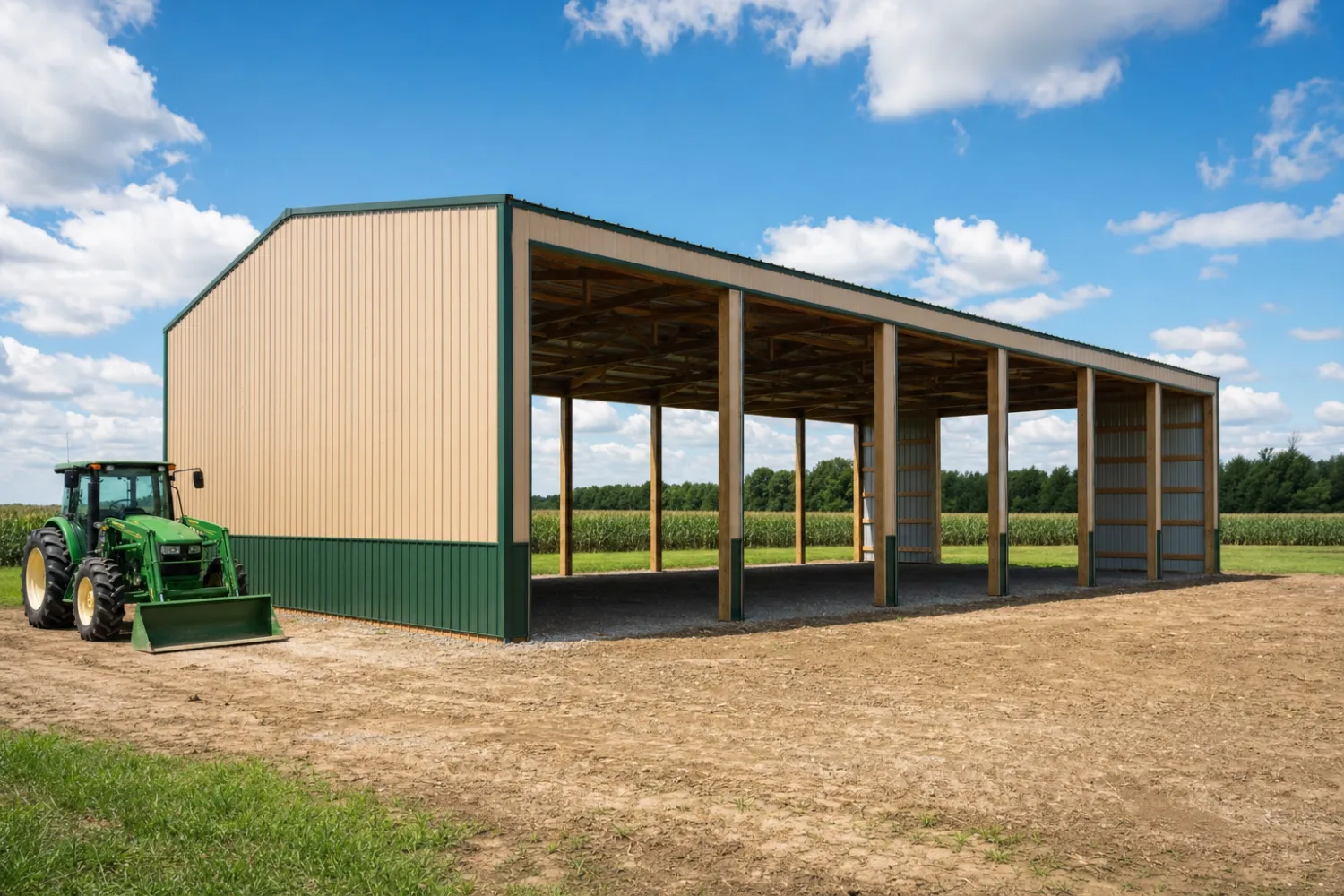
These brands focus on light-duty covered and enclosed structures rather than heavy commercial steel. The range is generally known to include open carports, RV and boat covers, utility buildings, and small enclosed garages, all framed in galvanized tube and wrapped in metal panels. Many lots offer the same unit in a standard or a certified version, where the certified build is engineered to stated wind and snow loads for permitting.
- Open carports and covers. A roof on posts for vehicles, equipment, RVs, or boats. The entry product, lightest on steel and price.
- Enclosed garages. The same tube frame with walls and a door added, suited to one or two vehicles or storage.
- Certified vs standard units. A certified unit carries engineered load ratings for permits, where a standard one may not. Match this to your local code before you order.
Galvanized tube is a different animal from the structural red-iron frames used on wide-span shops and warehouses. It is lighter, it resists rust without paint, and it suits shorter spans and modest loads. For the framing background, see the construction types pillar, which covers tube and red-iron framing side by side. If a garage is the goal, the metal garage kits pillar shows where a carport-style unit fits among the options.
Confirm the spec, not the lot photo
Steel gauge, the certified load ratings, panel coating, anchor type, and exactly what the price includes vary by brand, by size, and by whether you pick the standard or certified build. Carport tubing commonly falls in roughly the 12- to 14-gauge range ‹confirm›, but do not assume a number from a display unit. Get the gauge, the engineered loads, the anchor method, and the full inclusions for your configuration in writing, and check them against our buying checklist before you order.
Who it suits
Who carport-style units suit
A carport-style unit fits a buyer who wants a covered or lightly enclosed structure delivered and installed fast, without managing a build. If you need a vehicle cover, an RV or boat shelter, a utility building, or a small garage, and you would rather a crew set it on your lot than assemble a kit yourself, this is the model aimed at you. The delivered-and-installed format is the category’s main draw.
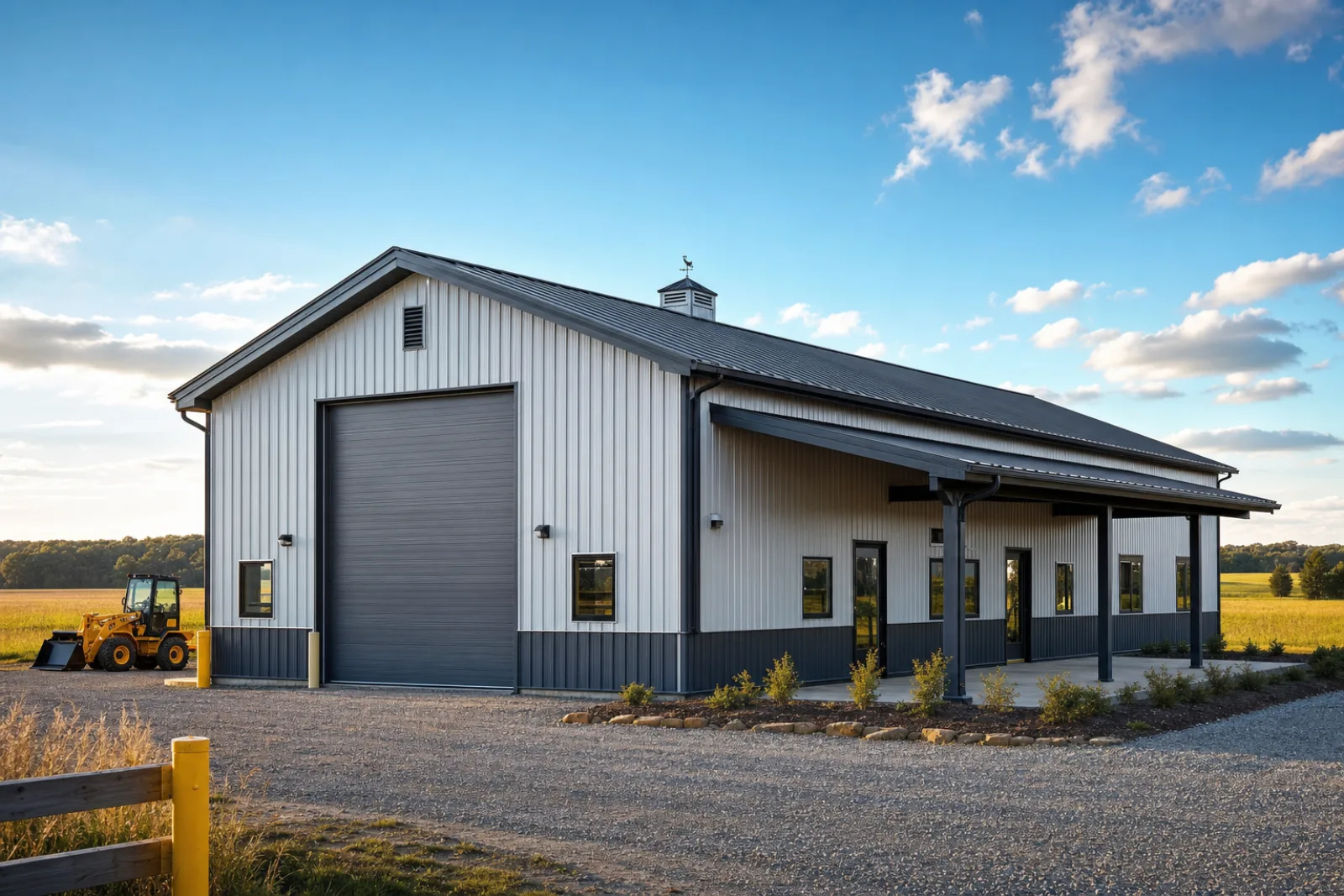
It is the wrong tool for a different job. A wide clear-span shop, a tall commercial building, or a structure in heavy-snow or high-wind country usually wants a red-iron frame engineered for those loads, not a light tube cover. If your project leans that way, the larger-format suppliers in our best metal building companies roundup and a strong regional dealer are better starting points. Decide what you are building first, then judge whether a tube cover can carry it.
There is also a middle ground where the answer is ‘maybe’. A larger enclosed garage can sit inside a tube system’s certified range or just past it, depending on your local loads. When you are on that edge, compare a carport-style unit against a heavier frame and a DIY kit using our guide to comparing manufacturers and our best DIY metal building brands guide, and let the engineered load rating settle it, not the lowest sticker.
Verify first
How to verify a carport brand before you order
Verify the building on paper before any deposit clears, the same way you would with any dealer-sold maker. A carport-style unit is a sound buy when the engineering, the inclusions, and the install hold up, and a headache when they do not. Run the order through this short list:
- Certified or standard. Confirm whether the unit is engineered and certified for your local wind and snow loads, since your building department will want stamped numbers at permit time. A standard unit can fall short of code.
- Engineered load values. Get the exact wind and snow ratings the certified build carries ‹confirm› and match them against your address. A rating for a mild region can be short where the weather is harsher.
- Gauge and coating. Confirm the tube gauge ‹confirm› and the panel coating in writing, not from a lot unit. Thickness and finish drive both strength and lifespan.
- What the price includes. Find out whether delivery, install, anchors, and the concrete or ground prep are in the quoted figure or billed on top, so the all-in number is honest.
- Site and anchor requirements. Ask what surface the crew needs, ground, gravel, or a poured slab, and which anchors come with the unit, since that decides whether install goes smoothly.
- Warranty and who honors it. Read the structural and finish coverage and what it excludes ‹confirm›, and confirm whether the brand or the dealer handles a claim.
Two habits protect you most. First, put every spec in writing and compare it line by line against another lot’s quote, which is what our comparison guide is built for. Second, learn the warning signs of a thin or evasive seller; our red flags and scams guide lists the ones worth walking away from. A dealer who answers the certification and anchor questions plainly is one to trust.
What buyers weigh
What buyers tend to weigh
Buyers weighing a carport-style brand tend to trade speed, low cost, and an included install against span, load, and the variable quality of a dealer network. None of these is a verdict; each is a tradeoff that lands differently depending on your project and your local dealer. Here is how the common pros and cons sort out:
| What buyers tend to like | What buyers tend to weigh against it |
|---|---|
| Delivered and installed by a crew, often in a day | Quality of the install depends on your local dealer |
| Galvanized tube that resists rust without paint | Light-gauge tube, not structural red iron for wide spans |
| Low entry price on open carports and covers | Suited to light loads; heavy snow or wind may rule it out |
| Certified options engineered for permits ‹confirm› | Standard units may not meet local code |
| Rent-to-own and financing common on lots ‹confirm› | Financing terms can cost more than the cash price over time |
A balanced view, not a rating. The right call depends on your span, your loads, and the dealer you order from.
Judge a carport brand by the certified load rating and what the install price includes, not by the lot banner. A light frame in the right job is a smart buy, and the wrong job is where buyers get burned.
On cost, carport-style units generally sit at the lower end of the steel-building market because the frame is light and the install is built into a packaged price, with open carports often running in the low four figures and larger enclosed units climbing from there ‹confirm 2026 range›. Those numbers move with steel prices, size, certification, and options, so price your exact configuration and read the kit prices pillar for how the market is structured rather than trusting any single lot sticker.
FAQ
Carport brands review: common questions
What is Boss known for?
Boss is generally known as one of the carport-style brands that make light-gauge galvanized steel carports, covers, and small enclosed garages, sold through local dealers with delivery and install often included. It serves here as a stand-in for a whole category of makers that sell the same way. Confirm current product details with the seller before ordering, since specs and inclusions change.
Are carport-style brands good for a garage?
For a small one or two-car garage on modest loads, a tube-frame carport-style unit can be a reasonable fit, because it arrives delivered and installed and galvanized steel keeps maintenance down. The limits are span and load: a wide or heavy-snow building usually wants a red-iron frame instead. Match the certified load rating to your local code, and see the metal garage kits pillar for where a unit fits.
Is a carport-style unit red iron or tube steel?
Tube steel. The framing is galvanized structural tube rather than the hot-rolled red-iron I-beam used on wide-span commercial buildings. Tube is lighter, resists rust without paint, and suits shorter spans and lighter loads. For how the two framing types compare, see the construction types pillar.
What does certified mean on a carport?
A certified unit is engineered and stamped to meet stated wind and snow loads for your area, which is what a building department needs to issue a permit. A standard unit may not carry those ratings. If you need a permit, or you are in snow or wind country, confirm the certified loads in writing and match them to your local code before you order.
How do you verify a carport brand before buying?
Confirm whether the unit is certified for your local loads, the exact wind and snow ratings, the tube gauge and panel coating, what the install price includes, the site and anchor requirements, and the warranty terms and who honors them. Compare that spec against another lot’s quote line by line. Our buying checklist and comparison guide walk the steps.
How much do carport-style buildings cost?
We do not publish prices for any single company, since they change with steel costs, size, certification, and options. As a market guide, carport-style units generally sit at the lower end because the frame is light, with open carports often in the low four figures and enclosed units higher ‹confirm 2026 range›. Price your exact configuration with the dealer and read the kit prices pillar for context.
Is Boss a good company to buy from?
That depends on your project and your local dealer, not on any blanket rating. A buyer wanting a delivered, installed cover or small garage on light loads is who the model is built for, while a wide-span or heavy-load building is better served by a structural frame and a different supplier. Judge the fit by the certified specs, vet the dealer the way our red flags guide describes, and compare lots before you commit.
Related guides
Keep reading
Reviewing one carport brand works best next to the tools that let you compare and verify. Follow these next:
- Metal building companies & reviews (the parent pillar).
- Local dealers vs national manufacturers (the dealer-network model, explained).
- Best metal garage kit companies (suppliers worth a look for a garage).
- How to compare metal building manufacturers (the line items to weigh across makers).
- Red flags and scams to avoid (how to spot a thin or evasive seller).
- Metal building buying checklist (everything to verify before you sign).