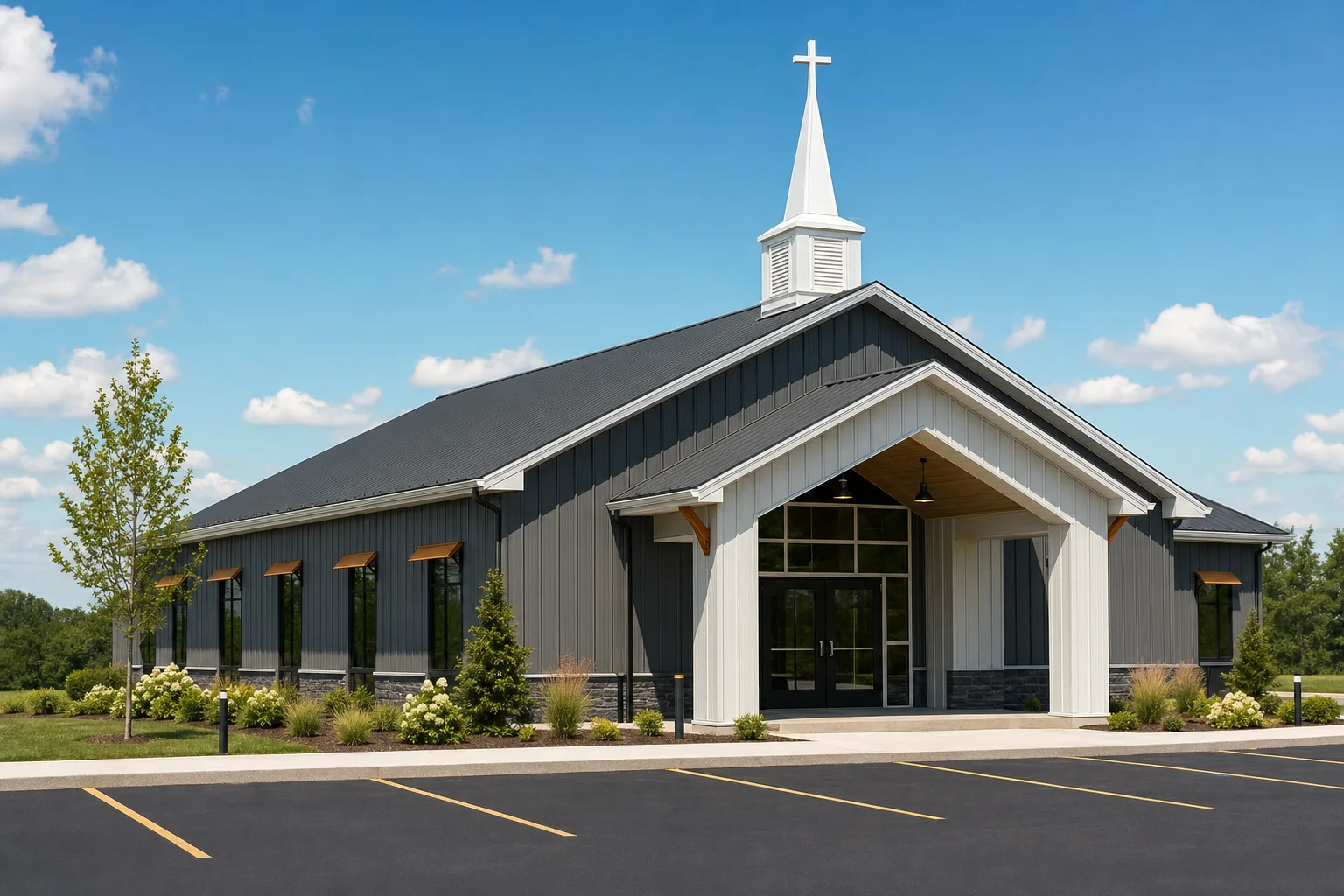
General Steel is a national seller of pre-engineered steel building kits, marketing rigid-frame structures for garages, shops, barns, barndominium shells, and commercial use across the United States. This General Steel buildings review is independent: we take no commission, we rank nobody, and we make no claim about the company’s pricing, ratings, or reliability. What follows is what the brand is generally known for, who its buildings tend to suit, and how to verify any quote before you sign.
This review lives in our metal building companies library, next to neutral write-ups of every major name in the category. Read it beside our method for comparing manufacturers so you can hold a General Steel quote against another supplier’s on equal terms, line for line, before money changes hands.
Who they are
Who General Steel is
General Steel is a national steel building seller, meaning it markets and sells pre-engineered kits to buyers nationwide rather than serving one region from one lot. The name comes up often when you search for steel garages, shops, and clear-span buildings, which is a sign of reach and marketing more than a verdict on any single project.
As with most national sellers, the steel itself is engineered and fabricated upstream, and the company you talk to coordinates the order, the drawings, and delivery. That structure is normal in this industry, and it is the reason our national-versus-local guide matters: a national seller trades a local crew and a face down the road for nationwide coverage and direct ordering. Neither model is better in the abstract; they fit different buyers.
Because brands shift product lines, ownership, and policy over time, the only detail that ages well is the one you confirm with the company in writing. Treat the orientation below as a starting point, not a spec sheet, and verify anything specific against your own quote.
What they make
What General Steel buildings are
General Steel is generally associated with pre-engineered rigid-frame steel buildings: a primary frame of structural steel columns and rafters, wrapped in metal roof and wall panels. That is the same class of building used for shops, barns, warehouses, and barndominium shells, sized across a wide range of widths and lengths.
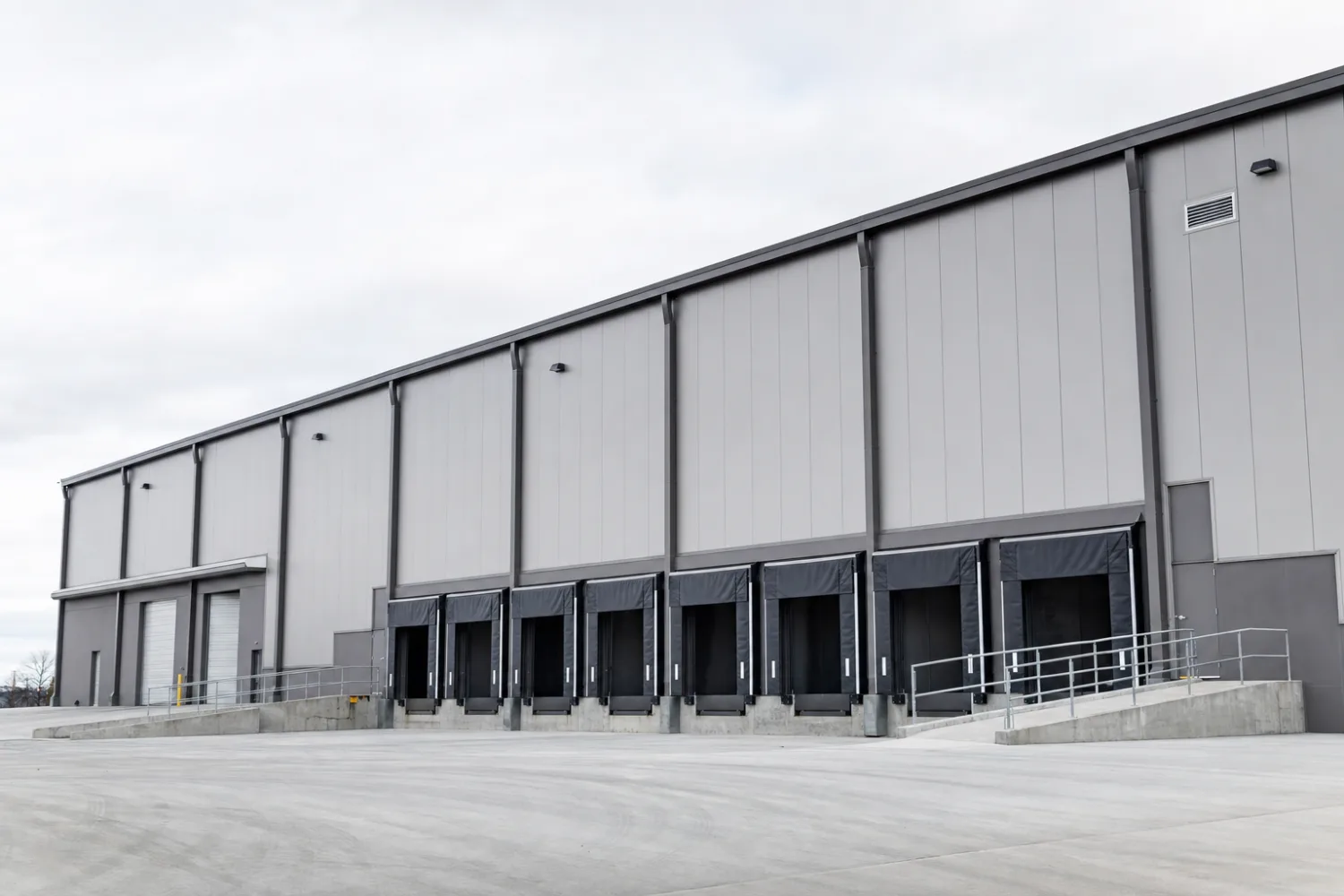
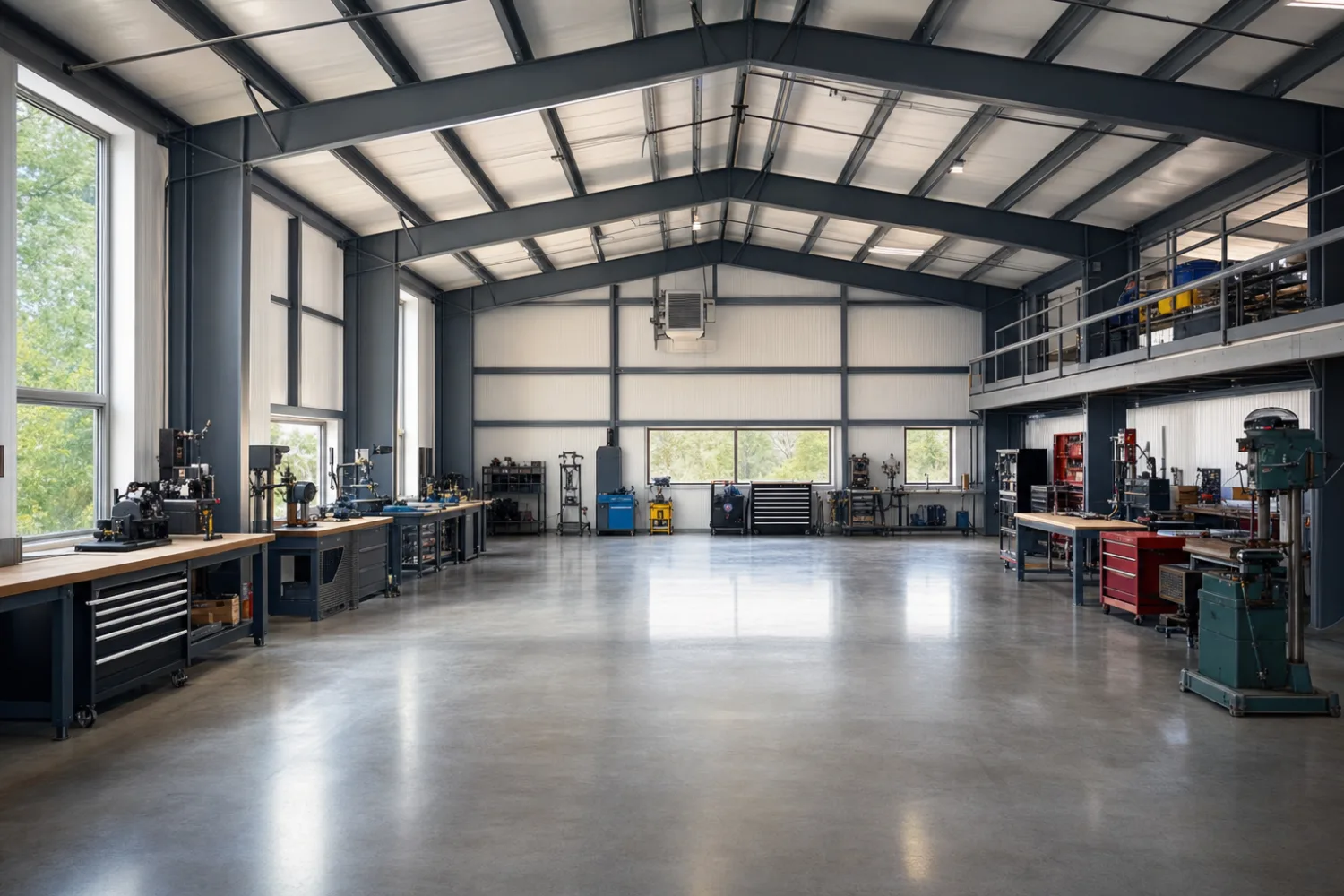
The headline appeal of this frame is clear span: the rigid frame carries the load to the foundation with no posts in the middle of the floor, so a wide shop or warehouse stays open inside. For the engineering behind that frame and how bolt-up kits go together, see the construction types pillar, which covers red iron, framing, and assembly in depth.
What a General Steel kit includes, and what it leaves out, is set by your specific quote, not by a brand reputation. Frame type, panel gauge, coating, door and window openings, insulation, and freight are all line items that change the number. Confirm each one against the buying checklist rather than assuming a price covers a finished, weather-tight building.
Who it fits
Who General Steel buildings suit
A national seller of pre-engineered buildings tends to fit buyers who want a wide range of sizes, direct ordering, and a rigid steel frame, and who are comfortable arranging their own foundation and erection. It fits less well if you want a local dealer to manage the whole job on the ground. Here is how the common projects tend to land:
- Shop and garage buyers. One to several bays with the right door package and a frame matched to the span. Size it first with the metal garage kits pillar, then read the quote for the openings your build needs.
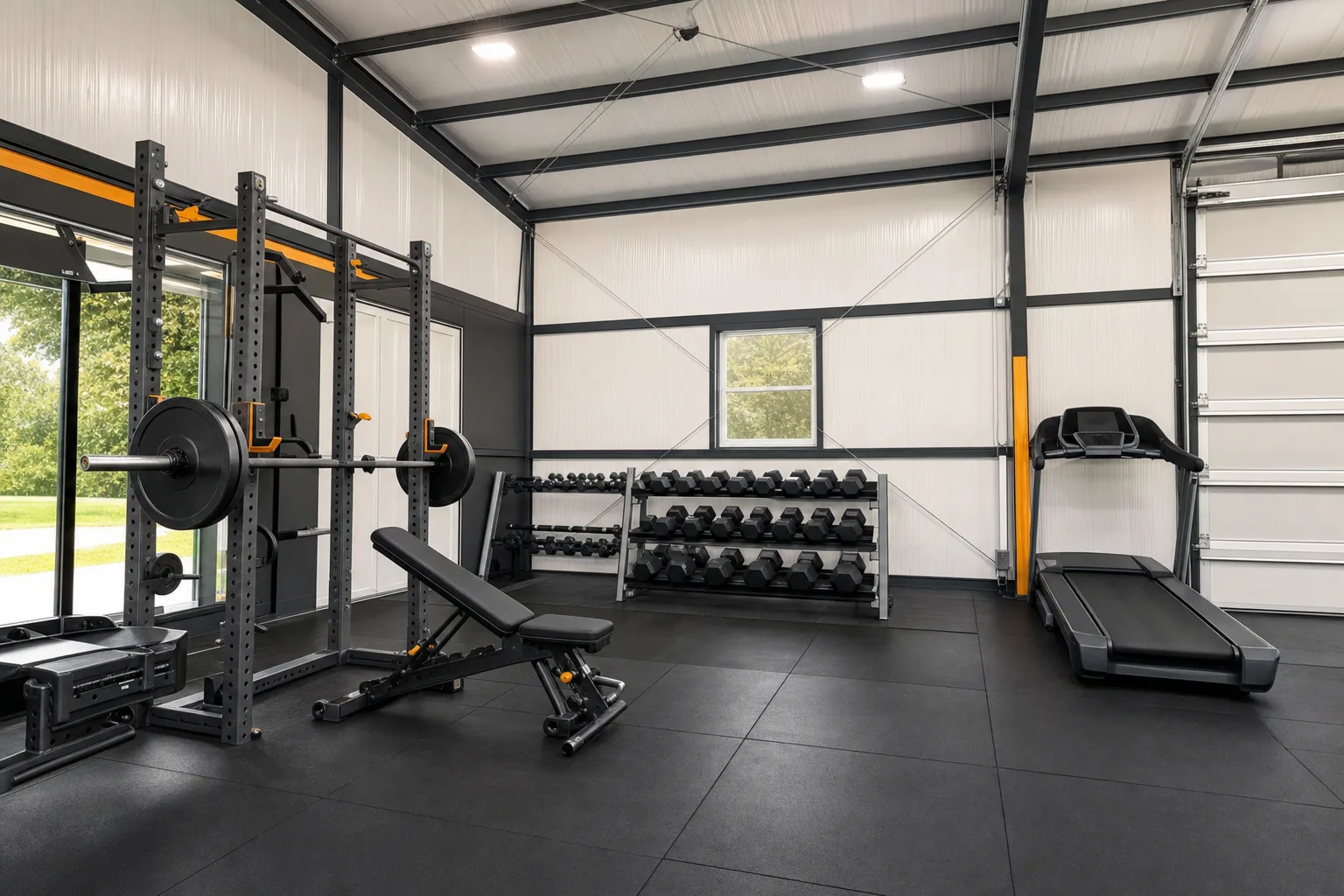
- Barndominium builders. A home shell wants wide clear span and the right eave height. Pin down the layout with the metal building homes & barndominiums pillar before you price a shell, because finish-out is a separate budget.
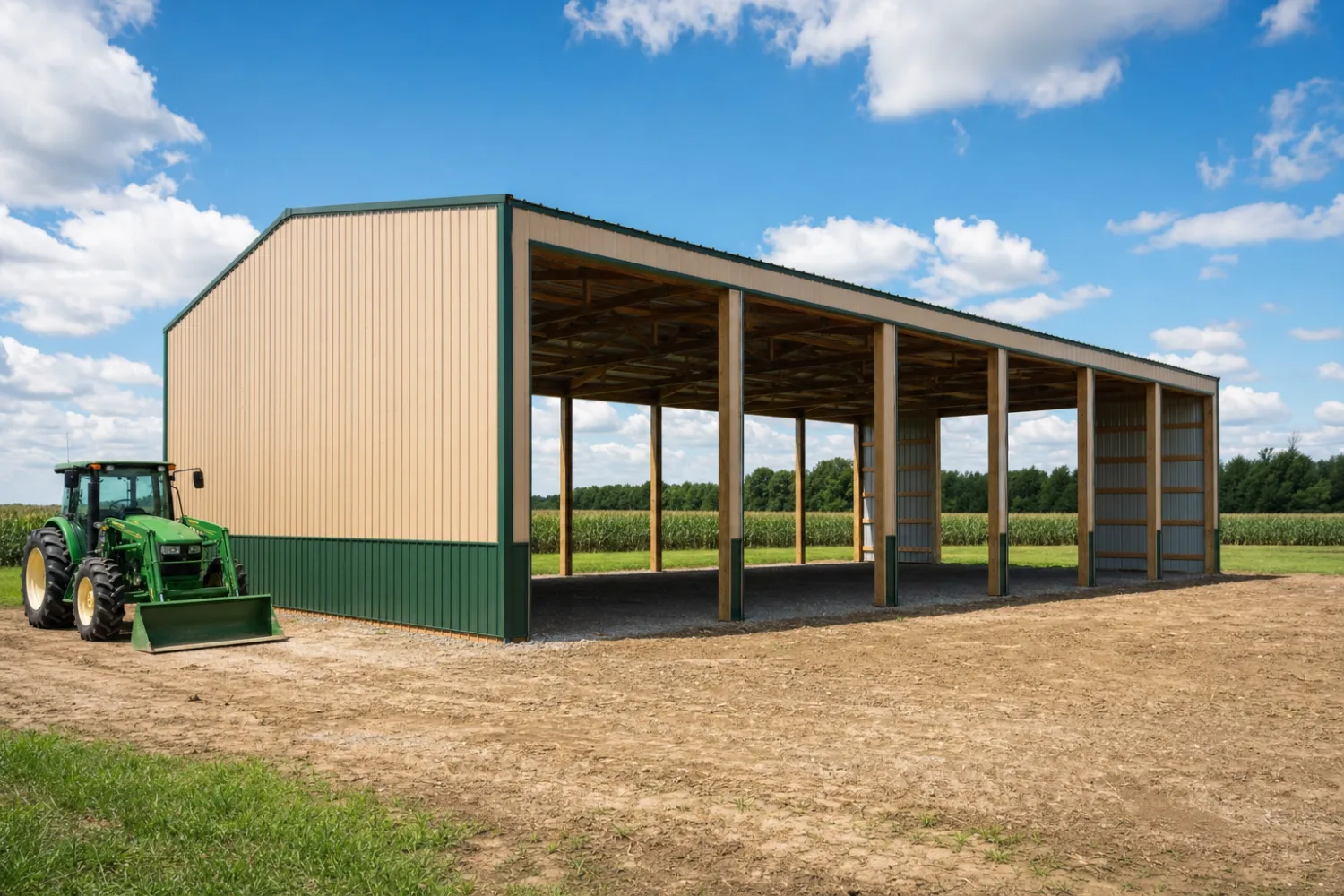
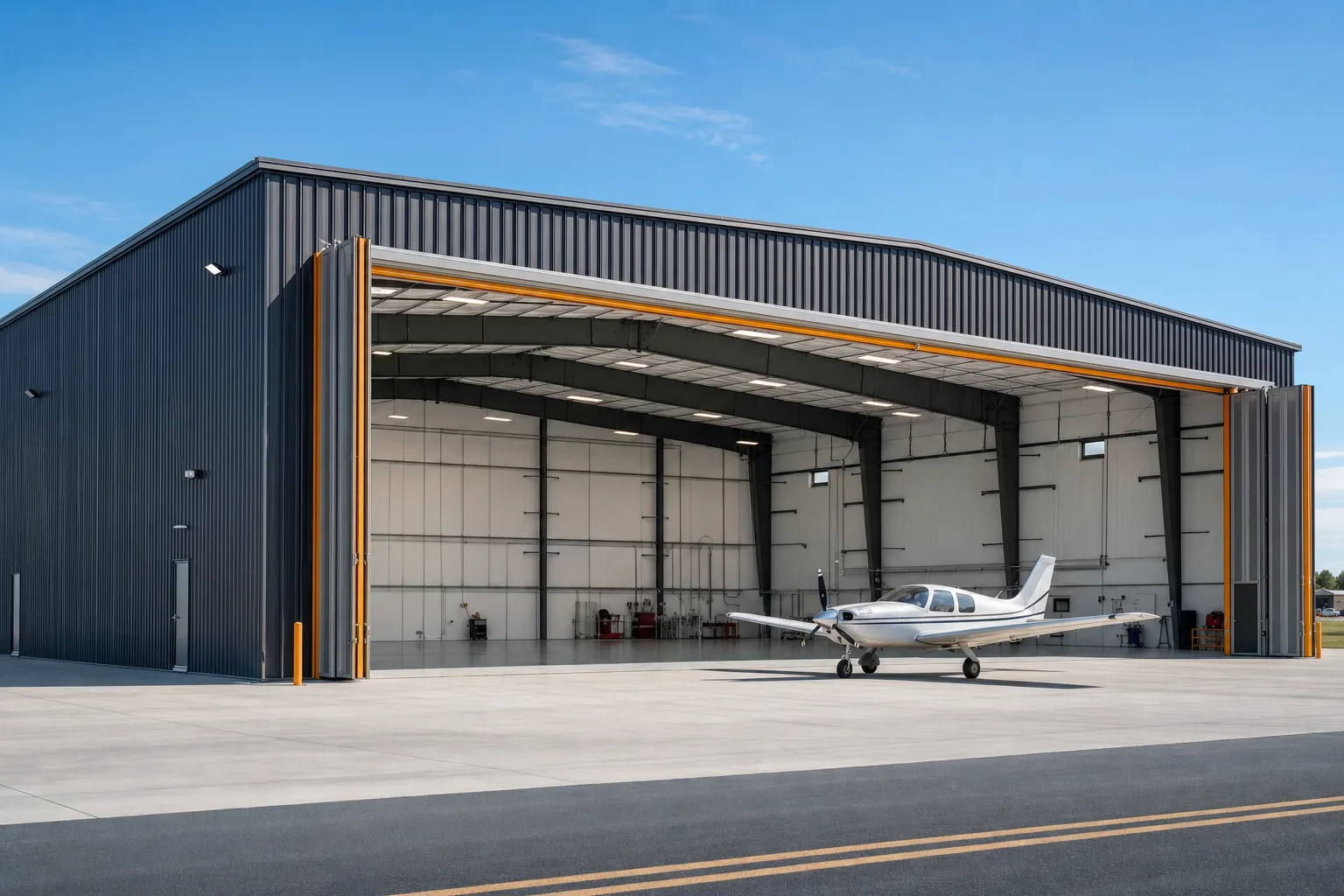
- Commercial and ag buyers. Warehouses, equipment storage, and wide-span structures are the natural home of a rigid frame. Match the building to the job using the uses & applications pillar.
- DIY-minded buyers. A bolt-up kit can be raised by a small crew, but a wide rigid frame is heavy and wants equipment. Weigh that honestly against a local turnkey option in local dealers vs national manufacturers.
If your project is small and you would rather someone local handle permits, the slab, and erection, a regional dealer may serve you better than any national seller. Start from the build you want, not the brand you saw in an ad, and let the rankings guide show where General Steel sits among the alternatives for your kind of project.
Before you buy
How to verify a General Steel quote before buying
Vetting any national seller is a short, repeatable routine, and running it costs you an afternoon and can save you a building. Do these checks before you put down a deposit, and treat a company that resists them as your answer.
- Confirm what you are buying. Get the frame type, panel gauge, coating, every door and window opening, and the exclusions on paper. A verbal “it is all included” is not a spec.
- Verify the engineering. Ask whether the drawings will be stamped for your county’s snow and wind loads and who the engineer of record is. The stamped set is what your building department reads.
- Read the warranty document. Not the marketing word, the actual coverage on paint, panels, and frame, the term, and what voids it. Get a copy before the deposit, not after.
- Pin down delivery and damage terms. Steel is heavy and freight is real money. Confirm whether delivery is included, the lead time, and what happens if parts arrive damaged or short.
- Check the deposit terms. Know what the deposit buys, what the refund policy is, and what happens if the order stalls. Large up-front money with vague terms is the classic warning sign.
- Compare at least two quotes apples to apples. Hold the building constant and let only the price move. The comparison guide turns this into a side-by-side worksheet.
The detail most buyers skip
A quote is not a price until it is a complete spec. The cheaper of two numbers is often the one with fewer openings, a lighter panel, or freight left out. Before you compare totals, line up the steel, the openings, and the exclusions, and keep the cost guide open so you know what each line should roughly run ‹confirm›.
What buyers weigh
General Steel: what buyers tend to weigh
A balanced read on any national seller looks at the trade-offs, not a star rating. Below is a neutral summary of what buyers commonly weigh with a brand of this type. None of it is an endorsement or a complaint; each line is something to confirm for your own quote, not a fact about the company.
| Buyers often value | Buyers tend to confirm |
|---|---|
| Nationwide reach and direct ordering | Who manages permits, slab, and erection locally |
| A wide range of sizes and rigid-frame clear span | That the frame and gauge match the span you need |
| One point of contact for the order | Who owns the warranty and answers after the sale |
| Familiar, well-marketed brand presence | The written spec behind the headline number ‹confirm› |
| Pre-engineered, stamped-drawing buildings | That drawings are stamped for your local loads |
A balanced view, not a verdict. Every item on the right is a question for your quote, not a claim about the company.
Buy the company as carefully as you buy the building. A national seller’s reach is real, but the steel is only as good as the spec on your quote and the people who answer when something is wrong.
The pattern holds for almost every supplier in this category: the reputation gets you in the door, and the written spec decides whether the building is a good one. If a General Steel quote, or any quote, leans on the brand instead of the line items, slow down and walk it through the red flags and scams guide before you commit.
FAQ
General Steel buildings review: common questions
Is General Steel a good company?
This review does not rate General Steel, because what matters is the spec and warranty on your specific quote, not a brand score. General Steel is a national seller of pre-engineered steel buildings with wide reach and a familiar marketing presence. Confirm the engineering, the openings, and the warranty for your build, and compare it apples to apples using our comparison method.
What does General Steel sell?
General Steel is generally associated with pre-engineered rigid-frame steel buildings: structural steel columns and rafters wrapped in metal roof and wall panels, sized across a wide range for garages, shops, barns, barndominium shells, and commercial use. The exact frame, gauge, and inclusions are set by your individual quote.
How much does a General Steel building cost?
Pricing varies by size, location, steel-market timing, and the options you add, so any fixed figure ages fast and we do not quote one here ‹confirm›. Get a current written quote, confirm what it includes, and compare it line for line against another supplier. Our cost guide shows what the line items generally cover.
Is General Steel a manufacturer or a seller?
General Steel markets and sells pre-engineered buildings nationally, and as with most national sellers the steel is engineered and fabricated upstream. That affects who owns the warranty and who answers engineering questions, so confirm the chain of responsibility in writing. Our national-versus-local guide explains why that distinction matters.
Does General Steel deliver nationwide?
General Steel markets to buyers across the United States, so coverage is one of its selling points. Because freight on steel is heavy and costly, confirm whether delivery is included in your quote, the lead time, and the policy on parts that arrive damaged or short before you treat the headline price as final.
What should I check before buying a General Steel building?
Get the full spec in writing, verify the drawings will be stamped for your local loads, read the actual warranty before the deposit, confirm delivery and damage terms, and compare at least two quotes apples to apples. Our buying checklist walks the whole routine step by step.
How does General Steel compare to other steel building companies?
That depends on your project, not on a ranking. A national seller competes on reach, size range, and direct ordering, while a local dealer competes on permits, a crew, and a face to call. Compare them on the same building, not the same brand, and see where each lands in our best metal building companies guide.
Related guides
Keep reading
This review is one stop in a neutral, no-endorsement library. Follow these next:
- Metal building companies & reviews (the parent pillar).
- How to compare metal building manufacturers (line-by-line method).
- Local dealers vs national manufacturers (the trade-off behind a national seller).
- Best metal building companies in the US (where the names land).
- Red flags & scams to avoid (what to watch before you pay).
- Metal building buying checklist (everything to verify before you sign).