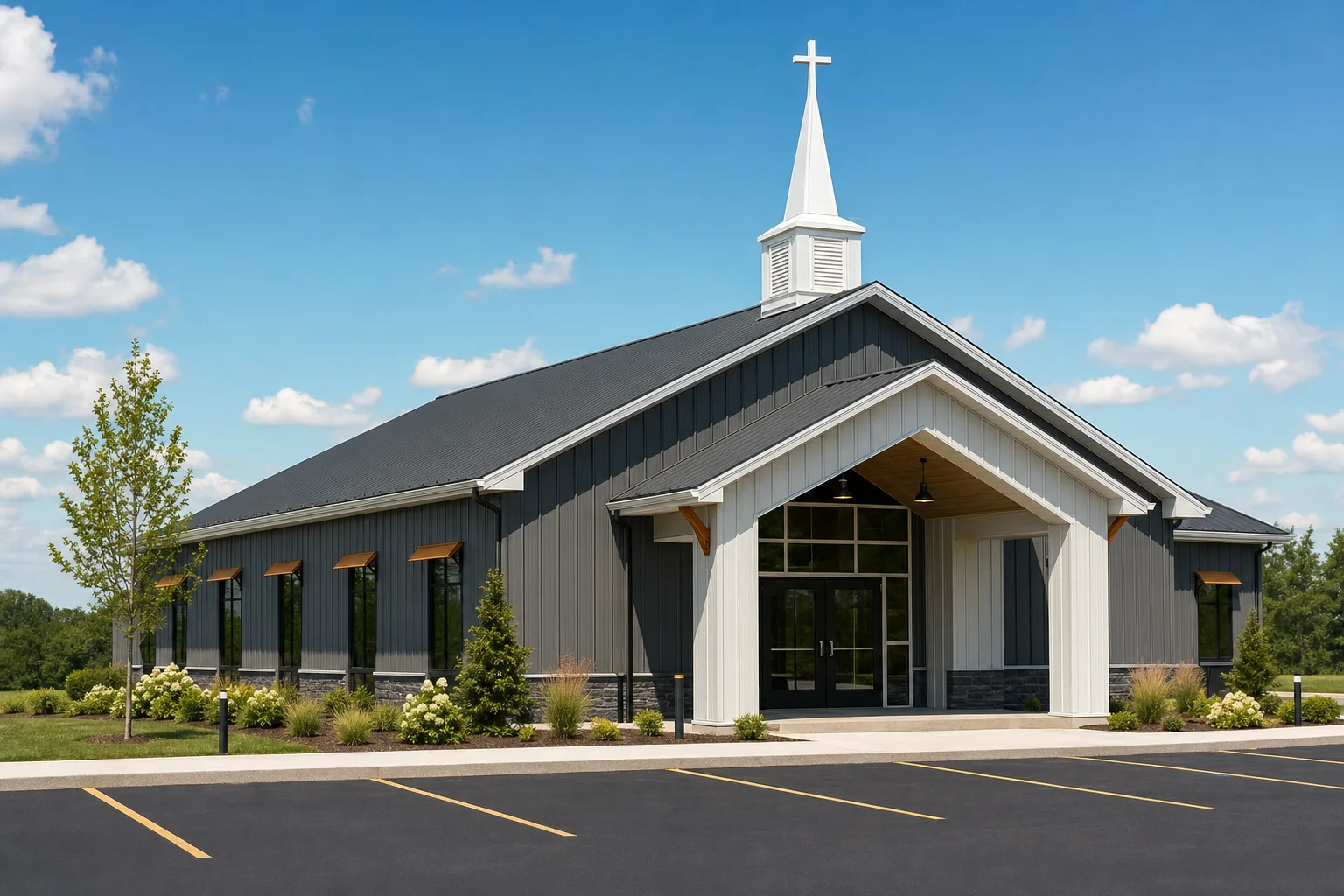
Most metal building scams follow the same script: a price far below the market, a hard push for a large deposit by wire or app, and a seller you cannot pin down to a real address, an engineering stamp, or a written, itemized quote. The buildings either never arrive, arrive short, or arrive as a lighter structure than you paid for. You avoid almost all of it by slowing the sale down, getting every promise in writing, and verifying the company before any money moves.
This guide sits under the metal building companies pillar, the hub for every brand review in our Companies and Reviews library. It is an independent reference, not an accusation against any one seller. Below you will find what metal building scams tend to look like, the red flags in the price and the pitch, the checks that confirm a company is legitimate, and an honest line between a pushy-but-real supplier and outright fraud.
The pattern
What metal building scams look like
A metal building scam is any sale where the seller takes your money and delivers less than promised, or nothing at all. The category covers outright fraud, where a fake listing collects a deposit and disappears, and the grayer cases, where a real-looking company underbuilds, swaps a lighter frame, or buries costs that turn a cheap quote into an expensive surprise.
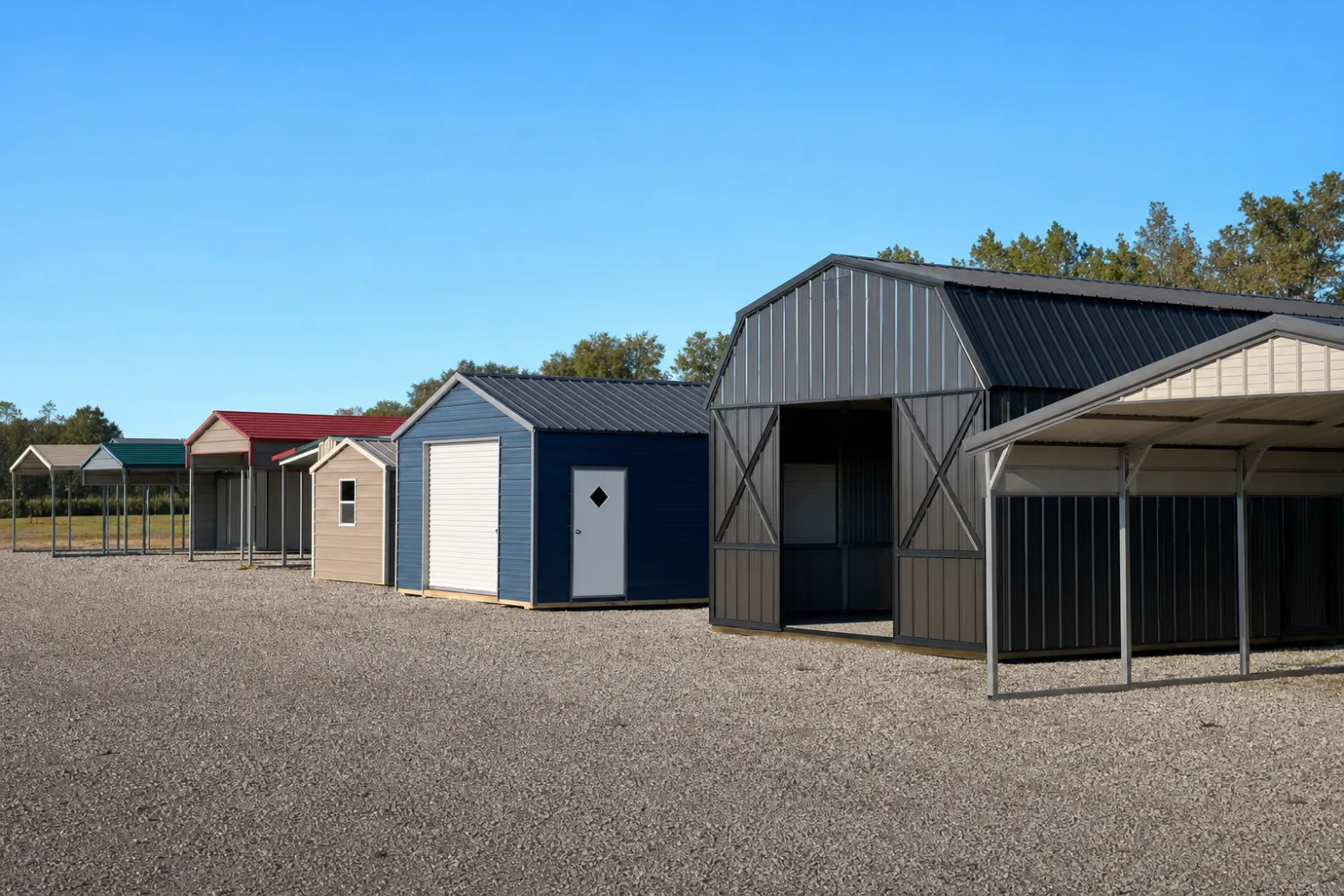
The forms repeat often enough to name them. Knowing the shape of each one lets you spot it before your deposit clears:
- The vanishing deposit. A listing or cold call offers a building well under market, asks for money up front by wire, gift card, or payment app, then goes silent. The building never ships.
- The bait-and-switch spec. The quote sells a heavy frame and thick panels, but the delivery is lighter gauge, a shorter clear span, or interior posts the drawing never showed.
- The hidden-cost total. A headline price that excludes slab, freight, doors, or load engineering, so the real number lands thousands above the quote that won your business.
- The phantom company. A slick site and stock photos with no verifiable entity, no physical location, and no engineering behind the buildings it claims to sell.
None of these require a master criminal. The common thread is a buyer moving fast on price and a seller who avoids putting the details in writing. Our guide to comparing manufacturers shows how to normalize two quotes so a too-good price cannot hide what it leaves out.
Price flags
Red flags in the price and the quote
Price is where most metal building scams start, because a number well below everyone else is the bait. Steel is a commodity, so a quote that undercuts the field by a wide margin is not a deal; it is a signal that something is missing from the spec or the seller. Read the quote, not the headline.
| Red flag | What it tends to signal | What to do |
|---|---|---|
| Price far below every other quote | A lighter spec, hidden exclusions, or a deposit grab | Ask what frame, gauge, and loads the price assumes |
| A single total with no line items | Costs are buried or undefined | Demand an itemized quote before you discuss payment |
| No engineering or load rating named | The building may not be stamped for your code | Confirm it is engineered for your local loads in writing |
| Slab, freight, or doors left off | The real total lands far above the quote | Add every excluded line before you compare |
| Deposit by wire, app, or gift card | Money you cannot claw back if it goes wrong | Pay by a method with buyer protection only |
A balanced read of common quote-stage flags. One alone may be innocent; a cluster of them is your cue to slow down.
Set a realistic range for your own project first, then judge every quote against it. As a 2026 illustrative frame, a basic steel shell often lands somewhere in the low-to-mid tens of dollars per square foot before slab, freight, and erection ‹confirm›, with insulation, doors, and heavier loads pushing it higher. Anything dramatically under that band deserves a hard look. Our metal building kit prices pillar shows how to build that range so a lowball number cannot fool you.
The deposit is the danger zone
A modest, refundable deposit against a signed, itemized order is normal. A large up-front payment by a method you cannot reverse is the single most common way buyers lose money. Confirm the amount, the refund terms, and the payment method in writing, and never wire a deposit to an account you cannot verify. Our buying checklist lists the exact terms to pin down first.
Pressure tactics
Red flags in the sales pitch
A legitimate supplier wants you to understand the quote; a scam wants you to sign before you do. So the pitch itself is evidence. Pressure, urgency, and a refusal to put answers in writing tell you more than any review score, because they reveal how the seller behaves when you ask a hard question.
- Manufactured urgency. The price is only good today, the steel market jumps tomorrow, one unit left at this rate. Real pricing moves, but a countdown built to rush your deposit is a tactic, not a market.
- Deposit-first, details-later. The seller asks for money before producing an itemized quote, an engineering stamp, or a written contract. The order of operations is reversed on purpose.
- Vague answers to plain questions. Ask the frame type, the gauge, and the stamped loads. A supplier who dodges or talks around it is hiding the spec, the engineering, or both.
- Off-channel payment. A pivot from invoice to a personal payment app, a wire to an out-of-state account, or a gift card is a bright red flag in any industry, steel included.
Judge a seller by how they answer your hardest question, not by how good the website looks. The ones who put frame, gauge, loads, and refund terms in writing are rarely the ones you need to worry about.
None of this means an assertive salesperson is a crook. Plenty of honest suppliers chase the sale hard. The difference is that an honest one will still email you the itemized quote, name the engineering, and let you take it to another supplier for comparison. A scam needs you to commit before you can check. Our local dealers vs national manufacturers guide explains why a nearby seller you can visit lowers this risk on its own.
The company
Red flags in the company itself
Behind a bad quote is often a company you cannot verify. Before you weigh the price, weigh the seller: a real metal building company has a traceable legal entity, a physical location, engineering behind its buildings, and a paper trail of owners who received what they ordered. Missing pieces are the warning.
- No verifiable entity. You cannot find a registered legal name, a business registration, or a tax ID, only a brand and a phone number that may not answer twice.
- No physical address. No factory, no lot, no office you can visit or confirm on a map, and a reluctance to give one when you ask.
- No engineering. The seller cannot say who stamps the drawings or whether the building meets your local code, because it may not be engineered at all.
- No real reviews. Only glowing testimonials on the seller’s own site, with nothing verifiable from independent owners in your region ‹confirm›.
- A brand-new or cloned web presence. A domain registered weeks ago, or a site that copies another company’s photos and text, points to a shell built to collect deposits.
Any one gap can be innocent; a small regional builder may have a thin web footprint and still be solid. A cluster of them is the pattern to walk away from. Compare what you find against the established names in our best metal building companies roundup and the individual reviews like our General Steel review, so you have a baseline for what a real company’s footprint looks like.
Verify first
How to verify a company before you buy
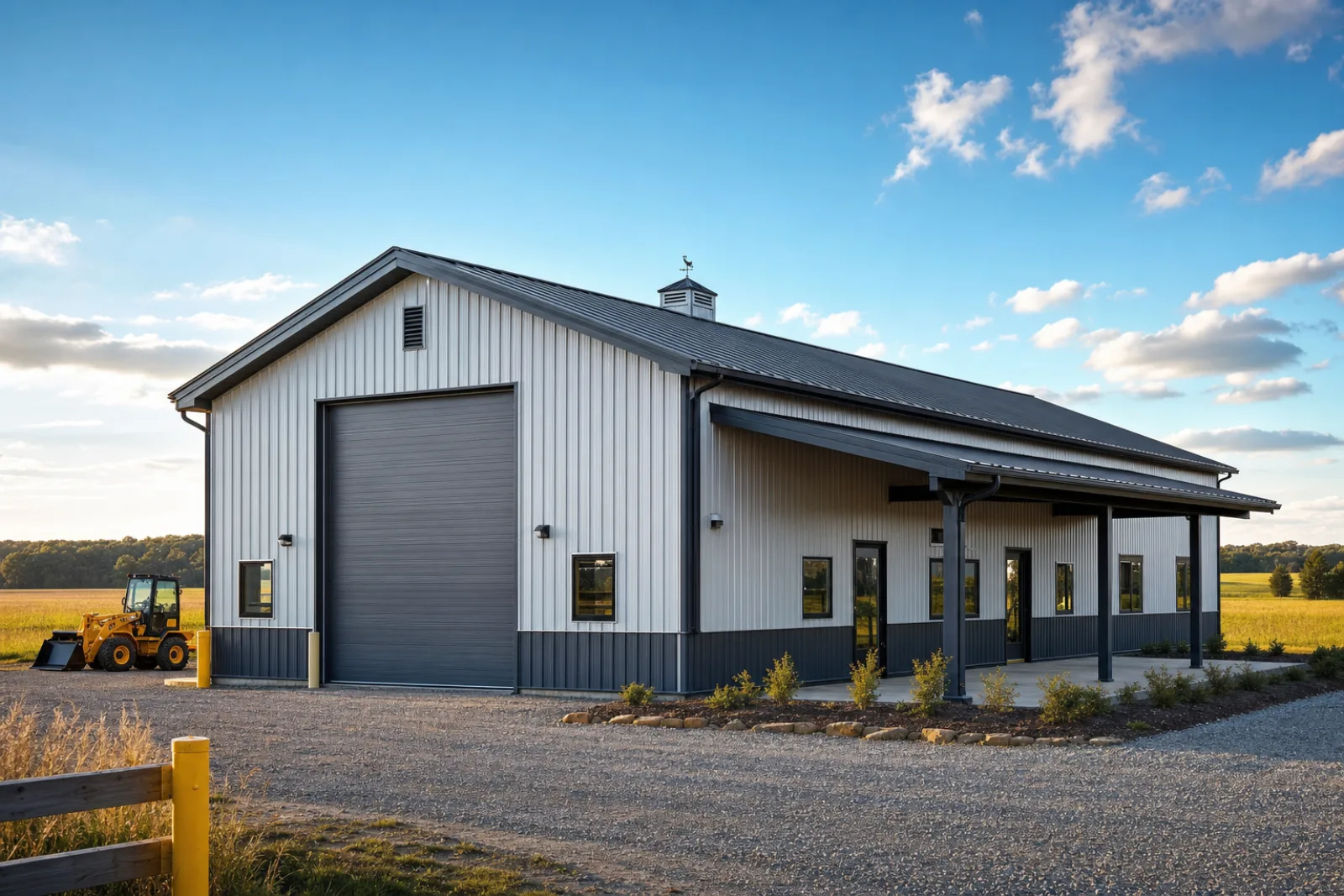
Verification is the whole defense, and it costs you nothing but a few days. Run the same checks on every seller, the trusted names included, because the goal is a paper trail you can stand behind, not a feeling about a friendly call. Treat each step as a gate the seller has to clear before money moves.
- Confirm the legal entity. Look up the registered business name and registration in the state it operates from, and match it to the name on the quote and the payment instructions.
- Confirm a physical location. Find the address on a map, check that it is a real facility, and call the listed number to confirm it reaches the company.
- Confirm the engineering. Get written confirmation the building is stamped for your local snow and wind loads, and that the permit set is included or available.
- Get an itemized, written quote. Frame, gauge, panel coating, loads, doors, freight, and exclusions, all on paper. Our quote-reading guide walks every line.
- Read independent reviews for your region. Owner reviews from your own area, not a national star average, since service and delivery quality vary by location ‹confirm›.
- Use a payment method you can reverse. A card or a traceable, contractual payment with recourse, never a wire or app payment to an unverified account.
If a seller resists any of these, that resistance is your answer. A real company has nothing to hide behind a written quote and a verifiable address. Our metal building buying checklist turns this list into a printable pass you can run before you sign, and the glossary defines any spec term a quote throws at you.
Scam vs aggressive
Not every red flag is a scam: what buyers tend to weigh
Here is the honest part. Many of these flags also show up in legitimate, hard-charging sales, and treating every one as fraud will cost you good suppliers. The skill is weighing the pattern, not reacting to a single signal. A pushy call from a verifiable, engineered, address-having company is a sales style; the same pressure from a phantom seller is a trap.
| Often just aggressive selling | More likely an actual scam |
|---|---|
| Urgency about a real, moving steel price | A countdown built only to rush your deposit |
| A firm push to close, but a written quote follows | Refuses to put the spec or quote in writing |
| A standard, refundable deposit on a signed order | A large up-front wire to an unverified account |
| Thin web presence on a small regional builder | No entity, no address, and no engineering at all |
| A low price explained by a lighter, named spec | A low price with no spec and no exclusions named |
A balanced view, not a verdict. Weigh the cluster of signals against what you can verify, not any single line.
So the takeaway is not paranoia; it is process. Run the verification, get it in writing, and a pushy-but-real supplier and a scam separate themselves without you having to guess. The buyers who lose money are almost never the ones who slowed down and checked. For the wider field and how each name tends to operate, start from our companies pillar and read the individual reviews on equal terms.
FAQ
Metal building scams: common questions
How do I avoid a metal building scam?
Slow the sale down, get an itemized quote in writing, verify the company’s legal entity, physical address, and engineering, and pay only by a method you can reverse. Never wire a deposit to an unverified account. Our buying checklist turns those steps into a pass you can run before you sign.
What is the most common metal building scam?
The most common is the vanishing deposit: a price well below market, a hard push to wire money up front, then silence. The building never ships. A close second is the hidden-cost total, where a headline price excludes slab, freight, doors, or engineering, so the real number lands thousands higher.
Is a deposit on a metal building normal?
A modest, refundable deposit against a signed, itemized order is standard practice. The danger is a large up-front payment by wire, app, or gift card to an account you cannot verify, since that money is hard to recover. Confirm the amount, the refund terms, and the payment method in writing first.
How do I know if a metal building company is legitimate?
Look for a verifiable legal entity, a physical address you can confirm on a map, named engineering for your local loads, and independent owner reviews from your region. A real company clears those checks without resistance. Compare what you find against the established names in our best companies roundup.
Why is one quote so much cheaper than the others?
Steel is a commodity, so a quote far below the field usually means a lighter spec, missing exclusions, or a deposit grab, not a better deal. Set a realistic range for your project using our prices pillar, then ask the cheap seller exactly what frame, gauge, and loads the price assumes.
Does high-pressure selling mean it is a scam?
Not on its own. Plenty of honest suppliers sell hard. The difference is that a legitimate one will still email an itemized quote, name the engineering, and let you take it elsewhere to compare. A scam needs you to commit before you can verify anything, so judge the pattern, not the pressure alone.
What should I do if I think I have been scammed?
Stop all further payments immediately and gather every record: the quote, messages, and payment details. Contact your bank or card issuer about a chargeback or recall, file a report with your state consumer protection office and the relevant fraud reporting body, and document everything in writing. The sooner you act, the better the odds of recovering funds.
Related guides
Keep reading
Verify before you commit, and compare every seller on equal terms. Follow these next:
- Metal building companies: the complete guide (the parent pillar).
- Best metal building companies in the US (what a real company’s footprint looks like).
- How to compare metal building manufacturers (normalize two quotes).
- Local dealers vs national manufacturers (why a seller you can visit lowers risk).
- How to read a metal building quote (every line item explained).
- Metal building buying checklist (verify every line before you sign).