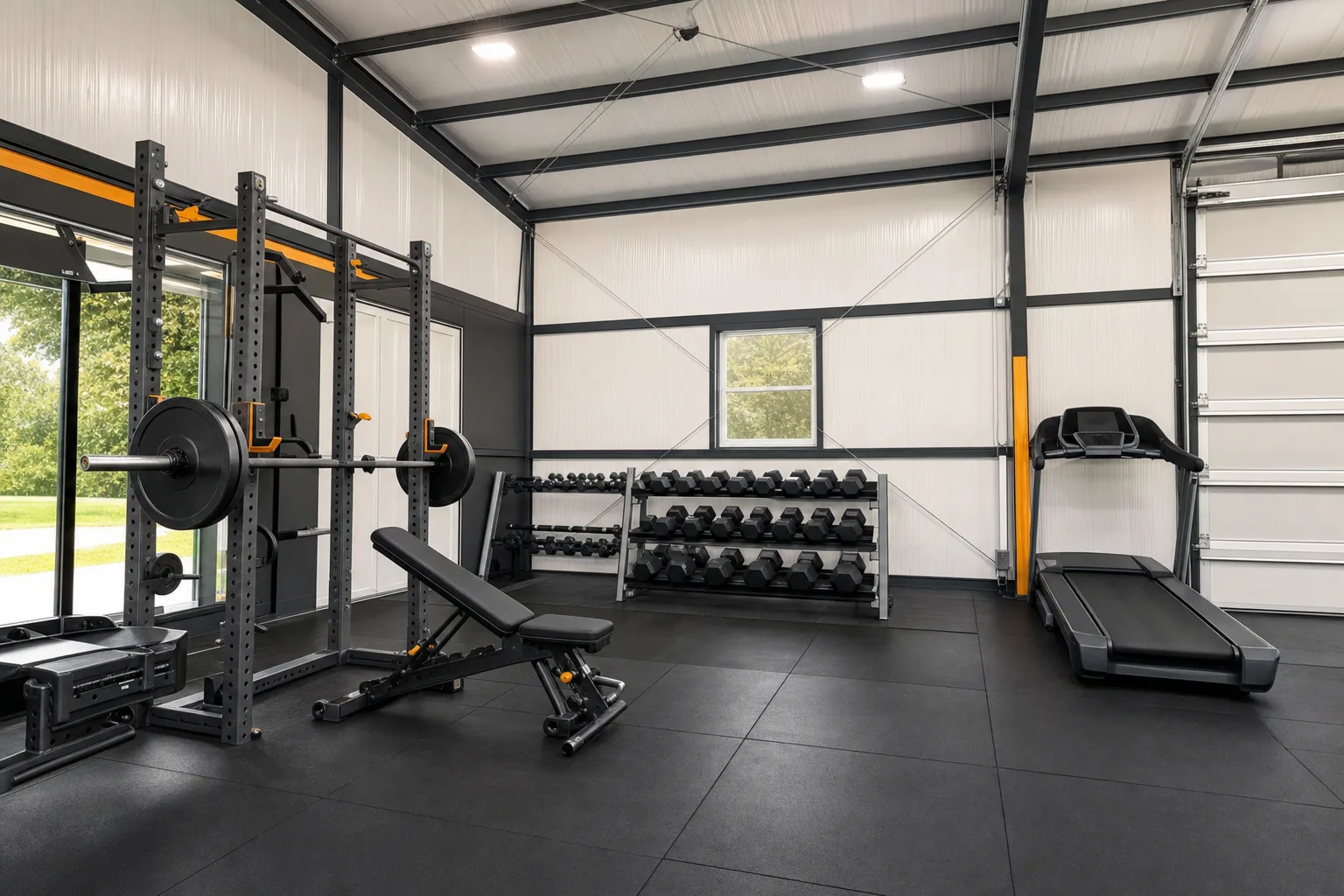
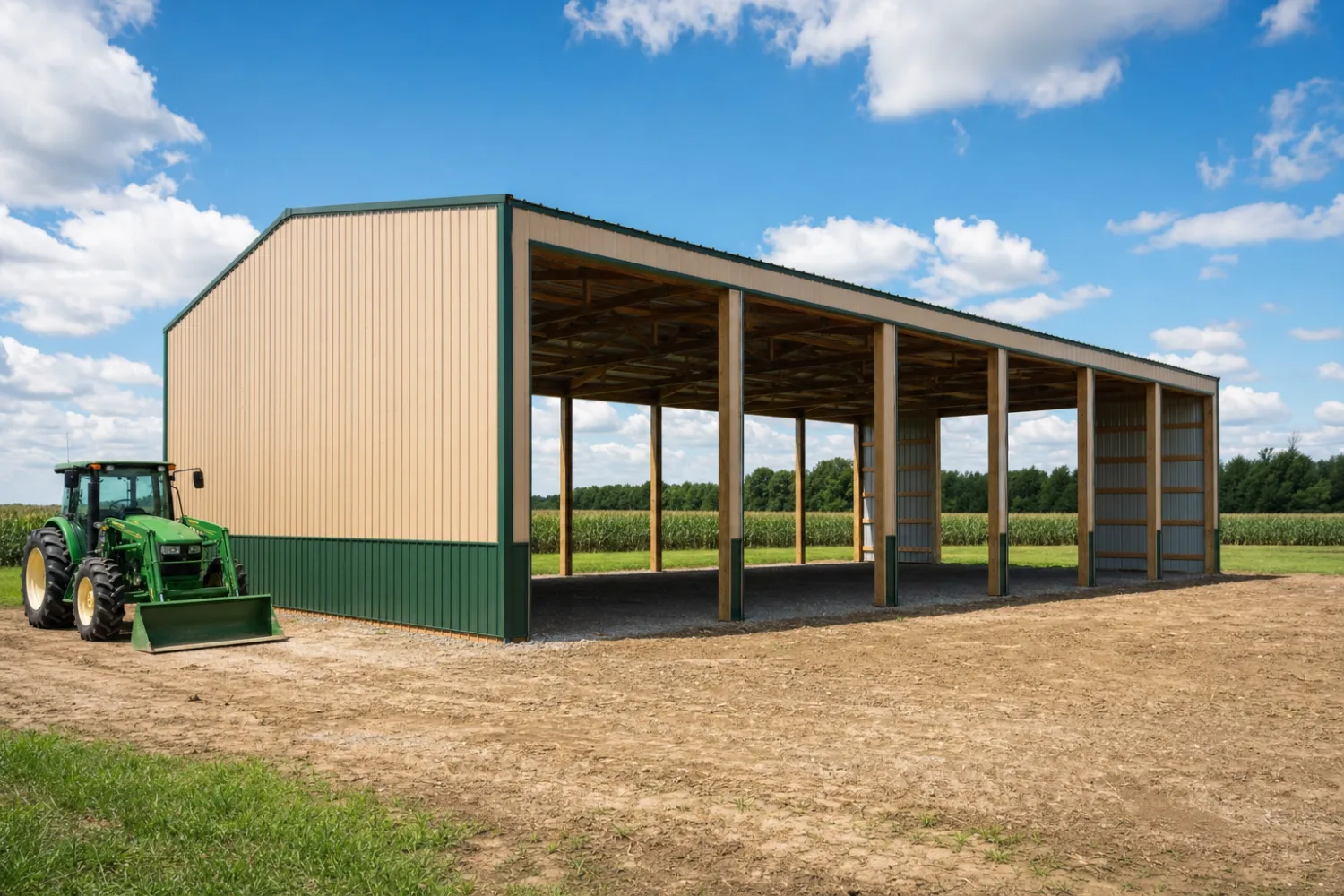
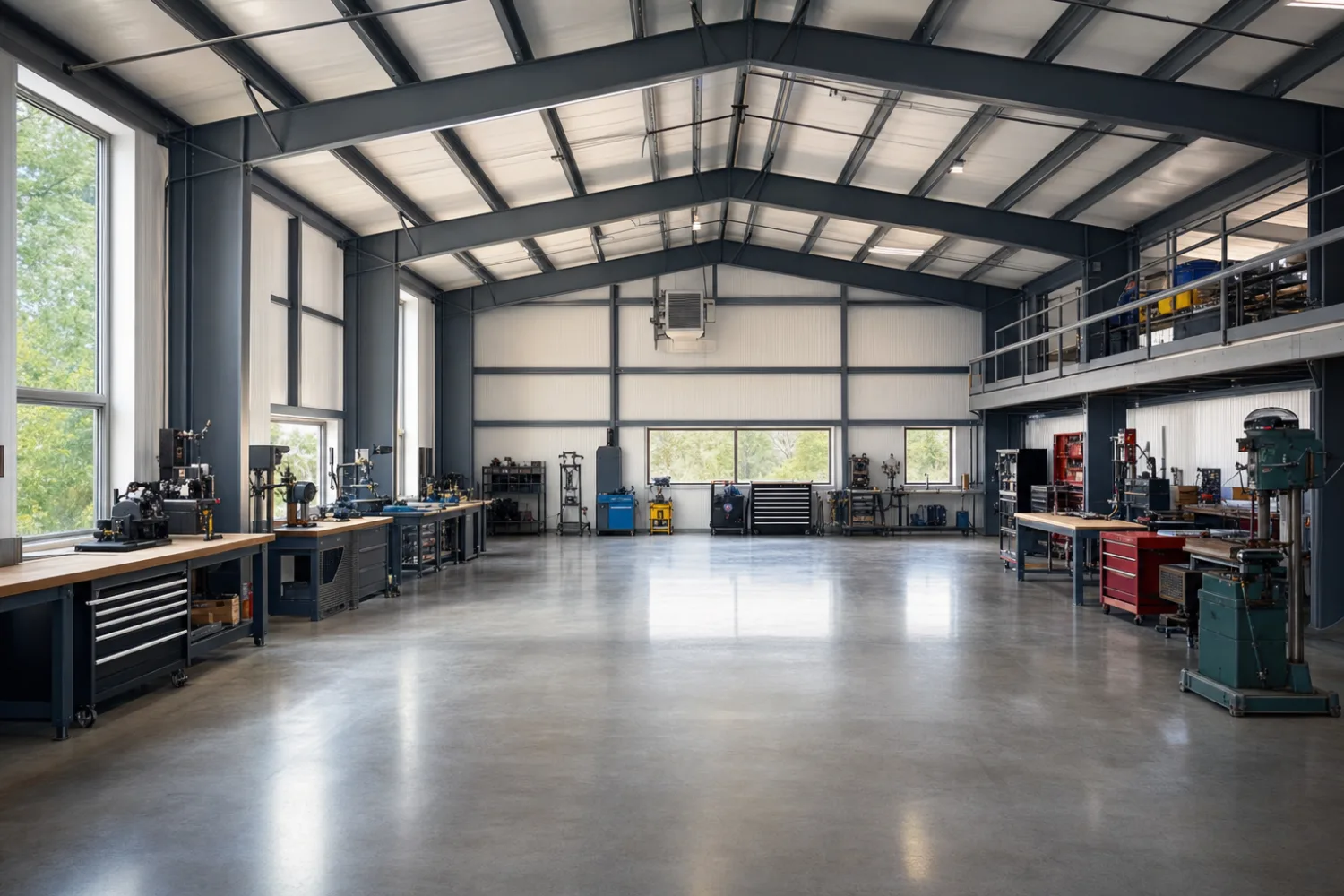
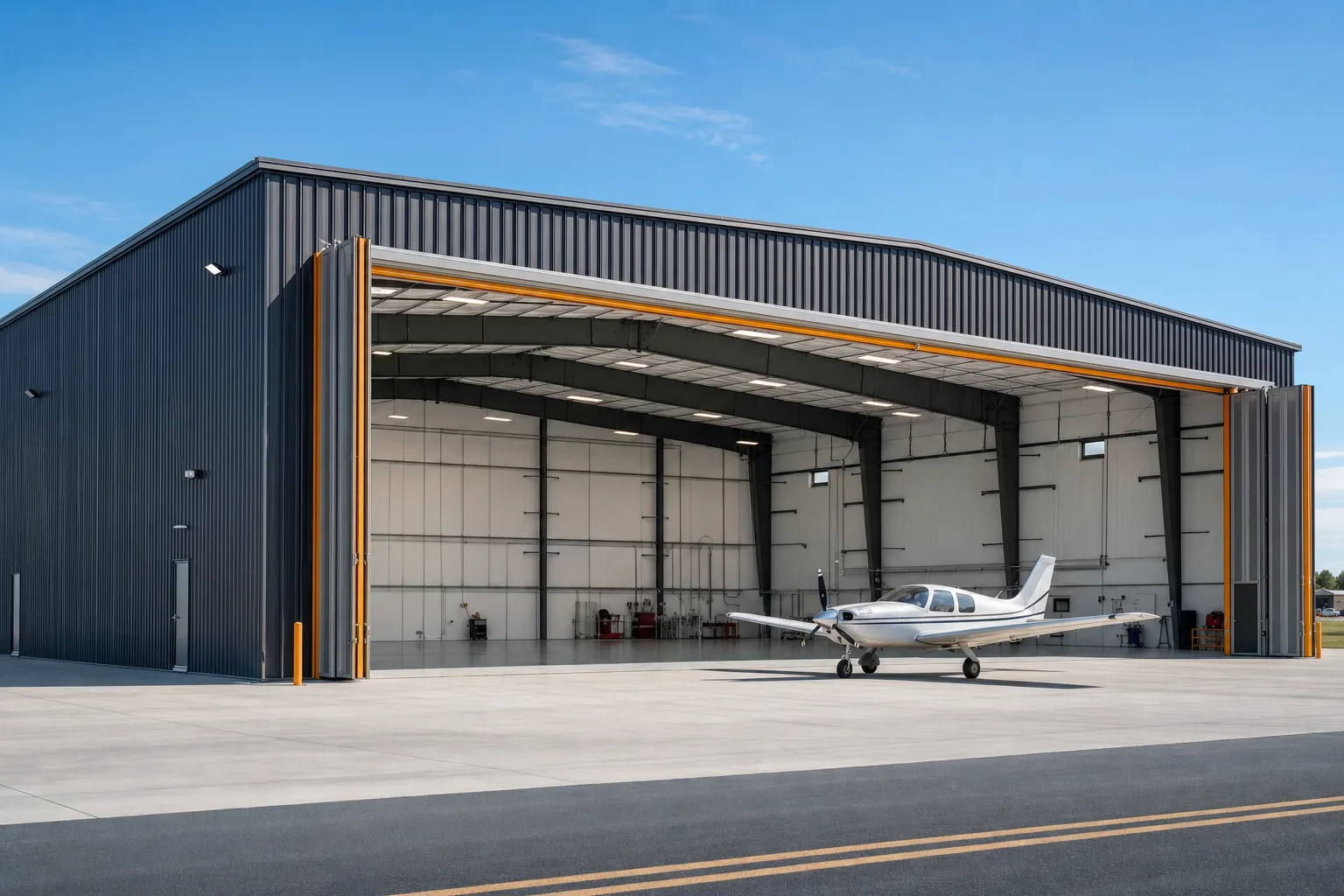
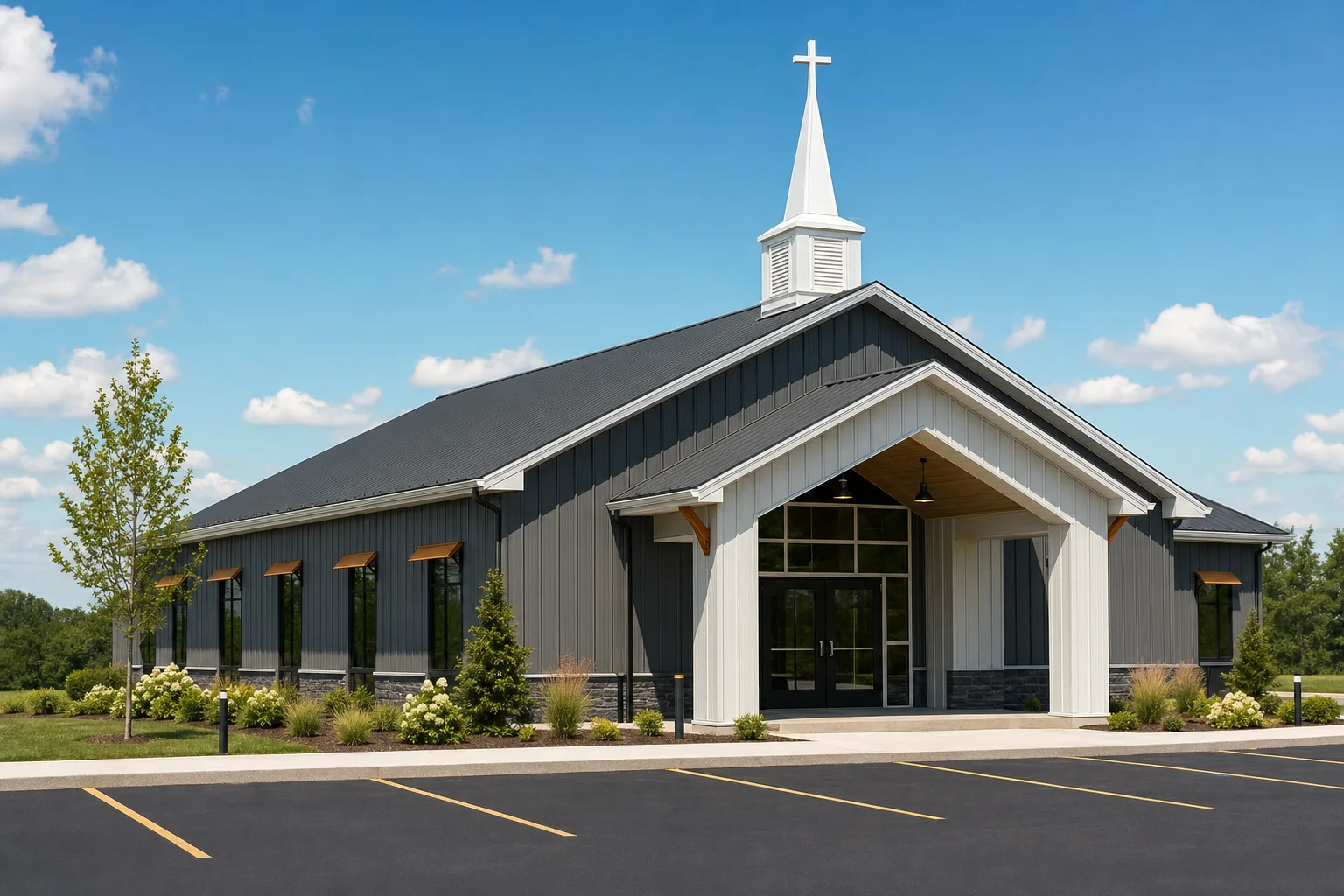
Home Depot is a national home-improvement retailer, not a metal building manufacturer, so its metal buildings are kits, sheds, carports, and garage products it stocks and ships from third-party brands. This independent review is not an endorsement. It explains what buying a metal building through Home Depot involves in practice, who that route suits, and how to verify the product and its real maker before you check out.
This guide sits under the metal building companies pillar, where we judge each name on footprint, product line, support, and how easy it is to check out. The key thing to hold onto with a retailer is the split between seller and maker: Home Depot handles the storefront and the transaction, while a separate manufacturer builds the steel and usually owns the warranty. Every specific figure below is a placeholder to confirm, because catalog, brands, and availability shift by region and by year.
Who they are
Who is Home Depot, and how do metal buildings fit?
Home Depot is one of the largest home-improvement retailers in the United States, selling building materials, tools, and outdoor products through its stores and a large online marketplace. For metal buildings it acts as a reseller: it lists products made by other companies and handles ordering, payment, and often shipping, rather than engineering or fabricating the steel itself ‹confirm›.
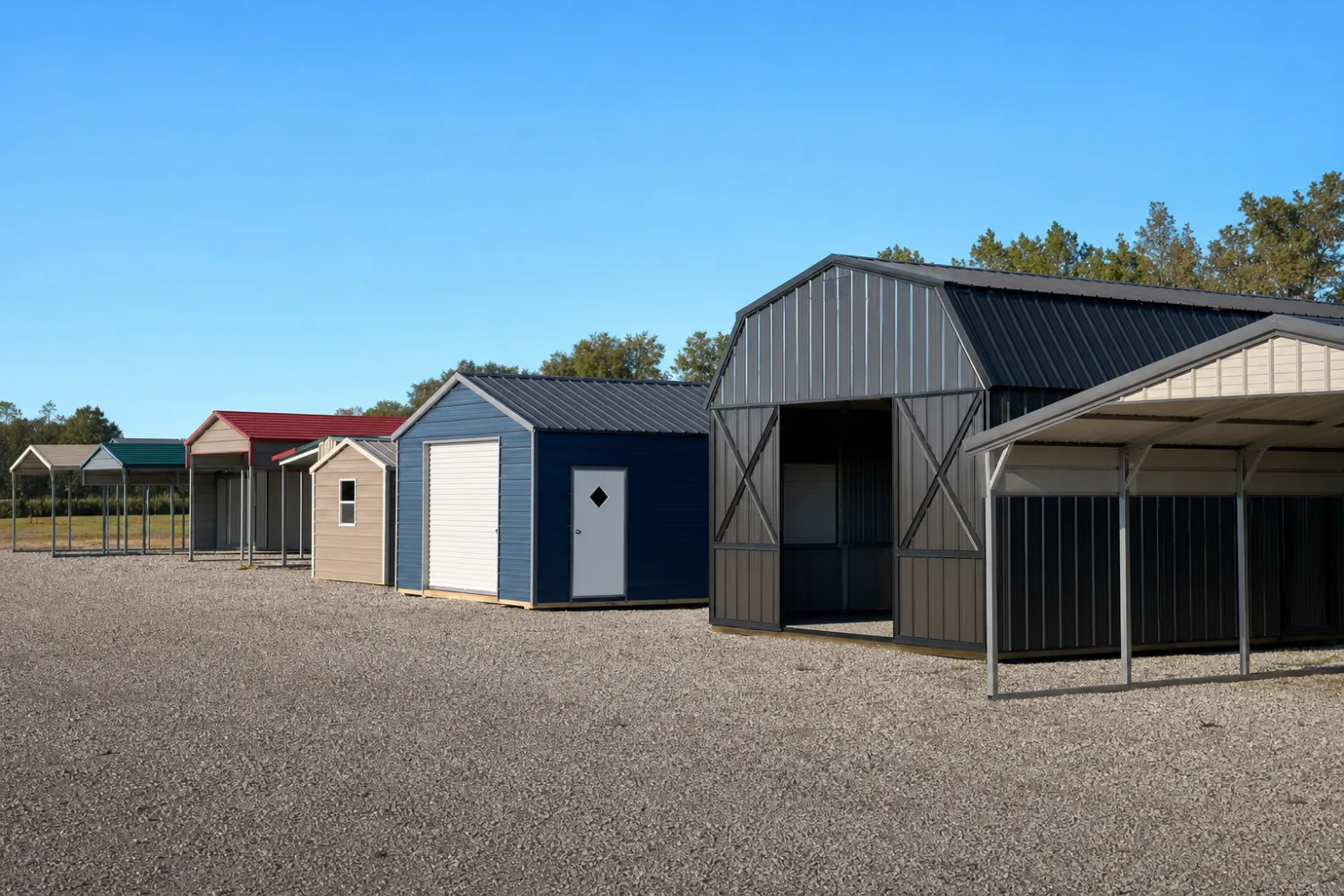
That retailer model is the whole story. The metal buildings you see under the Home Depot banner are sold by named brands, from shed makers to carport and steel-kit companies, and the brand behind the listing is the one that stands behind the product. If you are weighing this route against others, our best metal building companies roundup and our local dealers vs national manufacturers guide frame where a national retailer fits.
Because the listings come from many suppliers, your experience depends far more on which brand you pick than on the storefront itself. Two Home Depot listings of the same size can be different products with different warranties and different makers. The same logic applies to its big-box peers, which is why we review Lowe's and Menards on the same terms.
Product line
What metal buildings Home Depot sells
Home Depot’s metal building range skews toward smaller, consumer-friendly products rather than wide-span engineered shells: metal storage sheds, carports and canopies, and compact steel garage kits, with some larger kits appearing through marketplace sellers ‹confirm›. Think of it as a catalog of finished kits from outside brands, not a quoting desk for a custom building.
- Metal sheds and storage. Small galvanized or painted-steel sheds sold as boxed kits, aimed at backyard storage rather than vehicles or workshops.
- Carports and canopies. Open steel covers for cars, RVs, and equipment, usually lighter-gauge tube frames. Compare these against the dedicated field in our best metal garage kit companies guide.
- Steel garage and building kits. Bolt-together kits from third-party manufacturers, often marketplace listings. Frame type and load rating are the lines to scrutinize, not the headline price. See our construction types pillar for how the pieces assemble.
Because the catalog is broad and brand-mixed, two listings for the same footprint can describe genuinely different products, one a light cover and another a rated kit. Line them up field by field. Our guide to comparing manufacturers shows how to normalize listings so you compare like with like instead of by sticker price.
Who it suits
Who buying a metal building at Home Depot suits
Buying a metal building through Home Depot tends to suit people who want a smaller, off-the-shelf kit with a familiar checkout, return policy, and financing, and who are comfortable that the storefront is a reseller. It is a weaker fit for anyone who needs a wide-span engineered shop or a custom building stamped for heavy local loads.
- You want a small, defined product. A shed, a carport, or a compact garage kit fits the retail model well, because the product is finished and the price is fixed.
- You value a familiar buying path. A known return policy, customer service, and financing options can lower the perceived risk of a first metal purchase.
- You will handle the site and the build. As with most kits, the slab and assembly are on you. If that is new ground, read our construction types pillar before you order.
Where it may not fit
If you need a wide clear span, a custom layout, or a building engineered and stamped for your specific snow and wind loads, a fixed retail kit is rarely the right tool. A direct manufacturer or regional supplier can spec the building to your site. Compare that path in our best metal building companies roundup before you commit.
Verify first
How to verify a Home Depot metal building before you buy
Treat the retailer and the maker as two separate checks, because that is what they are. The storefront tells you the price and the return window; the manufacturer behind the listing tells you the steel quality, the warranty, and who answers when something fails. Run both:
- Identify the actual manufacturer. Find the brand name on the listing, then verify that company’s reputation and recent reviews, not just the retailer’s star count ‹confirm›.
- Read the real spec, not the headline. Frame gauge, panel coating, anchor type, and whether the kit is rated for any load at all. Many retail covers are not engineered for snow.
- Separate retailer and maker warranties. The return policy is the store's; the structural and paint warranty is the brand's. Confirm who handles a claim and for how long, since they rarely match.
- Confirm shipping, freight, and damage terms. Marketplace items can ship from the maker on a freight carrier. Check who resolves a damaged or short delivery before you order.
- Map the total, installed cost. Add anchors, a pad or slab, and assembly labor to the kit price before comparing. Our metal building buying checklist is built for exactly this pass.
If a listing is vague about its maker, its load rating, or its warranty, slow down and ask before you buy. Our red flags and scams to avoid guide lists the patterns worth walking away from, and they apply to a marketplace listing as much as to a direct quote.
What buyers weigh
What buyers tend to weigh: pros and cons
Buying through a big-box retailer is a set of tradeoffs, not a verdict. The convenience of a familiar store comes with the distance of a middleman between you and the maker. Here is a balanced view of what buyers tend to weigh, framed neutrally.
| What buyers tend to like | What buyers tend to weigh |
|---|---|
| Familiar checkout, returns, and financing | Reseller model puts a middleman between you and the maker |
| Fixed prices on finished, boxed kits | Catalog skews small; limited wide-span or custom options |
| Wide selection of brands in one place | Quality and warranty vary entirely by the brand you pick ‹confirm› |
| In-store pickup or freight delivery options | Structural questions may outrun retail staff knowledge |
| Low-risk path for a first, small purchase | Many covers and sheds are not engineered for real loads |
A balanced view, not a rating. Weigh each line against your own project, site, and the specific brand on the listing.
With a retailer, judge the building by its actual manufacturer and written spec, not by the store's name on the page. The storefront sells convenience; the brand behind it sells the steel.
None of this is a thumbs up or down. It is the lens we apply to every name in the companies silo, so you can compare the retail route against a direct manufacturer on equal terms. The right answer depends on your project, not on ours.
Cost context
What a Home Depot metal building tends to cost
We will not print a fixed price, because the figure depends on which brand, size, and product you choose and on the day's steel market. The retail advantage is that the sticker is known up front; the catch is that the sticker rarely includes the anchors, pad, and labor that finish the job.
As a 2026 illustrative frame, small metal sheds and light carports often sit in the low hundreds to low thousands of dollars, while compact steel garage kits run higher into the thousands before the slab and assembly ‹confirm›. Those add-ons routinely move a total more than the brand on the box does. For the full method, see our metal building kit prices pillar and price every line.
Then add what a kit price leaves out: a pad or concrete slab, ground anchors or footings, and the labor or your own time to assemble it. On many backyard projects those parts rival the kit itself. A right-sized product that fits your site beats a cheaper one that does not, so match the spec to the job first and shop the price second.
Support and warranty
Returns, support, and warranty through a retailer
With a retailer, support splits in two, and knowing which half to call saves a lot of frustration. The store owns the purchase: payment, the return window, and a damaged-on-arrival claim. The manufacturer owns the product: the structural warranty, the paint or coating coverage, and replacement parts years down the line. Confirm both before you buy, not after a panel fails.
Ask three plain questions and write the answers down. First, what is the return policy on an opened or partially assembled kit, since steel kits are not always as returnable as a boxed tool ‹confirm›. Second, who honors the structural and paint warranty, the retailer or the brand, and for how long does each run. Third, where do replacement or missing parts come from, the store or the maker, because a short shipment on a bolt-together kit can stall the whole build.
Retail support is strong on the transaction and thinner on the engineering. Floor staff can process a return faster than a direct manufacturer, but they are not the people to answer a snow-load or anchoring question. For that, go to the brand's own documentation, and use our buying checklist to make sure nothing structural slips through the convenience of a one-click purchase.
FAQ
Home Depot metal buildings: common questions
Does Home Depot make its own metal buildings?
No. Home Depot is a retailer, not a manufacturer. The metal sheds, carports, and steel kits it lists are made by third-party brands, and that brand, not the store, engineers the product and usually owns the structural warranty ‹confirm›. Always identify the actual maker on the listing before you buy.
What kinds of metal buildings can you buy at Home Depot?
The range skews small and finished: metal storage sheds, carports and canopies, and compact steel garage kits, with some larger kits appearing through marketplace sellers. It is better suited to backyard storage and light covers than to wide-span shops or custom engineered shells ‹confirm›.
Is buying a metal building at Home Depot a good idea?
It can be, for a small, defined product where you value a familiar checkout, return policy, and financing. It is a weaker route for a custom or wide-span building. Judge each listing by its real manufacturer, its written spec, and whether it is rated for your loads, not by the store name.
Does Home Depot include installation on metal buildings?
Usually not. Most kits are sold for self-assembly, and the pad, anchors, and labor are on you, though some products may offer separate installation services ‹confirm›. Confirm exactly what the listing covers, and budget for the slab, anchoring, and assembly using our buying checklist.
Who handles the warranty on a Home Depot metal building?
Two parties do. The retailer handles the purchase, returns, and damaged-on-arrival claims, while the manufacturer behind the brand handles the structural and paint warranty over the years. Confirm both, since the return window and the product warranty are separate things that rarely run the same length.
Are Home Depot carports strong enough for snow?
Not all of them. Many retail carports are light covers that are not engineered or stamped for snow or high wind, while some kits are rated. Check the listing for an explicit load rating and anchoring spec, and if it is not stated, assume it is not rated and ask the manufacturer before you buy ‹confirm›.
How does Home Depot compare to Lowe's or Menards for metal buildings?
All three are big-box retailers reselling third-party metal kits, so the comparison comes down to which brands each carries and the specific product you pick rather than the storefront. See our Lowe's review and Menards review, and compare any of them against direct makers with our manufacturer comparison guide.
Related guides
Keep reading
Compare the retail route against direct manufacturers and verify before you check out. Follow these next:
- Metal building companies: the complete guide (the parent pillar).
- Lowe's metal buildings review (the same big-box route, compared).
- Menards metal buildings review (another retailer on equal terms).
- Local dealers vs national manufacturers (where a retailer fits the field).
- Red flags and scams to avoid (what to walk away from).
- Metal building buying checklist (verify every line before you buy).