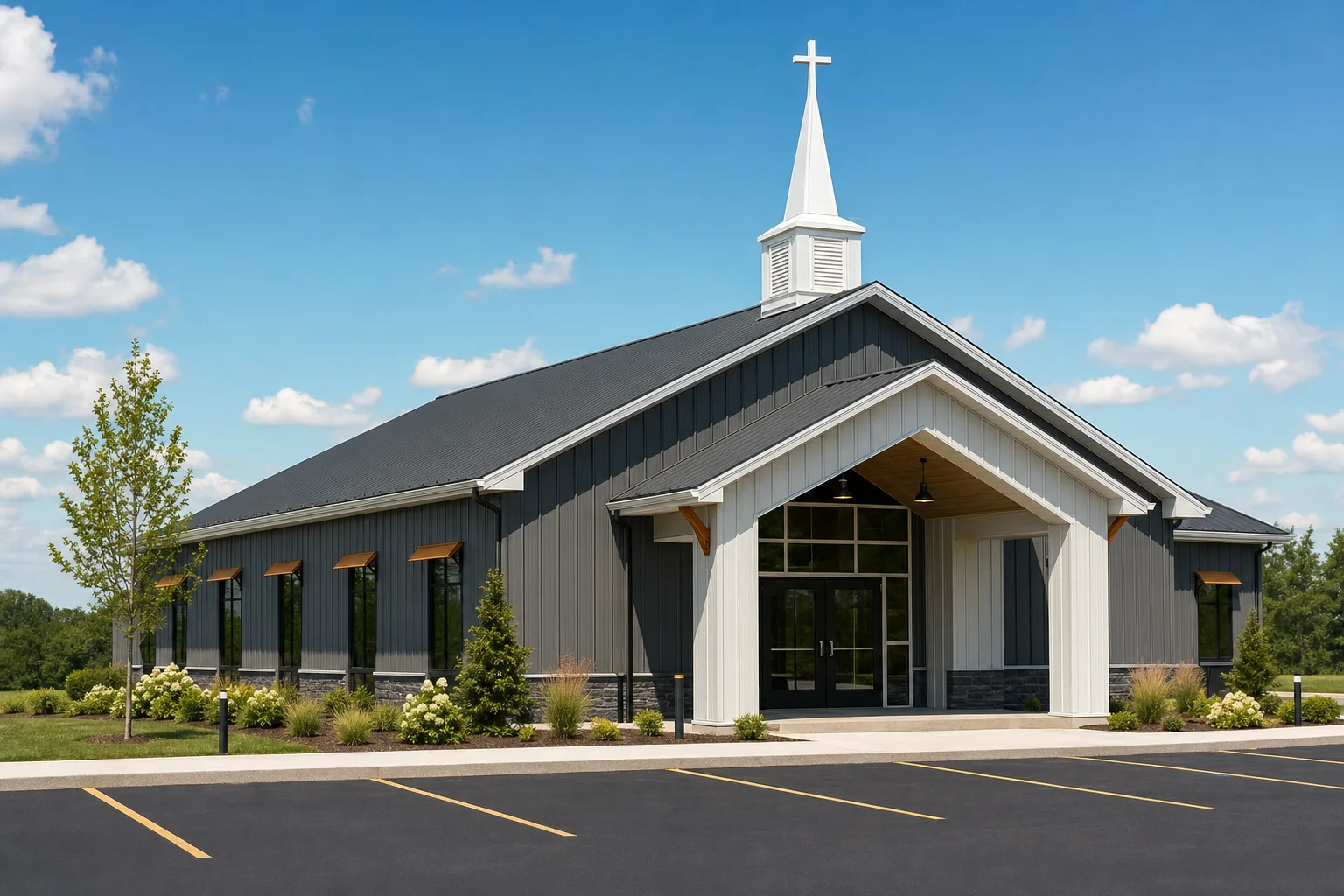
The best DIY metal building brands are the ones built to be raised by a homeowner: bolt-together kits that need no welding, no crane, and no specialty crew, shipped with clear drawings and pre-cut, pre-punched parts. There is no single winner, because a brand that ships a flawless DIY carport may be the wrong call for a wide-span shop. This independent guide gives you the way to judge any DIY brand against your own project, not a ranking we crown for you.
It sits under the metal building companies pillar, the hub for every brand review in our Companies and Reviews library. Below: what makes a brand genuinely DIY, the kinds of DIY brands you will run into, the criteria that separate a buildable kit from a frustrating one, and the checks that confirm a brand is worth your deposit. Every specific figure here is a placeholder to confirm with the supplier, because pricing and lead times shift by region and by year.
The honest answer
What makes a metal building brand DIY-friendly
DIY-friendly means you can erect the building yourself with common tools, ordinary help, and no trade license. The frame bolts together instead of welding, the parts arrive cut and punched to length, and the instructions read like a manual rather than a set of engineering notes. A brand that assumes a professional crew is not a DIY brand, no matter what the marketing says.
That distinction matters because the word “kit” gets stretched. Some kits are true bolt-up packages a couple of people can stand up over a weekend; others are heavy red-iron shells that still want equipment and experience. Our construction types pillar walks the bolt-up versus weld-up split, which is the single biggest line between a buildable kit and one you will end up hiring out.
So judge “DIY” by the assembly, not the label. A light-gauge or tube kit for a carport or small garage is DIY territory; a stamped commercial frame rarely is. Once you fix the building you need, the field of brands sorts itself, and our best metal building companies method shows how to rank the wider field the same way.
The field
The kinds of DIY metal building brands you will compare
Most brands that market to do-it-yourself buyers fall into four groups, and each group fits a different project. Knowing which group a name belongs to tells you most of what you need before you read a quote.
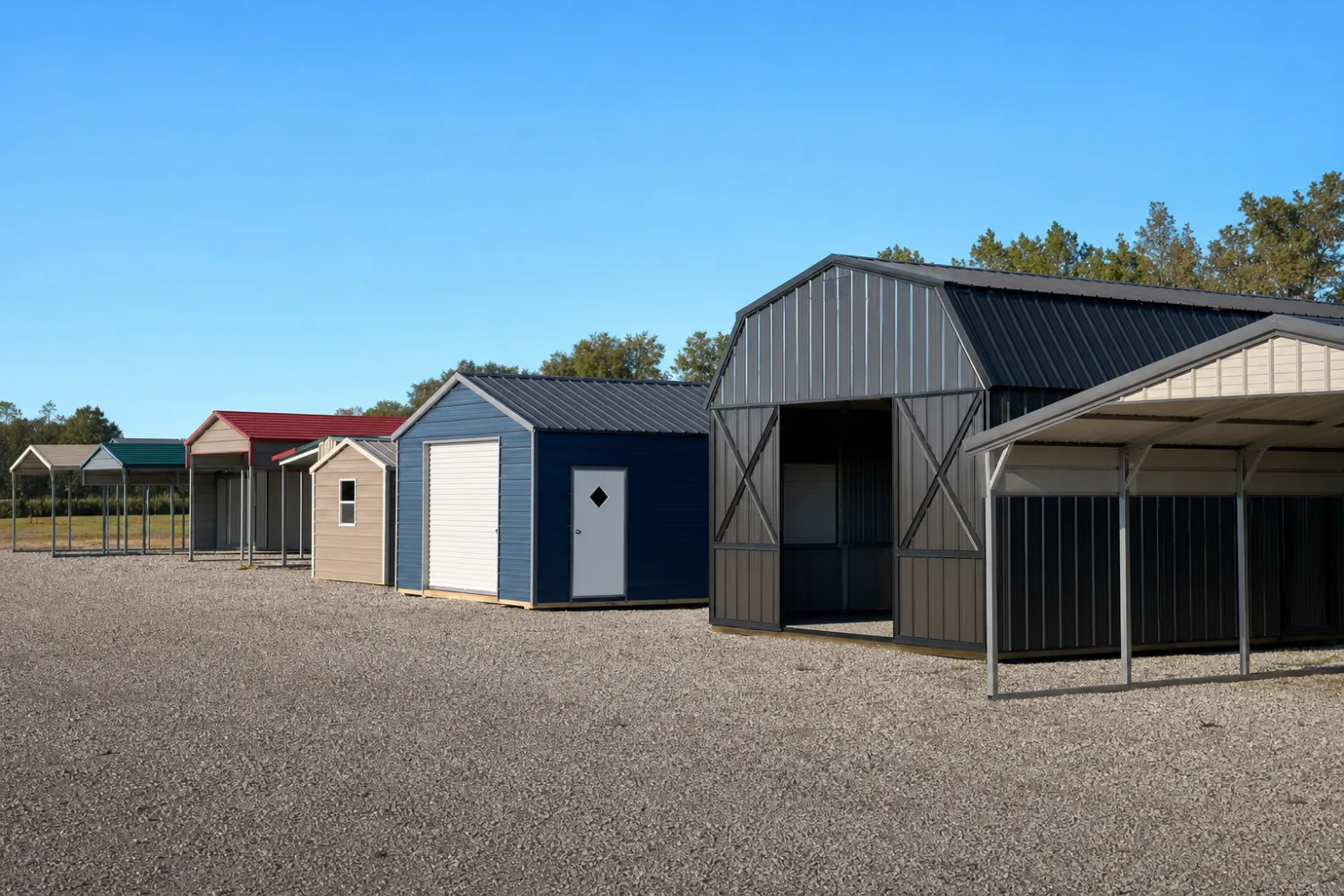
| Brand type | Known for | Best DIY fit |
|---|---|---|
| Tube and light-gauge kit brands | Bolt-together frames, pre-cut parts, low weight | Carports, covers, single and two-car garages |
| Arch and Quonset kit brands | Self-framing steel panels, no interior frame | Workshops, storage, simple round-roof shells |
| Engineered bolt-up manufacturers | Stamped red-iron kits with detailed drawings | Larger garages and shops, for confident DIYers |
| Big-box and catalog sellers | Online ordering, third-party fabrication | Standard small buildings, convenience buyers |
A field map, not a ranking. The same brand can rate high for a carport buyer and low for a shop builder.
The names you have seen split across these groups. Tube-kit sellers like the one in our VersaTube review aim squarely at bolt-together garages and carports; arch-panel kits show up in our SteelMaster review; and engineered bolt-up shells run through our Worldwide Steel review. Each review describes what that brand is generally known for and leaves the verdict to you.
Carport-style brands are their own lane
Many of the cheapest DIY-marketed buildings come from the boss and carport network covered in our carport-style brands review. These lean on installed pricing and light tube framing, so read whether the price assumes a crew or a true ship-it-yourself kit before you compare it to a bolt-up package.
How to judge
How to judge a DIY metal building brand (the criteria)
Score every DIY brand on the same lines and the field sorts itself. These are the criteria that decide whether a kit goes up in your yard, in rough order of how much they should move your decision.
- True bolt-up assembly. No welding, no crane, no specialty crew. Confirm the frame bolts together and that two or three people can handle the heaviest single part. This is the line that makes a kit DIY at all.
- Pre-cut, pre-punched parts. Members that arrive cut to length with bolt holes drilled save you the hardest, least forgiving work. A kit that expects you to measure and drill is a different project.
- Clear instructions and support. Look for a real assembly manual, labeled parts, and a phone number that answers. A buildable kit with no guidance still fails on a Saturday afternoon.
- Stamped engineering for your loads. Even a DIY kit needs drawings stamped for your local snow and wind loads to pass a permit. Treat a no here as disqualifying for anything enclosed.
- Itemized, written quote. Frame, panels, fasteners, trim, and anchors should be named, not bundled into one total. Our buying checklist lists the line items a quote should spell out.
- Lead time and delivery in writing. Ask for a build-and-ship window. In 2026, DIY kit lead times commonly run a few weeks to a couple of months ‹confirm› depending on size and season.
- Price, last. Compare price only after the lines above match. The cheapest kit on a thinner scope, or one that hides a crew in the price, is not the cheapest building.
Score each brand one to five on every line, weight the top three heavier, and add it up. The brand that wins your scorecard is your best DIY metal building brand, and the next buyer with a heavier project may rank a different name first. That is the point of scoring it against your build instead of a billboard.
Verify first
How to verify a DIY brand before you buy
Scoring narrows the field; verification confirms the winner is real. Before any deposit leaves your account, run these checks, because a slick website is not proof of a sound kit or a brand that will answer when a part is short.
- Confirm the legal business. Find the registered company name and address, not just a brand alias. A seller that hides its identity is one you cannot hold accountable.
- Ask for a sample stamped drawing. Confirm the engineer is licensed in your state and that the kit is engineered for your local loads, not a generic national average ‹confirm›.
- Read independent reviews for patterns. One bad review is noise; a repeated complaint about missing parts, vague instructions, or freight damage is a signal you can trust.
- Pin down what arrives, and how. Confirm the parts are pre-cut and punched, the heaviest piece you will lift, and whether delivery is curbside, since you may need to move a heavy pallet yourself.
- Watch for the known warning signs. Pressure to wire a large deposit, prices far below the field, and no written contract all appear in our red flags and scams guide.
Judge a DIY brand by the assembly manual and the itemized quote, not the rendering. A kit that will not show you how it bolts together has already told you how your weekend will go.
What buyers weigh
The DIY route: what buyers tend to weigh
No kit is right for every builder, so most buyers trade one strength for another. Here is a balanced view of what owners tend to weigh when they choose a DIY brand over an installed building, framed neutrally rather than as a verdict.
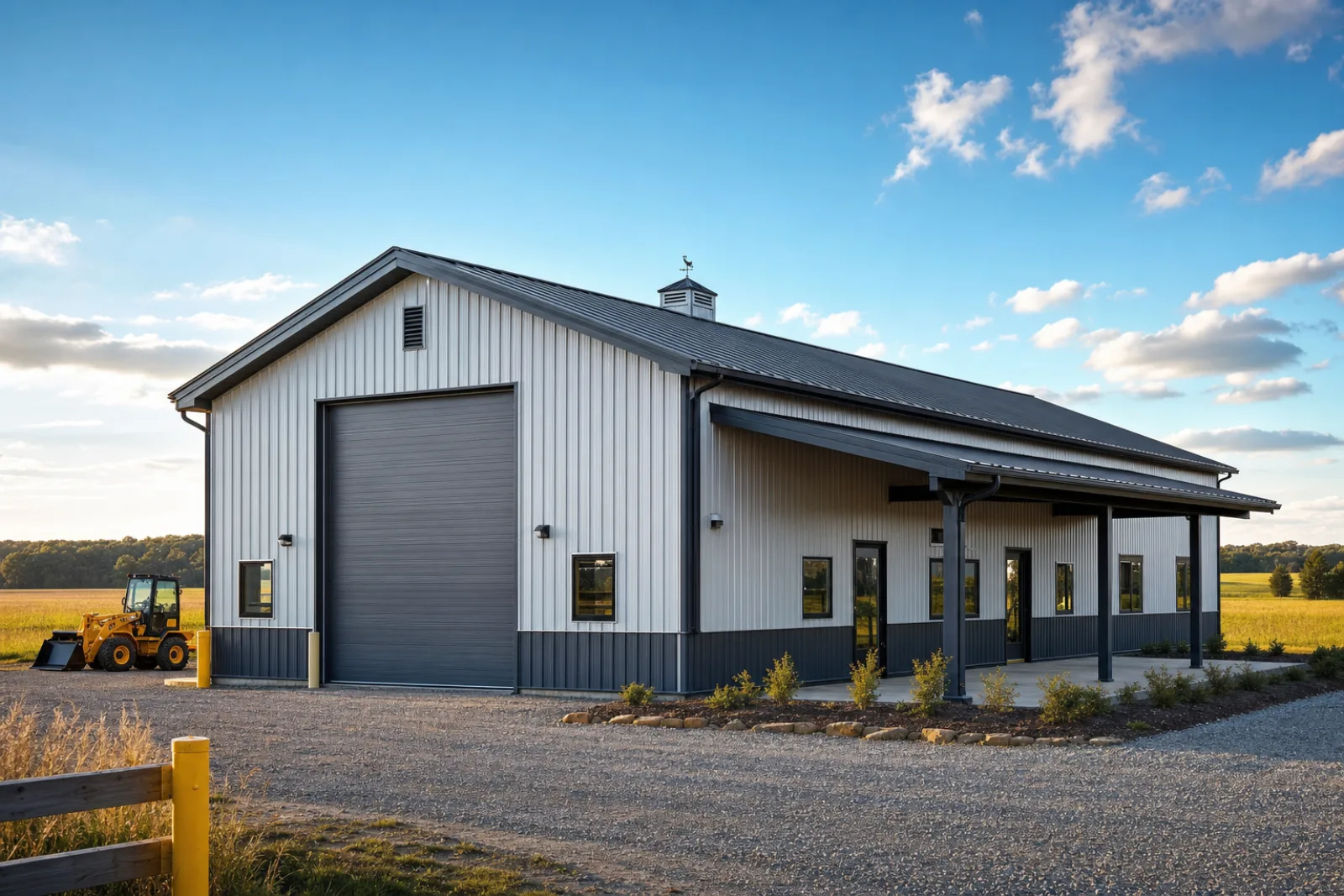
| What buyers tend to like | What buyers tend to weigh |
|---|---|
| Lower total cost when you supply the labor | Your time and care become the build’s quality control |
| Bolt-up frames raise with common tools | Heavier kits still want help and sometimes equipment |
| Pre-cut, pre-punched parts cut the hard work | A short or damaged part can stall the whole job ‹confirm› |
| You control the schedule and the finish | Permit, slab, and code work are usually on you |
| Strong fit for carports and small garages | Wide-span and commercial work outgrows most DIY kits |
A balanced view, not a rating. Weigh each line against your own project, your help, and your tolerance for the work.
None of this is a thumbs up or down on the DIY route. It is the lens we apply to every brand in the companies silo, so you can compare a DIY kit against an installed building on equal terms. If your project is a garage or a barndominium shell specifically, our best metal garage kit companies and best barndominium kit companies guides narrow the field further.
Cost context
What a DIY metal building kit tends to cost
We will not print a firm DIY kit price, because no honest one exists without your size, location, loads, and the day’s steel market. The appeal of the DIY route is that it strips out the install labor, which on many small buildings rivals the steel itself. What you save is real, but only if you can supply the time and the help the kit assumes.
As a 2026 illustrative frame, a light bolt-up carport or small garage kit often lands in the low tens of dollars per square foot before slab, freight, and anchors ‹confirm›, with insulation, doors, and heavier loads pushing it up. Those add-ons routinely move a total more than the brand on the order does. For the full method, price every line against our metal building kit prices pillar.
Then add what a kit price leaves out: the concrete slab, delivery freight to your site, and any equipment you rent to raise it. A right-sized kit you can build yourself beats an over-bought one that defeats you halfway, so match the spec and the assembly to your own skill first and shop the price second. When you are ready to weigh two brands side by side, our manufacturer comparison guide normalizes the quotes so you compare like with like.
FAQ
Best DIY metal building brands: common questions
What is the best DIY metal building brand?
There is no single best brand for everyone, because the right pick depends on your building and how much you do yourself. Score the field on true bolt-up assembly, pre-cut parts, clear instructions, stamped engineering, an itemized quote, lead time, and price, in that order, then choose the brand that scores highest for your specific project.
What makes a metal building kit truly DIY?
A true DIY kit bolts together with no welding and no crane, arrives with parts cut and punched to length, and ships with a clear assembly manual. If the heaviest part needs equipment or the frame has to be welded, it has crossed out of DIY territory. Our construction types pillar explains the bolt-up versus weld-up split.
Can one person build a metal building kit?
For the lightest tube carports, sometimes, but most kits assume two or three people for the frame and panels. Lifting wall sheets and standing trusses safely is a job for help, even on a small building. Confirm the heaviest single part before you assume you can handle a kit solo ‹confirm›.
Do DIY metal building kits need a permit?
Most enclosed buildings do, and a permit usually requires drawings stamped for your local snow and wind loads. Confirm the kit ships with engineering licensed in your state before you order. Our buying checklist covers the permit and verification steps in order.
Are DIY metal building kits cheaper than installed buildings?
Usually, because you supply the labor that an installed price builds in. The savings are real on small buildings where install rivals the steel cost, but only if you can provide the time and help the kit assumes. Price the slab, freight, and anchors into the total before you compare it to an installed quote.
What is the easiest type of metal building to build yourself?
Light tube and light-gauge kits for carports and small garages are the most DIY-friendly, since they bolt together and weigh little. Arch and Quonset kits are simple in concept but heavy to handle. Heavier engineered red-iron shells reward experience. See our metal garage kits pillar for the lighter end of the field.
How do I avoid a bad DIY kit brand?
Verify the legal business, ask for a sample stamped drawing, read independent reviews for repeated complaints about missing parts or instructions, and get the quote and scope in one signed document. Pressure to wire a deposit and a price far below the field are warning signs covered in our red flags and scams guide.
Related guides
Keep reading
Match a DIY brand to your project and verify before you commit. Follow these next:
- Metal building companies: the complete guide (the parent pillar).
- Best metal building companies in the US (rank the wider field).
- Best metal garage kit companies and best barndominium kit companies (project-specific short-lists).
- How to compare metal building manufacturers (normalize two quotes).
- Red flags and scams to avoid (warning signs before a deposit).
- Metal building buying checklist (verify every line before you sign).