A well-built metal building home holds its resale value much like a comparable conventional house, and on rural or acreage lots it can sell briskly because durable, open-plan steel homes are in demand there. The frame is rarely what moves the number. What an appraiser and the next buyer react to is the finish quality, the floor plan, the location, and whether there are similar homes nearby to value it against. In markets where steel homes and barndominiums are common, resale tends to track the local market. In a conventional subdivision with few comparable sales, an appraiser has thinner data, so the number leans harder on finish and presentation. Build it like a real house, finish it well, and a metal building home resale value lands in the same range as the houses around it.
This guide sits under the metal building homes pillar and answers the question buyers ask before they commit: will a steel home hold its value when you sell? Below you will find what truly drives the number, how appraisers and lenders treat a steel home, where these homes sell best, and the choices during the build that protect resale later. If someone warns you that a metal home will not hold value, this is the context that lets you separate the real risks from the myths.
The short answer
Do metal building homes hold their value?
Yes, a finished steel home generally holds its value when it is built and finished to residential standards. Resale value follows the same forces that move any house: location, square footage, finish level, condition, and the pool of comparable sales an appraiser can lean on. A steel frame does not drag the number down on its own. In fact the durability story helps, because a non-combustible structure that will not rot or feed termites reads as low-maintenance to a buyer. The steel home versus a traditional house comparison covers how the two stack up across the whole build, not just resale.
The honest caveat is data, not steel. Where barndominiums and metal homes are common, often rural land and acreage, buyers know the form and appraisers have nearby sales to value it against, so resale tracks the local market. Where a steel home is the first of its kind in a conventional neighborhood, the appraiser works with fewer comparable sales and the result can swing on their judgment. None of that is a flaw in the building. It is a reminder that a metal building home resale value depends on the market it sits in as much as the home itself.
The other half is finish. A steel shell that has been built out with a real kitchen, quality baths, good flooring, and a thoughtful floor plan presents like any well-finished home and appraises like one. A shell that was finished on the cheap, or left part-finished, reads that way to a buyer and an appraiser alike. The frame is neutral; the finish is what the next owner pays for. Budget the interior honestly from the start and resale takes care of itself.
The drivers
What drives the resale value of a metal building home
Five things move the number, and only one of them is unique to steel. Get these right during the build and the home resells in line with its market; get them wrong and no frame, steel or wood, will rescue the price.
- Location and lot. The single biggest lever, same as any house. A steel home on desirable land in an area where barndominiums sell well has a deep buyer pool; the same home on a hard-to-finance lot does not.
- Finish quality. Kitchens, baths, flooring, and trim carry most of the perceived value. A well-finished interior reads as a home; a bare or budget finish reads as a shell someone stopped short on.
- Floor plan. An open, livable layout that uses the clear span well sells better than an awkward one. The open floor is a steel strength, so a good layout turns it into a selling point.
- Comparable sales. Appraisers value against nearby homes that sold recently. More steel homes or barndominiums nearby means firmer, easier appraisals.
- Condition and maintenance. A dry, well-ventilated, well-kept home holds value; visible moisture or condensation problems scare buyers off fast, steel or not.
Notice that four of the five are true of any home on the market. The steel frame mostly helps the condition line, because it will not rot, warp, or feed termites, so a steel home that has been kept dry shows fewer structural worries than an older wood-framed house of the same age. For the money side of getting to a sellable finish in the first place, the cost to build from a kit guide breaks down where the budget goes.
Steel vs wood at resale
How resale compares to a traditional house
At resale a steel home and a comparable wood-framed house behave more alike than different, with a few lines where each has an edge. Read the table as tendencies, not guarantees, because your local market and your appraiser decide the actual number.
| Factor | Metal building home | Traditional house |
|---|---|---|
| Structural durability | Non-combustible, no rot or termites | Solid when maintained, more upkeep |
| Maintenance signal to buyers | Low-maintenance shell reads well | Familiar, but paint and pest upkeep expected |
| Comparable sales | Deep in barndominium areas, thin elsewhere ‹confirm› | Deep pool almost everywhere |
| Appraisal certainty | Firm where common, judgment-led where new | Well-understood by most appraisers |
| Buyer pool | Strong on rural and acreage lots | Broad across conventional neighborhoods |
| Financing for your buyer | Can need a construction or specialty loan ‹confirm› | Standard mortgage, easy to underwrite |
| Open-plan appeal | Wide clear span is a selling point | Open plans cost extra to frame |
| Best resale market | Land, acreage, barndominium-friendly regions | Suburban and urban neighborhoods |
A resale comparison, not a verdict. A steel home holds value well in the right market and finish; a thin pool of comparable sales is the main thing that can soften its appraisal.
The frame almost never sets the resale price. Finish, location, and the pool of comparable sales do. Build a steel home like a real house in a market that knows the form, and it resells like one.
Appraisal
How appraisers and lenders value a metal home
Appraisers value a metal building home the same way they value any home, by finding recent sales of similar properties and adjusting for differences. The method is not special; the challenge is the inputs. Where steel homes are common, the appraiser pulls nearby barndominium and metal-home sales and the number is firm. Where the home is a first in a conventional area, the appraiser may reach for wood-framed comparables and adjust, which introduces judgment and can move the result either way. The financing guide covers how this plays into the loan.
This matters at resale because your buyer usually needs a loan, and that loan needs an appraisal that supports the price. If the appraisal comes in low for lack of comparable sales, the deal can stall even when a willing buyer is at the table. You cannot control the comparable pool, but you can help the appraiser by keeping records: the engineered drawings, the permits, the finish specs, and any energy or insurance advantages. Speaking of which, a non-combustible structure can sometimes earn a lower insurance premium, which the insurance guide explains, and a buyer factors that running cost into what they will pay.
Help the next appraisal before you ever list
The buyer who appraises your home best is the one with the most data. Keep a tidy file from day one: stamped engineering, permits and inspections, the interior finish schedule, energy details, and the as-built floor plan. Hand that to the appraiser and the agent and you turn an unfamiliar building into a documented, conventional-looking home. The cost guide is a useful reference for showing what the build would cost to replace, which supports the value.
Protect the value
How to protect and improve resale value
Most of what protects resale happens during the build, not when you list. The choices below cost little extra at the time and pay back when you sell, because they move the levers an appraiser and a buyer truly weigh.
- Finish it like a home, not a shed. A full residential interior, real kitchen and baths, and quality flooring do more for resale than anything structural.
- Control moisture from the start. Proper insulation and ventilation keep the steel dry and the home healthy; a home with no condensation history reassures buyers.
- Use the clear span well. An open, flexible floor plan is a steel strength; a cramped one wastes the home’s best feature.
- Keep the paperwork. Engineering, permits, inspections, and finish specs make the home easy to appraise and finance for your buyer.
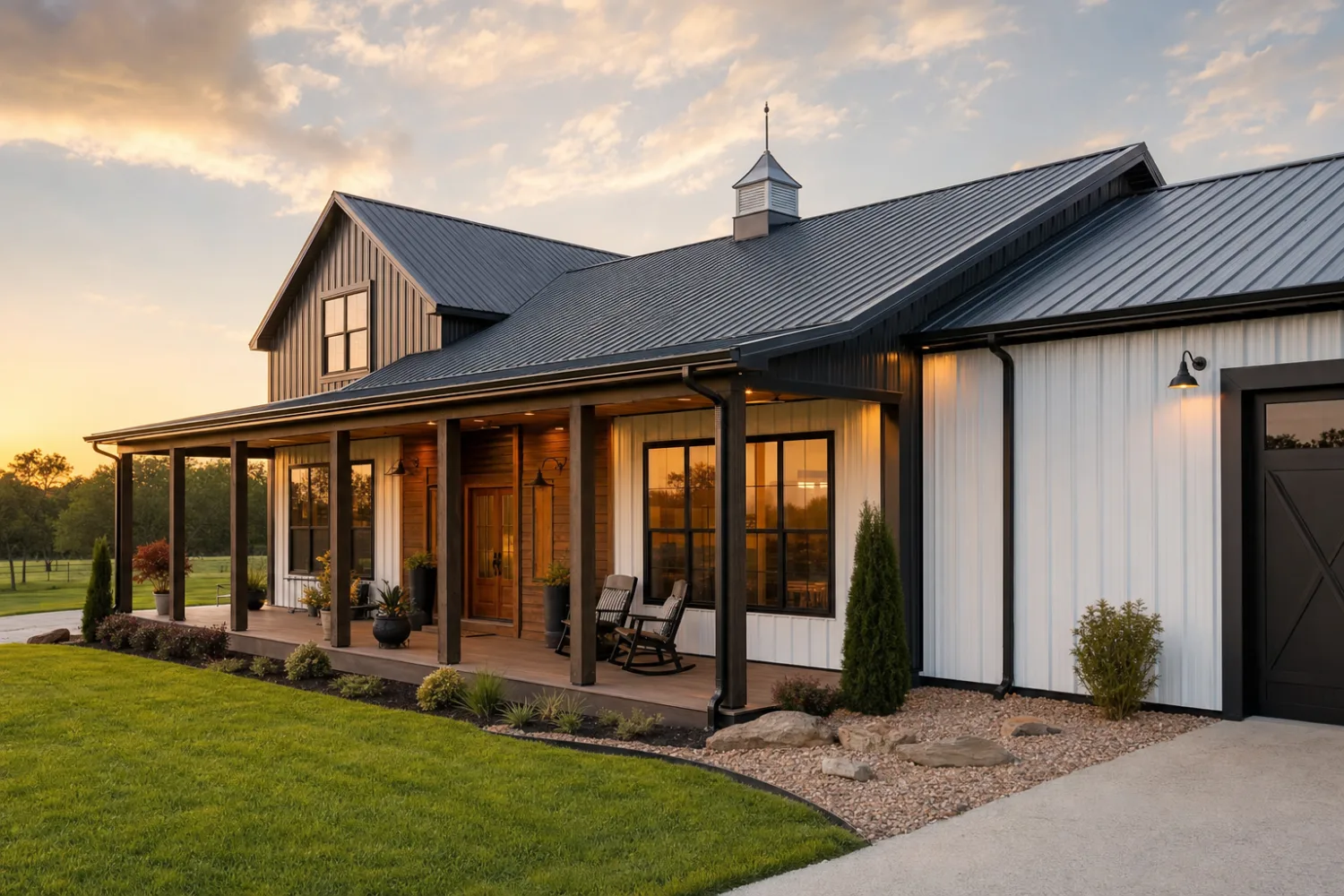
- Give the exterior curb appeal. Trim, wainscot, a porch, and residential windows let a steel home read as a house from the street, widening the buyer pool.
None of these are exotic. They are the same moves that protect resale on any house, applied to a steel shell. The one steel-specific item is moisture control, because a home that has battled condensation reads as a problem regardless of how it is framed. Get the envelope right and the long-run ownership cost stays low, which is part of the resale story you tell the next buyer. The pros and cons guide lays out the full case both ways.
Where it sells
Where metal building homes sell best
Resale is easiest where the form is familiar and the lending is friendly. A steel home that would sit unsold in a tract subdivision can draw multiple offers on the right rural parcel, because the buyer pool and the comparable sales line up. Knowing your market before you build tells you how much the resale question should weigh on your plans.
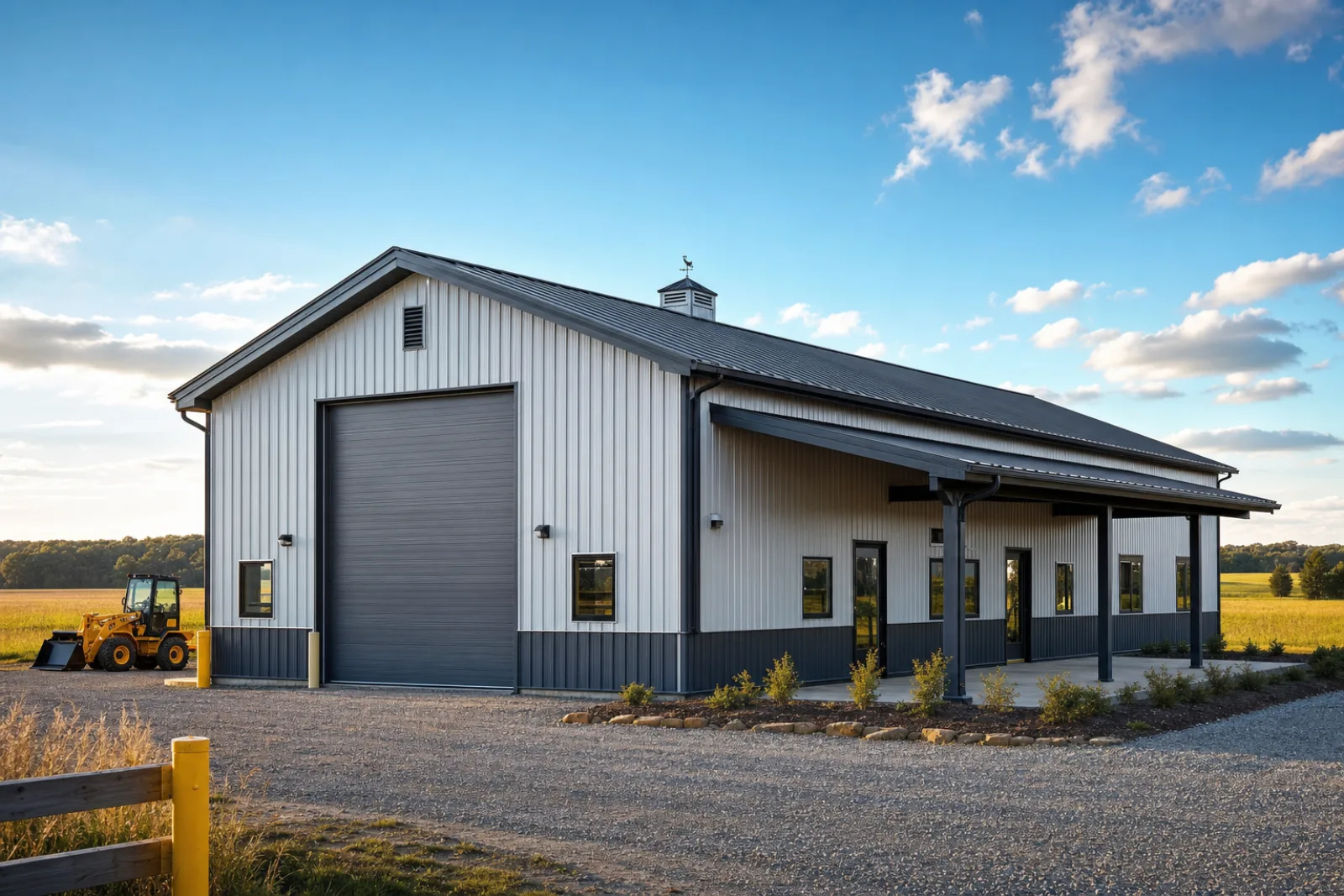
The strongest resale markets are land and acreage areas where barndominiums are an established style. There, buyers come looking for exactly this: a durable, open, low-maintenance home with room for a shop or a living-quarters layout. Appraisers in those areas have a stack of comparable sales, financing is more routine, and a well-finished steel home competes head to head with conventional houses. Rural and semi-rural regions across much of the country fit this pattern.
The trickier markets are dense, conventional neighborhoods where a steel home is a novelty. The home can still sell well, but the buyer pool is narrower and the appraisal leans on judgment. If you are building in that kind of area, lean harder on finish, curb appeal, and a conventional exterior so the home reads as a house, and line up a lender and appraiser who have handled steel before. Cross-silo, if you are weighing builders and suppliers for the shell, the metal building companies pillar is the place to start, since a clean engineered package supports value later.
FAQ
Metal building home resale value: common questions
Do metal building homes hold their value?
Generally yes, when they are finished to residential standards and sit in a market that knows the form. Resale follows the same forces as any house: location, finish quality, floor plan, condition, and comparable sales. The steel frame does not drag value down; if anything, a non-combustible, rot-proof structure reads as low-maintenance to buyers. The main variable is the pool of comparable sales an appraiser can use, which is deep in barndominium areas and thinner in conventional neighborhoods.
Are metal homes harder to sell than traditional houses?
It depends entirely on the market. On rural and acreage lots where barndominiums are common, a well-finished steel home can sell as fast as any house, sometimes faster, because buyers come looking for the style. In a dense conventional subdivision where a steel home is a novelty, the buyer pool is narrower and it can take longer. Finish quality and curb appeal close most of that gap by letting the home read as a conventional house.
Will an appraiser value a metal building home fairly?
An appraiser uses the same method as for any home: recent sales of similar properties, adjusted for differences. The result is firm where steel homes and barndominiums are common and there are nearby sales to compare. Where the home is one of the first in an area, the appraiser may use wood-framed comparables and adjust, which adds judgment. Keeping the engineering, permits, and finish records on hand helps the appraiser value it accurately.
Does a metal frame lower resale value?
No, the frame itself is close to neutral and can even help. Steel will not rot, warp, or feed termites, so a steel home that has been kept dry shows fewer structural worries than an older wood house of the same age, which buyers notice. What can soften resale is a thin pool of comparable sales or a cheap, unfinished interior, neither of which is caused by the steel. Finish the home well and the frame is an asset, not a liability.
What hurts the resale value of a metal building home most?
A budget or unfinished interior and a history of moisture problems do the most damage. A shell that was never finished out like a real home reads as a project to buyers, and visible condensation or rust signals scare them off. A poor location or a market with no comparable sales also weighs on the number. None of these are inherent to steel; they are build and market choices you can control.
Can I improve the resale value of my metal home before selling?
Yes. The highest-return moves are a quality residential finish, a clean and well-ventilated interior with no moisture issues, an open and livable floor plan, and exterior curb appeal like trim, a porch, and residential windows. Keeping the engineering, permits, and finish records makes the home easy to appraise and finance for your buyer. These are the same upgrades that lift resale on any house, applied to the steel shell.
Are metal homes a good long-term investment?
They can be, especially in regions where the durability and low maintenance pay off and where barndominiums hold a steady buyer base. A non-combustible, rot-resistant home costs less to own over the decades, which supports the resale story, and a sometimes lower insurance premium adds to that ‹confirm›. The investment case is strongest when you finish the home well, build in a steel-friendly market, and treat it as a real house rather than a shell you stopped short on.
Related guides
Keep reading
Resale ties into financing, durability, and how the home compares to a conventional build. Follow these next:
- Metal building homes: the complete guide (the parent pillar).
- Metal building homes vs traditional houses (how the two compare across the whole build).
- Financing a barndominium or metal home (the loan that your buyer will need too).
- Insurance considerations for metal homes (the running cost a buyer factors in).
- Barndominium pros and cons (both sides of the steel-home case).
- Cost to build a barndominium from a kit (where the finish budget goes).
- Metal building cost guide (the replacement-cost reference that supports value).