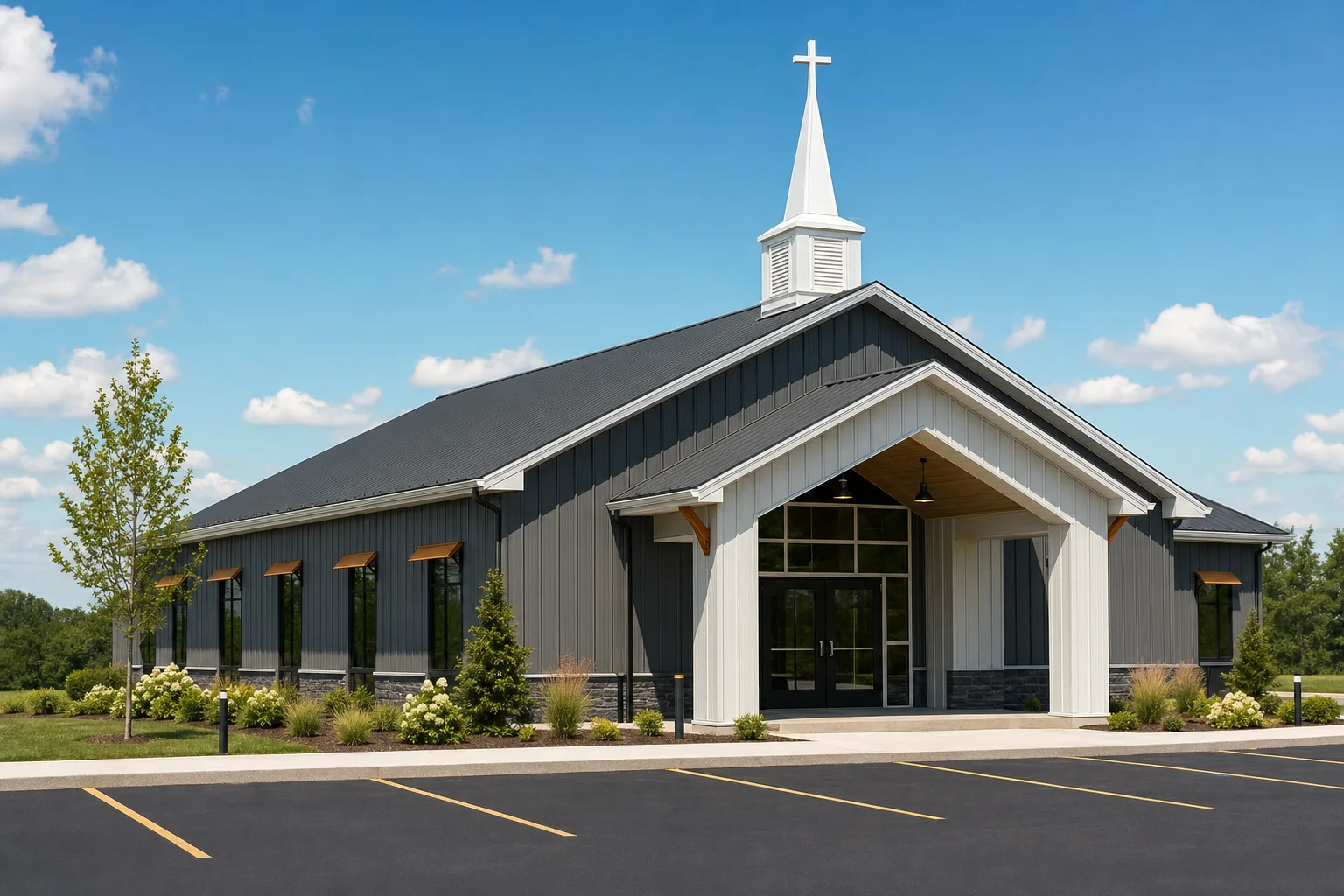
A cheap metal building kit is a steel shell priced at the low end of the market, often $1,500 to $20,000 ‹confirm› for a carport, small garage, or workshop as an illustrative 2026 range. The price drops when the building is small, the frame is light tube steel rather than red iron, the panels are a thinner gauge, and the design stays open or single-slope. Cheap does not have to mean flimsy. It means matching a smaller, lighter, well-specified building to a real budget instead of buying the thinnest steel on the page.
This guide sits under the Metal Building Kit Prices pillar and takes the affordability angle: what counts as cheap, which buildings sit at the low end, what pushes a kit down in price, and where a low number is a smart buy versus where it is a trap. Every dollar figure here is a dated 2026 illustrative range you should verify against a live quote, since steel pricing moves month to month.
The low end
What makes a metal building kit cheap or affordable
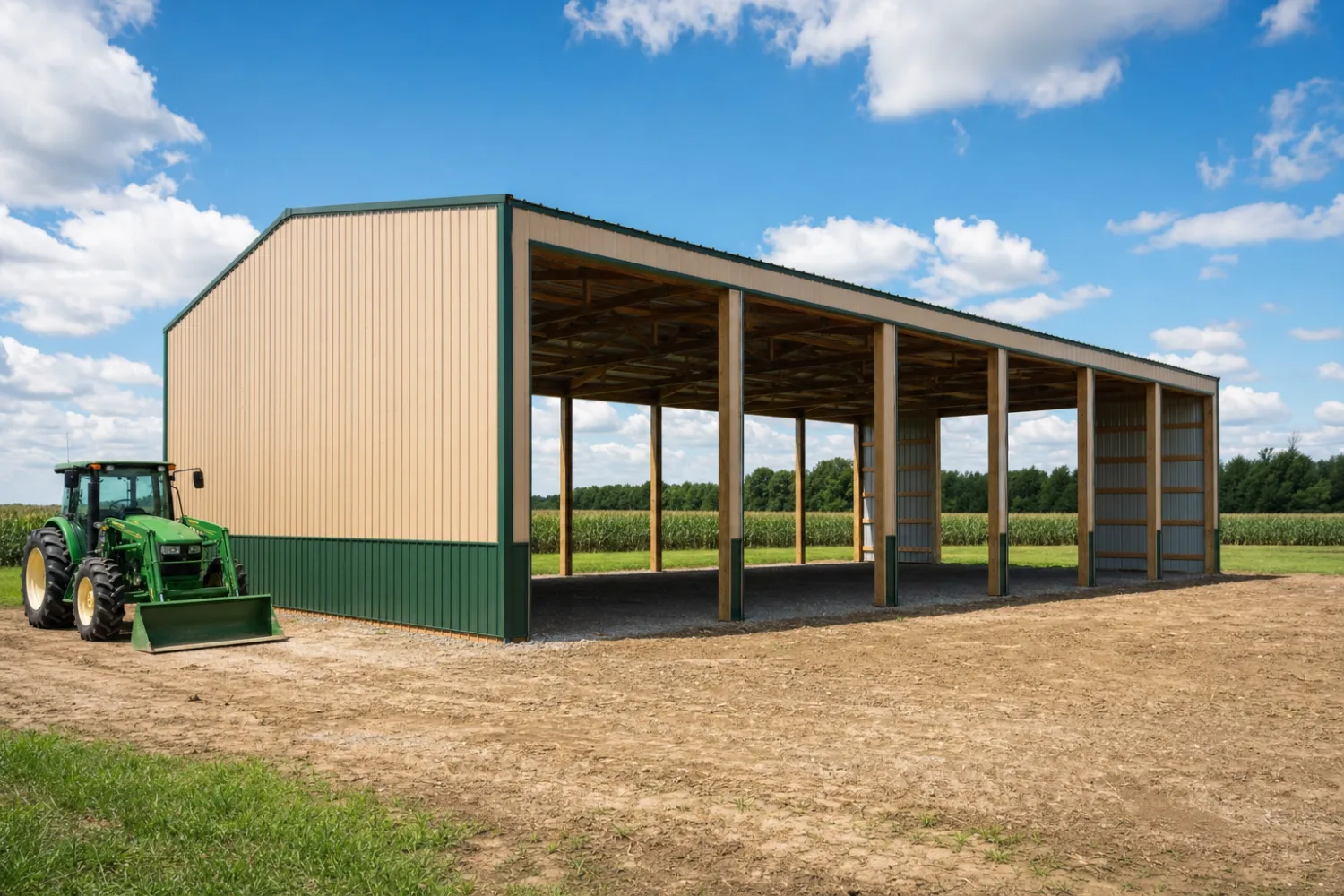
A kit is cheap when it carries the least steel for the job and skips the extras you can add later. The shell price tracks the weight of the frame and panels first, so the buildings that sit at the low end are the small, light, open ones: carports, RV covers, single-car garages, and modest workshops. Those are the footprints where an affordable kit is honest steel for a low number, not a corner cut.
The table below shows where the cheapest kits land. These are shell-only, illustrative 2026 ranges, and the low end of each is a light tube frame on a small footprint, while the top end adds size, a heavier gauge, or an enclosed wall. None of these numbers include the slab, the permit, or delivery, which sit on top of every kit no matter how cheap the steel.
| Building | Typical size | Cheap shell range (2026, illustrative) |
|---|---|---|
| Carport / RV cover | 12×21 | $1,500–$4,500 ‹confirm› |
| Single-car garage | 12×20 | $4k–$8k ‹confirm› |
| Small workshop | 20×30 | $7k–$13k ‹confirm› |
| Two-car garage or shop | 24×30 | $9k–$16k ‹confirm› |
Shell only, illustrative for 2026. Slab, permit, doors, and delivery are separate on every kit. Confirm against a live quote.
Read those ranges as a floor, not a promise. The cheapest honest kit for your use is the smallest one that still meets your span and your local loads. For the full price picture across every footprint, see our how much a metal building kit costs breakdown and the prices by size chart.
Why it is cheaper
Why some metal building kits cost so much less
A kit is cheap because of what it is made of and how big it is, not because the supplier is doing you a favor. Steel is sold by the pound, so every choice that removes weight removes cost. Five levers explain most of the gap between a budget kit and a premium one:
- Footprint. A smaller building uses less steel and less engineering, so size is the first and biggest lever. A 12 by 20 garage will always undercut a 30 by 40 shop.
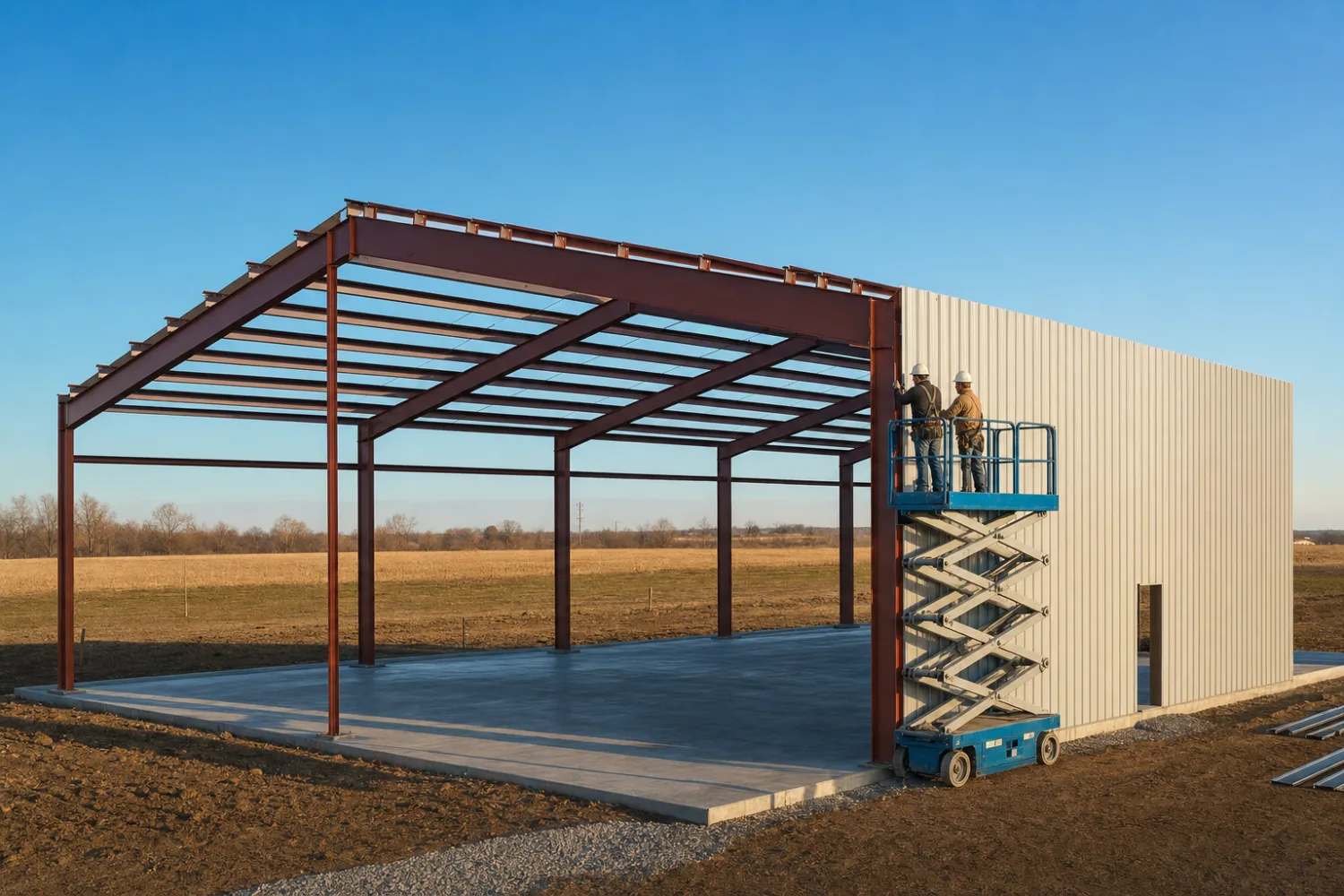
- Frame type. Light tube steel costs less than a red iron I-beam frame, which is why carports and small garages come in cheap. Tube carries less span and load, so the saving fits light buildings. For the framing difference, see the construction types pillar.
- Panel gauge. A thinner 29-gauge panel costs less than a heavier 26-gauge, and on a mild-climate, low-load building that can be a fair trade. In snow or wind country it is not.
- Roof style. A single-slope or open design uses less steel than a wide gable with a tall eave, so the simpler shape lands cheaper.
- Openings and finish. Every door, window, and insulated wall adds steel and parts. An open or bare-shell kit strips those out and drops the number.
You control most of these levers. You cannot move the steel market, but you can right-size the footprint, match the frame and gauge to the real loads, and keep the design simple. For the full treatment of every price driver, premium and budget alike, read our what drives metal building prices guide.
Smart or trap
When a cheap metal building kit is smart and when it is a trap
Cheap is smart when the building is right-sized and fully specified, and a trap when the low number hides something the building needs. The difference is readable on the spec sheet, not the price tag. The table below splits the two so you can tell a good deal from a bad one before you sign.
| Cheap done right | Cheap as a trap |
|---|---|
| Small footprint sized to your real use | A building too small to fit what you store |
| Light frame and gauge matched to mild loads | Thin gauge in snow or wind country it cannot hold |
| Stamped engineered drawings included | No engineered drawings, no inspection-ready plan |
| Complete parts and fastener list | Missing trim, fasteners, or anchor pattern |
| DIY assembly to skip labor | A price that omits delivery you must still pay |
The left column is a fair budget kit. The right column is a low sticker that costs more once the gaps surface.
A cheap kit is only a saving if the spec sheet is complete. The lowest number on the page is often the one that left the most off it.
Cheap steel still needs a slab
The biggest budget mistake is treating the kit price as the finished cost. A $6,000 garage shell still needs a foundation, an anchor pattern, and often a permit, and those lines do not shrink because the steel was cheap. Price the slab and the paperwork alongside the kit. Our hidden costs guide walks every line a low sticker tends to hide.
Where to look
Where to find the cheapest metal building kits
The lowest honest price comes from buying smart, not from the thinnest steel. A few routes cut real money, and some cost you nothing but patience and a little legwork. Each one below has its own guide, so follow the link when a path fits your budget:
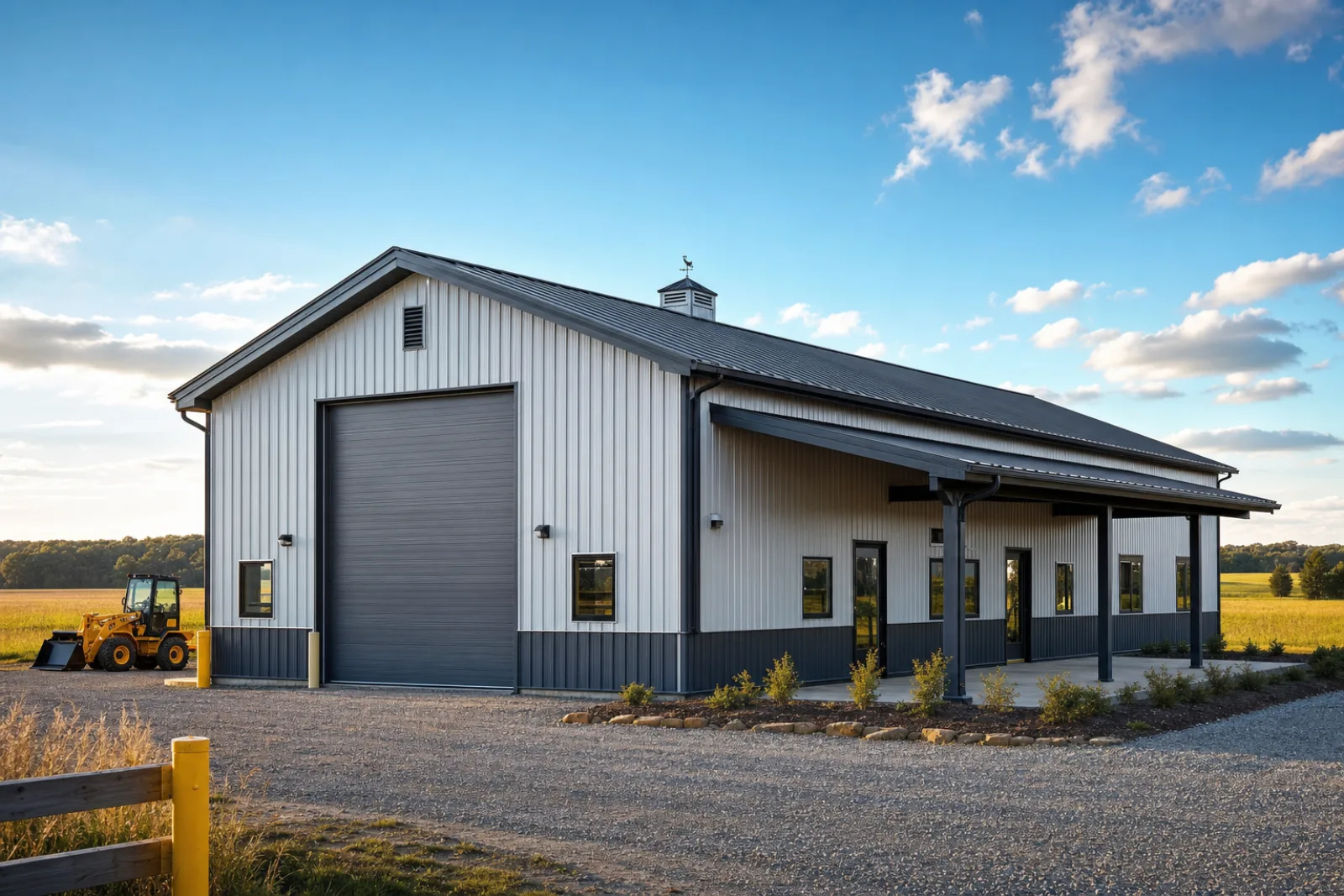
- Compare three quotes line by line. Match the gauge, frame, eave, and door package, then compare totals. This is the single biggest saver and it is free. See how to save money on a kit.
- Look at used kits. A relocated or surplus building can cut the shell cost hard if the parts list and condition hold up. Weigh the tradeoffs in our used metal building kits guide.
- Watch clearance and discount stock. Cancelled orders and overstock sell below list, and a clearance or discount kit can be a sound buy when the spec matches your loads.
- Buy closer to the source. A wholesale kit trims the markup if you can handle the order yourself, with no dealer in the middle.
- Spread the cost instead of cutting the building. If cash is the only limit, a structured loan or a no-money-down payment plan can beat buying too little steel. Compare the rate, not the monthly figure.
Whichever route you take, run the numbers the same way: shell price, plus the slab, permit, and delivery you cannot skip. The financing guide covers paying over time, and the cost guide gives you a worksheet to compare any two deals on equal terms.
The floor
What an affordable kit still has to include
Below a certain spec, a cheap kit stops being a building and starts being a liability. Price is the wrong place to economize on the parts that keep the structure standing and the inspector satisfied. No matter how low the number, an affordable kit you can trust still includes the items below:
- Stamped engineered drawings. A plan set stamped for your site is what gets the building permitted and inspected. A kit sold without one is not a saving, it is a gamble.
- A gauge matched to your loads. The frame and panels have to hold your local snow and wind. Thin steel under a heavy load is the one place cheap turns dangerous.
- A complete parts and fastener list. Missing trim, closures, or fasteners turn a low sticker into a string of hardware-store trips that erase the saving.
- An anchor pattern and a real warranty. You need the bolt layout to tie the building to its slab, and a written warranty that the panels and frame stand behind.
Treat those four as non-negotiable and the affordability question gets simple: buy the smallest, lightest building that still meets your use and your loads, fully specified, and you have a genuinely cheap kit rather than a costly one in disguise. Before you commit, run the cost guide worksheet so no line slips through.
FAQ
Common questions about cheap metal building kits
What is the cheapest metal building kit?
A carport or RV cover is the cheapest, often $1,500 to $4,500 ‹confirm› for a small light-frame shell as an illustrative 2026 range. A single-car garage follows at roughly $4k to $8k ‹confirm›. The price climbs as you add size, a heavier gauge, enclosed walls, and doors. Confirm any figure against a live quote, since steel pricing moves through the year.
Are cheap metal building kits any good?
They can be, when the low price comes from a small footprint, a light frame, and a simple design rather than from missing parts or no engineering. A cheap kit with stamped drawings, a gauge matched to your loads, and a complete parts list is a sound buy. A cheap kit missing any of those is a trap, not a bargain.
How cheap can a metal building kit be?
As an illustrative 2026 range, a small carport shell can start near $1,500 ‹confirm› and a single-car garage near $4k ‹confirm›, shell only. Below those numbers you are usually looking at a partial kit or a used building. Remember the slab, permit, and delivery sit on top of any kit. See our full cost breakdown.
Why are some metal building kits so cheap?
Because they carry less steel: a smaller footprint, a light tube frame instead of red iron, a thinner panel gauge, a single-slope roof, and fewer openings. Each choice removes weight, and steel is sold by the pound. Our what drives prices guide walks every lever in full.
How do I get a metal building kit for cheap?
Compare three quotes line by line, right-size the footprint, do your own assembly, and look at used, clearance, or wholesale stock. Order when the steel market softens if you can wait. Each route has its own guide; start with how to save money on a kit.
Is a cheap metal building kit worth it?
Yes, if it is the right building for your use and fully specified. A right-sized, well-engineered budget kit on a proper slab beats an oversized bargain on a thin one, and it holds its value to the next owner. Weigh the install choice in our DIY vs installed comparison before you decide.
Does a cheap kit still need a foundation and permit?
Yes. The slab, anchor pattern, and permit do not shrink because the steel was cheap, and skipping them is a costly mistake. Budget those lines alongside the kit. See our hidden costs guide for the full list.
Related guides
Keep reading
Affordability connects to the rest of the money question. Follow these next:
- Metal building kit prices (the parent pillar, every cost guide in one place).
- How much do metal building kits cost (the full price breakdown).
- How to save money on a metal building kit (the tactics that cut the bill).
- Used metal building kits (buying a relocated or surplus shell).
- Clearance & discount kits (cancelled orders and overstock).
- Wholesale metal building kits (buying closer to the source).
- Metal building cost guide (the reference worksheet to compare any two deals).