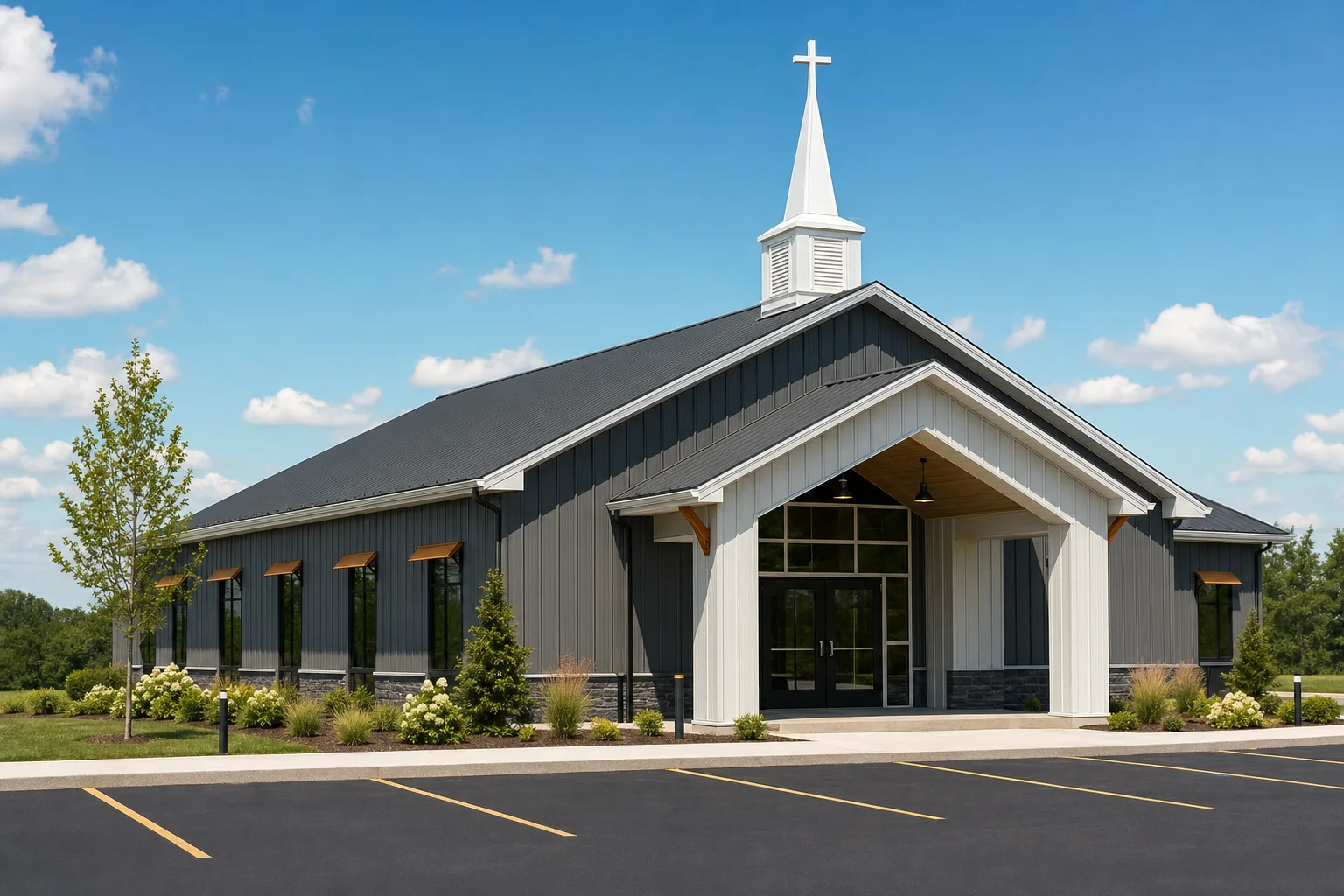
A used metal building kit is a second-hand steel building, either a cancelled or repossessed order that was never erected, or a standing building that has been taken down to be moved and re-raised. It can cut the steel cost by a meaningful margin, but the saving is only real when the parts are complete, the frame is sound, and the engineering matches your site. A used kit with missing pieces or no stamped drawings is not a bargain. It is a problem you pay to inherit.
This guide sits under our Metal Building Kit Prices pillar. Below: what counts as a used kit, how to vet one before you buy, where to find them, what they save, and when a used building is the wrong call. Treat every dollar figure here as a dated 2026 illustrative range to confirm against the building in front of you, because no two used kits carry the same history.
What used means
What a used metal building kit means
Used covers a few different buildings, and the differences matter more than the word does. Some used kits have never been bolted together; others have stood for years before coming apart. Knowing which kind you are looking at tells you what to inspect and what to discount. These are the four you will meet most:
- Cancelled or repossessed orders. A kit that was engineered and shipped, then never erected because the buyer backed out or defaulted. The steel is new, but it was stamped for someone else’s site and loads.
- Takedown or relocated buildings. A building that stood on one lot, was dismantled, and is sold to be re-raised elsewhere. The steel has weathered and the bolt holes are drilled, so condition is everything.
- Surplus from a finished job. Leftover frames and panels from a larger project, often a partial building rather than a complete kit. You may need to source missing members.
- Damaged or salvage stock. Steel with bent members, storm damage, or corrosion, sold cheap as-is. This is salvage, not a turnkey kit, and it suits a buyer who can fabricate.
Used is not the same as new clearance or overstock. A clearance or discount kit is brand-new steel a supplier wants off the lot, with full drawings and a warranty. A used kit trades that paperwork and protection for a lower number. If you want the saving without the second-hand risk, clearance is the safer first stop. If you want the lowest possible steel cost and can do your own due diligence, a used kit can go lower still.
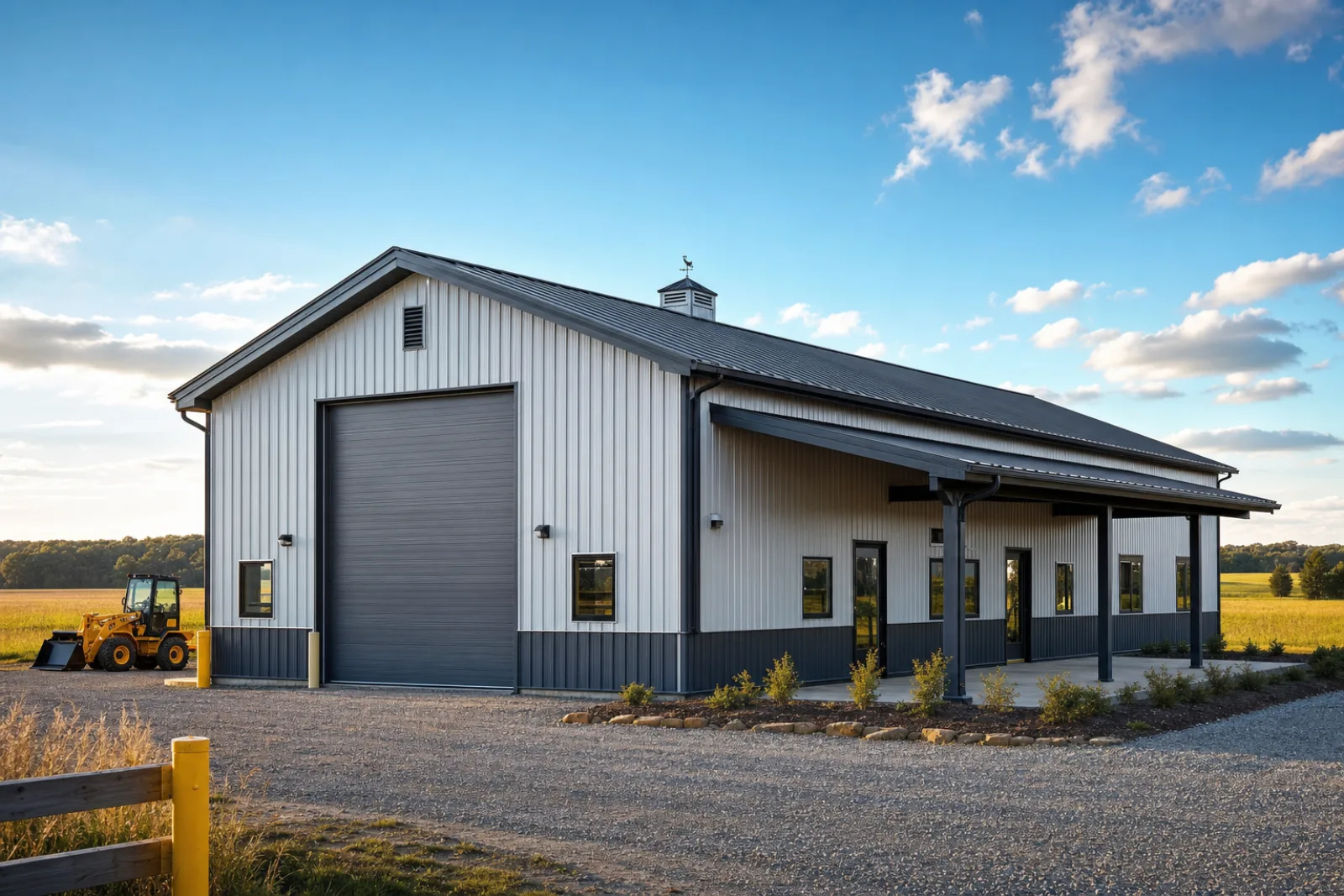
Due diligence
What to check before you buy a used kit
A used kit is only worth its price if it is complete, sound, and legal to put up where you live. Walk every line below before money changes hands, because each one is a cost or a deal-breaker hiding in plain sight. The steel may look fine and still fail you on the parts list or the paperwork.
| What to check | Why it matters | What good looks like |
|---|---|---|
| Stamped drawings | Permits and inspections need engineered plans for your site | A complete, legible drawing set you can re-stamp |
| Parts completeness | A missing rafter or anchor kit can cost more than you saved | An itemized list you can count against the steel |
| Frame condition | Bent, cracked, or heavily rusted members lose capacity | Straight steel, surface rust only, sound welds |
| Load rating | A building stamped elsewhere may not meet your snow and wind | Loads that match or exceed your local code |
| Panel and trim | Weathered panels and odd trim add replacement cost | Panels in good shape, matching profile and gauge |
| Bolt holes & fit | Takedown steel is pre-drilled for the original layout | Holes that match the drawings, no field surprises |
A pre-purchase checklist for a used kit, illustrative. Confirm each line against the actual steel and paperwork, not the listing.
The stamped drawings are the whole game
Without an engineered, stamped drawing set, a used kit can fail to get a permit no matter how good the steel is. Re-stamping for a new site costs money and is not always possible, so confirm the drawings exist and match before you buy. The hidden costs guide covers the permit and engineering lines a used kit does not erase.
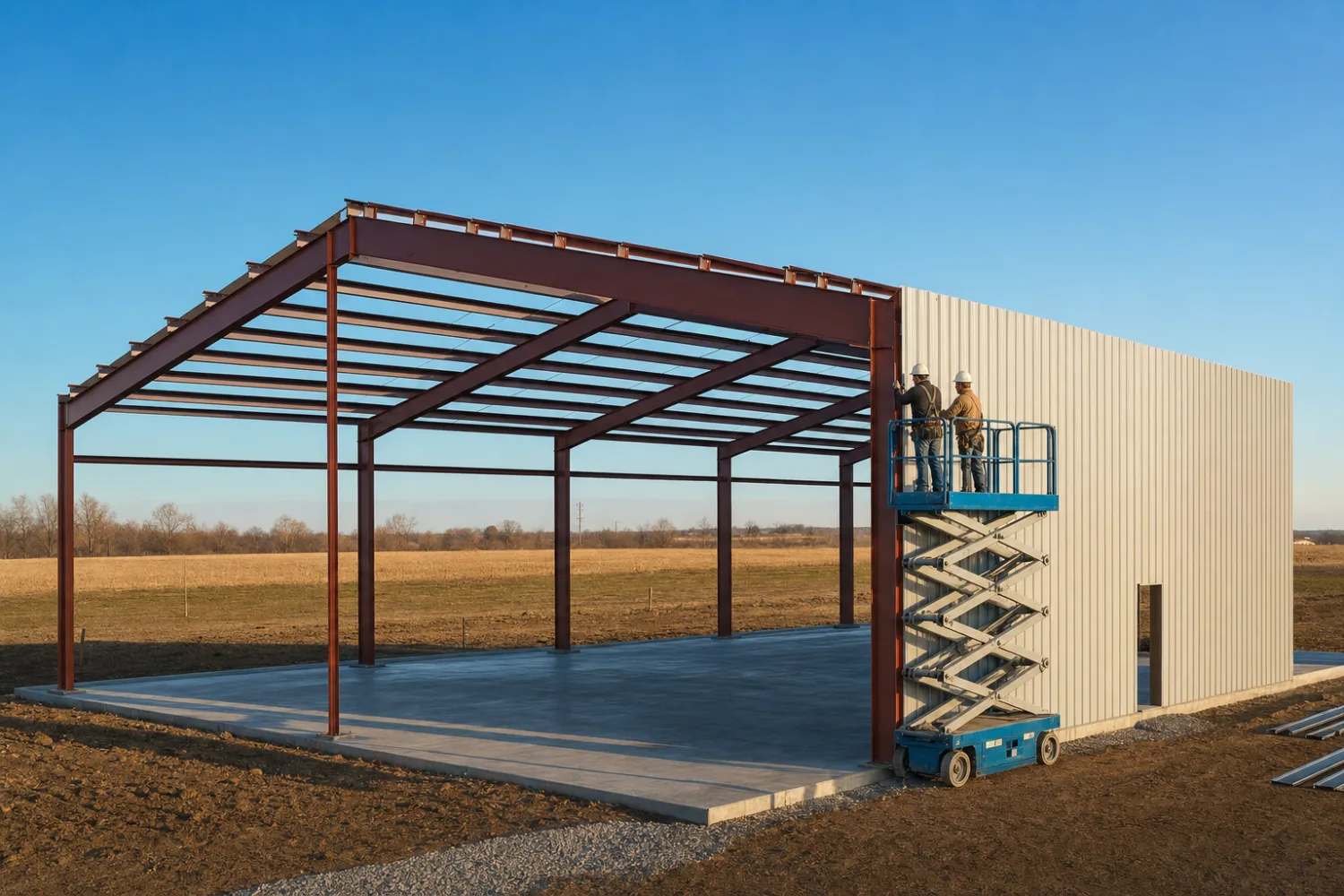
The load rating deserves its own warning. A kit engineered for a mild climate can be illegal to erect in heavy-snow or high-wind country, because it was never designed for those forces. Matching the stamp to your local code is not optional, and it is the single most common way a used-kit deal falls apart at the permit office. For how frames and engineering are sized to real loads, see the construction types pillar.
Where to find
Where used metal building kits come from
Used kits surface in a handful of predictable places, and each one tells you something about condition and paperwork. Knowing the source helps you ask the right questions before you drive out to look. Start here:
- Manufacturer cancelled-order lists. Some suppliers hold a list of engineered kits a buyer walked away from. These are new steel with drawings, close to clearance, and the cleanest used buy.
- Building takedown and relocation dealers. Outfits that dismantle standing buildings and resell them. Expect weathered steel and pre-drilled members, so inspection matters most here.
- Auctions and liquidations. Repossessions, business closures, and estate sales move buildings cheap, often as-is with no support and no guarantee the parts are all there.
- Classifieds and marketplace listings. Private sellers with leftover or partial kits. Prices can be low, but documentation is usually thin, so verify everything yourself.
Wherever you find it, price the freight before you celebrate the saving. A used building two states away can cost more to truck than you cut off the steel, and that math sinks plenty of deals. A wholesale kit bought new and local can land cheaper than a used one hauled across the country once you add the trucking. Run the delivery number first, then compare totals.
The saving
How much a used metal building kit saves
A used kit can trim the steel cost by a meaningful share, but the headline discount is rarely the whole story. The lower sticker comes with costs a new kit does not carry: re-engineering, missing parts, extra labor to work weathered steel, and the freight to move it. Net the deal out before you call it a saving.
| New kit | Used kit (illustrative) | |
|---|---|---|
| Steel sticker price | Full retail | Often 20 to 50 percent less ‹confirm› |
| Stamped drawings | Included, sized for your site | May need re-stamping or new plans |
| Parts completeness | Guaranteed by the parts list | Verify; missing members add cost |
| Warranty | Panel and frame warranties apply | Usually none, sold as-is |
| Condition | New steel, no wear | Surface rust to weathered, inspect |
| Freight | From plant to site | From seller to site, can be high |
Illustrative 2026 comparison, not a quote. The used discount shrinks as you add re-engineering, missing parts, and freight. Confirm every figure.
The honest way to read a used deal is to add the hidden lines to the sticker, then compare that total to a new quote for the same building. If a used 40 by 60 saves you a third on steel but needs new drawings, three replacement panels, and long-haul freight, the gap can close fast. For the levers that move any steel price up or down, see what drives metal building prices, and for the full money picture, the complete cost breakdown.
A used kit is cheap steel with an attached homework assignment. Do the homework, count the parts, and check the stamp, or the discount you celebrated becomes the overrun you did not budget for.
When it fits
When a used kit makes sense, and when to skip it
A used kit rewards a specific kind of buyer and punishes another. Match it to your project and your skills before you chase the low number, because the same building that is a steal for one person is a money pit for the next. Here is how it tends to land:
- Good fit: a hands-on buyer. If you can inspect steel, source missing parts, and handle re-engineering, a used kit can deliver a real saving on a shop, barn, or storage building.
- Good fit: a flexible footprint. If you can design your slab and use around the building you found, rather than the building around a fixed plan, a takedown fits more easily.
- Poor fit: a permitted, code-strict site. If you are in heavy-snow or high-wind country with a tight inspector, the load-rating and drawing risk often outweighs the saving.
- Poor fit: a first-time, turnkey buyer. If you want a warranty, full support, and a building sized to your exact plan, a new kit or a clearance unit is the calmer path.
If the used route does not fit, you still have cheaper-than-retail options that keep the paperwork and protection. A cheap or affordable new kit right-sized to your use, a clearance unit, or smart timing on a new order can all cut the number without the second-hand gamble. The how to save money guide walks every honest lever, used or new.
FAQ
Common questions about used metal building kits
Are used metal building kits worth it?
They can be, for a hands-on buyer who can inspect steel and handle re-engineering. A used kit often trims the steel cost by 20 to 50 percent ‹confirm›, but the saving only holds if the parts are complete, the frame is sound, and the drawings match your site. For a turnkey, warranty-backed buy, a new or clearance kit is usually the safer value.
How much do used metal building kits cost?
As an illustrative 2026 range, a used kit often runs 20 to 50 percent below new retail on the steel ‹confirm›, before you add re-engineering, replacement parts, and freight. Those lines can close the gap fast, so net the deal out against a new quote. See the full cost breakdown for new pricing to compare against.
What should I check before buying a used kit?
Confirm the stamped drawings exist and can be re-stamped for your site, count the parts against an itemized list, inspect the frame for bends and heavy rust, and verify the load rating meets your local snow and wind code. Missing drawings or a load mismatch are deal-breakers, not haggling points.
Can you get a permit for a used metal building?
Often yes, if you have engineered, stamped drawings that match your site and loads. Without them, a permit can be difficult or impossible, and re-stamping for a new location costs money and is not always feasible. Build the engineering line into the budget; see hidden costs.
Is a used kit cheaper than a new clearance kit?
Sometimes, but not always. A used kit can have a lower sticker, while a clearance kit is new steel with full drawings and a warranty. Once you add re-engineering, missing parts, and freight to the used number, a clearance unit can come out ahead. Compare net totals, not stickers.
Where can I find used metal building kits?
Common sources are manufacturer cancelled-order lists, building takedown and relocation dealers, auctions and liquidations, and private classifieds. Cancelled orders tend to be the cleanest, with new steel and drawings; auctions and classifieds carry the most risk and the least documentation.
Do used metal building kits come with a warranty?
Usually not. Used kits sell as-is, so the panel and frame warranties that come with new steel rarely transfer. Factor the lack of coverage into the price, and inspect the steel yourself, because there is no manufacturer to call if a member is short or a panel is bad.
Related guides
Keep reading
A used kit is one path to a lower number. These guides cover the rest of the money question:
- Metal building kit prices (the parent pillar, every cost guide in one place).
- Clearance & discount kits (new steel a supplier wants off the lot).
- Cheap & affordable kits (right-sizing a budget new build).
- How to save money on a kit (every honest lever, used or new).
- What drives metal building prices (steel market, gauge, freight).
- Hidden costs (foundation, permits, delivery a used kit does not erase).
- Metal building cost guide (the reference worksheet to net out a deal).
- Metal building buying checklist (what to verify before you sign).