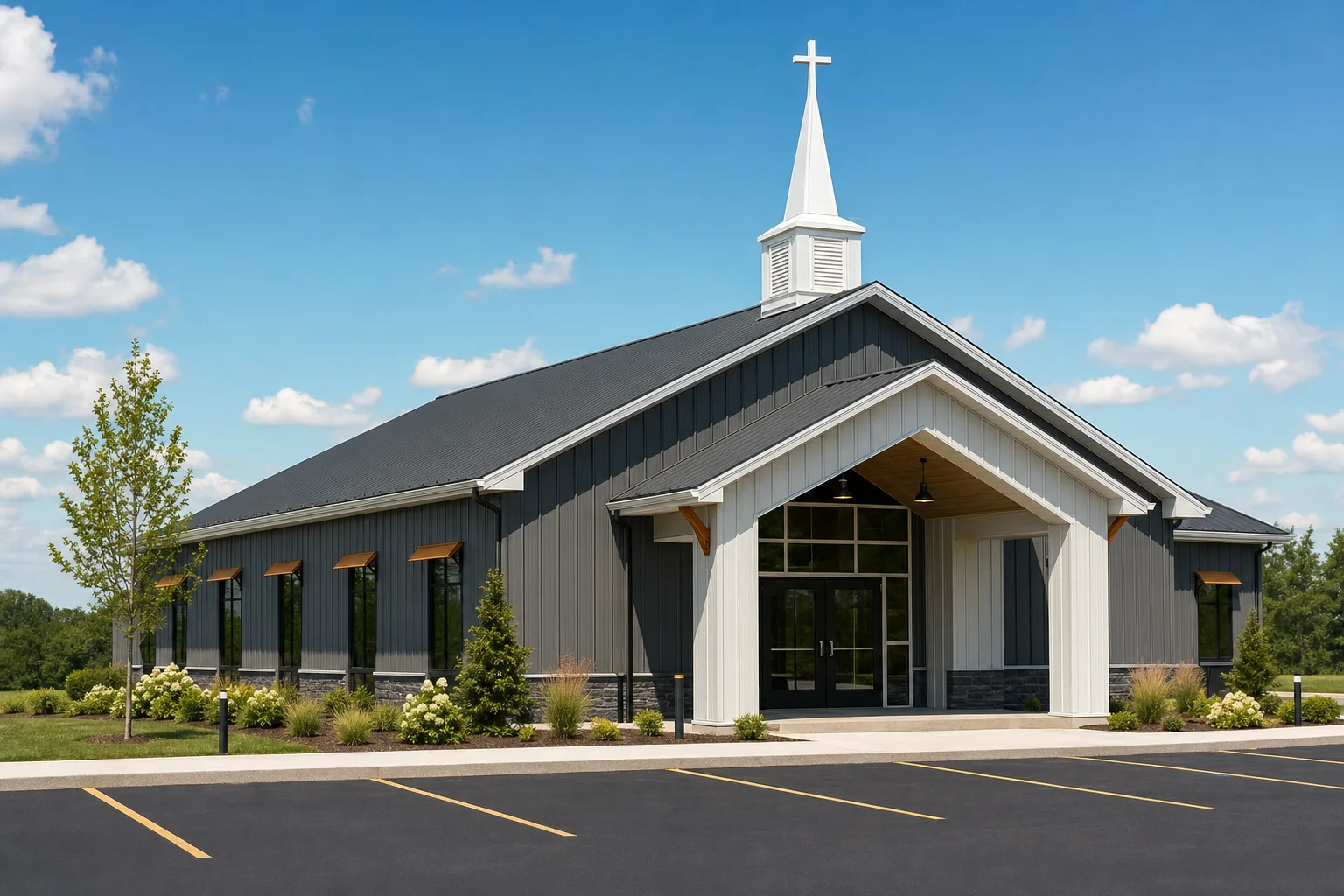
Wholesale metal building kits are steel buildings sold near the price a manufacturer charges a dealer, instead of the marked-up retail price a dealer charges you. The saving comes from cutting out a layer of the distribution chain, not from cheaper steel or thinner gauge. Buying factory-direct, ordering in volume, or working with a high-turnover supplier are the three honest ways to reach a wholesale number. A kit labeled wholesale that hides a middleman markup is a retail kit wearing a discount sticker.
This guide sits under our Metal Building Kit Prices pillar. Below: what wholesale means in steel, how the markup chain works, how to reach a true wholesale price, when the label is marketing rather than math, and what the saving is worth. Treat every dollar figure here as a dated 2026 illustrative range to confirm against a real quote, because wholesale margins move with the steel market.
What it means
What wholesale metal building kits means
Wholesale is a price point on the distribution chain, not a grade of steel. The same engineered frame, panels, and fasteners can sell at three different prices depending on where you buy them, and wholesale is the lowest rung that still carries full drawings and a warranty. Knowing the chain tells you where the markup hides and how to skip it:
- Manufacturer cost. What the plant spends to engineer and roll the steel. You never see this number, and no honest seller reaches it.
- Wholesale price. What the plant charges a dealer or a high-volume buyer. This is the floor a real wholesale kit sits near.
- Dealer or retail price. Wholesale plus the dealer markup that pays for sales, marketing, and margin. This is the sticker most buyers see.
The steel does not change between those rungs. A wholesale 40 by 60 and a retail 40 by 60 from the same plant can be the identical building, stamped to the same loads and gauge. What changes is how many hands the order passes through, and each hand adds a margin. The wholesale buyer is the one who shortens that line.
The markup
How the wholesale-to-retail markup works
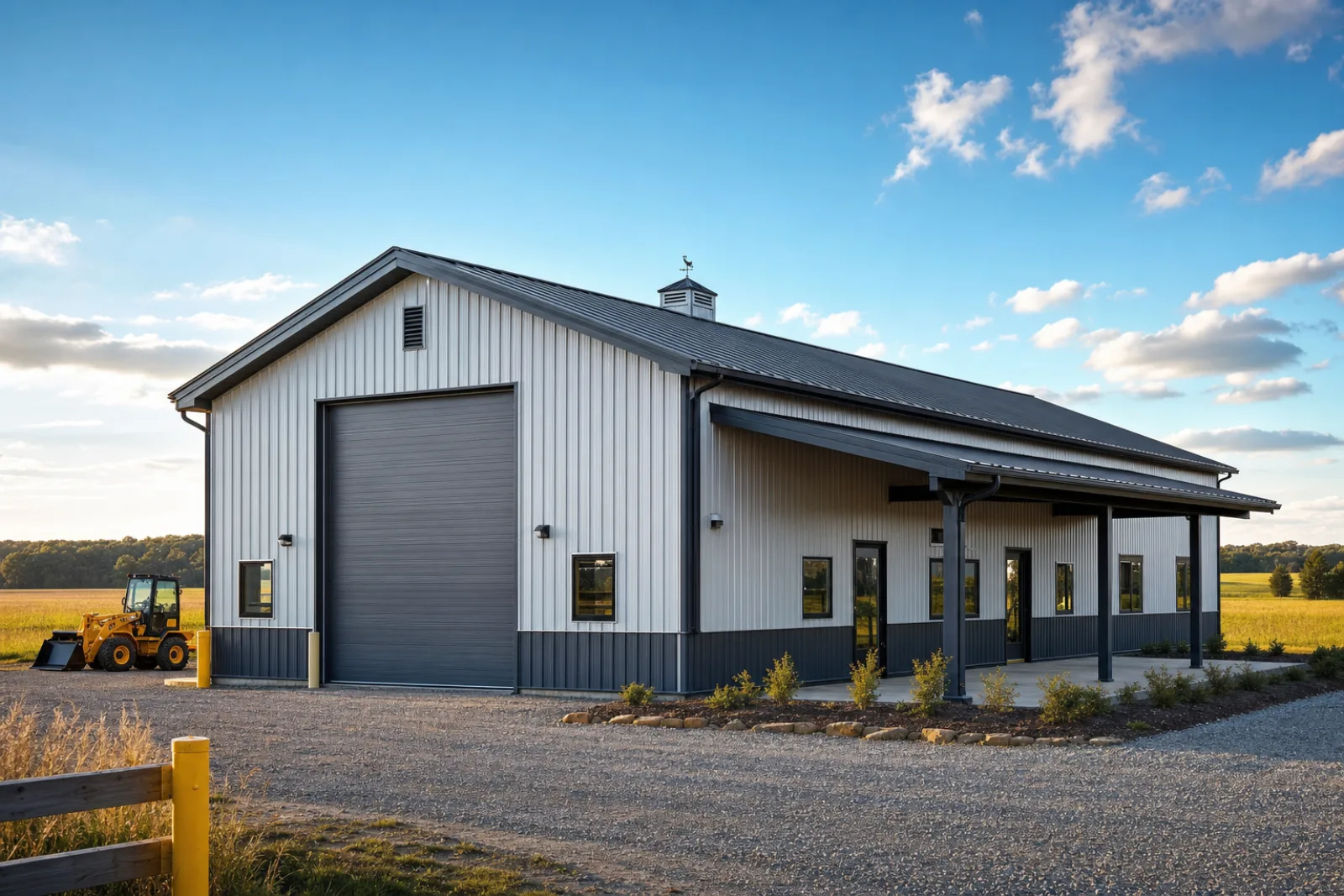
Every layer between the plant and your slab adds a margin, and the margins stack. A kit that leaves the factory at a wholesale number can pick up two or three markups before it reaches a buyer who walked into a dealer cold. Seeing the layers laid out is the fastest way to understand where a wholesale price comes from:
| Channel | Who you buy from | Typical markup over wholesale |
|---|---|---|
| Factory-direct | The manufacturer, no middleman | None to small ‹confirm› |
| High-volume dealer | A reseller moving many units | Low, volume keeps it thin ‹confirm› |
| Standard dealer | A regional sales outfit | Moderate ‹confirm› |
| Broker or lead reseller | A site that resells your order | Highest, several hands ‹confirm› |
Illustrative 2026 channel comparison, not a quote. The more hands between plant and slab, the further the price climbs above wholesale. Confirm every figure against a real order.
A low sticker is not proof of wholesale
Some sellers advertise wholesale, then add the markup back as line items: a high freight charge, an inflated setup fee, or a padded foundation and permit estimate. The honest test is the all-in delivered total, not the headline price. Get the full quote in writing and compare totals, channel to channel.
The broker layer is where buyers lose the most. A lead-reseller site collects your details, sells them to a supplier, and the supplier prices in that referral cost. You pay for a hand that added nothing to the building. For who rolls the steel versus who only resells it, see the metal building companies pillar.
How to get it
How to get a true wholesale price
You reach wholesale by shortening the chain or by giving the seller a reason to thin the margin. Three levers do most of the work, and they stack when you can combine them. None of them require a license or a tax number, despite what some listings imply:
- Buy factory-direct. Order from a manufacturer that sells to the public, not through a dealer network. One fewer hand on the order is one fewer markup. This is the cleanest route to wholesale for a single building.
- Order in volume. A buyer taking several units, or a large single building, gives a seller a reason to price thin. Volume is the original meaning of wholesale, and it still moves the number.
- Catch high-turnover timing. A supplier clearing inventory or filling a slow production slot will sell closer to wholesale to keep the plant busy. Timing the order to the seller’s calendar can find the same discount.
Stacking helps. A factory-direct order placed in a slow season, for a building sized to a standard the plant already runs, lands closest to true wholesale. If you want every lever in one place, the how to save money guide walks them all, and what drives metal building prices explains why the steel market sets the floor under any wholesale number.
Real or marketing
When wholesale is real and when it is a label
Wholesale is one of the most overused words in steel-building marketing, so the label alone tells you nothing. A real wholesale price comes from a short chain and shows up in the delivered total. A fake one is a retail price with a wholesale banner over it. A few tells separate the two:
- Real wholesale shows its math. The seller can explain why the price is low: factory-direct, a volume order, a cleared inventory slot. A reason you can verify beats a banner you cannot.
- Fake wholesale hides in the fine print. The headline is low, then freight, setup, and fees rebuild the margin. Watch the all-in delivered number, not the sticker.
- Real wholesale keeps the paperwork. Full stamped drawings, the gauge in writing, and a warranty. If wholesale means stripped specs or no drawings, it is a cheaper building, not a cheaper price.
- Fake wholesale gates the price. A listing that demands your phone number before it shows a figure is selling your lead, not a wholesale kit. A broker referral is exactly the markup wholesale is supposed to remove.
The distinction matters because the word gets attached to two different things. Sometimes wholesale means a genuine factory-direct price; sometimes it means a cheap or right-sized kit dressed up, or a clearance unit a supplier wants off the lot. Each can be a fair buy, but they are not the same deal, and the word wholesale does not tell you which one you are looking at.
Wholesale is a number you can trace, not a banner you can trust. If the seller cannot tell you which hand was removed from the order, no hand was removed, and the price is retail in a discount font.
The saving
How much wholesale metal building kits save
A genuine wholesale price trims the dealer markup, not the cost of the steel itself, so the saving is real but bounded. It will not halve a quote, because most of a kit’s price is engineered steel that costs what it costs at any channel. What wholesale removes is the margin layered on top, and on a mid-size building that can still be meaningful money.
| Standard retail kit | Wholesale / factory-direct (illustrative) | |
|---|---|---|
| Steel and engineering | Full cost | Same cost, the steel does not change |
| Dealer markup | Built into the sticker | Reduced or removed ‹confirm› |
| Stamped drawings | Included | Included, same paperwork |
| Warranty | Panel and frame warranties apply | Same warranties, factory-backed |
| Freight | From plant to site | From plant to site, watch for padding |
| What you save | Baseline | The markup layer, often a meaningful share ‹confirm› |
Illustrative 2026 comparison, not a quote. Wholesale removes the markup, not the steel cost. Confirm the delivered total at every channel.
The honest way to test a wholesale claim is to net it out. Take the all-in delivered total, drawings and freight included, and set it beside a standard dealer quote for the identical building. If the wholesale number is lower on the bottom line, the saving is real. If the fees close the gap, the wholesale label was decoration. For the full money picture, see how much metal building kits cost and the cost guide worksheet to compare totals.
Wholesale also pairs with the other budget levers rather than replacing them. A factory-direct price on a building you have right-sized, ordered in a slow season, and stamped for only the loads you truly need compounds the saving. Chasing wholesale alone, on an oversized building, leaves money on the table that right-sizing would have caught.
FAQ
Common questions about wholesale metal building kits
What does wholesale mean for a metal building kit?
Wholesale means a price near what a manufacturer charges a dealer, instead of the marked-up retail price a dealer charges you. The steel and engineering are the same; what is removed is a layer of markup in the distribution chain. You reach it by buying factory-direct, ordering in volume, or catching a high-turnover supplier.
Are wholesale metal building kits cheaper than retail?
A genuine wholesale kit is cheaper because it removes the dealer markup, but it will not halve the price, since most of the cost is engineered steel that does not change by channel. Test the claim on the all-in delivered total, not the headline. See how much kits cost for the full breakdown.
Do I need a business or license to buy wholesale?
No. Despite what some listings suggest, you do not need a contractor license or a resale tax number to buy a steel building at a wholesale price. Factory-direct manufacturers that sell to the public, and volume or off-season timing, reach wholesale without any credential. A listing that gates the price behind a license is usually a lead-collection tactic.
How do I get a true wholesale price?
Shorten the chain or give the seller a reason to thin the margin: buy factory-direct, order in volume, or time the order to a slow production slot. Stacking them lands closest to true wholesale. The how to save money guide covers each lever in detail.
Is wholesale the same as clearance or used?
No. Wholesale is new steel at a thin-margin price with full drawings and a warranty. A clearance kit is new steel a supplier wants off the lot, and a used kit is second-hand. All three can save money, but they carry different risks and paperwork, so compare the actual deal, not the label.
Why are some wholesale kits not truly cheaper?
Because the markup is added back as fees. A low headline price followed by inflated freight, setup, or a padded foundation and permit estimate rebuilds the margin out of sight. Always compare the delivered total in writing, channel to channel, before you call a price wholesale.
Does wholesale mean lower quality steel?
It should not. A real wholesale price removes a markup, not the gauge, the coating, or the engineering. If a wholesale offer comes with stripped specs, no stamped drawings, or a thinner frame than a comparable retail kit, you are buying a cheaper building, not a cheaper price. Confirm the gauge and drawings in writing.
Related guides
Keep reading
Wholesale is one lever on the price. These guides cover the rest of the money question:
- Metal building kit prices (the parent pillar, every cost guide in one place).
- What drives metal building prices (the steel market and gauge that set the floor under any wholesale number).
- How to save money on a kit (every honest lever, wholesale and beyond).
- Cheap & affordable kits (right-sizing a budget build).
- Clearance & discount kits (new steel a supplier wants off the lot).
- Used metal building kits (the second-hand route to a lower number).
- Metal building cost guide (the reference worksheet to net out a deal).
- Metal building buying checklist (what to verify before you sign).