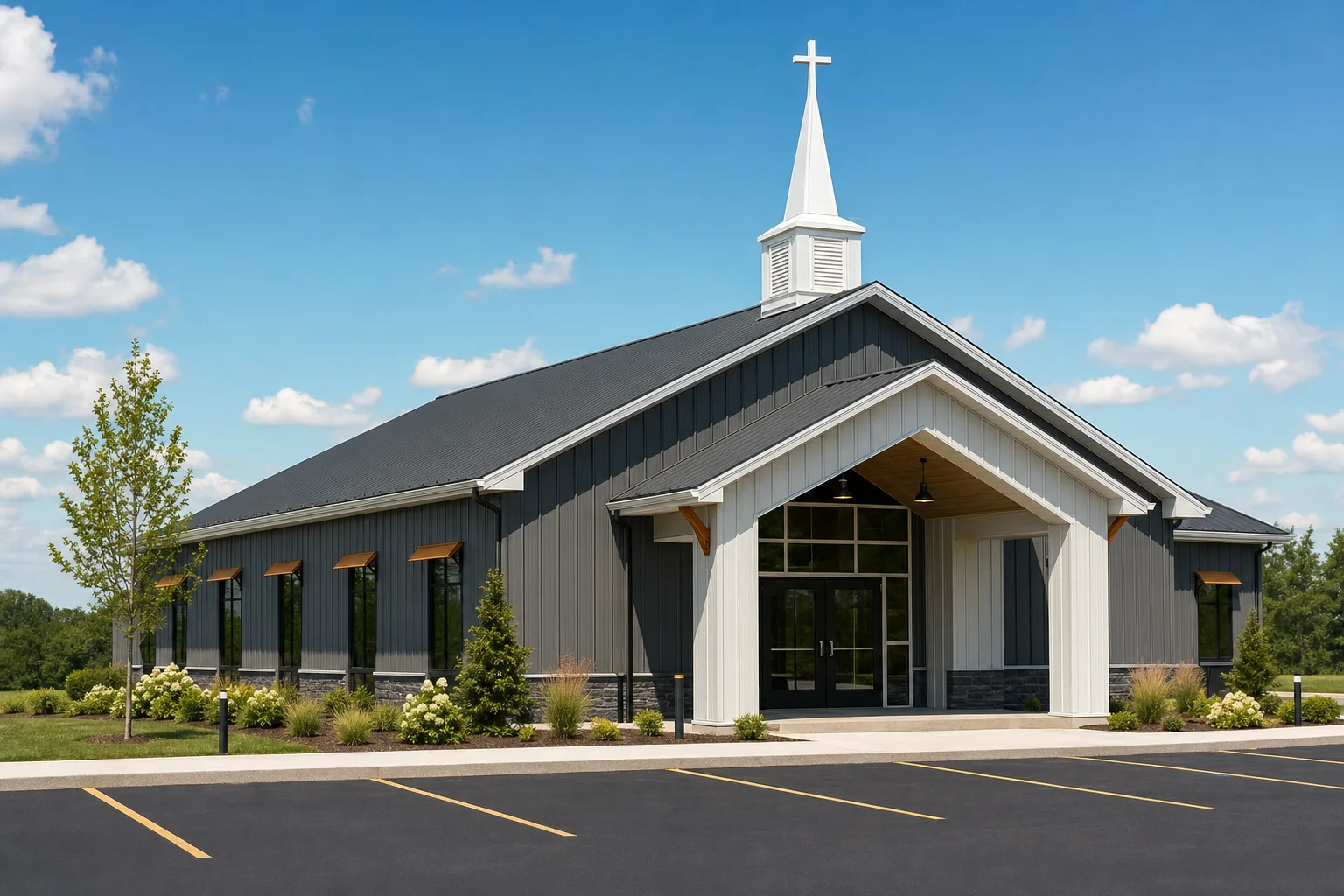
The hidden costs of a metal building are the expenses beyond the kit sticker, the ones a steel price alone never shows: the foundation, the permit and engineering, freight to your site, site prep, anchors, sales tax, and the labor to raise it. A kit price covers the steel package and little else, so the all-in number to stand a finished building on the ground often runs well above the quote you first see. None of these costs are tricks. They are the real, predictable line items that turn a pile of steel into a usable structure, and you can budget every one of them before you order.
This guide sits under the metal building kit prices pillar and answers one question: what does the kit price leave out. Below you will find why the sticker is not the finished price, a hidden-cost checklist table, the foundation that carries the building, the permits and stamped drawings your county requires, the freight and site prep to receive the steel, and the anchors, taxes, and erection labor that round out the total. Every dollar figure here is a dated 2026 illustrative range to verify against your own quotes and local bids.
The gap
Why the kit price is not the finished price
A metal building kit is a steel package, not a turnkey building. The quote you get covers the frame, panels, fasteners, and trim, and it stops at the edge of the truck bed. Everything that gets that steel standing, level, anchored, and approved is a separate cost you arrange and pay for. That gap between the kit price and the finished price is where buyers get surprised, because the headline number looks like the whole job when it is the largest single piece of it.
Think of the kit as one line on a longer budget. The steel is usually the biggest line, but the foundation, permits, freight, and labor together can add a meaningful share on top of it ‹confirm›, and on a small building the extras carry more weight because the steel is cheap. The fix is to price the whole project, not the kit. For the full total-cost breakdown that these extras feed into, see how much metal building kits cost.
| Hidden cost | What it covers | In the kit price? |
|---|---|---|
| Foundation / slab | Concrete pad or piers the frame stands on | No |
| Permits & fees | Building permit and plan-review fees | No |
| Engineered drawings | Stamped plans for your county | Sometimes |
| Delivery / freight | Trucking the steel from the mill | Sometimes |
| Site prep | Clearing, grading, and access for the rig | No |
| Anchor bolts & hardware | Setting the frame into the slab | Sometimes |
| Sales tax | State and local tax on the kit | No |
| Erection labor | A crew to raise the shell | No |
Illustrative checklist, not a fixed bill. Confirm each line against your supplier’s quote and local bids, because what one kit includes another leaves out.
Ask what the quote excludes, in writing
The single best habit when you read a steel quote is to ask the supplier to list what the price does not cover. Foundation, freight, permits, anchors, and erection are the usual exclusions, and getting them named up front turns a surprise into a budget line. Pair this with the buying checklist so nothing slips through before you sign.
Foundation
Foundation and slab: the biggest hidden cost
The foundation is the largest cost the kit leaves out, and it is not optional. A steel frame needs a flat, level, anchored base, and for most enclosed shops and garages that means a poured concrete slab. The slab ties the anchor bolts into solid concrete, gives you a finished floor, and keeps the frame square for the life of the building. Skip it or under-build it and the whole structure suffers.
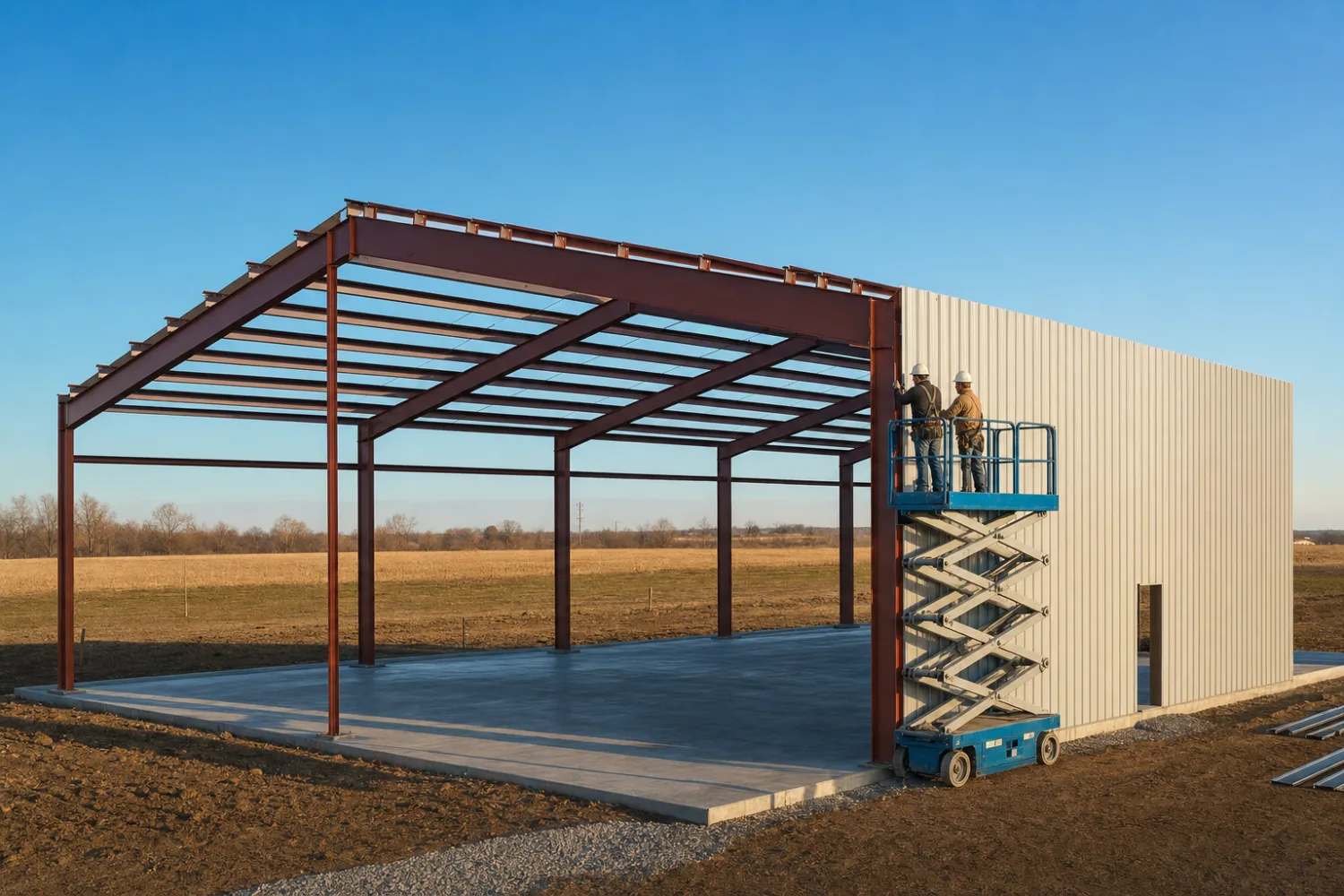
Slab cost moves with size, thickness, soil, and local concrete prices, and as a rough 2026 orientation a standard slab commonly runs a few dollars to several dollars per square foot ‹confirm›, more if the site needs deep footings, a thickened edge, or fill to reach grade. A sloped lot, soft soil, or a frost line all push the number up. The slab is also the one piece you cannot rush, because it has to be poured and cured before the frame goes up. For the choices and where each fits, see metal building foundation options, and for how the frame ties down, anchoring systems.
Plan the foundation before you order the steel, not after. The slab dimensions, the anchor-bolt pattern, and the load values all come off the engineered drawings, so the building and the base get designed together. Pouring first and ordering blind is how anchor bolts end up in the wrong place and a fresh slab gets cored to fix it.
Permits
Permits, engineering, and inspections
Almost any permanent metal building needs a permit, and the permit comes with costs the kit does not. You pay a building-permit fee, often a plan-review fee, and in most counties you submit engineer-stamped drawings that prove the building meets your local snow, wind, and seismic loads. An inspector then signs off at a few stages, from the footings to the final. These are county costs, not supplier costs, so they land outside the steel quote.
As a 2026 orientation, permit and plan fees commonly range from a few hundred to a couple of thousand dollars depending on the jurisdiction and the building’s value ‹confirm›, and stamped engineering, when it is not bundled into the kit, can add several hundred dollars or more ‹confirm›. Some suppliers include drawings for your state and some charge for them, so confirm which you are getting. The full process, start to finish, is laid out in metal building permits and codes.
Loads and the stamp ride together
The same engineering that earns your permit also sets how heavy the steel has to be, so a building stamped for heavy snow or high wind costs more before a single fee is paid. That is a spec driver, not a hidden fee, but the two arrive on the same drawings. See what drives metal building prices for how local loads move the steel price itself.
Delivery
Delivery, freight, and site prep
Your steel ships as bundled parts on a flatbed, and freight is a real cost that is sometimes folded into the price and sometimes billed on top. Distance from the mill, fuel, and the size of the load all move it, so a building shipped across the country costs more to deliver than one made nearby. Read the quote to see whether freight is included, freight-prepaid, or quoted separately, because the same kit can read far apart once trucking is added.
Site prep is the cost that rides alongside delivery. Before the truck arrives you clear access for a long rig, level a pad, and set aside room to stage the parts, and on most kits you unload the steel yourself rather than the carrier doing it. Grading, gravel, and access work vary widely with the lot ‹confirm›, and a tight or muddy site can add a delivery surcharge or a redelivery fee if the truck cannot reach the pad ‹confirm›. The full sequence is covered in metal building delivery and site prep.
Get the order of operations right and these costs stay small. The slab cures, the site is cleared, the staging area is ready, and the truck rolls straight to a pad it can reach. Get it wrong and you pay twice, once for the redelivery and once for the equipment to move steel that should have landed where the building goes.
The rest
Anchors, taxes, and erection labor
Beyond the big three, a handful of smaller lines round out the all-in cost, and they are the ones buyers forget. None of them is large on its own, but together they decide whether your budget holds. Walk each one before you order so the final invoice matches the plan.
- Anchor bolts and hardware. Some kits include the anchors that set the frame into the slab and some do not, and the right pattern comes off your engineered drawings. Confirm what ships with the kit and what you source locally. See anchoring systems.
- Sales tax. Most states tax the kit, and on a steel package that is a meaningful line that quotes often show before tax ‹confirm›. Ask whether the number you were given is pre-tax or all-in.
- Site work and utilities. Grading, gravel, a culvert, or running power and water to a shop are project costs that have nothing to do with the steel and everything to do with a usable building ‹confirm›.
- Insulation and interior finish. A heated shop or a living space needs insulation and trim the cold shell does not. Weigh it in insulation costs for metal buildings.
- Erection labor. Raising the shell is one of the largest swings of all, and doing it yourself versus hiring a crew can change the total by thousands ‹confirm›. The full split is in cost with vs without installation.
Price the project, not the kit. The steel is the headline, but the slab, the permit, the freight, and the crew are what put a finished building on the ground.
Budget
How to budget for the all-in cost
The way to avoid every surprise on this page is to build one budget that holds all of it. Start with the kit quote, then add a line for the foundation, the permit and engineering, freight and site prep, anchors, tax, and erection. Get a real number for each from a local source, not a guess, and your finished cost stops being a mystery.
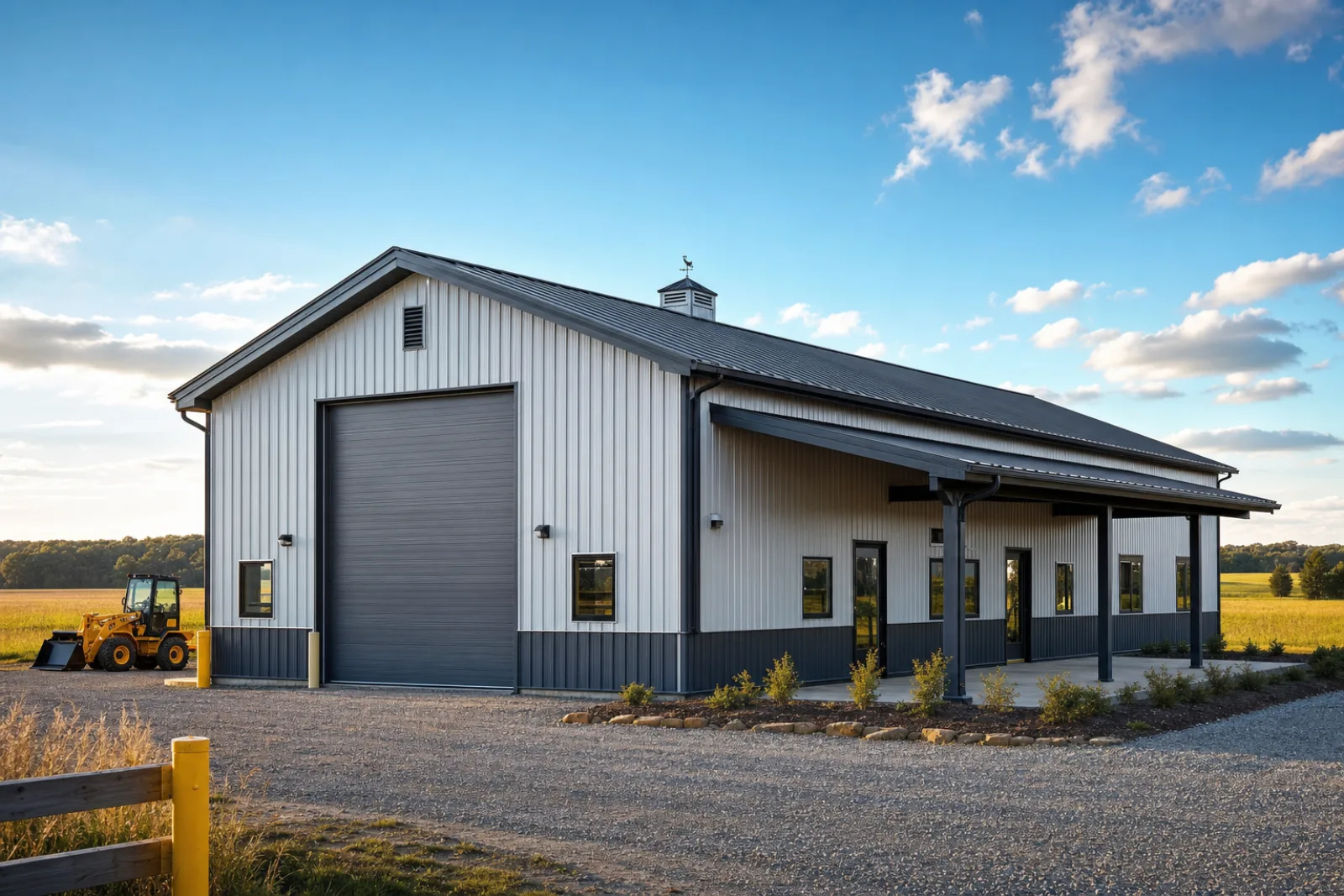
Where you have room to move is the spec and the labor, not the slab or the county fees. A right-sized building, a self-erected shell, or timing the steel to a softer market all trim the total without cutting structure. For the levers you control, see how to save money on a metal building kit, and to compare costs by footprint, the prices by size guide. The site-wide reference that pulls all of this together is the metal building cost guide.
FAQ
Metal building hidden costs: common questions
What are the hidden costs of a metal building?
The hidden costs are the expenses beyond the kit price: the foundation or slab, the building permit and plan fees, engineer-stamped drawings, freight to your site, site prep and grading, anchor bolts, sales tax, and erection labor. The kit covers the steel package and stops there, so budget each of these as its own line. Every figure has a shelf life, so confirm against current quotes.
Does the kit price include the foundation?
No. A metal building kit is a steel package and does not include the concrete slab or piers it stands on. The foundation is usually the largest cost the kit leaves out, and it has to be poured and cured before the frame goes up. See foundation options for the choices and a cost orientation.
How much do permits cost for a metal building?
It depends on your county and the building’s value. As a 2026 orientation, permit and plan-review fees commonly range from a few hundred to a couple of thousand dollars ‹confirm›, and stamped engineering can add more when it is not bundled into the kit ‹confirm›. Your local building department is the only authority that can give the real number. See permits and codes.
Is delivery included in a metal building kit price?
Sometimes. Freight is included on some quotes and billed separately on others, and the distance from the mill drives it. Read the quote to see whether trucking is in the number, then add site prep, since you usually unload and stage the steel yourself. The full sequence is in delivery and site prep.
Do you pay sales tax on a metal building kit?
In most states, yes. The kit is a taxable steel package, so the tax is a real line that quotes often show before it is added. Ask whether the price you were given is pre-tax or all-in, and factor your state and local rate into the budget so the final invoice does not surprise you.
How much does it cost to put up the building?
Erection labor is one of the biggest variables in the whole budget. Raising a small shell yourself can cost little but your time, while hiring a crew can add thousands depending on size and site ‹confirm›. The trade-off between doing it yourself and hiring out is laid out in cost with vs without installation.
How do I avoid surprise costs on a metal building?
Price the whole project, not the kit. Ask the supplier in writing what the quote excludes, then get a local number for the foundation, permits, freight, anchors, tax, and labor before you order. A single all-in budget removes the surprises. The full cost breakdown and the buying checklist show what each line should include.
Related guides
Keep reading
Hidden costs connect to the rest of the money question. Follow these next:
- Metal building kit prices & cost (the parent pillar).
- How much do metal building kits cost? (the full total-cost breakdown).
- Cost with vs without installation (the erection-labor swing).
- What drives metal building prices (how the spec moves the steel cost).
- How to save money on a metal building kit (the levers you control).
- Metal building cost guide (the site-wide cost reference and worksheet).