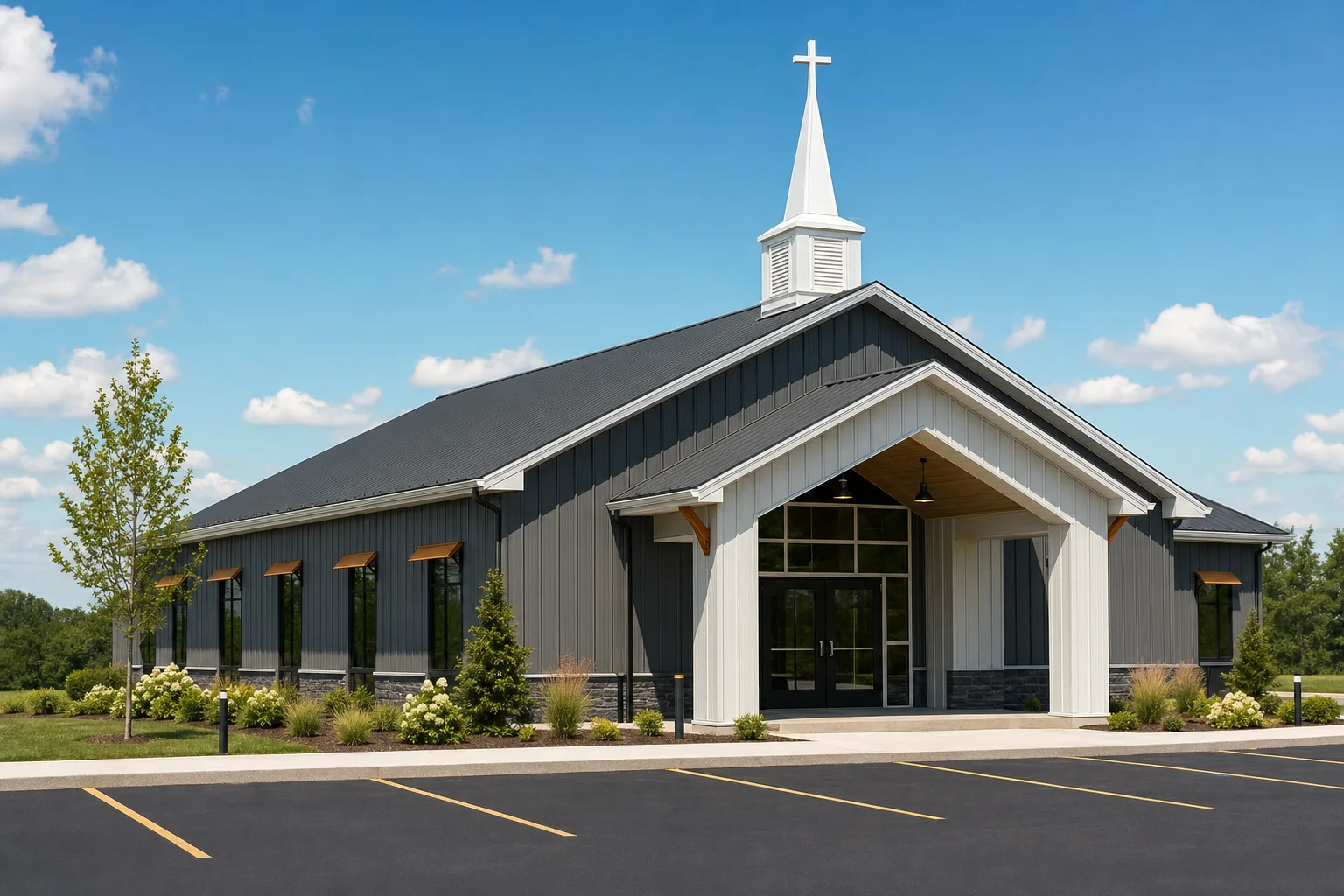
The most common metal building buying mistakes come from comparing price instead of spec: accepting a kit with no stamped drawings, ordering steel that was never engineered for your local snow and wind, lining up quotes that quietly include different things, and forgetting that the slab, the permit, and the delivery cost real money on top of the kit. Every one of them is avoidable. The fix is to slow down at the quote and confirm what you are paying for before you sign.
This guide sits under the metal building kits pillar and takes the pitfalls angle: the regrets buyers report after the steel arrives, and the move that would have prevented each one. If you want the positive version, the step-by-step path to a good order, start with our how to choose a metal building kit guide and the buying checklist. Read this one to learn what goes wrong.
Stamped drawings & loads
Buying a building with no stamped engineering
The most expensive mistake is the one the permit office catches for you. A kit with no sealed drawings, or one engineered for a generic region instead of your address, can fail inspection after you have paid for it. The two engineering errors below are the ones that cost the most to fix.
- Mistake: accepting a quote with no stamped drawings. Some low prices come from skipping the sealed engineering. The fix is to require drawings stamped by an engineer licensed in your state before you order, because that stamp is what your building department signs off on and what protects you if the structure is ever questioned.
- Mistake: not engineering for your local snow and wind loads. A building priced for a calm inland lot will not pass in snow or hurricane country. The fix is to pull your design snow load and wind speed from your building department or a local contractor, put those numbers on the order, and confirm the kit is rated for them. Our snow load and wind load guide shows where to find yours.
These two are linked. The stamp is what proves the steel meets your local loads, so a quote that has one without the other is half a building. If a supplier cannot produce sealed drawings sized for your county, that is a flag, not a discount. The permits and codes guide covers what the inspector checks.
Reading the quote
Comparing quotes that are not the same building
A low quote is often a thin quote. The cheapest number on the page can be the most expensive building you buy, because it leaves out items you will pay for later. Read the spec line by line, the method our quote-reading guide walks in full, and these two traps lose their teeth.
- Mistake: comparing quotes with different scopes. Two totals mean nothing if one includes doors, anchor bolts, freight, and stamped drawings and the other does not. The fix is to put every quote on one identical spec first, then compare the totals. A lower price on a thinner spec is not a better deal, it is a different building.
- Mistake: buying the cheapest gauge. Thinner steel costs less and carries less, so the lowest gauge is a saving only if your loads are light. The fix is to match the gauge to your span and loads rather than your budget, since an under-built frame can fail the loads it was supposed to hold. See steel gauge explained for how the numbers work.
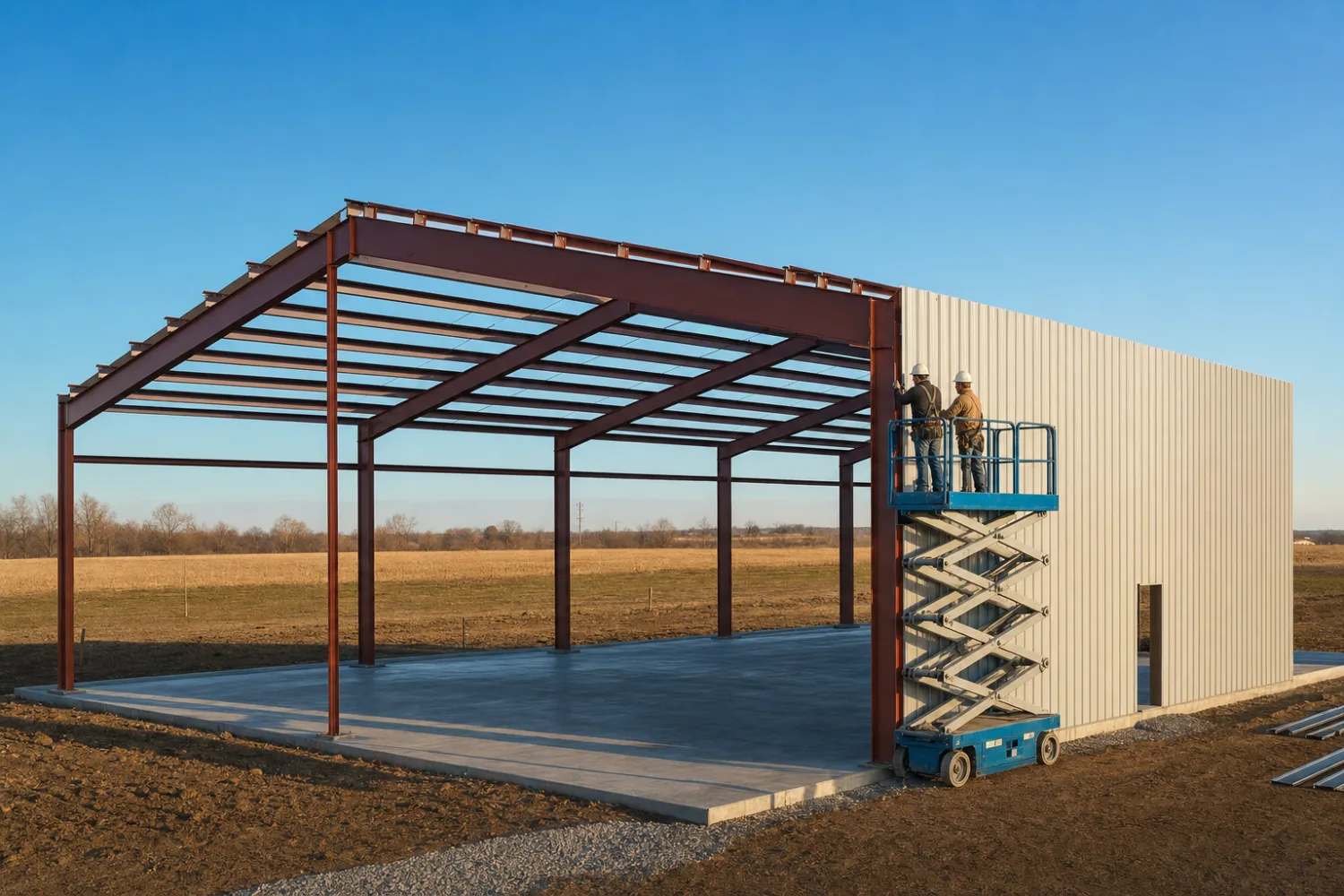
There is a quieter version of the scope trap. Two quotes can match on the headline frame and still differ on the secondary steel, the panel coating, the screws, and the trim, and those small lines add up. Ask each supplier for an itemized spec, not a single number, and you turn a guessing game into a real comparison. The supplier who itemizes is usually the one selling the more honest building.
The hidden budget
Leaving the slab, permit, and delivery off the budget
The kit price is not the project price. Buyers who budget the steel alone get surprised by the costs that surround it, and those costs can add a real fraction to the total ‹confirm›. The foundation is the biggest of them; our foundation options guide covers what a slab runs and why.
Budget the whole project from the start, not the kit in isolation. The lines that turn a comfortable number into a stretch are the ones that sit outside the kit box:
- The slab. A concrete foundation sized and reinforced for your building is a separate trade and a separate bill. Skipping it from the budget is the most common cost surprise. See foundation options.
- The permit. Permit fees, plan review, and inspections cost money and time, and they are non-optional in most jurisdictions. The permits and codes guide covers what to expect.
- Delivery and site prep. Freight to your site and the grading to receive it are real lines. Our delivery and site prep guide breaks them down.
- Doors, windows, insulation, and trim. The finish items that make the building usable rarely sit in the base price. For real ranges on each, see the kit prices guide.
Here is the short version: the mistake, what it tends to cost, and the move that prevents it.
| The mistake | What it costs | The fix |
|---|---|---|
| No stamped drawings | Permit denial, rework, no recourse | Require sealed engineering for your state |
| Wrong load rating | Failed inspection, roof at risk | Order stamped for local snow and wind |
| Mismatched quote scopes | Thousands more after you sign | Compare line by line on one spec |
| Cheapest gauge | Under-built frame that fails loads | Match gauge to loads, not budget |
| Undersizing the building | A second building later | Size for growth, add length now |
| Slab, permit, delivery left out | A large fraction over the kit price ‹confirm› | Budget the whole project, not the box |
| Skipping the warranty fine print | No coverage when something fails | Read finish and structural terms |
| Bad or late site prep | Idle crew, refused delivery | Level, clear, and pour before the truck |
| Ignoring lead time | Weeks of project stall | Confirm lead time in writing up front |
Nine common mistakes, what each tends to cost, and the move that prevents it.
Size & warranty
Undersizing the building and skipping the warranty fine print
Two mistakes show up after the building is standing, when they are hardest to fix. One is a dimension you cannot add later. The other is a document you did not read.
- Mistake: undersizing the building. Buildings fill faster than buyers expect, and a shop or garage sized for today is the one people regret first. The fix is to size for the use you will grow into. Length is the cheapest dimension to add at order time, and a little extra width and wall height costs far less now than a second building later. Our sizes guide shows what fits in each footprint.
- Mistake: skipping the warranty fine print. There are two warranties, a finish warranty on the panel coating and a structural warranty on the frame, and the years and exclusions differ by supplier. The fix is to read both before you sign, because a long paint warranty means little if the structural coverage is thin. The warranties guide explains what each one covers and who you call.
Sizing is the one number worth over-buying. The cost to go from a 30-foot shop to a 36-foot shop at order time is a fraction of what a second building costs three years on, and the wider span often needs only a heavier frame, not a redesign. Spec the use you will grow into, then trim the finishes if the budget gets tight, because a right-sized shell you finish over time beats a fully finished one that is already too small.
Buy the spec, not the sticker. The lowest quote on the thinnest spec is the most expensive building you can own.
Site & schedule
Bad site prep and ignoring the lead time
The last two mistakes are about timing, and they turn a smooth build into a stalled one. Both are cheap to avoid and costly to hit. Our delivery and site prep guide walks the full sequence; here is where buyers slip.
- Mistake: bad or late site prep. A site that is not graded, cleared, and ready when the truck arrives can mean a refused delivery or a crew standing idle on the clock. The fix is to level the pad, confirm access for a delivery truck, and have the slab cured before the steel ships, so the building goes up the week it lands instead of weeks later.
- Mistake: ignoring lead time. Steel is made to order, and lead times move with demand, so a building you need by fall has to be ordered with that runway in mind. The fix is to confirm the lead time in writing before you sign and to back-plan your slab and permit around it, not the other way around.
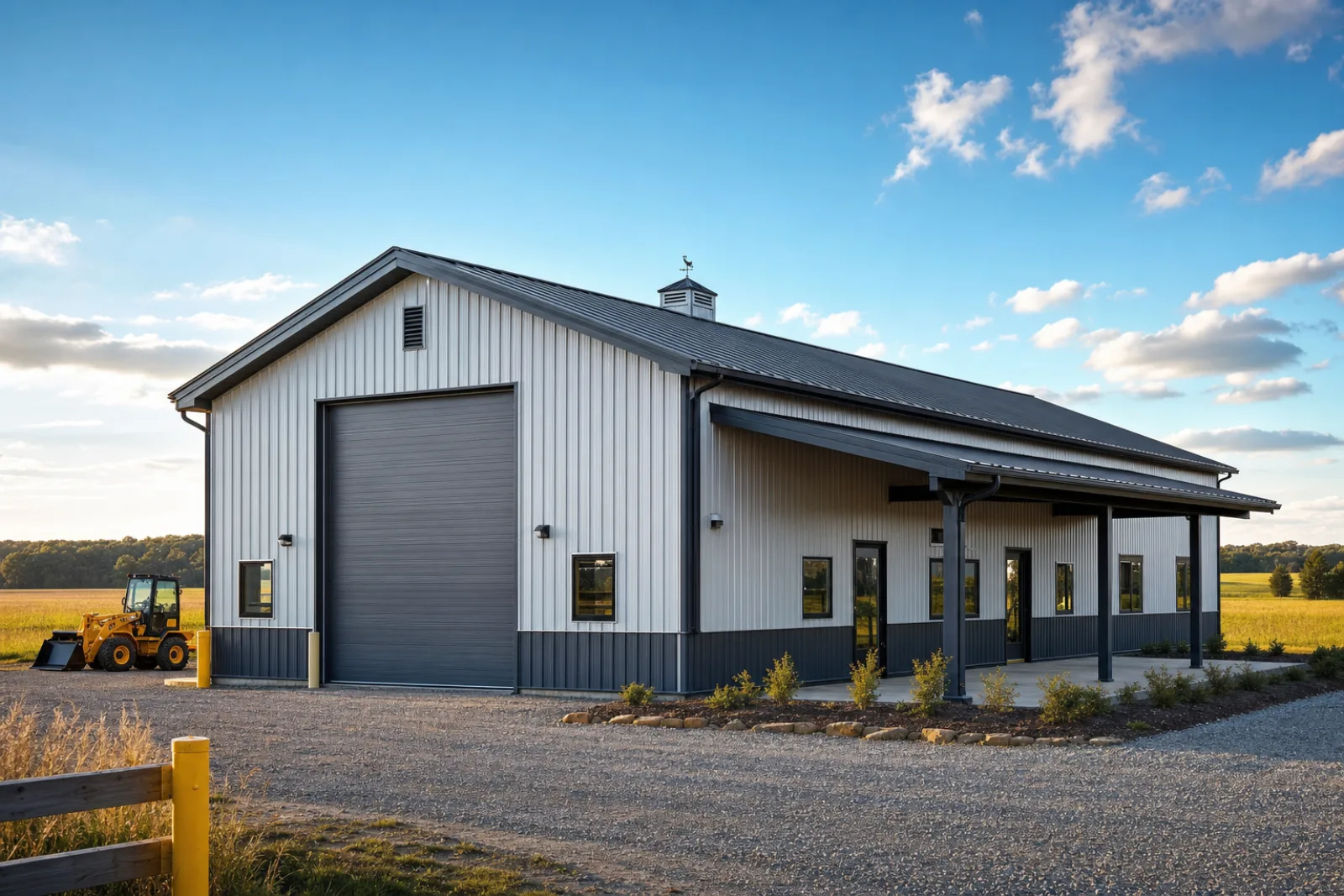
The one habit that prevents most of these
Get it in writing. Before you sign, ask the supplier to confirm on paper the frame and gauge, the stamped snow and wind loads, exactly what the price includes, the warranty terms, and the lead time. A supplier who answers each one plainly is one to buy from. The buying checklist is the rest of that conversation, item by item.
FAQ
Metal building buying mistakes: common questions
What is the biggest mistake buying a metal building?
Buying on price instead of spec. The lowest quote often leaves out the stamped drawings, the right load rating, the doors, or the freight, so it turns into the higher number after you sign. Put every quote on one identical spec, then compare the totals.
How do you avoid buying the wrong kit?
Define the use and size for growth, match the frame and gauge to your span and loads, confirm the kit is stamped for your local snow and wind, and budget the whole project rather than the kit alone. Most wrong buildings trace back to skipping one of those four, not to the steel itself.
What do people regret most after buying a metal building?
Two things lead the list: buying too small, and skipping insulation or a proper slab. Undersizing is the one you cannot fix without a second building, so buyers wish they had added width and height at order time when it was cheap.
Why do some metal building quotes look so cheap?
Usually because they include less. A low quote may drop the stamped engineering, the anchor bolts, the doors, the freight, or use a thinner gauge. Read the line items, not the total, and you will see where the price went.
What should you check before signing a metal building order?
Confirm in writing the frame type and gauge, the stamped snow and wind loads, exactly what the price includes, the warranty terms, and the lead time. The buying checklist lays out every item to verify before you commit.
Do I need stamped drawings for a metal building?
In most jurisdictions, yes. Sealed engineering sized for your state and your local loads is what the permit office signs off on, and it is what protects you if the structure is questioned later. A quote that skips it is not a saving, it is a risk.
Related guides
Keep reading
Avoiding these mistakes touches every part of the buy. Follow these next:
- Metal building kits: the complete guide (the parent pillar).
- How to read a metal building quote (compare line items apples-to-apples).
- How to choose a metal building kit (the step-by-step path to a good order).
- Snow load and wind load explained (getting the engineering right).
- Metal building foundation options (budgeting the slab the kit sits on).
- Metal building buying checklist (every item to confirm before you sign).