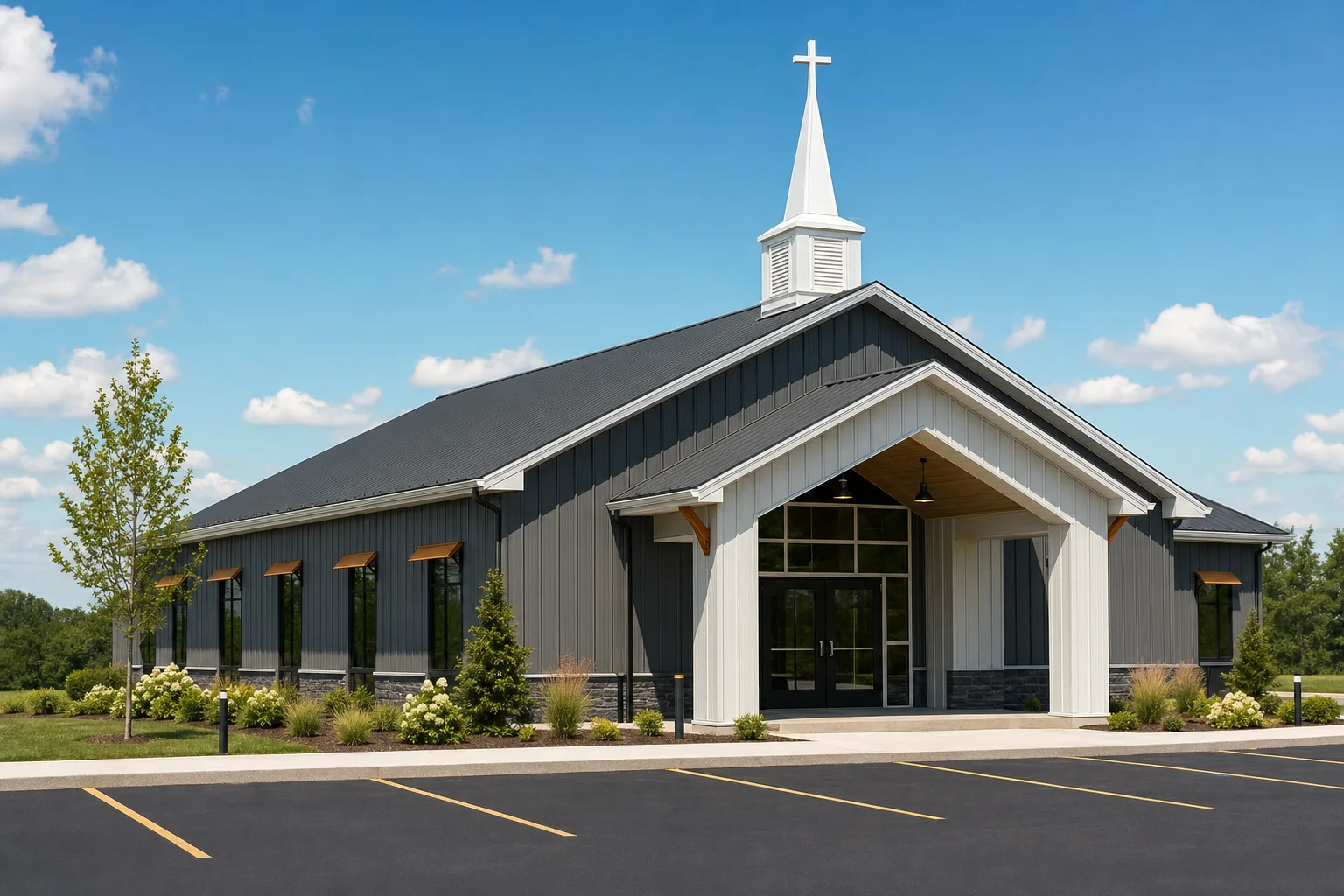
A metal building warranty is the supplier’s written promise to fix or replace parts that fail before they should. Most kits carry several separate warranties, not one: a paint or finish warranty on the panel color, a panel or substrate warranty on the steel itself, a structural warranty on the frame, and sometimes a weathertightness warranty on the roof. Each covers a different part for a different length of time, and each comes with conditions that can void it. The warranty is only as good as the company standing behind it.
This guide sits under the metal building kits pillar in the Basics & Buying silo. Below: the four warranties you should expect to see, what commonly voids them, why a real warranty signals a builder worth trusting, and how to read the fine print so you know who stands behind it. Get this right and a defect is the supplier’s problem. Get it wrong and it quietly becomes yours.
Warranty types
The four warranties a metal building usually carries
A metal building kit is not covered by one blanket warranty. It is covered by a set of separate promises, each tied to a specific part of the building and each running for its own term. Knowing which is which keeps you from assuming the frame is covered as long as the paint, or that a roof leak falls under the finish warranty when it does not.
The paint or finish warranty covers the painted coating on the panels: fading, chalking, peeling, and loss of color over time. The panel or substrate warranty covers the steel under that paint against rust-through and perforation, which is where the galvanized or Galvalume coating does its work. The structural warranty covers the frame, the columns and rafters that carry the load. The weathertightness warranty, when offered, covers the roof against leaks, and it is usually the hardest one to get.
| Warranty | What it covers | Typical term ‹confirm› |
|---|---|---|
| Paint / finish | Fading, chalking, peeling, and color loss on the painted panel surface | Long-term ‹confirm› |
| Panel / substrate | Rust-through and perforation of the steel beneath the coating | Long-term ‹confirm› |
| Frame / structural | Defects in the primary frame: columns, rafters, and load-bearing members | Long-term ‹confirm› |
| Weathertightness | Roof leaks at seams, fasteners, and penetrations (often optional) | Shorter, conditional ‹confirm› |
Four separate warranties, four separate terms. Always confirm the exact length and conditions for each in writing.
Terms vary by supplier and by the coating and gauge you buy, so treat any specific number you see as something to confirm in writing, not a guarantee. A heavier coating usually earns a longer finish and substrate warranty, which is one reason the panel spec matters as much as the price. The lifespan guide covers how these coatings hold up in the real world, beyond what the paperwork promises.
What voids it
What commonly voids a metal building warranty
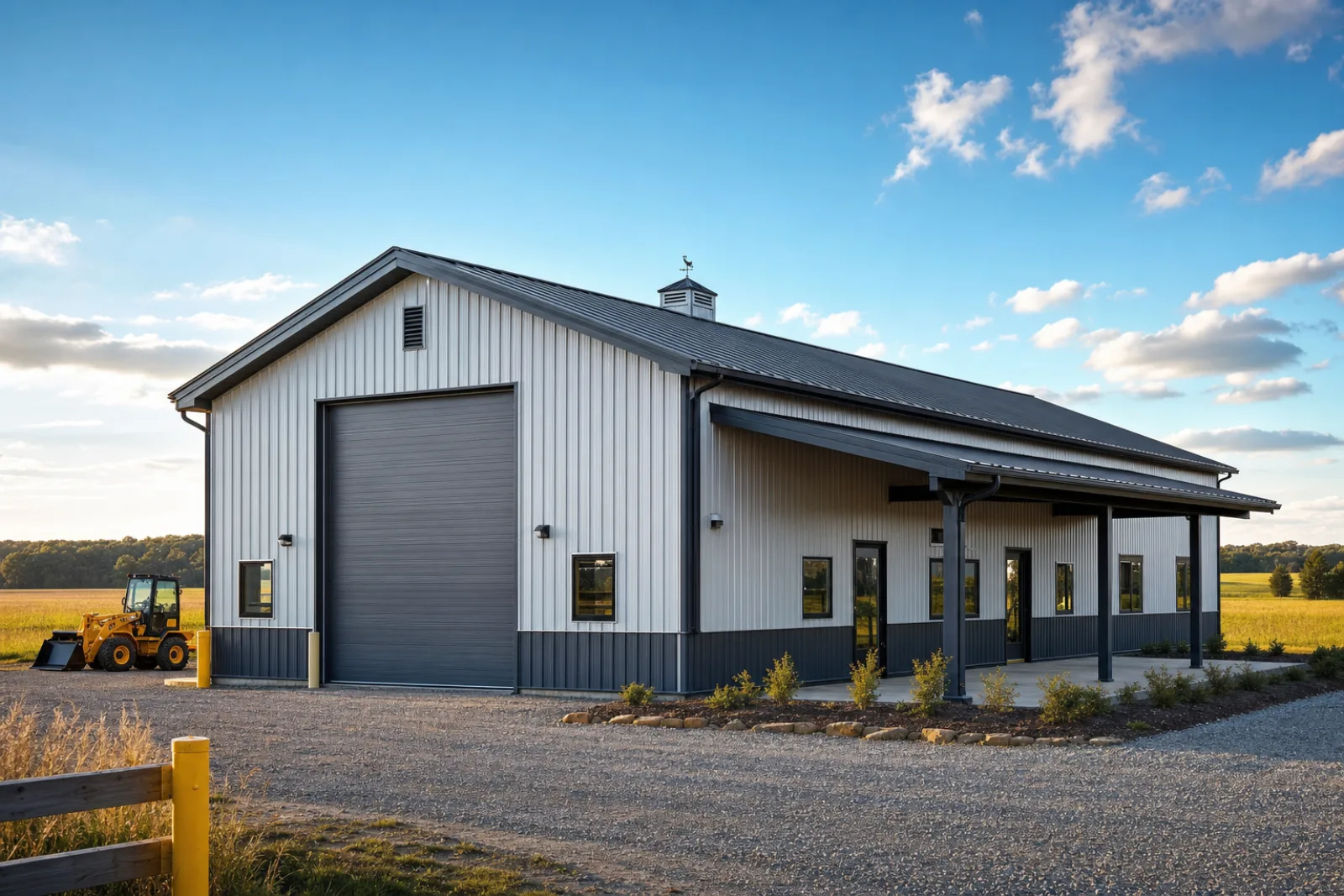
Most warranty claims die not because the steel failed, but because something on the buyer’s side breaks a condition. A warranty is a conditional promise, and the conditions are where suppliers protect themselves. Read them before you sign, because the fastest way to lose coverage is to do something the fine print already excludes.
Three causes void coverage more than any other:
- Poor or improper installation. Most finish and weathertightness warranties assume the building was put up to the maker’s instructions. A roof fastened wrong, panels scratched during assembly, or a frame anchored off-spec can void the claim before the building is even finished.
- Modifications after the fact. Cutting new openings, adding penetrations, welding to the frame, or fastening to the roof with the wrong hardware can break the warranty on the part you touched. Drilling the roof is a classic way to lose weathertightness coverage.
- No maintenance. Letting debris sit, ignoring scratches that reach bare steel, or never clearing the gutters can void a finish or substrate warranty. The paperwork usually requires reasonable upkeep, and skipping it gives the supplier an out.
Two other triggers catch buyers off guard. Dissimilar metals in contact with the panels, like copper flashing or treated lumber, can cause corrosion the warranty excludes. So can a harsh environment the coating was never rated for, such as coastal salt air or heavy chemical exposure ‹confirm›. If your site is unusual, ask whether your coating is warranted for it, and check the condition against the buying checklist before you order.
Keep your proof
A warranty you cannot prove is a warranty you do not have. Save the original paperwork, the panel and coating spec, the dated invoice, and photos of the finished building. If the kit was put up by a crew, keep the installer’s records too, since improper installation or anchoring is the first thing a supplier checks when a claim comes in. The burden of proof sits with you, not with the maker.
Quality signal
Why a real warranty signals a quality builder
A strong, specific warranty is a sign the supplier trusts its own product. A company that stamps a long finish and substrate warranty on its panels is betting it will not have to pay out, which means it believes in the coating and the steel. A vague or missing warranty signals the opposite: a seller who would rather not put a promise in writing.
The warranty also tells you something the price tag cannot. Two buildings can look identical and cost about the same, but the one backed by a real warranty on a named coating is the one engineered to last. Cheap kits often skimp on the finish or the steel thickness, then offer little or no warranty to match, because a longer promise would cost the seller money on parts they know will fail. The warranty is the seller’s own grade of its work.
Be careful, though: a long warranty on paper is only worth the company behind it. A twenty-year promise from a supplier that may not exist in five years is not protection, it is marketing. That is why the warranty and the supplier’s track record have to be read together, a point the where to buy guide covers when it comes to picking a seller you can still reach years later.
Fine print
How to read the warranty fine print
The headline number is the smallest part of a warranty. What matters is what it covers, what it excludes, and what it pays for when a part fails. Read past the years and into the conditions, because that is where a generous-looking warranty turns thin.
Four questions cut through most warranty paperwork:
- What exactly is covered, and what is excluded? Check whether fade, chalk, peel, and rust-through are each named, and look for the exclusions: edges, cut surfaces, scratches, and the conditions listed earlier. The exclusions tell you more than the coverage.
- Is it prorated or full? A full warranty replaces or repairs at no cost for the term. A prorated one pays less every year as the building ages, so a claim near the end may be worth little. Many finish warranties are prorated ‹confirm›, and the schedule is in the fine print.
- Does it cover material only, or labor too? Most cover the material and leave you to pay for removal and reinstallation. On a roof, that labor can cost more than the panels, so a material-only warranty covers less than it sounds.
- Is it transferable? If you may sell the building, a transferable warranty protects resale value. A warranty that ends the day you sell does not.
Get the answers in writing before you buy, not after a part fails. A reputable supplier hands over the full warranty document on request and explains the prorating and the exclusions without dodging. One that will not put the terms in writing is telling you how a future claim will go. Run the warranty past the buying checklist alongside the price and the spec, since all three decide what you are getting.
Who honors it
Who honors the warranty: maker or dealer
When a part fails, someone has to make good on the promise, and it is not always the company that sold you the building. Many kits pass through a dealer or a broker, while the panels and coating are warranted by the steel maker or the paint manufacturer further up the chain. Knowing who holds each warranty tells you who to call, and whether they will still be there to answer.
The finish and substrate warranties often come straight from the coating manufacturer, which is the strongest kind, since a national paint or steel maker is likely to outlast the dealer who sold the kit. The structural and weathertightness warranties usually sit with the building manufacturer or the dealer, which is where the seller’s longevity matters most. If the dealer closes, a manufacturer-backed coating warranty still stands, but a dealer-only structural promise may vanish with the company. This is one more reason to weigh the seller carefully through the where to buy guide.
So ask one plain question before you order: for each warranty, who issues it, and who do I call to make a claim? A clear answer names the maker for the coating and the manufacturer or dealer for the frame, and points you to a claims process in writing. A vague answer, or a dealer who cannot tell you who backs the steel, is a warning. The promise is only as solid as the company whose name is on it, and the time to find that out is before the sale, not after a leak.
FAQ
Metal building warranties: common questions
What does a metal building warranty cover?
Most kits carry several separate warranties: a paint or finish warranty on the panel color, a panel or substrate warranty on the steel against rust-through, a structural warranty on the frame, and sometimes a weathertightness warranty on the roof against leaks. Each covers a different part for a different term, so there is no single blanket warranty on the whole building. Read each one separately.
How long is a metal building warranty?
It depends on the supplier and the coating you buy. Paint, substrate, and structural warranties tend to run long, while weathertightness coverage is usually shorter and more conditional ‹confirm›. A heavier coating and thicker steel often earn a longer term. Treat any specific number as something to confirm in writing, since the conditions and the prorating schedule matter as much as the length.
What voids a metal building warranty?
The most common causes are improper installation, modifications after assembly, and lack of maintenance. Fastening the roof wrong, cutting new openings, drilling penetrations, or letting debris and scratches go unaddressed can each void coverage. Dissimilar metals touching the panels and harsh environments the coating was not rated for can also exclude a claim. Read the conditions before you sign, since they decide whether a claim survives.
Who honors a metal building warranty?
It varies by warranty. The finish and substrate warranties often come from the coating or steel manufacturer, which tend to outlast the seller, while the structural and weathertightness warranties usually sit with the building manufacturer or the dealer. Ask who issues each one and who you call to make a claim. A manufacturer-backed warranty is more secure than a dealer-only one if the seller closes. Weigh the seller through our where to buy guide.
Is a longer warranty better?
Not on its own. A long warranty is only worth the company standing behind it, so a twenty-year promise from a supplier who may not exist in five years offers little. The term also means less if the warranty is prorated, excludes labor, or carries heavy conditions. Read the length together with the coverage, the exclusions, and the seller’s track record, not by itself.
Is a metal building warranty transferable?
Some are and some are not, and it depends on the specific warranty. A transferable warranty protects resale value, since the coverage carries to the next owner. One that ends when you sell does not. If you may sell the building, check the transfer terms in the fine print before you buy, and confirm any conditions or fees that apply to the transfer.
Related guides
Keep reading
A warranty is one piece of judging a building and a seller. These guides cover the rest:
- Metal building kits: the complete guide (the parent pillar).
- Galvanized vs Galvalume vs painted steel (the coatings the finish and substrate warranties cover).
- How long do metal buildings last (how the steel and coating hold up beyond the paperwork).
- Where to buy metal building kits (picking a seller who will still honor the warranty).
- Metal building buying checklist (the reference hub for what to verify before you order).