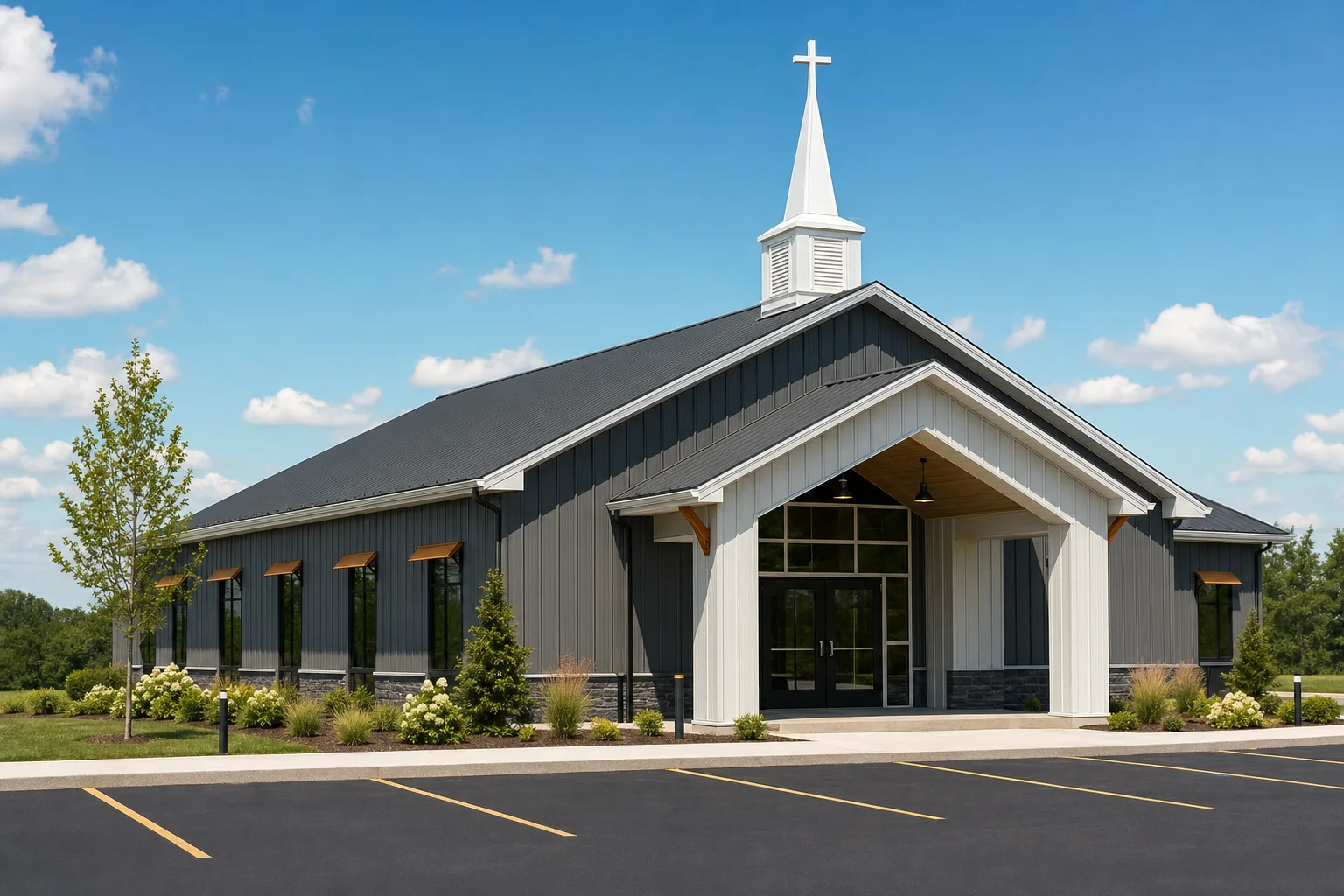
You can buy a metal building kit through four main channels: direct from the manufacturer, through a regional dealer or builder, from a big-box store or online marketplace, or from a local steel fabricator. Each one sells the same basic product, a pre-engineered steel shell that ships flat and bolts together on your slab, but they differ on price, engineering, delivery, and how much help you get along the way. The right channel depends on how custom the building is, whether you want a local face to call, and how much of the project you plan to run yourself.
This guide sits under the metal building kits pillar in our Basics & Buying silo. Below: the four channels and how they stack up, how to vet any seller before you hand over a deposit, the tradeoffs between buying local and buying national, and what to get in writing on every order. For head-to-head comparisons of specific named suppliers, see our metal building companies silo. This guide stays brand-neutral and focuses on how to pick a seller, not which one.
The channels
Where to buy a metal building kit
Four channels cover almost every purchase, and they sit on a spectrum from most hands-on to most do-it-yourself. A manufacturer or dealer handles engineering, permitting drawings, and delivery as part of the deal, while a marketplace listing or a local fabricator leaves more of that to you. Here is how the channels compare:
| Channel | Pros | Cons |
|---|---|---|
| Direct from manufacturer | Lowest markup, full engineering control, factory-stamped drawings for your site, one point of contact for the build | Less local hand-holding, you may coordinate delivery and a crew yourself, harder to inspect in person before buying |
| Regional dealer or builder | Local knowledge of codes and loads, in-person support, often handles install, easier to visit and vet | A markup over factory-direct, selection limited to the lines they carry, quality varies from one dealer to the next |
| Big-box store or online marketplace | Easy to compare listings, familiar checkout, some carry stocked carport and small-garage kits | Often a referral to a third party, thin engineering detail, support ends at the sale on many listings |
| Local steel fabricator | Custom sizing, short haul on delivery, you can see the shop and the work | Not always pre-engineered, may lack stamped drawings for a permit, pricing and lead time vary widely |
A channel comparison, not a verdict. The best channel is the one that matches your building and how much you want to manage.
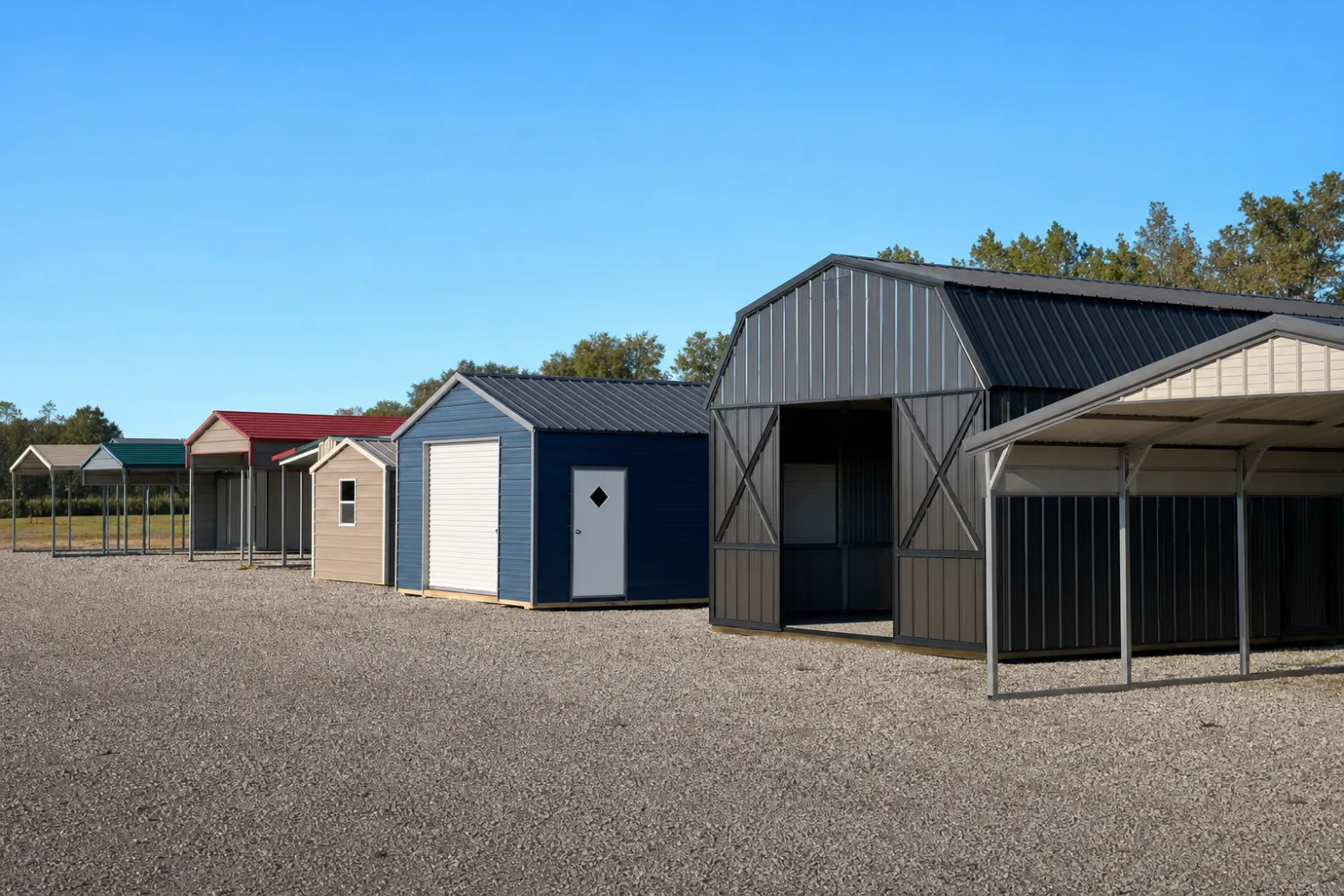
None of the four is the right answer for everyone. A simple stocked carport is an easy marketplace or big-box buy, while a wide-span shop stamped for real snow and wind loads belongs with a manufacturer or a dealer who engineers to your site. If you are weighing a stock size against a built-to-order shell, our custom vs standard kits guide shows how that choice narrows the channels worth calling.
Direct or dealer
Should you buy direct from the manufacturer?
Buying direct usually wins on price and engineering control, and a dealer usually wins on local support. When you order factory-direct, you cut the dealer markup and you talk to the people who engineer the building, which helps on a custom size or an unusual load. The tradeoff is that more of the coordination lands on you: delivery scheduling, a crew, and the permit legwork in your own county.
A regional dealer or builder adds a layer of cost and a layer of help. A good one knows your local code, sizes the building for your loads, and often manages or quotes the install, which is worth real money if you do not want to run the project yourself. The catch is that quality runs the full range, so a dealer is only as good as the manufacturer behind them and the crew they send. Either way, confirm the engineering is stamped for your state, the way a pre-engineered building should be, not a generic drawing.
The honest answer is that the channel matters less than the seller. A strong manufacturer and a strong dealer both deliver a sound building; a weak one in either channel sells you trouble. So treat direct-versus-dealer as a question of how much support you want and how much you want to manage, then vet the specific seller hard before the channel decides anything.
Vetting a seller
How to vet a metal building seller
Vet the seller before you vet the price. A low quote means nothing if the company cannot deliver the building it promised, so check the firm behind the number first. Run any seller, direct or dealer, through the same short list:
- Real address and history. Confirm a physical location, how long they have operated, and that the business is registered, not a thin website with a stock photo and a phone number.
- Stamped engineering for your state. Ask whether site-specific, engineer-stamped drawings are included. A seller who cannot provide them for your address is a problem at permit time.
- Written warranty terms. Get the structural and finish coverage in writing, and read what is excluded. Our warranties guide walks the document.
- Reviews and references. Read third-party reviews, not just the testimonials on their own site, and ask for recent customers in your region you can call.
- Clear, itemized pricing. A quote that breaks out the frame, panels, doors, freight, and engineering is a seller with nothing to hide. A vague lump sum is a red flag.
- Deposit and payment terms. Understand how much is due up front, what it secures, and the refund policy if the order falls through before production.
Two checks catch most bad actors. First, make them put the spec in writing, then compare it line by line against another quote, which is exactly what our quote-reading guide is built for. Second, ask a direct question and listen to how they answer: a seller who explains the engineering and the exclusions plainly is one to trust, and one who dodges is one to walk away from.
Local vs national
Buying local vs buying national
Local sellers trade price for proximity; national sellers trade proximity for selection and scale. A local dealer or fabricator gives you a shorter delivery haul, a face to meet, and someone who knows your county’s code and loads. A national manufacturer gives you a wider catalog, more engineering depth, and often a lower factory-direct price, but the support comes by phone and the building arrives on a long-haul truck.
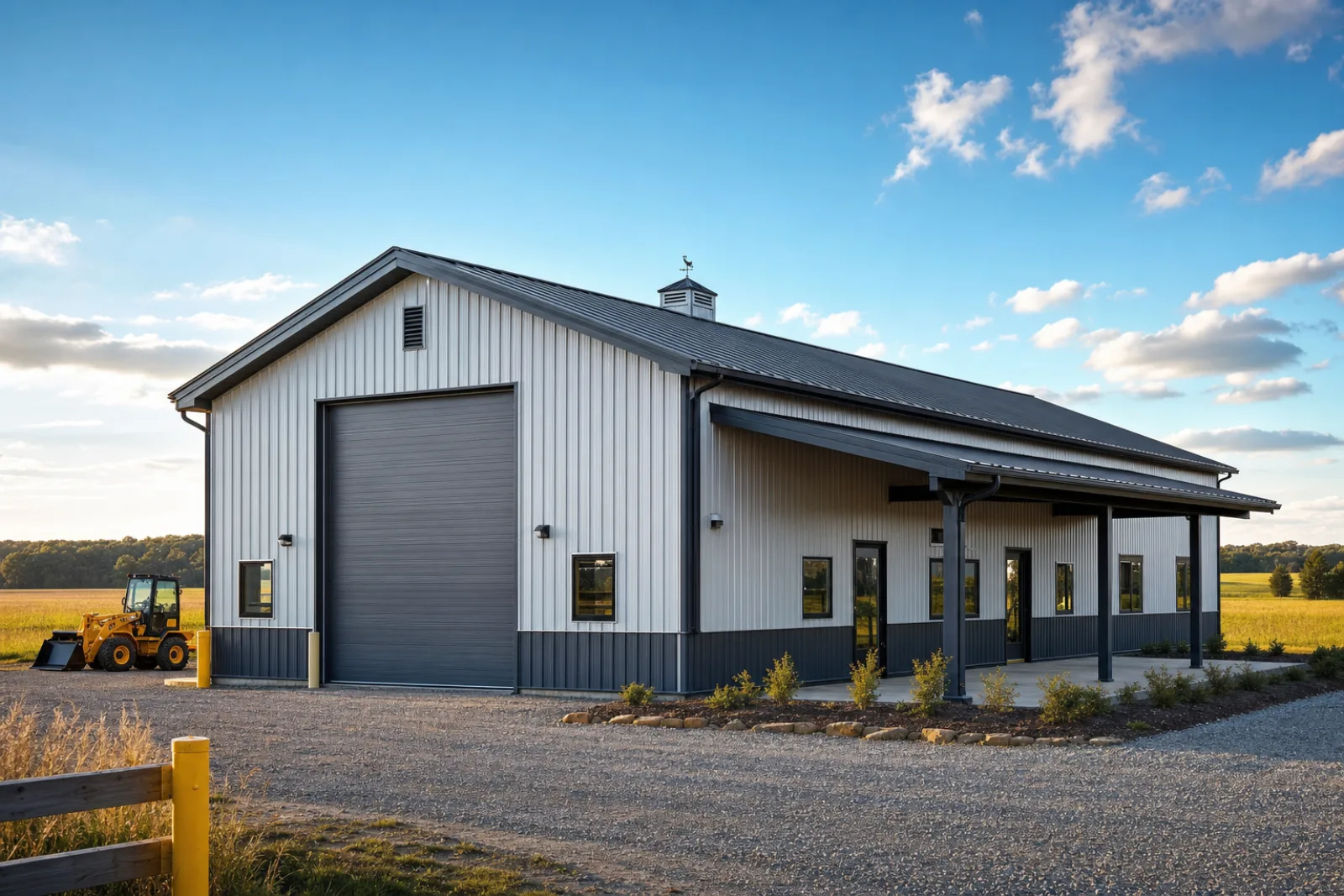
Neither is the cheaper choice by default once you count everything. A national direct price can beat a local quote on the steel, then give some of that back in freight across the country and in the time you spend coordinating from a distance. A local seller may cost a little more on paper and make it up in a short haul, easier site visits, and help with the permit. Run the comparison on the delivered, all-in number, including the freight and site costs, not the sticker on the shell alone.
The deciding factor is usually the building, not the map. A stock carport or a small garage is a fine long-distance buy, because the product is standard and the support matters less. A large, custom, or heavy-load building leans toward a seller you can reach and reach again, whether that is a strong local dealer or a national maker with real engineering on the phone. Decide what kind of building you are buying first, then let that point you local or national.
In writing
What to get in writing before you pay
Whatever the channel, the order is only as good as what is on paper. A handshake and a verbal price leave you exposed if the building that shows up does not match the one you thought you bought. Before any deposit clears, get these in writing:
- The full spec. Dimensions, gauge, frame type, panel and color, doors and windows, and any options, itemized rather than summarized.
- Stamped engineering. Confirmation that site-specific, engineer-stamped drawings for your state are included, and who provides them.
- Loads and code. The snow and wind values the building is engineered for, so they match what your buying checklist and your building department require.
- Total delivered price. The shell, freight, and any fees broken out, with what is and is not included, so there are no surprises on the invoice.
- Lead time and delivery terms. When it ships, how it ships, who unloads it, and what happens if the date slips.
- Warranty and payment terms. The structural and finish coverage, the deposit, the balance schedule, and the cancellation policy.
Match the order to the quote you compared
Before you sign, lay the final order next to the quote you used to choose the seller and confirm every line still matches. Sellers sometimes quote one spec and write up another, so the gauge, the loads, the doors, and the freight on the contract should equal what you were sold. If a line changed, ask why before you pay. Our quote-reading guide and buying checklist cover the line items to verify, and detailed comparisons of named suppliers live in the companies silo.
FAQ
Where to buy a metal building kit: common questions
Where can you buy a metal building kit?
From four main channels: direct from the manufacturer, through a regional dealer or builder, from a big-box store or online marketplace, or from a local steel fabricator. Manufacturers and dealers handle the engineering and stamped drawings for your site; marketplaces and some fabricators leave more of that to you. Match the channel to how custom the building is and how much you want to manage. See our companies silo for comparisons of named suppliers.
Is it better to buy local or online?
Neither is better for every build. A local dealer or fabricator gives you a shorter delivery haul, in-person support, and knowledge of your county’s code. A national online seller gives you wider selection and often a lower factory-direct price, with support by phone and a longer freight run. A stock carport buys well online; a large or custom building leans toward a seller you can reach. Compare on the delivered, all-in price, not the shell alone.
Do Home Depot and Lowe’s sell metal buildings?
Some big-box stores do carry or refer metal building kits, often stocked carports and small steel garages, and listings change by region and over time. In many cases the store is a referral to a third-party manufacturer who handles the engineering and delivery, so read the listing carefully to see who stands behind the building and its warranty. Confirm stamped drawings are available before you count on a big-box kit for a permitted structure.
Should you buy direct from the manufacturer?
Direct usually wins on price and engineering control, since you cut the dealer markup and reach the people who design the building. The tradeoff is that more coordination falls on you: delivery, a crew, and the permit work in your county. A regional dealer adds cost and adds local support and often install. The channel matters less than the seller, so vet the specific company hard either way.
How do you vet a seller?
Confirm a real address and operating history, that engineer-stamped drawings for your state are included, and that the warranty terms are in writing. Read third-party reviews, ask for recent customers in your area, and insist on an itemized quote you can compare line by line. A seller who explains the engineering and the exclusions plainly earns trust; one who dodges does not. Our quote-reading guide shows what to check.
What should you get in writing before paying?
The full itemized spec, confirmation of stamped engineering for your state, the snow and wind loads, the total delivered price with freight broken out, the lead time and delivery terms, and the warranty and payment terms including the cancellation policy. Match the final order against the quote you used to pick the seller, and question any line that changed. The buying checklist lists the rest.
Related guides
Keep reading
Choosing where to buy ties into reading the quote, the spec, and the warranty. Follow these next:
- Metal building kits: the complete guide (the parent pillar).
- How to read a metal building quote (the line items to compare across sellers).
- Custom vs standard metal building kits (how the build narrows the channels worth calling).
- Metal building warranties (the coverage to get in writing before you pay).
- Metal building companies (compare specific named suppliers, cross-silo).
- Metal building buying checklist (everything to verify before you sign).