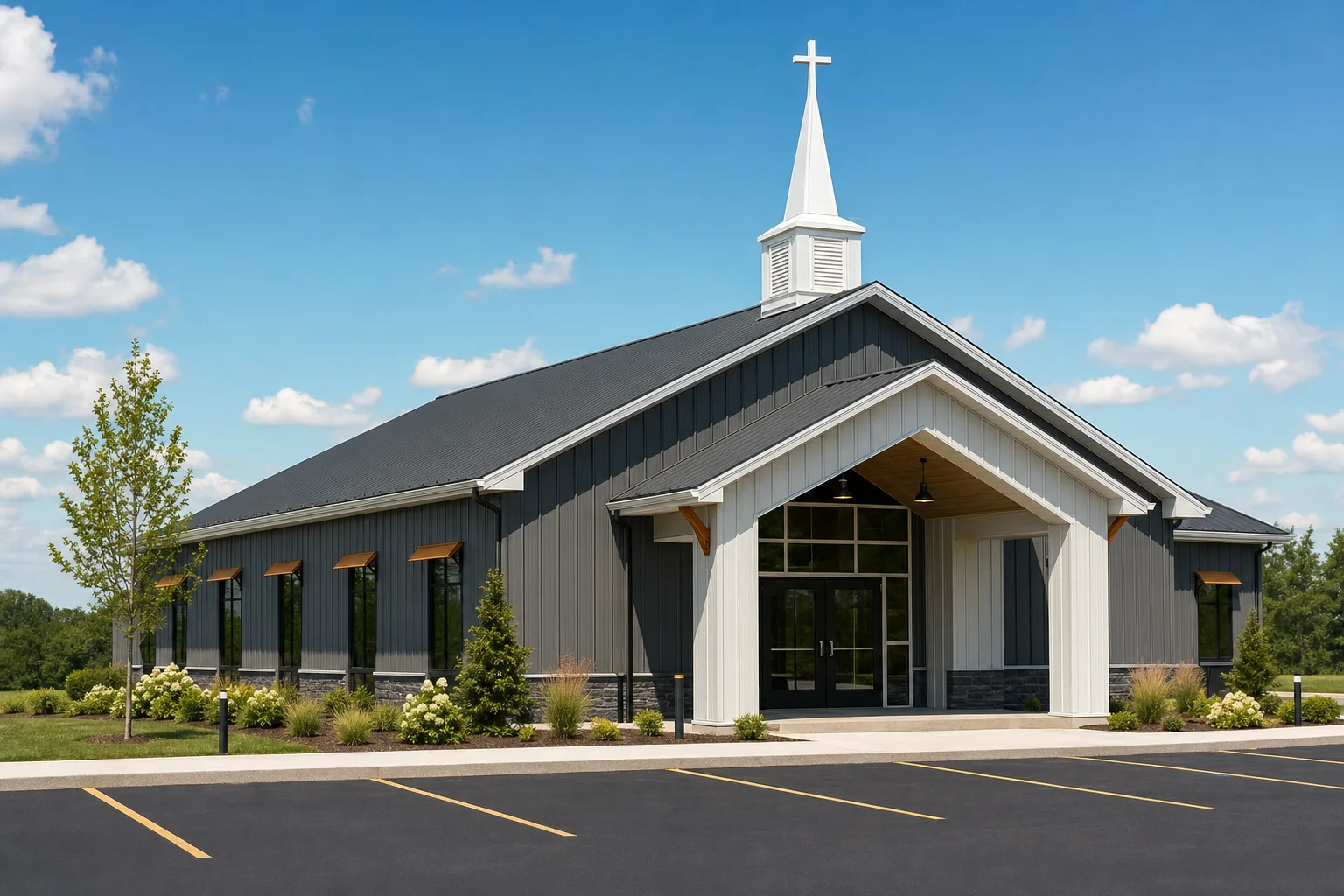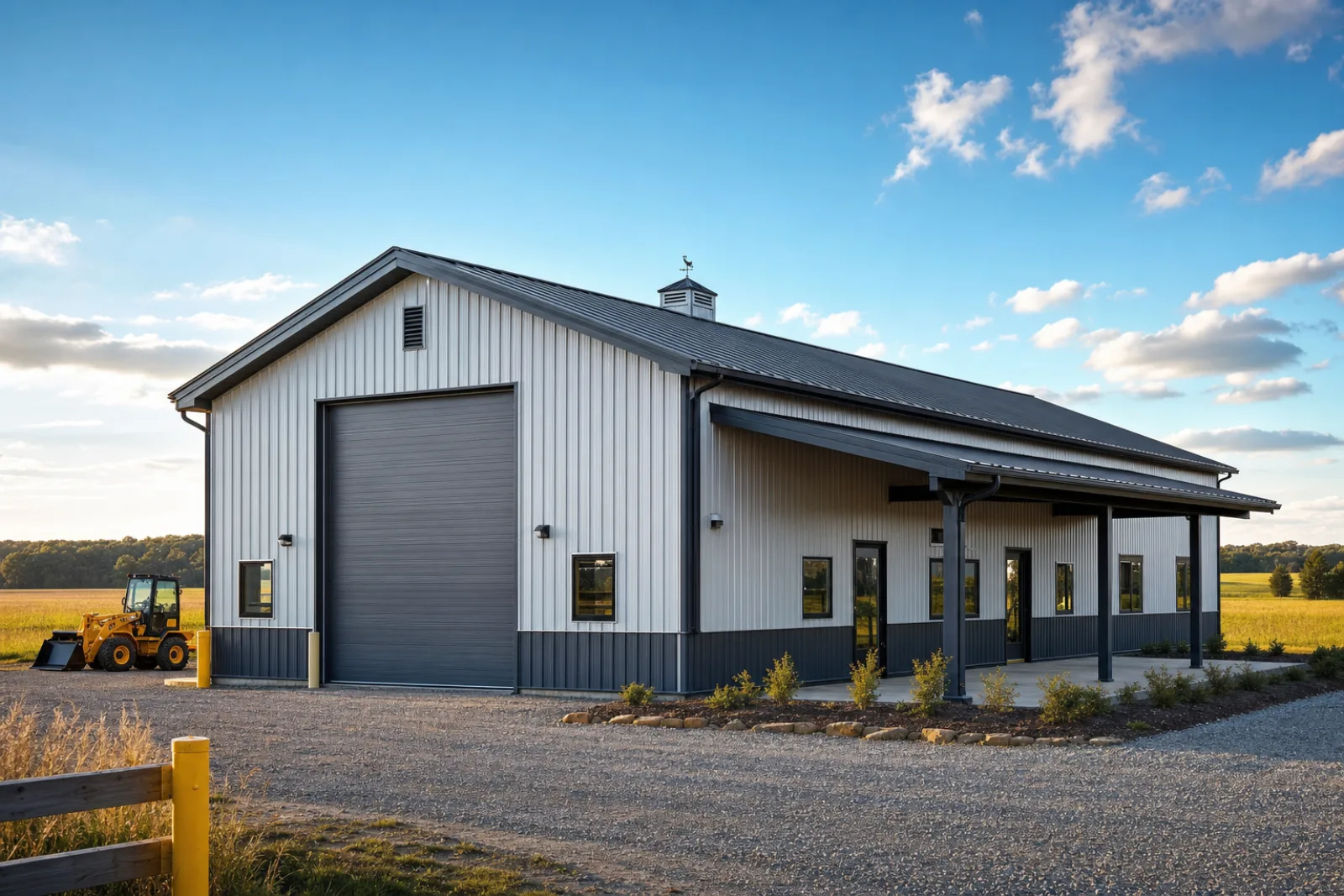
Two things shape a metal building in Pennsylvania: a statewide code with local enforcement, and snow. The Pennsylvania Uniform Construction Code (UCC) sets one baseline across the Commonwealth, then your township, borough, or city issues the permit and inspects the work. Ground snow load is the design number that drives the frame in most of the state, and it climbs fast as you move north and into the mountains.
This guide sits under the metal buildings by state pillar and covers what changes when you build in Pennsylvania: the code edition, when an engineer has to stamp your drawings, the loads your kit must carry, and who you file with. Every hard number here is a typical range flagged ‹confirm›. Confirm the exact values with your local building department before you order steel, because they are set at the county and municipal level, not statewide.
Codes & permits
Pennsylvania building codes and permits
Pennsylvania enforces one statewide code, the Uniform Construction Code, adopted under Act 45 of 1999 and administered by the Department of Labor and Industry. The UCC is built on the International Building Code and International Residential Code, currently the 2018 editions ‹confirm›. Most municipalities elect to administer and enforce the UCC themselves, so the rules are uniform while the front desk is local.
For a metal building, the practical reading is this. Your kit needs site-specific drawings stamped and sealed by an engineer licensed in Pennsylvania, sized for your exact wind and snow numbers ‹confirm›. A reputable supplier provides these, and Chapter 22 of the IBC governs the structural steel itself. One-story detached accessory structures under 1,000 square feet are exempt from a UCC building permit at the state level, but most townships cap that exemption far lower, often near 200 square feet ‹confirm›, so a garage or shop almost always needs a permit.
Verify with your local building department
The state writes the code; your municipality enforces it and can add stricter local amendments, zoning setbacks, and lot-coverage limits. Read the permits and codes guide for the full process, then call the township or city office that covers your parcel before you buy. They confirm the permit threshold, the fee, and whether your use is even allowed on the lot.
Permit fees vary by municipality and project value. Residential permits commonly run from a low base fee into the low hundreds of dollars ‹confirm›, often calculated per thousand dollars of construction value, and every PA permit carries a mandatory state UCC training surcharge on top ‹confirm›. Skipping the permit is the expensive path: stop-work orders, doubled fees, forced retrofits, and problems when you sell or insure.
Loads
Wind, snow, and seismic loads in Pennsylvania
Snow is the load that usually decides a Pennsylvania frame. Ground snow loads across the state typically fall in a wide band, lighter in the southeast near Philadelphia and heavier across the northern tier, the Poconos, and the Laurel Highlands, where mountain counties push well past the statewide low end ‹confirm›. Wind matters too, though Pennsylvania sits inland, so basic design wind speeds stay moderate compared with the coast ‹confirm›. Seismic demand is low to moderate across most of the Commonwealth ‹confirm›.
| Load type | Typical Pennsylvania range ‹confirm› | Who sets it |
|---|---|---|
| Ground snow load | About 20 to 50+ psf; higher in northern and mountain counties | County / local building department |
| Design wind speed | Roughly 105 to 115 mph (ASCE 7, Risk Category II) | Adopted with the state UCC, applied locally |
| Seismic | Low to moderate; low Seismic Design Category in most areas | Site class and local authority |
Illustrative ranges only. Your jurisdiction assigns the exact design values; verify locally before ordering.
Do not order a kit to a guessed number. Get your site’s ground snow load and wind speed from the building department, hand them to your supplier, and have the frame engineered to match. Our snow load and wind load guide explains how these figures translate into steel, and the foundation options guide covers how frost depth in a cold state shapes the slab and footings below the frame.
Climate
Climate and insulation for Pennsylvania metal buildings
Pennsylvania is a cold-climate state, so insulation here is about holding heat and stopping condensation, not fighting humidity. The state spans IECC climate zones 4A in the far southeast through 5A across the middle and 6A in the northern and mountain regions ‹confirm›. The colder your zone, the more roof and wall R-value earns its cost over a Pennsylvania winter.
The quiet problem in any heated steel building up here is condensation. Warm interior air meets cold panels, water forms, and an uninsulated shell drips. A proper vapor barrier and continuous insulation handle it. Our metal building insulation guide walks the assemblies that work in a four-season climate, from the roof down to the base of the wall.
Pricing
What drives metal building prices in Pennsylvania
Two regional forces move a Pennsylvania quote: the loads your frame has to carry and where the steel comes from. A building engineered for heavy northern snow uses more steel than the same footprint near Philadelphia, so the same size can price differently across the state ‹confirm›. Freight is the other lever, since delivery distance from the mill or fabricator to a rural county adds to the landed cost.
Treat any figure you see as a 2026 illustrative starting point, not a quote. A bare kit shell commonly lands in the low-to-mid teens of dollars per square foot ‹confirm›, before slab, insulation, delivery, permits, and erection. Those line items often rival the steel itself. The metal building kit prices pillar breaks the full budget down so you can compare quotes line by line instead of on a single total.
Where & who
Popular uses and metro building departments
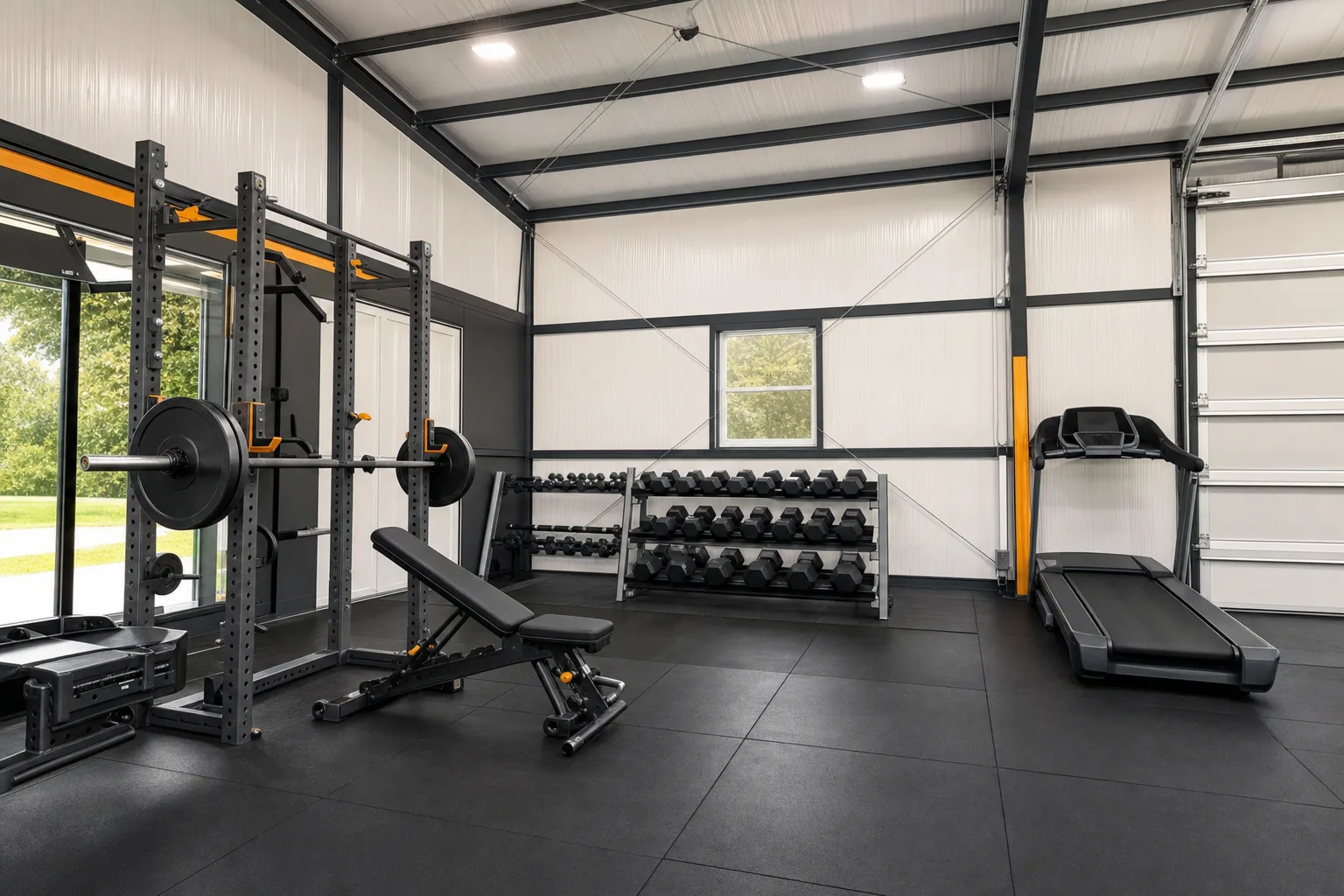
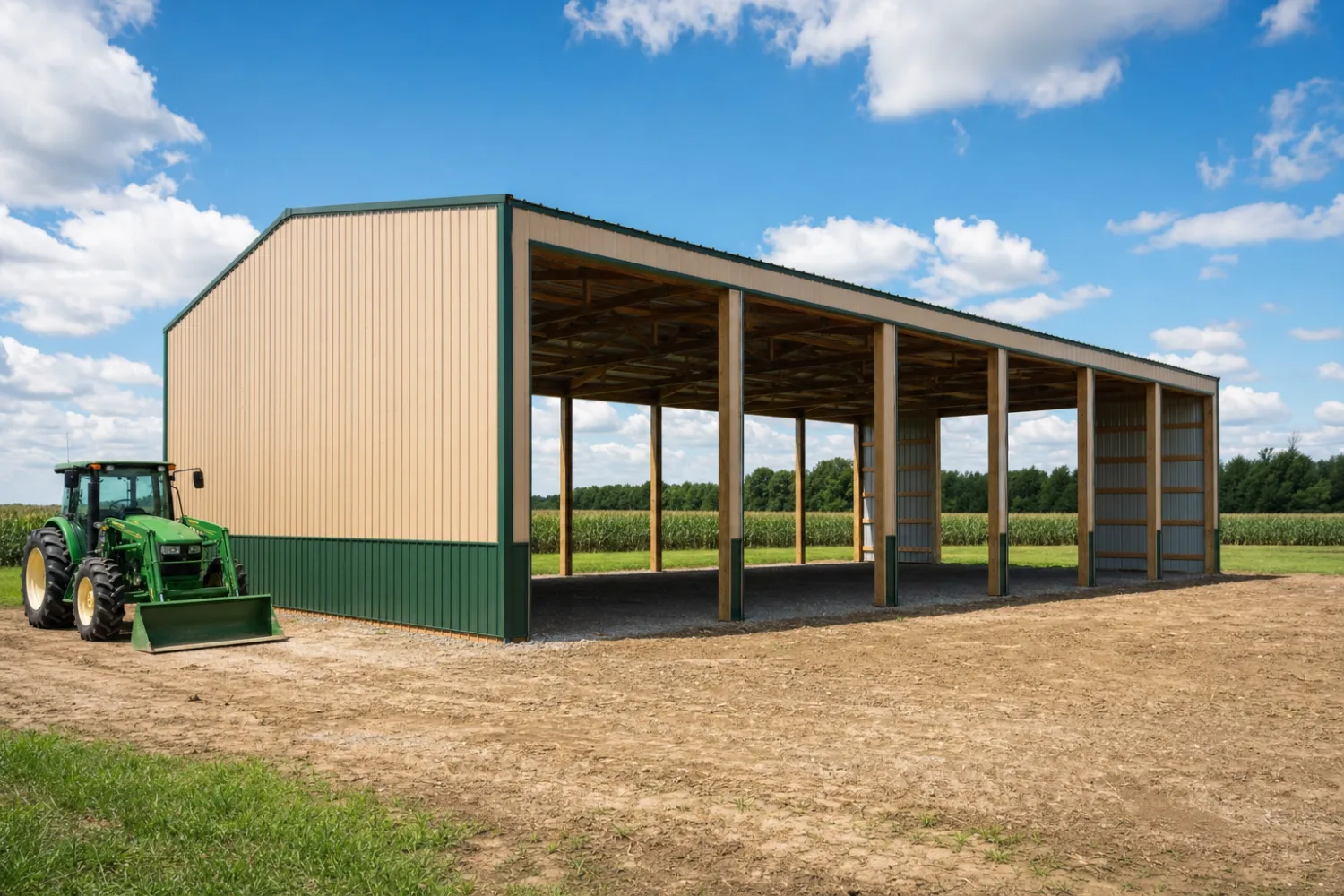
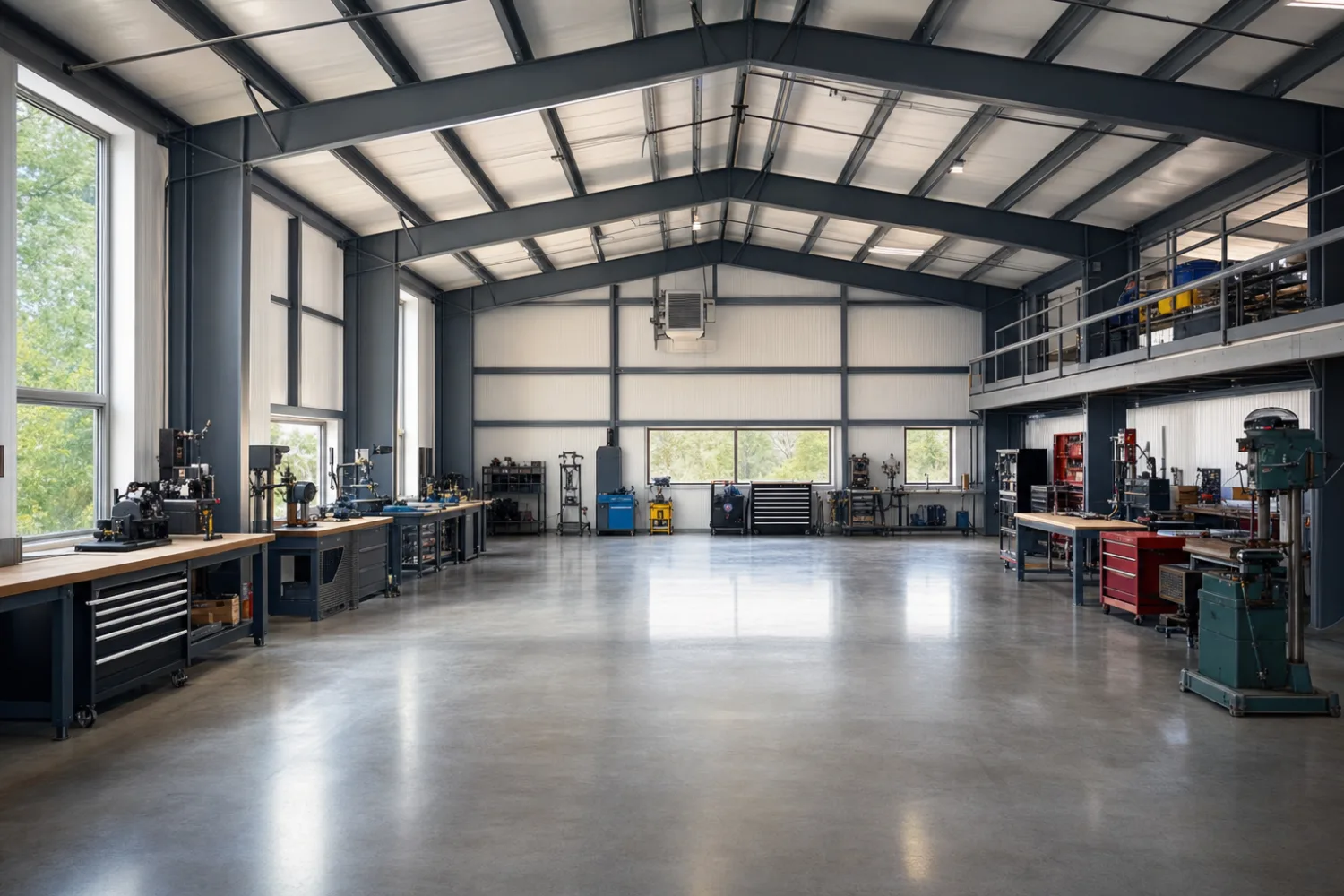
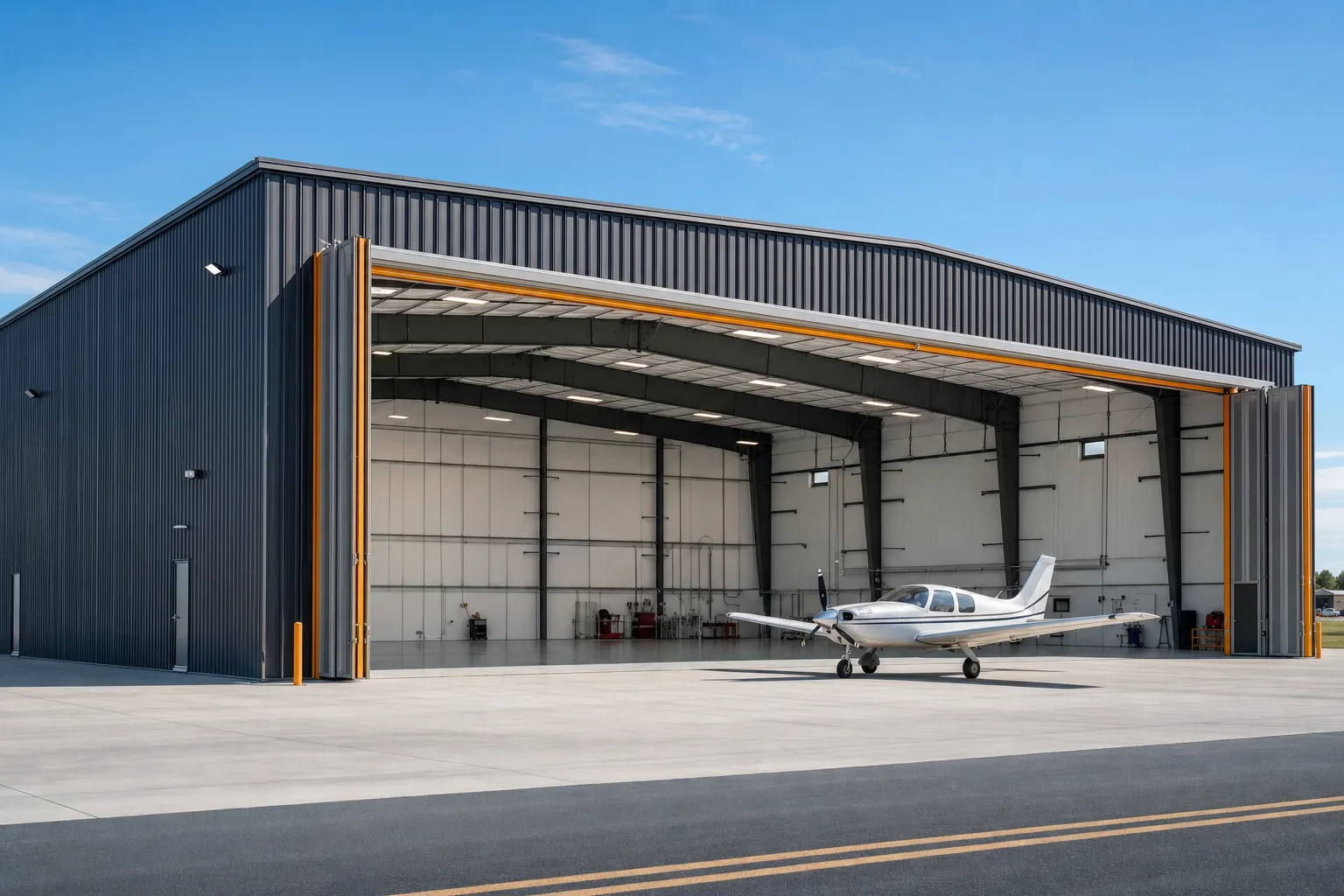
Pennsylvanians build the full range in steel: farm and equipment buildings across the rural center and north, home workshops and detached garages in the suburbs, barndominiums on acreage, and warehouses near the freight corridors around Philadelphia, Pittsburgh, and the Lehigh Valley. Whatever you build, you file with the local authority that covers your parcel, not a single state office. The major metros and their permit offices ‹confirm›:
- Philadelphia. The Department of Licenses and Inspections (L&I) issues building permits and runs inspections for the city ‹confirm›.
- Pittsburgh. The Department of Permits, Licenses, and Inspections (PLI) handles permitting inside the city ‹confirm›.
- Allentown, Bethlehem, and the Lehigh Valley. Each city and surrounding township runs its own code office under the state UCC ‹confirm›.
- Erie and the northwest. City and county offices administer the UCC for the colder, higher-snow northern tier ‹confirm›.
Outside the cities, Pennsylvania is a patchwork of townships and boroughs, each its own authority having jurisdiction. Call the one that covers your address, confirm the permit threshold and the load values, and build to those numbers.
FAQ
Pennsylvania metal building questions
Do I need a permit for a metal building in Pennsylvania?
Usually yes. Under the statewide UCC, new construction and most structural work needs a building permit. One-story detached accessory structures under 1,000 square feet are exempt at the state level, but most townships cap the exemption near 200 square feet ‹confirm›, so a garage, shop, or barn almost always requires one. Always confirm the threshold with your local building department.
What can you build without a permit in PA?
Small non-structural projects: replacing doors and windows in the same opening, fences, low uncovered decks, and small sheds. The state exempts detached accessory structures under 1,000 square feet, yet most municipalities tighten that to roughly 200 square feet and still enforce zoning setbacks ‹confirm›. Anything with electrical or plumbing generally needs a permit regardless of size.
Do metal building plans need an engineer’s stamp in Pennsylvania?
For a permitted building, yes. The UCC calls for site-specific drawings stamped and sealed by an engineer licensed in Pennsylvania, sized for your exact wind and snow loads ‹confirm›. A reputable kit supplier provides stamped engineered drawings for your address as part of the package.
How much does a building permit cost in PA?
It varies by municipality and project value. Residential permits commonly run from a small base fee into the low hundreds of dollars, often figured per thousand dollars of construction value, plus a mandatory state UCC training surcharge on every permit ‹confirm›. Commercial projects cost more. Your local office quotes the exact fee.
Who issues building permits in Pennsylvania, the state or the local government?
The state writes the code, but your municipality issues the permit and inspects the work. Most townships, boroughs, and cities administer the UCC themselves through a local code office or a third-party agency. In the big cities that means Philadelphia’s Department of Licenses and Inspections or Pittsburgh’s Department of Permits, Licenses, and Inspections ‹confirm›.
Does a metal building increase property taxes in Pennsylvania?
A permanent, permitted structure on a foundation can raise your assessed value and therefore your property taxes ‹confirm›. The increase depends on the building’s size, use, and your county’s assessment. Ask the county assessment office how a new structure would be valued before you build.
What happens if you build without a permit in PA?
If the municipality finds unpermitted work, through inspection, aerial imagery, or a complaint, it can issue a stop-work order, charge penalty fees above the normal permit cost, and require you to bring the building up to code or remove it ‹confirm›. Unpermitted structures also create problems with insurance claims and at resale, so permit first.
Read next
Keep reading
Compare neighboring states, then go deeper on the specs that decide your build:
- Metal building kits in New York (a neighboring state guide).
- Metal building kits in New Jersey (a neighboring state guide).
- Metal building kits in Maryland (a neighboring state guide).
- Metal building kits in Ohio (a neighboring state guide).
- Metal building permits and codes (the permitting process in depth).
- Snow load and wind load explained (how design numbers become steel).
- Metal building foundation options (slabs and footings in cold ground).
- Metal building insulation (holding heat and stopping condensation).
- Metal building kit prices (the full cost breakdown).
Sources
Sources
Hard values above are flagged ‹confirm› and set locally. Verify them with your building department. These public sources support the code, permit, and authority statements:
- PA Uniform Construction Code, municipal adoption (Act 45 of 1999): https://ecode360.com/32163859
- Pennsylvania UCC administration, 34 Pa. Code Ch. 403: https://www.pacodeandbulletin.gov/Display/pacode?file=/secure/pacode/data/034/chapter403/s403.42.html
- Pennsylvania Building Code 2018, Chapter 22 Steel (up.codes): https://up.codes/viewer/pennsylvania/ibc-2018/chapter/22/steel
- Commonwealth of Pennsylvania, DCED industrialized buildings: https://dced.pa.gov/housing-and-development/commercial-modular-buildings/
- Pennsylvania shed & garage permit guide (accessory exemption thresholds): https://whitepinestructures.com/guides/pa-permit-guide
- Metal buildings in Pennsylvania, code authority (Dept. of Labor & Industry): https://metalbuildingsus.com/pennsylvania/
- City of Philadelphia, Department of Licenses and Inspections: https://www.phila.gov/departments/department-of-licenses-and-inspections/
- City of Pittsburgh, Department of Permits, Licenses, and Inspections: https://www.pittsburghpa.gov/Home/Departments/Permits-Licenses-Inspections