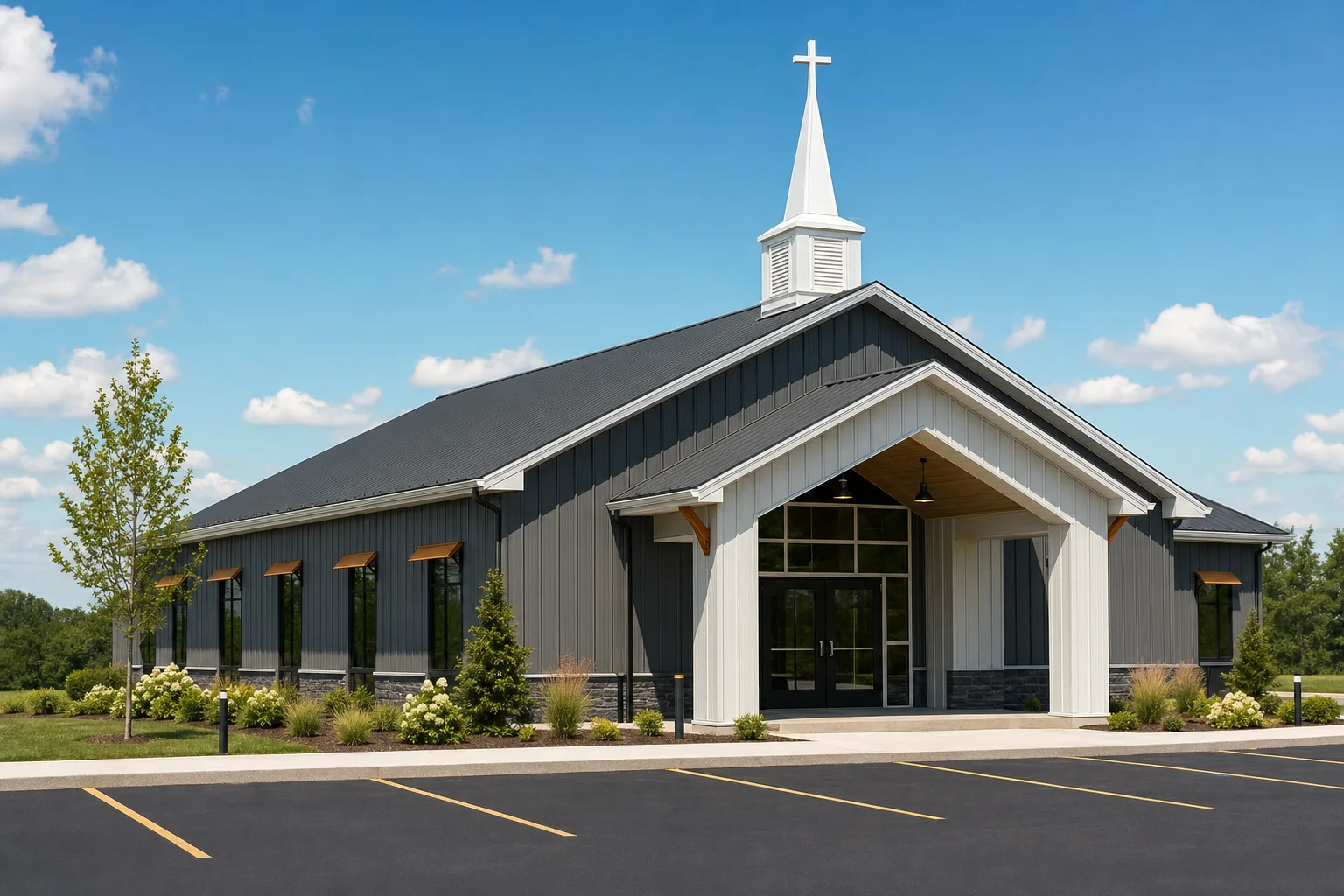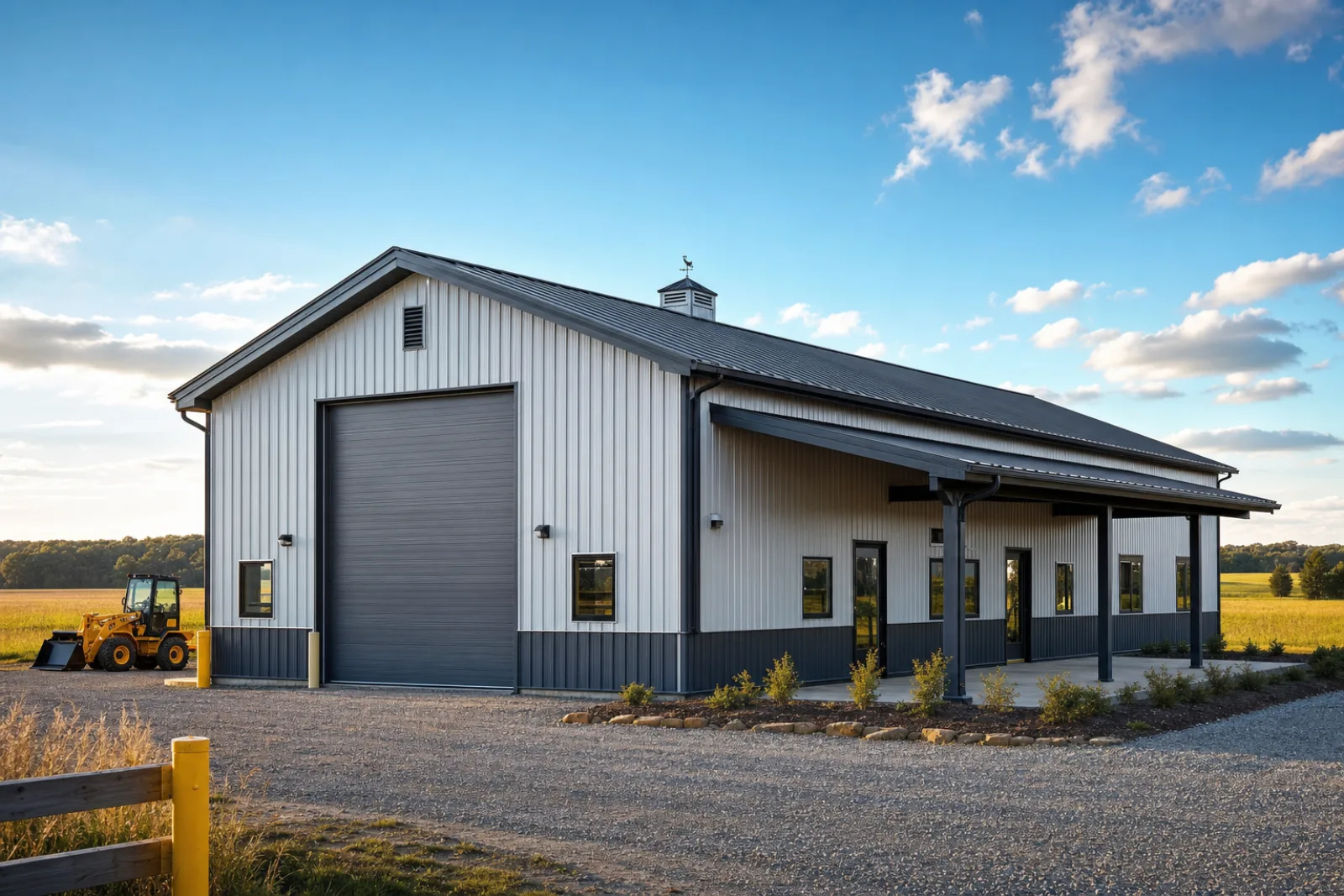
A metal building in Maryland answers to two things first: humid mid-Atlantic weather and a permit that your county, not the state, controls. The wind off the Chesapeake and the Atlantic coast drives the structural side, while summer humidity makes condensation control the insulation priority. No single statewide load number applies, because each jurisdiction sets and inspects its own.
This guide sits under our metal buildings by state pillar and covers what changes when you build steel in Maryland: the code your county enforces, the wind and snow your frame has to carry, the climate zone that shapes insulation, and the metro permit offices you will deal with. Treat every number here as a typical range to confirm locally, not a fixed spec.
Codes & permits
Maryland building codes and metal building permits
Maryland runs on the Maryland Building Performance Standards (MBPS), a state law that makes every county and municipality adopt the same statewide model code, then enforce it locally. The MBPS is built on the International Building Code and International Residential Code, with the 2021 editions in force across most jurisdictions ‹confirm›. Your county can amend and add to that base, so the rule that governs your slab is the local one. See our permits and codes guide for the national picture.
Permits are issued at the county or city level, never by the state. For most enclosed metal buildings beyond a small shed, you submit a site plan plus engineered drawings stamped by a Maryland-licensed engineer that show your structure meets local wind and snow loads ‹confirm›. Accessory-structure exemptions vary widely: Baltimore County exempts sheds up to about 120 square feet, while Montgomery, Prince George’s, and Washington counties run closer to 200 square feet ‹confirm›. Even an exempt structure still has to clear zoning for setbacks, height, and floodplain rules.
Before you order steel
Call your county permit office and confirm the adopted code edition, the stamp threshold, and the setbacks for your parcel. A kit engineered for the wrong load or sited inside a setback is the most expensive mistake in the whole permit process. Verify with your local building department.
Loads
Wind, snow, and seismic loads in Maryland
Wind is Maryland’s dominant design concern. The Eastern Shore and Atlantic coast sit in a hurricane-influenced zone, so ultimate design wind speeds there run higher than the interior, and your frame and anchorage get sized for it. Snow matters most in the western mountains, where Garrett and Allegany counties carry heavier ground loads than the Baltimore-Washington corridor. Seismic demand is low statewide.
| Load type | Typical Maryland range ‹confirm› | Who sets it |
|---|---|---|
| Ultimate design wind speed | About 110–115 mph inland, 120–130 mph on the coast | Local jurisdiction per ASCE 7 |
| Ground snow load | About 25–30 psf central and east, higher in the western mountains | County building department |
| Seismic design category | Generally low (A–B) statewide | Local jurisdiction per IBC |
Typical ranges only. Your stamped drawings carry the binding numbers for your site.
These figures swing by county and even by parcel, so read them as orientation, not as your spec. The snow load and wind load guide explains how engineers turn these into the steel weight and anchor pattern on your plans. Confirm the governing values with your local building department before you buy.
Climate & insulation
Climate zone and insulation strategy
Most of Maryland falls in IECC climate zone 4A, a mixed-humid zone, with the far western mountains closer to zone 5A ‹confirm›. That mix means your steel building fights two things at once: cold-season heat loss and warm-season humidity.
In a humid 4A climate, condensation control is the priority. Warm, moist air hitting cool steel panels is what drives the drips, rust, and mildew that ruin an uninsulated metal building. A continuous vapor barrier and a ventilation plan matter as much as raw R-value here. Our metal building insulation guide walks through the assemblies that handle a mixed-humid climate, and pairs with sound foundation detailing to keep ground moisture out.
Price factors
What drives metal building prices in Maryland
Maryland sits within reach of mid-Atlantic steel supply, so freight is rarely the line that breaks a budget. Labor and permitting are the regional swing factors. Crews and inspection fees in the Baltimore-Washington corridor run higher than in the rural Eastern Shore or western counties, and that gap shows up in your installed cost ‹confirm›.
Engineering is a real line item here too. Because most counties want stamped drawings sized for coastal wind, the engineering and anchorage detail on a Maryland building can cost more than the same kit shipped to a low-wind inland state ‹confirm›. For how the base kit price is built before those regional adders, see the metal building kit prices pillar. Treat any figure as a dated 2026 illustration, not a quote.
Uses & metros
Popular uses and Maryland metro building departments
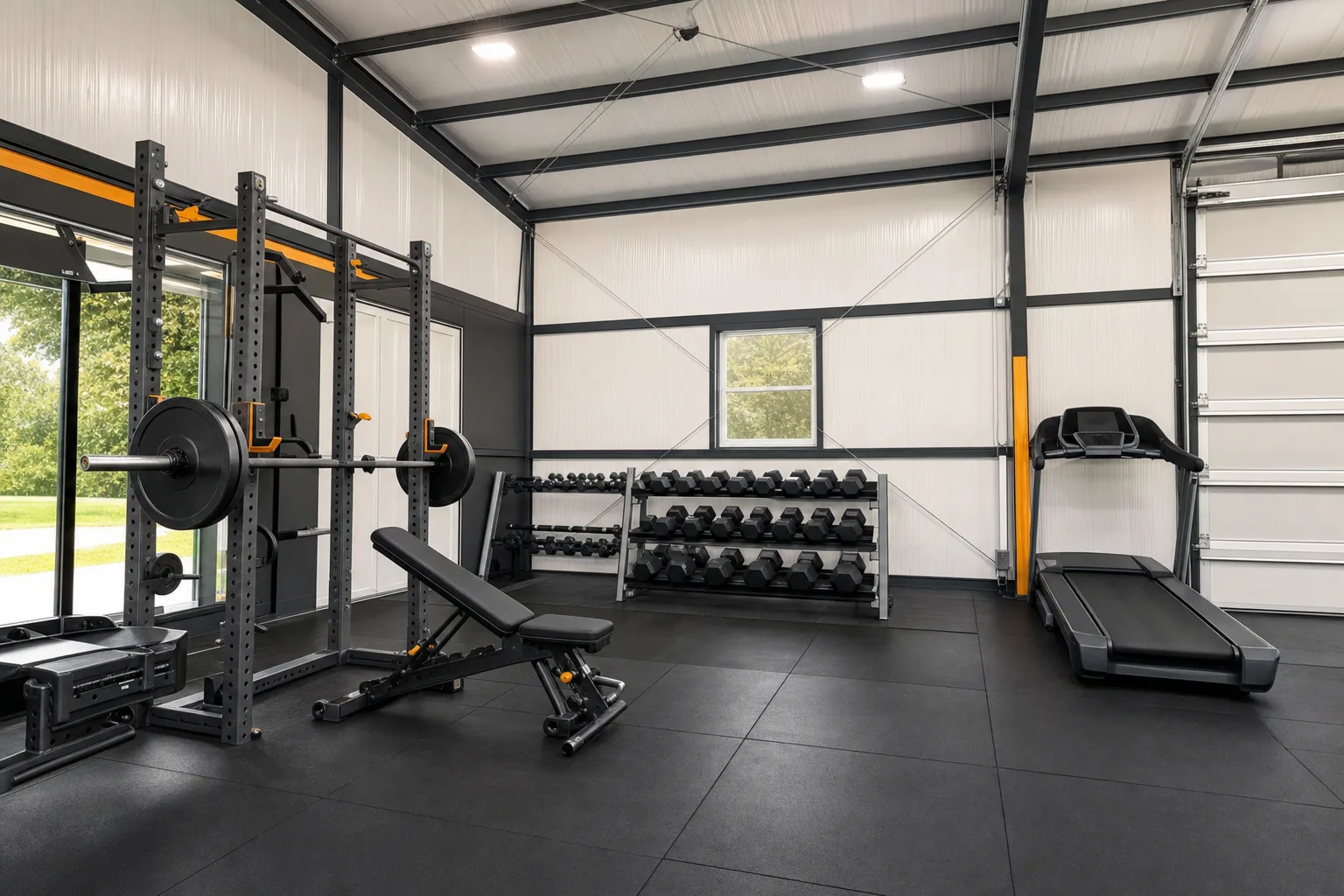
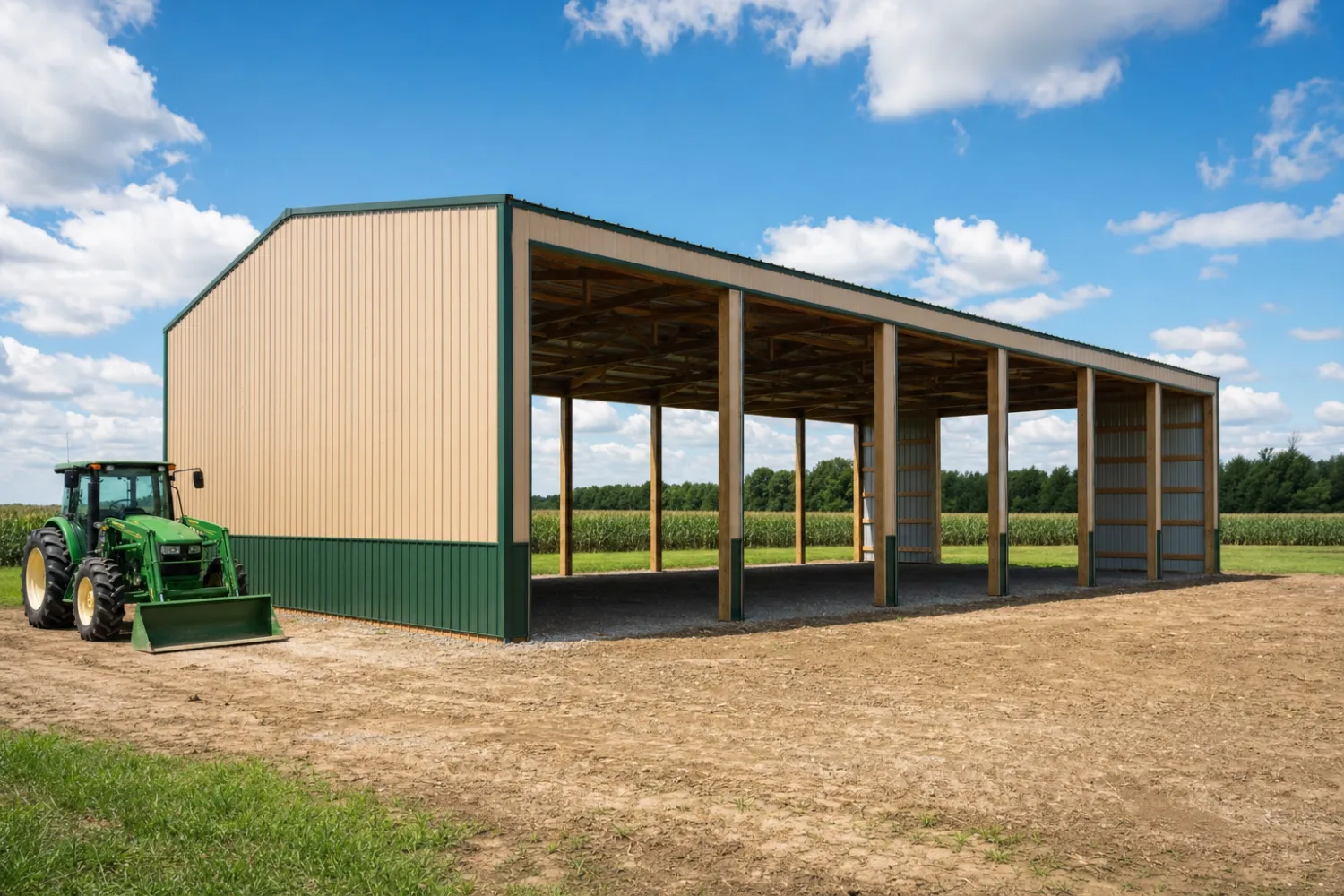
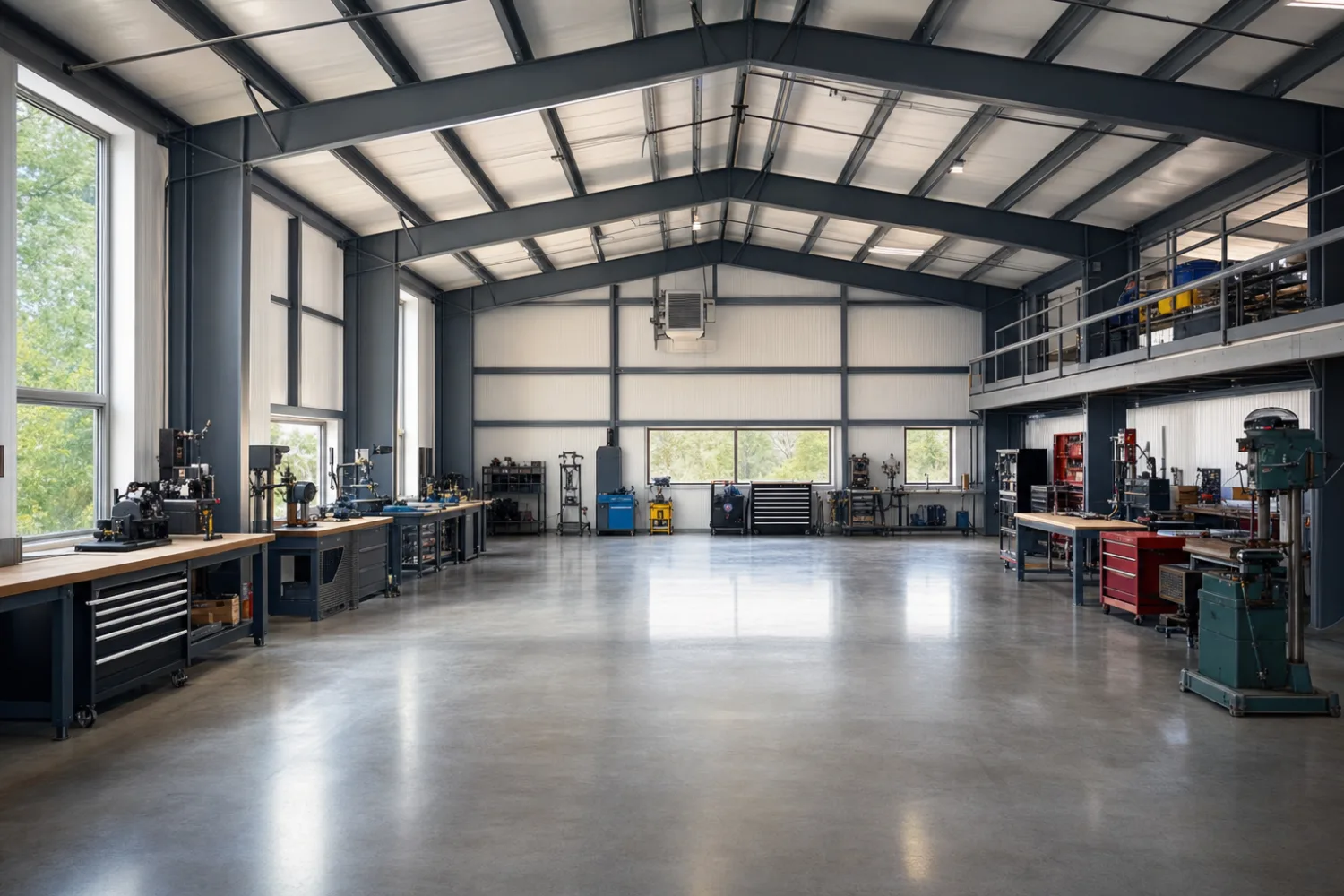
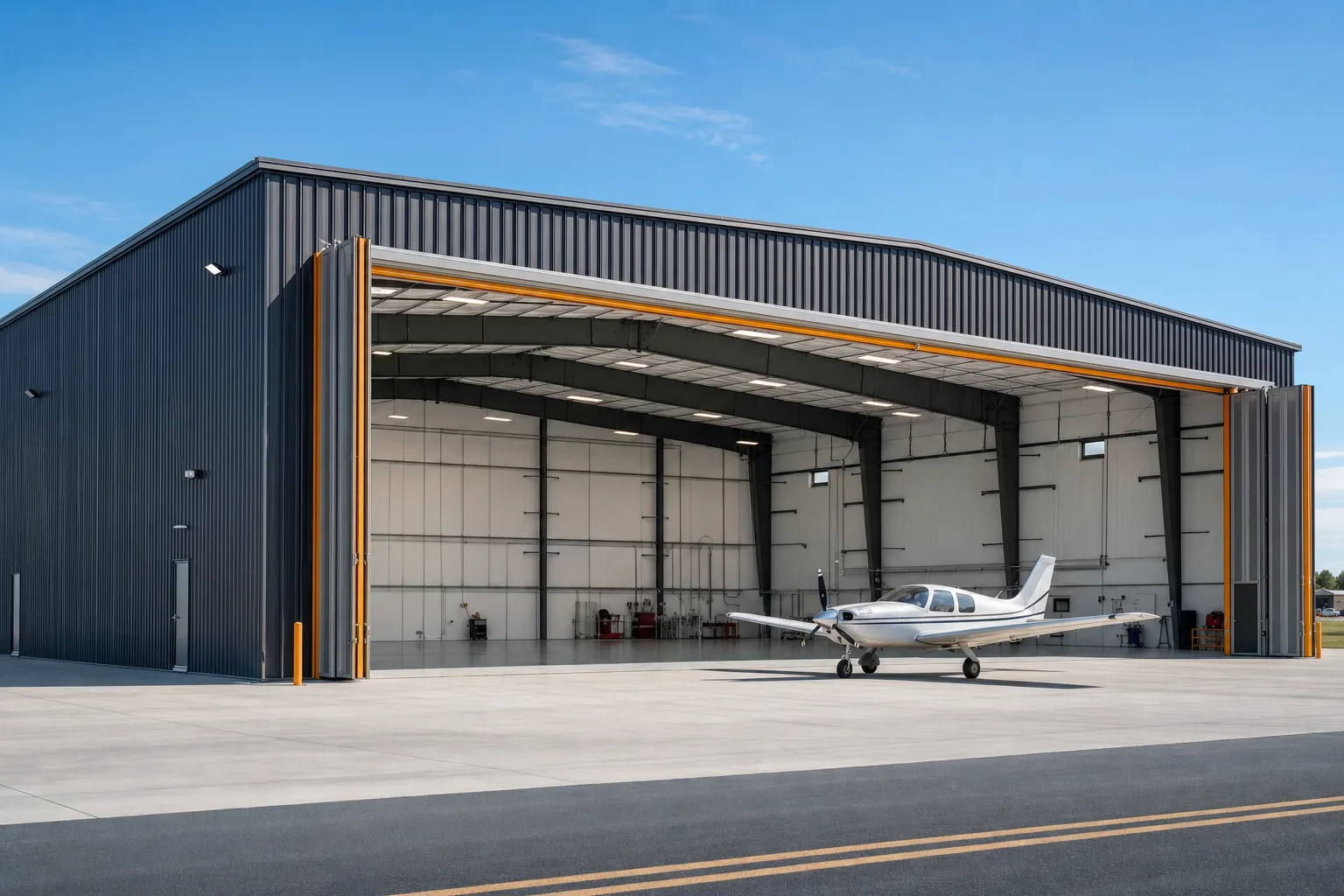
Marylanders build steel for a wide span of uses: detached garages and workshops in the suburbs, equipment and hay barns on Eastern Shore farms, and warehouse and light-commercial shells along the I-95 corridor. The permit path runs through the local office, and the big metros each have their own.
- Baltimore County. The Department of Permits, Approvals and Inspections (PAI) in Towson handles building permits and inspections for the county ‹confirm›.
- Baltimore City. Permits run through the Baltimore City Housing Department, which oversees permitting and code enforcement inside city limits ‹confirm›.
- Montgomery and Prince George’s counties. Each runs its own permitting office in the Washington suburbs, with its own accessory-structure thresholds ‹confirm›.
- Western and Eastern Shore counties. Allegany, Garrett, Wicomico, and others enforce the MBPS through county building offices, sometimes on older adopted code editions ‹confirm›.
Names, thresholds, and adopted editions change, so confirm the office and its current rules with your local building department before you design around them.
FAQ
Maryland metal building questions
Do I need a permit for a metal building in Maryland?
For most enclosed metal buildings, yes. Permits are issued by your county or city, and the threshold for an exemption depends on where you are. Small accessory sheds, roughly 120 to 200 square feet depending on the county, are often exempt from a building permit, but you still have to meet zoning setbacks and height limits. Verify with your local building department.
What is the biggest shed I can build without a permit in Maryland?
There is no single statewide limit. Baltimore County exempts sheds up to about 120 square feet, Carroll County around 150, and Montgomery, Prince George’s, and Washington counties up to about 200 square feet ‹confirm›. Even when a building permit is not required, zoning and setback approval usually still is.
Do metal building plans need an engineer’s stamp in Maryland?
For anything beyond a small exempt shed, most Maryland counties require drawings stamped by an engineer licensed in the state, showing the structure meets local wind and snow loads ‹confirm›. A reputable kit supplier provides stamped plans for your specific site. Confirm the stamp threshold with your county office.
What building code does Maryland use?
Maryland enforces the Maryland Building Performance Standards (MBPS), which adopts the International Building Code and International Residential Code statewide, with the 2021 editions in force across most jurisdictions ‹confirm›. Counties can amend the base code, so the governing version is the one your local office has adopted.
What happens if I build a metal building without a permit?
It can get expensive. Counties can issue stop-work orders, charge fines that run well above the normal permit fee, and order you to bring the structure up to code or remove it. Unpermitted work also creates problems with appraisals, insurance claims, and refinancing or selling the property later.
How much wind load does a Maryland metal building need to handle?
It depends on the county. Inland Maryland sites generally design to ultimate wind speeds around 110 to 115 mph, while the Atlantic coast and lower Eastern Shore run higher, into the 120 to 130 mph range ‹confirm›. Your stamped drawings carry the binding figure. Confirm it with your local building department.
What insulation does a metal building in Maryland need?
Maryland’s mixed-humid climate makes condensation control the first job. A continuous vapor barrier behind the panels plus a ventilation plan stops the moisture that causes drips and rust, and you add R-value on top for the cold season. The insulation guide covers assemblies that suit a zone 4A climate.
Read next
Keep reading
Building near a state line, or want the underlying mechanics? Start here:
- Metal building kits in Virginia
- Metal building kits in Pennsylvania
- Metal building kits in Delaware
- Metal building kits in West Virginia
- Metal building permits and codes
- Snow load and wind load explained
- Metal building foundation options
- Metal building insulation
- Metal building kit prices
Sources
Sources
- Maryland Department of Labor, Building Codes Administration (MBPS): https://labor.maryland.gov/labor/build/buildcodes.shtml
- Washington County, MD, Local Amendments to the 2021 Codes: https://www.washco-md.net/wp-content/uploads/Local-Amendments-2021-Codes.pdf
- Allegany County, MD, Building Permits: https://gov.allconet.org/1799/Building-Permits
- Wicomico County, MD, Chapter 117 Building Construction: https://ecode360.com/10168213
- Baltimore County Department of Permits, Approvals and Inspections: https://www.baltimorecountymd.gov/departments/pai/
- RHINO Steel Building Systems, Metal Building Permits & Codes: https://www.rhinobldg.com/metal-building-permits-codes/