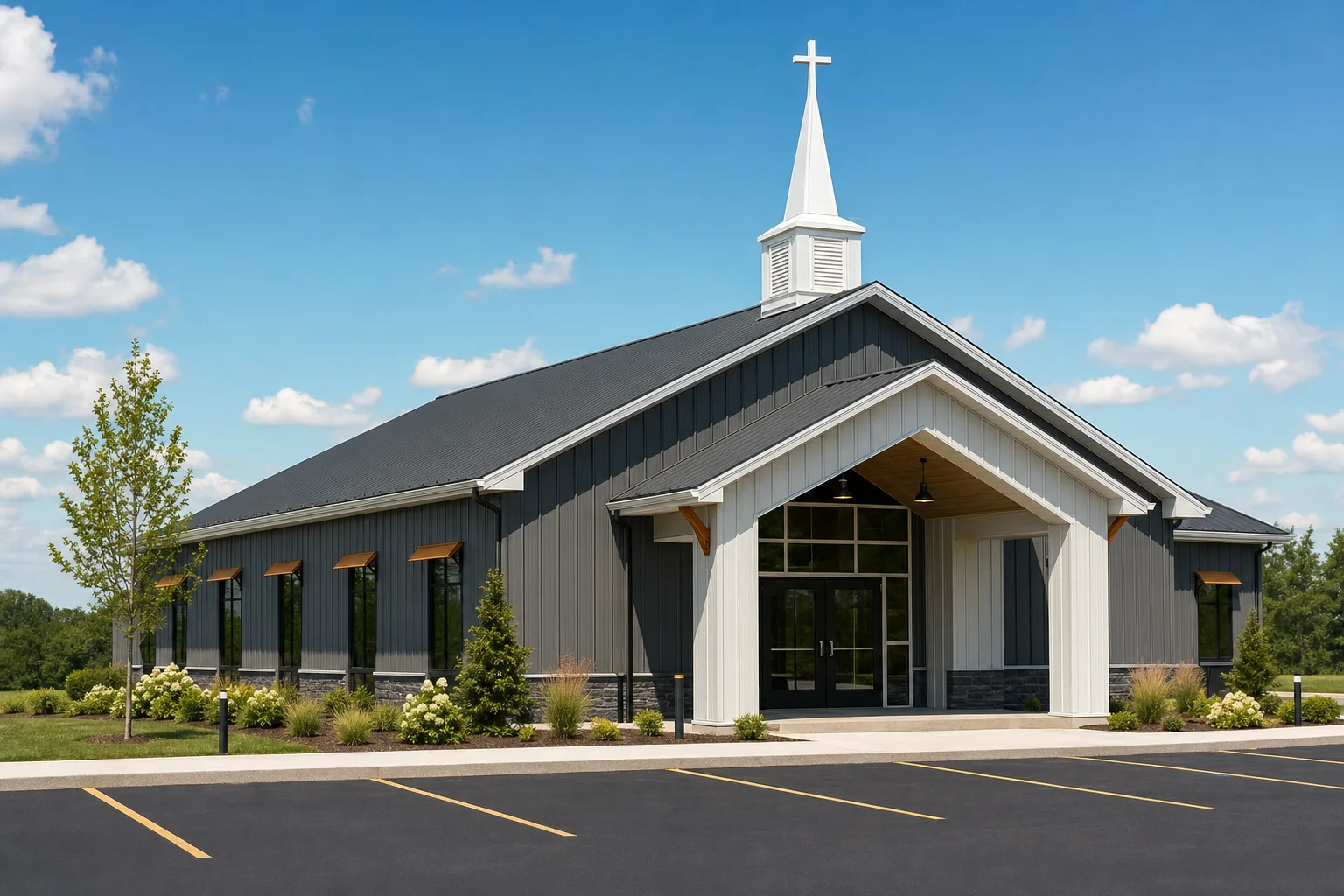
A coating is the barrier between bare steel and rust, and a metal building uses three of them. Galvanized steel wears a zinc layer and shows up on framing and fasteners. Galvalume is an aluminum-zinc blend and the standard on roof and wall panels, where it gives you the most corrosion protection per dollar. Baked-on paint adds color and a second skin over the metal. Most buildings run all three at once, each in the spot it does the most good.
This guide sits under the metal building kits pillar and answers the coating question that decides how long your shell holds off rust. Below: what each coating is, where it belongs on a building, how they stack together on one frame, and why the warranty tells you more than the coating name on the brochure.
The barrier
What a steel coating does for the building
A coating keeps water and oxygen off the steel so it cannot rust. Bare steel left in the weather starts to corrode in weeks, and once rust takes hold it eats the metal from the surface inward. Every coating on a metal building does one job: stand between the steel and the elements long enough for the building to outlast its mortgage.
Two of the coatings here do more than block water, they sacrifice themselves to protect the steel. Zinc and the aluminum-zinc blend corrode in place of the steel when a panel gets scratched, so a small nick does not turn into a rust hole. Paint works differently, sealing the surface and adding color. Put them together and you get a shell that shrugs off rust for decades.
The amount of coating matters as much as the type. Galvanized and Galvalume are sold by coating weight, the mass of zinc or alloy spread across the surface, and a heavier coat lasts longer in the same weather. Two panels can both read Galvalume on the quote while one carries a thicker, longer-lived coat than the other. That is why the spec sheet, not the headline, is where you judge a coating, and why the warranty exists to put a number on it.
Galvanized
Galvanized steel: a zinc coat for framing and fasteners
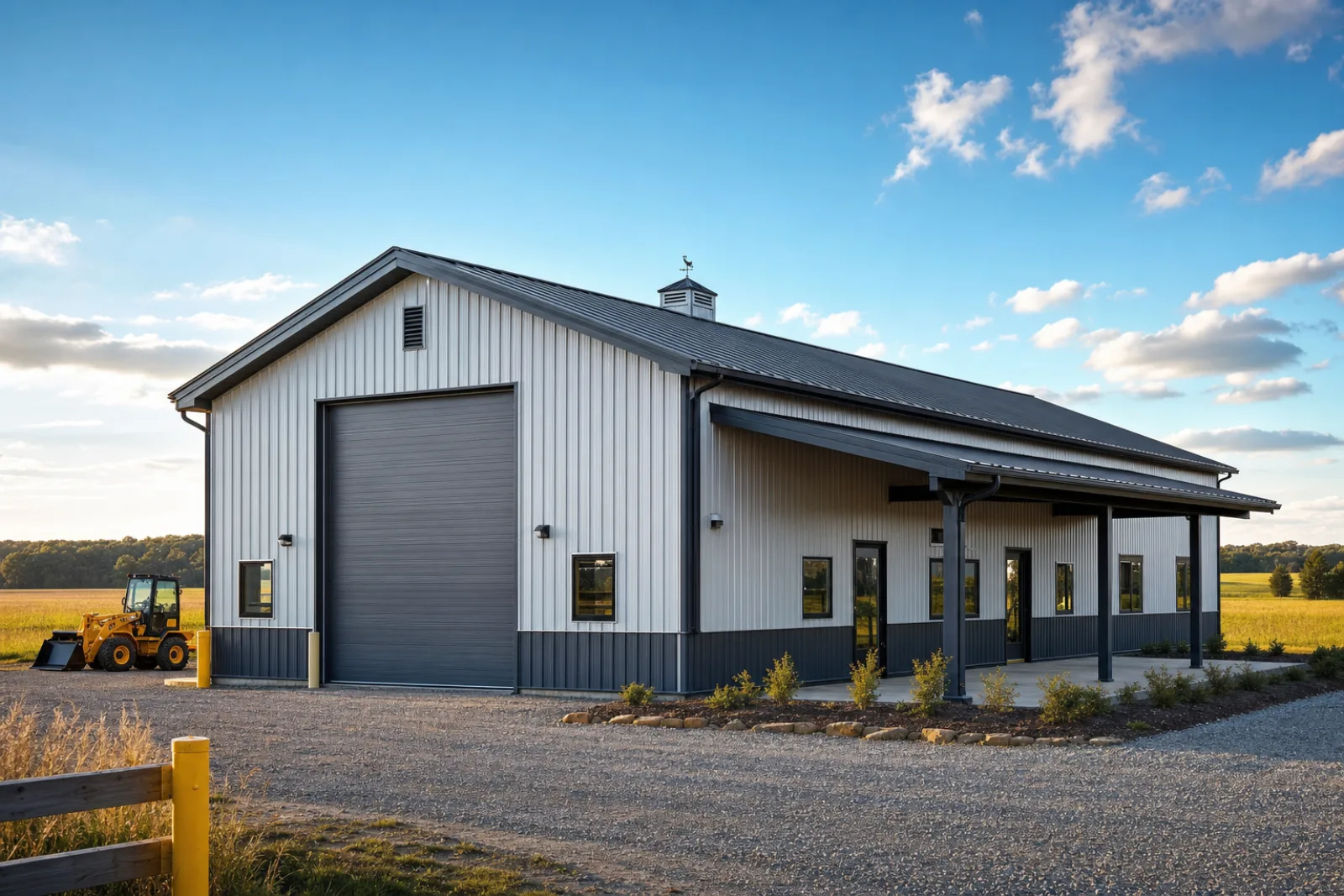
Galvanized steel is steel dipped in or bonded with zinc, the oldest and most proven coating in the trade. The zinc layer corrodes first when it is scratched or weathered, which is why a galvanized part keeps protecting itself even after the surface takes a few knocks. You will find it on secondary framing, purlins, girts, fasteners, and the tube steel frames on carports and small garages.
Its strength is durability without paint. A galvanized tube frame on an open carport takes weather on every side and does not need a finish coat to survive it. That makes galvanized the quiet workhorse of a kit: it is not the part you see, it is the part that holds the visible parts up. Heavier gauge steel with a solid zinc coat is what you want on any member that lives outdoors unpainted.
The tradeoff is appearance and, on panels, corrosion life. Galvanized makes a fine frame coating, but on roof and wall sheets the industry moved to Galvalume years ago because it lasts longer in the same exposure. So galvanized earns its place on the bones of the building, not usually on its skin.
Galvalume
Galvalume: the aluminum-zinc panel standard
Galvalume is steel coated with an aluminum-zinc alloy, and it is the standard substrate under almost every quality roof and wall panel sold today. The aluminum gives long-term barrier protection and the zinc gives the sacrificial action at cut edges and scratches, so you get the best of both. In the same coastal or wet exposure, a Galvalume panel outlasts a plain galvanized one, which is why panel makers standardized on it.
Think of Galvalume as the value coating. It costs little more than galvanized and buys a meaningful jump in corrosion life, so it is the layer doing the heavy lifting on your roof. When a panel is sold as painted steel, Galvalume is usually the metal under the paint, and a bare Galvalume roof with no color coat is itself a common, low-cost finish on agricultural and utility buildings.
One caution: Galvalume does not love constant contact with bare, untreated metals or standing organic debris, and it has limits in heavy animal-confinement air. For most shops, garages, and homes it is the right call, and it pairs with paint to give you both color and corrosion defense in one panel.
Painted steel
Baked-on paint: color and a second layer of defense
Baked-on paint is a factory-cured finish over a galvanized or Galvalume panel, and it does two jobs at once. It gives you the color and the clean look of a finished building, and it adds a sealed barrier that slows fade, chalk, and corrosion on the metal beneath. The better paint systems hold their color for many years and resist the UV that breaks cheaper finishes down.
Not all paint is equal. Entry-level finishes cover the panel and look fine on day one, while premium systems hold color and gloss far longer and carry a stronger fade rating. The paint sits on top of the metal coating, so it is the outermost layer of a stack, not a replacement for the Galvalume or zinc underneath. You can read more about choosing finishes in our colors and trim guide.
Does paint protect the steel? It helps, as a moisture barrier and a UV shield, but it is the second line, not the first. The metal coating under it is what stops rust-through if the paint ever chips. That two-layer logic is the whole reason warranties split into a paint part and a substrate part, which we get to below.
On one building
How the three coatings combine on a real building
On a finished metal building you rarely meet one coating alone, you meet a stack. The frame is galvanized or primed, the panels are Galvalume, and the paint sits on top of the panels. Each layer covers the weakness of the others, which is why a well-built shell can shrug off weather for decades. Here is where each coating lands.
| Coating | What it is | Where it is used | Strengths |
|---|---|---|---|
| Galvanized | Zinc coating bonded to steel | Secondary framing, purlins, fasteners, tube frames | Sacrificial zinc, no paint needed, decades proven |
| Galvalume | Aluminum-zinc alloy coating | Roof and wall panel substrate | Best corrosion life per dollar, the panel standard |
| Baked-on paint | Factory-cured color over a metal coating | Finished roof, wall panels, and trim | Color choice, UV and fade resistance, extra barrier |
| Bare or primed | Red-oxide primer, no top coat | Interior red iron primary frame | Low cost, protected inside the dry shell |
Coatings are layered, not chosen against each other. The question is which one belongs where, not which one wins.
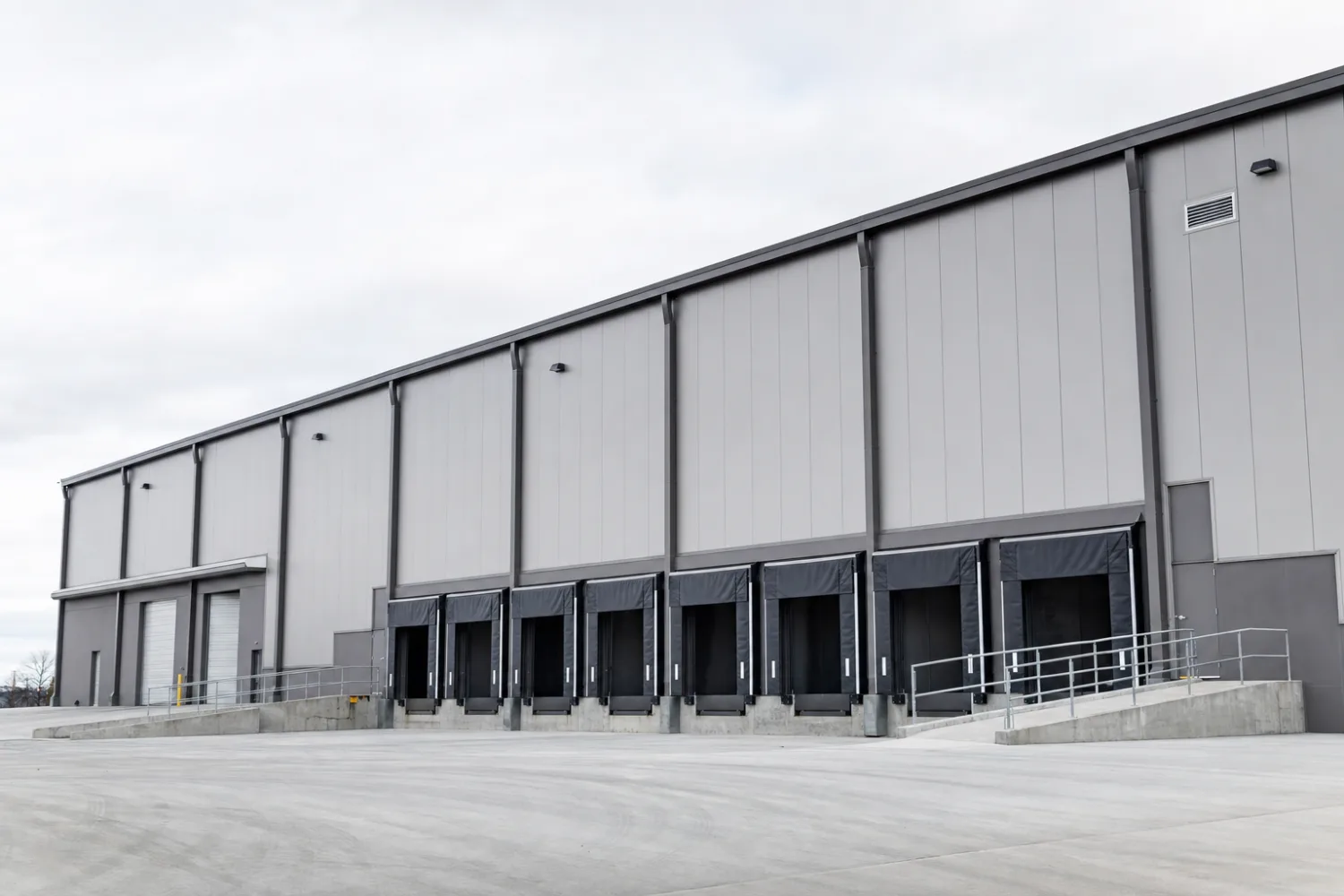
This is also why the frame question and the coating question are separate. A red iron primary frame ships with red-oxide primer because it lives inside the dry shell, while the panels that face the weather get the heavier Galvalume and paint treatment. Match the coating to the exposure, not to a single label on the quote.
The warranty
Why the warranty matters more than the coating name
The coating name tells you the material, but the warranty tells you what the maker will stand behind. Two panels can both say Galvalume and painted steel and carry far different guarantees, because the thickness of the coating, the grade of the paint, and the fine print are where the real difference lives. Read the warranty and you read the quality.
Buy the warranty, not the brochure word. Galvalume on the spec sheet means little until you see how many years the substrate is covered and what voids it.
Read both warranties
A panel warranty has two parts. The paint warranty covers fade and chalk on the finish, and the substrate warranty covers the Galvalume or galvanized steel underneath against rust-through. Check the years on each ‹confirm›, what voids them, whether they are prorated, and what conditions are excluded. Our warranties guide walks the full document line by line.
The practical move is to ask for both numbers in writing before you sign. A long paint warranty over a thin substrate coating is a short real guarantee, and a strong substrate warranty is worth more than a few extra color options. Pair the warranty with good rust prevention habits, ventilation and quick repair of scratches, and the coatings do the rest.
Watch the exclusions as closely as the years. Many panel warranties shrink or void near salt water, in animal-confinement air, or where dissimilar metals touch the panel, and most require that cut edges and fasteners follow the maker’s instructions. A coating rated for decades inland can carry a much shorter term on the coast ‹confirm›, so read the conditions for your site, not the best case on the cover sheet.
FAQ
Metal building coatings: common questions
What is the best coating for a metal building?
There is no single best coating, because a building uses three. Galvanized is best for framing and fasteners, Galvalume is best as the panel substrate, and baked-on paint is best for the visible finish. The best shell pairs a Galvalume substrate with a quality paint system and backs both with a strong warranty.
Is Galvalume better than galvanized?
For roof and wall panels, yes. Galvalume is an aluminum-zinc alloy that outlasts plain galvanized in the same exposure, which is why it became the panel standard. Galvanized still wins on framing and fasteners, where its sacrificial zinc and lower cost suit parts that do not face direct weather.
Do metal buildings rust?
A coated metal building resists rust for decades, and most rust problems trace to something other than the steel itself. Scratched panels, cut edges left unsealed, dissimilar metals in contact, and interior condensation are the usual causes. Keep the building dry and ventilated and repair scratches, and the coatings hold.
What is Galvalume?
Galvalume is steel coated with an aluminum-zinc alloy, roughly aluminum and zinc with a little silicon. The aluminum gives long-term barrier protection and the zinc protects cut edges and scratches sacrificially. It is the substrate under almost every quality painted steel panel and a common bare finish on its own.
Does paint protect the steel?
It helps, but it is the second line of defense, not the first. Baked-on paint seals the surface and blocks UV, which slows corrosion and fade. The metal coating under the paint, Galvalume or zinc, is what stops rust-through if the paint ever chips. That is why panel warranties cover the paint and the substrate separately.
Why does a metal building use more than one coating?
Because each part of a building faces a different exposure. The interior frame stays dry inside the shell, so a primer is enough, while the panels face sun and rain, so they get Galvalume plus paint. Using the right coating in each spot keeps the building protected without paying for finish where it is not needed.
Related guides
Keep reading
Coatings connect to the rest of the shell spec. Follow these next:
- Metal building kits: the complete guide (the parent pillar).
- Red iron vs tube steel (the frames the coatings protect).
- Steel gauge explained (how panel and frame thickness is measured).
- Metal building rust prevention (keeping the coatings working).
- Metal building colors & trim (choosing the painted finish).
- Metal building warranties (reading the paint and substrate coverage).
- Metal building glossary (every coating term defined).