In Wyoming, two things decide a metal building before you pick a color: wind and the county. Wyoming has no statewide building code ‹confirm›, so your permit, your inspections, and your load requirements are set by the city or county where the steel goes up. And across most of the state, the dominant design driver is wind, not snow, which is why a stamped wind rating matters more here than almost anywhere else.
This guide sits under our metal buildings by state pillar and covers what changes when you build in Wyoming: how permits work without a statewide code, the load numbers that drive the engineering, the climate that shapes insulation, and the real building departments in the major metros. Treat every number below as a typical range to confirm locally, never a statewide rule.
Codes & permits
How permits and codes work in Wyoming
Wyoming sets no building code at the state level, so the rules come from your local jurisdiction. Cities and counties that do enforce a code generally adopt a recent edition of the International Building Code (IBC) and International Residential Code (IRC), commonly the 2021 editions ‹confirm›, but the adopted year and any local amendments vary from one jurisdiction to the next.
Two things hold steady almost everywhere. First, a permit is usually required once a structure passes a size threshold: many jurisdictions exempt small accessory buildings and require a permit above roughly 120 to 200 square feet ‹confirm›. Second, a metal building of any real size almost always needs engineered drawings stamped by a Wyoming-licensed professional engineer ‹confirm›, because the structure has to prove it can carry local wind and snow. Our permits and codes guide walks the full process.
Permits are issued locally, not by the state. If your land is inside city limits, you work with the city building department; if it is rural and unincorporated, you work with the county planning and building office. Some counties exempt true agricultural buildings from a permit, though setback and zoning rules can still apply. Verify the threshold and the stamp requirement with your local building department before you order steel.
Why the stamp matters here
A Wyoming-stamped drawing set is not red tape. It is the document that proves your building was engineered for the wind and snow at your exact site. Order your kit certified for your local loads, and keep that paperwork; it is what an inspector, an appraiser, and a future buyer will ask to see.
Loads
Wind, snow, and seismic loads in Wyoming
Wind is the headline load in Wyoming. Southeastern Wyoming around Cheyenne and Laramie ranks among the windiest inhabited areas in the country, and design wind speeds across the state commonly start near 90 mph and climb higher on exposed sites and ridgelines ‹confirm›. That is the number your frame and anchorage have to answer first.
Snow runs a close second and flips the priority in the mountains. Ground snow loads can sit in the 30 pounds-per-square-foot range on the high plains and rise past 100 psf at elevation in the western ranges and the Tetons ‹confirm›. Seismic demand is low to moderate across most of Wyoming, with the Yellowstone and Teton corner carrying the most activity ‹confirm›. Our snow and wind load guide explains how these numbers translate into frame, gauge, and anchor decisions.
| Load type | Typical Wyoming range ‹confirm› | Who sets it |
|---|---|---|
| Design wind speed | About 90 mph and up, higher on exposed sites | Local building department / IBC adoption |
| Ground snow load | About 30 psf on the plains to 100+ psf at elevation | County / city, by site elevation |
| Seismic | Low to moderate, highest near Yellowstone and the Tetons | Local code per IBC seismic maps |
Typical ranges only. Your engineer pulls the exact design values from your site address and the locally adopted code. Verify with your local building department.
Because the spread is this wide, no single statewide load number is honest. A building stamped for Cheyenne wind may be under-designed for Teton County snow, and the reverse. Always design to your site, not to the state.
Climate
Climate and insulation for a Wyoming metal building
Wyoming is a cold, dry, high-elevation state, so insulation here is about holding heat, not fighting humidity. Most of the state falls in IECC climate zone 6, with milder basins closer to zone 5 and the highest mountain country reaching zone 7 ‹confirm›. The priority is R-value and a tight, continuous thermal envelope.
Even in a dry climate, condensation still forms when warm indoor air meets cold steel, so a vapor barrier and ventilation belong in the plan alongside the insulation. For a heated shop or a barndominium, that envelope is the difference between a comfortable building and a cold, sweating shell. Our metal building insulation guide covers the systems that suit a cold-zone build.
Price factors
What drives metal building prices in Wyoming
Two regional factors push Wyoming pricing: freight and engineering. Wyoming is a large, lightly populated state with long hauls from steel mills and fabrication plants, so delivery distance to a rural site can move the total more than it would in a dense market ‹confirm›.
The other driver is the load engineering itself. A high wind rating or a heavy mountain snow load calls for more steel, heavier anchorage, and a tighter frame, which raises the shell price for the same footprint. As an illustrative 2026 reference, a fully installed 40×60 shop with a slab spans a wide range depending on loads, finish, and site work ‹confirm›. Our metal building kit prices guide breaks the line items down, and the right foundation choice factors into the total too.
Uses & metros
Popular uses and metro building departments
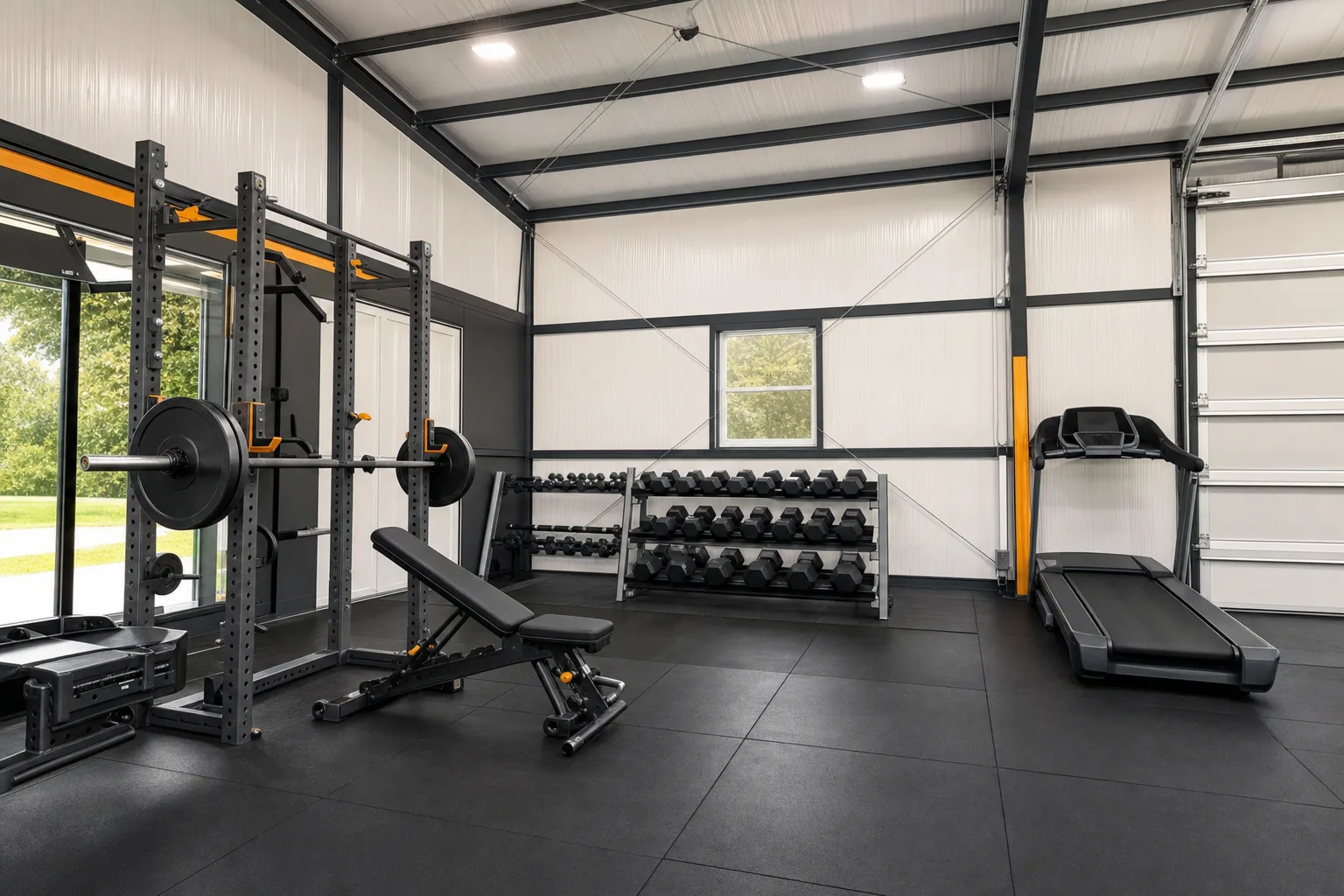
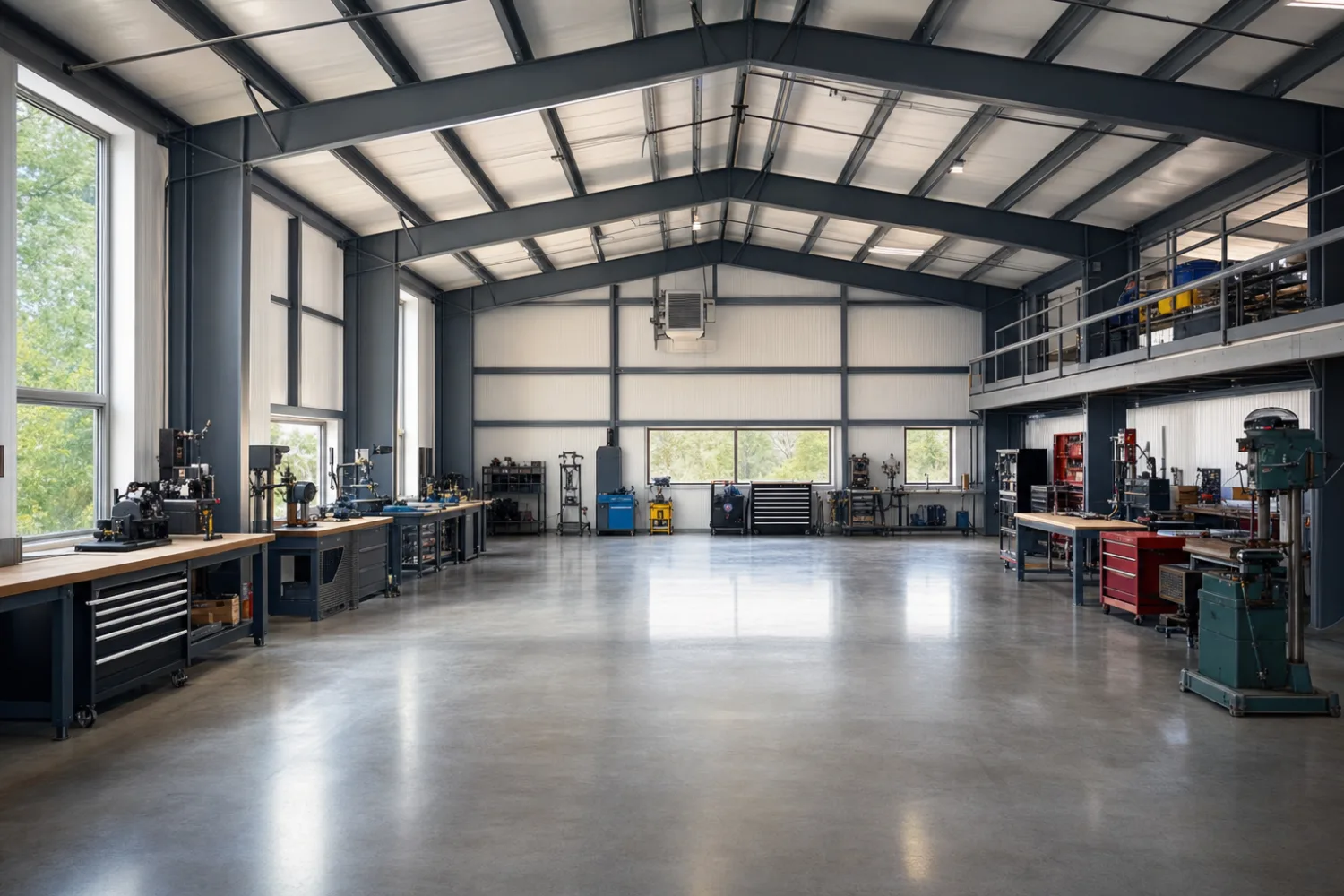
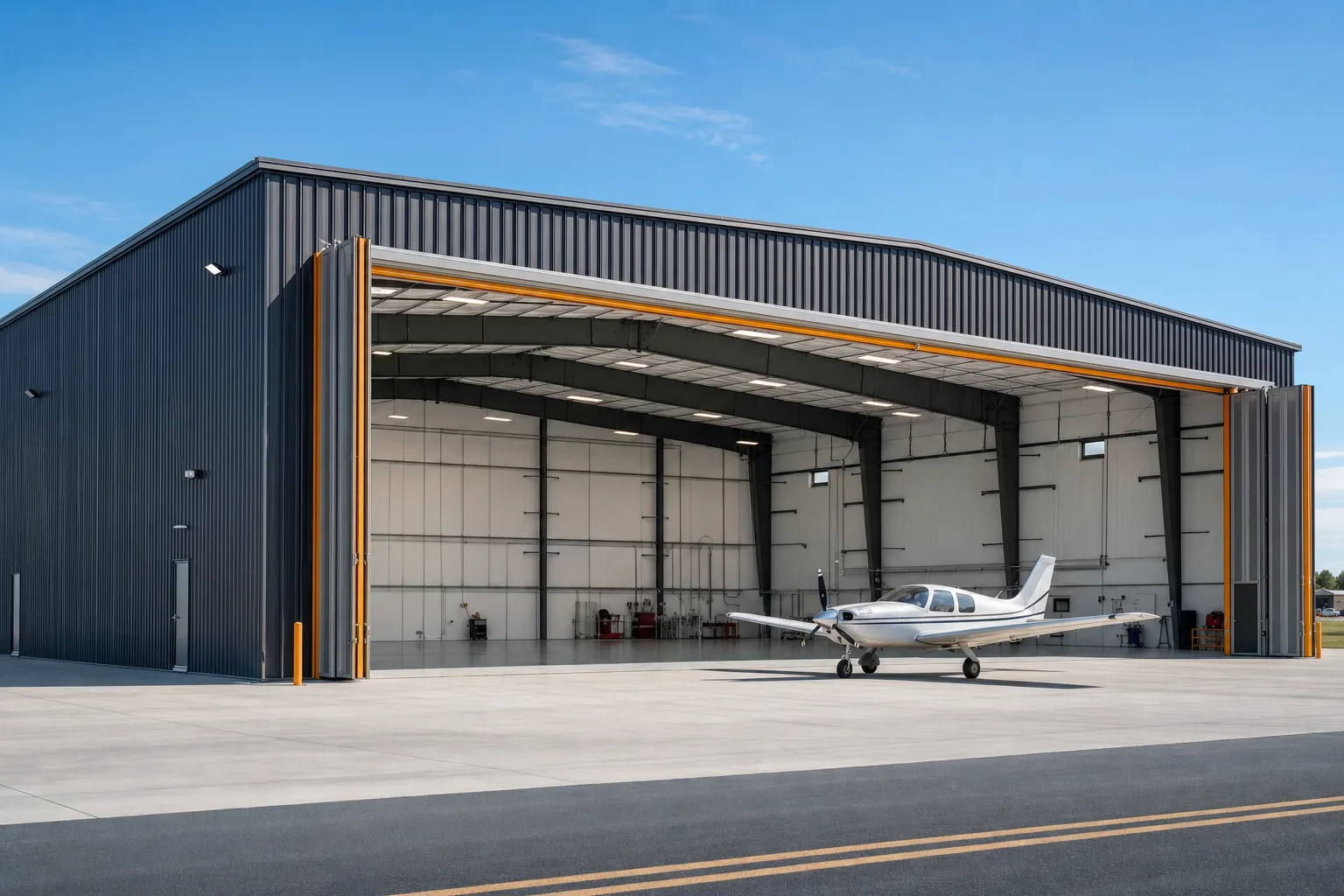
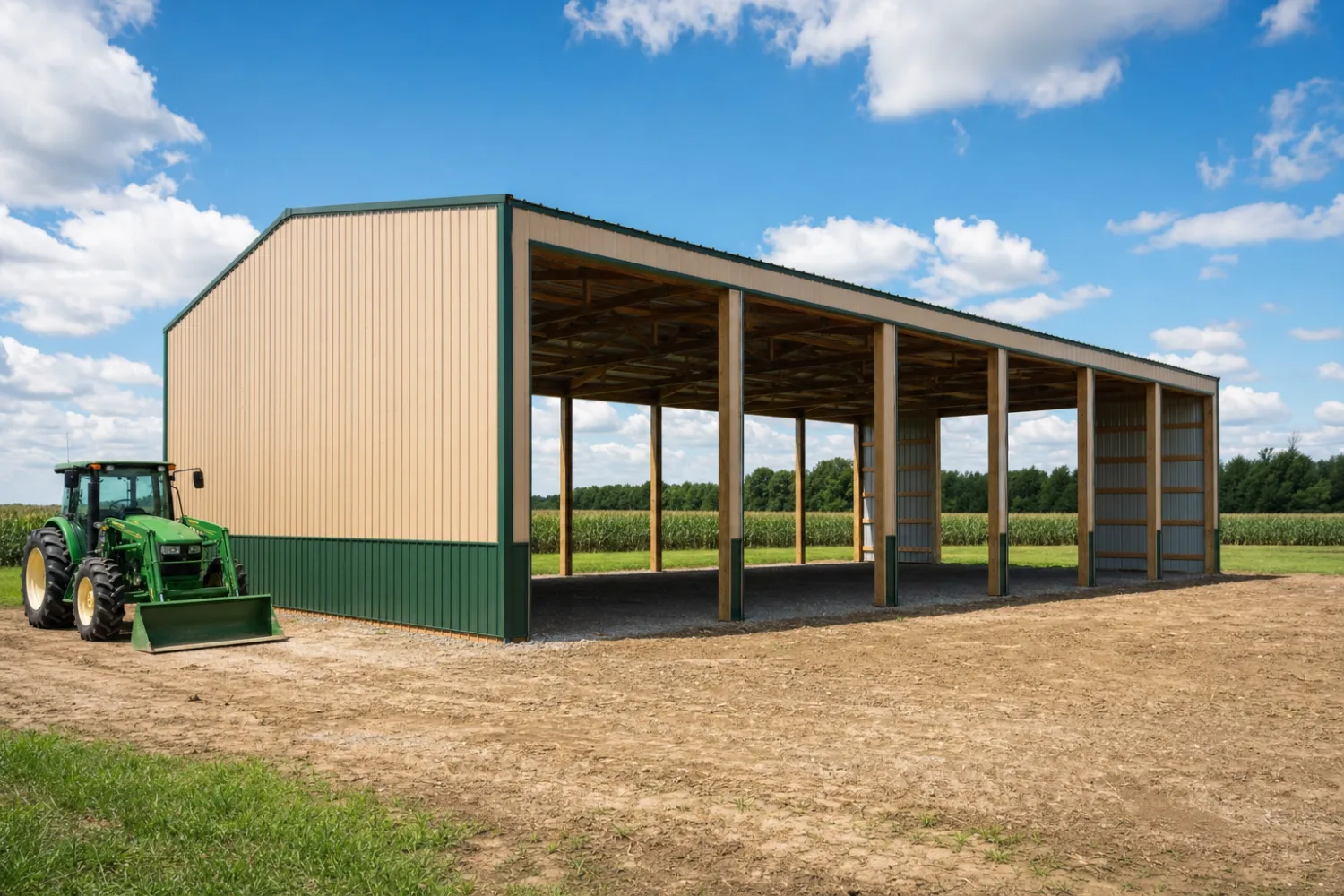
Wyoming buyers lean toward working steel: ranch and agricultural buildings, equipment and hay storage, garages and RV shelters, workshops, and barndominiums on rural acreage. Wind-rated garages and shops are the steady demand, with ag buildings close behind across the ranching counties.
Permits run through the metro you build in. In Cheyenne, the city Building Department handles permits and inspections at 2101 O’Neil Avenue, (307) 637-6265 ‹confirm›. Casper, Laramie, Gillette, and Rock Springs each run their own city building offices, and Teton County (Jackson) enforces some of the strictest review in the state. For rural parcels, Laramie County and the other county planning offices issue the permit. Call the office for your address first; this is the single best way to confirm your threshold, loads, and stamp requirement before you buy.
FAQ
Wyoming metal building questions
Are building permits required for a metal building in Wyoming?
Usually, yes. Wyoming has no statewide building code, so the requirement is set locally, but most cities and counties require a permit for a metal building once it passes a small size threshold, often around 120 to 200 square feet. Some counties exempt true agricultural buildings. Confirm with your local building department.
Do I need engineer-stamped drawings in Wyoming?
For a metal building of any real size, almost always. Most Wyoming jurisdictions require a set of structural drawings stamped by a professional engineer licensed in the state, certifying the building for local wind and snow loads. A reputable kit supplier provides these certified plans for your site.
What building code does Wyoming use?
There is no state code. Jurisdictions that enforce a code typically adopt a recent International Building Code and International Residential Code, commonly the 2021 editions, sometimes with local amendments. Because adoption varies by city and county, confirm the exact edition with the office that will issue your permit.
What wind and snow loads do I design for in Wyoming?
It depends entirely on your site. Wind is the dominant concern statewide, with design speeds that commonly start near 90 mph and rise on exposed ground. Snow loads range from roughly 30 psf on the plains to over 100 psf at high elevation. Your engineer pulls the exact figures from your address and the locally adopted code.
Can I build a metal building myself in Wyoming?
Yes. Prefabricated kits arrive pre-cut and pre-punched to bolt together, and serious do-it-yourselfers raise them with a small crew. You still need a permit where required, a stamped engineered plan, a square and level foundation, and lifting equipment. The paperwork and the loads are the parts to plan carefully.
Will a metal building raise my property taxes in Wyoming?
A permanent, foundation-anchored structure is generally added to your assessed value, so it can raise your property taxes. The amount depends on your county assessor and the building’s size, use, and finish. Your local assessor’s office can tell you how a new structure would be valued.
How much does a 40×60 metal building cost in Wyoming?
Cost varies widely with loads, finish, and site work, so treat any figure as an illustrative 2026 range and confirm a quote for your site ‹confirm›. A bare shell costs far less than a fully installed and insulated building on a slab, and Wyoming’s wind and snow engineering plus rural freight push the total toward the higher end. Get a written, load-certified quote.
Read next
Keep reading
Compare nearby states, then dig into the codes and loads that drive a Wyoming build:
- Metal building kits in Montana (cold, high-wind neighbor to the north).
- Metal building kits in South Dakota (plains wind and snow to the east).
- Metal building kits in Colorado (mountain snow and Front Range codes to the south).
- Metal building kits in Utah (high desert and seismic country to the west).
- Metal building permits and codes (how permitting works step by step).
- Snow load and wind load explained (turning load numbers into a frame spec).
- Metal building foundation options (slab, pier, and what frost and snow demand).
- Metal building insulation (cold-climate envelope and condensation control).
- Metal building kit prices (the cost pillar and what moves the total).
Sources
Sources
Every hard value above is flagged to verify locally. These are the references behind the code, permit, and jurisdiction facts:
- Engineered Metal Buildings, permit requirements by state (Wyoming has no statewide building code; wind is the main challenge): engineeredmetalbuildings.com
- Metal Buildings US, Jackson WY (no statewide residential code; permits generally required): metalbuildingsus.com
- MeltPlan, Wyoming building codes guide (IBC, IRC, IECC adoption and jurisdiction): meltplan.com
- UpCodes, Wyoming code adoptions: up.codes
- Laramie County WY, accessory buildings brochure (permit required above 200 sq ft): laramiecountywy.gov
- City of Casper WY, sheds, garages and accessory buildings (permit required above 120 sq ft): casperwy.gov
- PermitsGuide, Wyoming garage permit requirements 2026 (Casper residential metal-siding rule): permitsguide.com
- RHINO Steel Building Systems, metal building permits and codes (stamped engineered drawings): rhinobldg.com
- City of Cheyenne Building Department, 2101 O'Neil Ave, (307) 637-6265: Google Maps business listing (verified via maps_search)