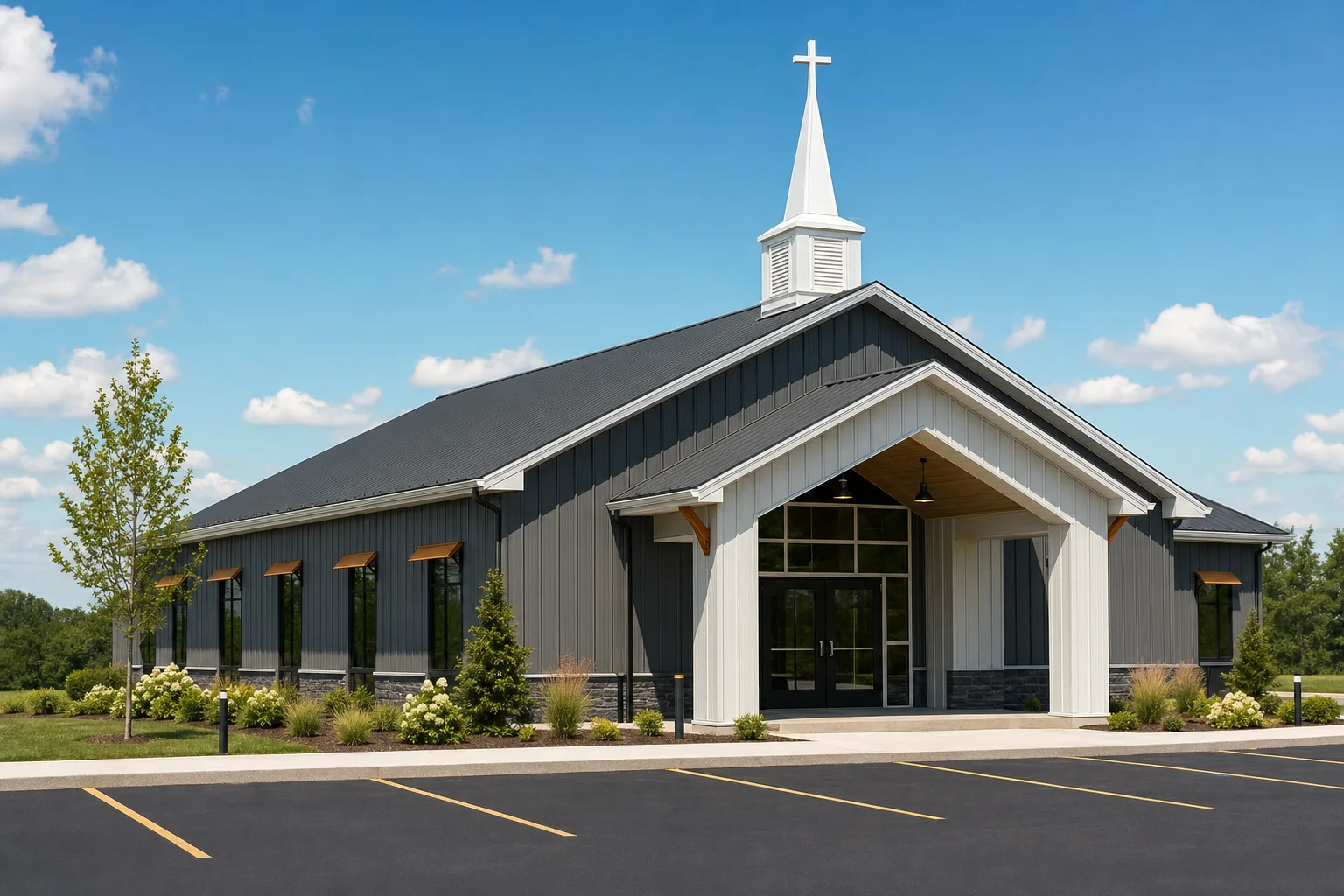
Two things shape a metal building in Utah more than anything else: seismic design and mountain snow. The Wasatch Fault runs straight through the state’s biggest cities, so your frame has to be engineered for earthquake loads, and at elevation the snow load climbs fast. Wind matters, but in most of Utah it takes a back seat to those two. Get the seismic and snow numbers right for your exact site and the rest of the project follows.
This guide is part of our metal buildings by state series. It walks the Utah codes, the loads that drive your engineering, the climate zones that set your insulation, what moves price in the Intermountain West, and the real building departments along the Wasatch Front. Treat every load and code figure here as a starting point and confirm it with your local building department before you order.
Codes & permits
Utah building codes and permits for metal buildings
Utah runs a statewide construction code built on the International Building Code and International Residential Code with state amendments, and most reports point to the 2021 editions adopted in recent cycles ‹confirm›. Even with a statewide code, every city and county acts as its own Authority Having Jurisdiction, so the people who review your plans, set fees, and inspect the build are local. Our metal building permits and codes guide covers the national picture; this section is the Utah cut.
The common threshold is square footage. Across most Utah jurisdictions, a detached accessory structure over 200 square feet needs a permit, and anything smaller can still trigger one once you add electrical, plumbing, or mechanical work ‹confirm›. For an enclosed or occupied metal building, expect the reviewer to ask for engineer-stamped drawings that certify your kit against local snow, wind, and seismic loads. A stamp from an engineer licensed in Utah is the document that turns a generic kit into a permitted structure ‹confirm›.
Who issues the permit depends on where you build. Inside a city, the municipal building department handles it; on unincorporated land, the county does. A 1 percent state surcharge applies on top of the local permit fee statewide ‹confirm›. Before you buy a kit, call the office that covers your parcel and verify the threshold, the stamp requirement, and the load values for your address. Verify with your local building department, every time.
One rule that saves money
Order your kit only after the building department confirms the snow, wind, and seismic figures for your site. A kit engineered to the wrong loads either fails plan review or needs a costly re-stamp. Get the numbers in writing first, then buy.
Loads
Wind, snow, and seismic loads in Utah
Utah’s dominant design concern is the pairing of seismic activity and snow, not wind. The Wasatch Fault and its branches sit under Salt Lake City, Ogden, and Provo, which puts the Wasatch Front in an elevated seismic design category and forces real attention to bracing and anchorage ‹confirm›. Layer on snow that grows with elevation and you have the two loads your engineer will size the frame around. Our snow and wind load guide explains how these numbers turn into steel.
Snow is the figure that swings the most across the state. A low valley site near the Great Salt Lake carries a modest ground snow load, while a parcel in the mountains above Park City or in the Wasatch canyons can carry several times that ‹confirm›. Two parcels a few miles apart at different elevations can land on widely different numbers, which is why Utah sets snow locally rather than statewide. Never assume one figure covers the whole state.
| Load type | Typical Utah range ‹confirm› | Who sets it |
|---|---|---|
| Ground snow | Low in valley floors, far higher at mountain elevations; confirm by parcel | County or city building department |
| Wind speed | Around a 115 mph ultimate baseline, higher on exposed benches and ridges | Adopted IBC plus local amendment |
| Seismic | Elevated along the Wasatch Front near active faults; lower in the west desert | IBC seismic maps and local code |
Treat these as starting ranges, not quotes. Your building department sets the figures for your exact address.
Because the loads are local, the honest move is to get the three numbers from the jurisdiction before you compare kits. A supplier who hands you a stamped drawing for your address and your loads is selling you a permit-ready building. One who quotes a generic frame is selling you a guess. Verify locally, then buy the steel that matches.
Climate & insulation
Climate zones and insulation in Utah
Utah is a cold, dry state, so insulation here is about holding heat, not fighting humidity. The populated valleys sit in a cold climate zone, and the mountains run colder still, into the higher zones ‹confirm›. That means your priority is R-value: enough insulation to keep a shop or barndominium warm through a Wasatch winter without burning through propane. Our metal building insulation guide breaks down the assemblies.
The dry air helps on one front. Utah does not have the constant humidity that drives condensation problems in the Southeast, so a well-detailed vapor barrier and decent ventilation usually keep sweating in check. The cold swings still matter though. A heated metal building in Salt Lake or Logan loses warmth fast through bare steel, so insulate the roof and walls to the climate zone and seal the openings. Match the R-value to the zone your building department lists for your address ‹confirm›.
Price
What drives metal building prices in Utah
Price in Utah moves on three regional levers: steel freight, the engineering your loads demand, and local labor. Utah sits inland from the big coastal steel hubs, so the cost to truck a kit into the Intermountain West shows up in the delivered price, and a remote canyon or rural southern parcel adds more than a Wasatch Front address near the interstates. Our metal building kit prices guide holds the full national breakdown.
The bigger Utah-specific lever is engineering. A frame stamped for Wasatch Front seismic and mountain snow carries more steel and heavier connections than the same building in a low-load state, and that weight is real money ‹confirm›. Foundation cost follows the same logic, since seismic anchorage and frost depth both push the slab spec. Plan the budget around your loads and your foundation, not a flat per-square-foot figure you saw for a flatter, milder state. Any price you see in 2026 is illustrative until a Utah supplier quotes your site ‹confirm›.
Uses & departments
Popular uses and metro building departments
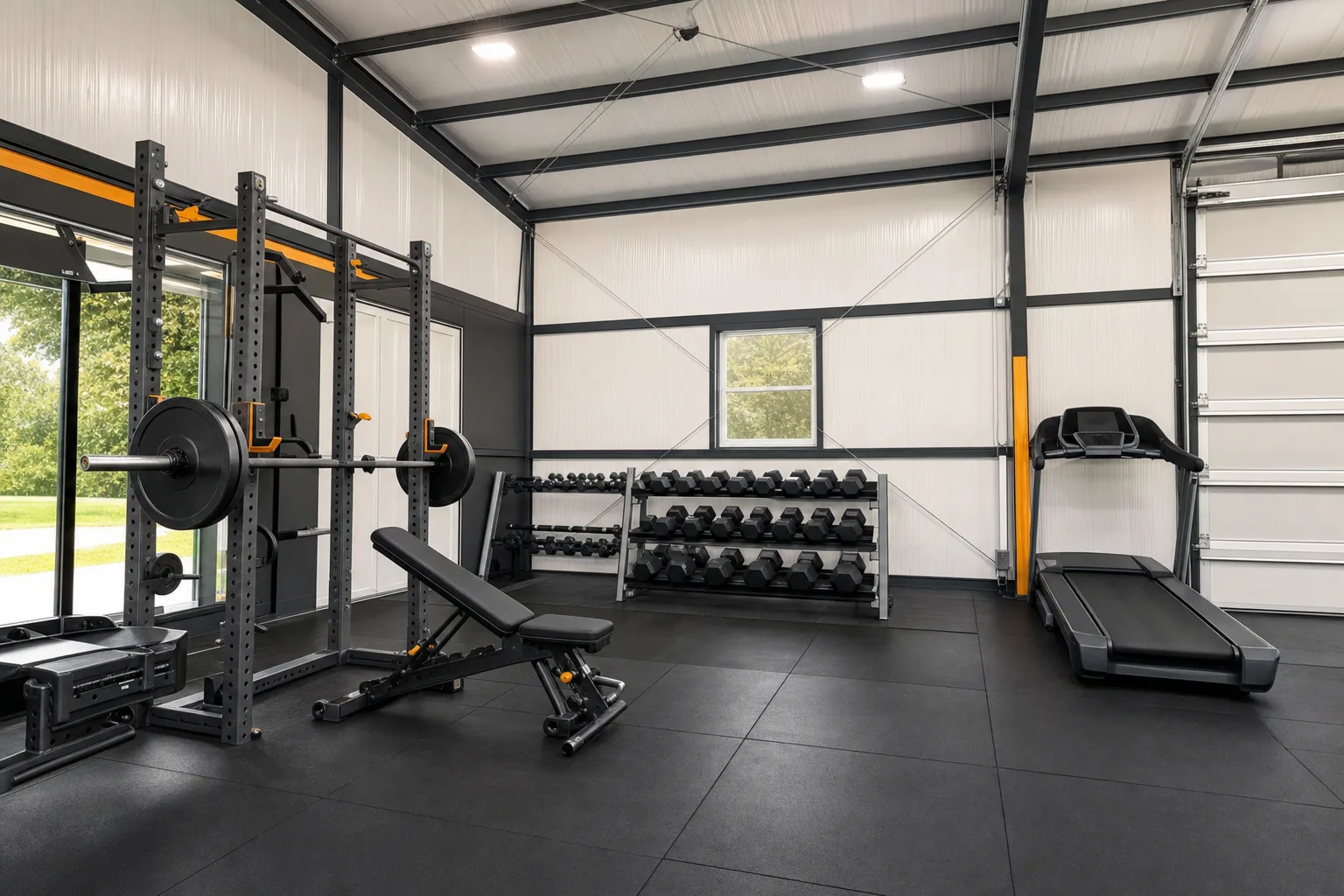
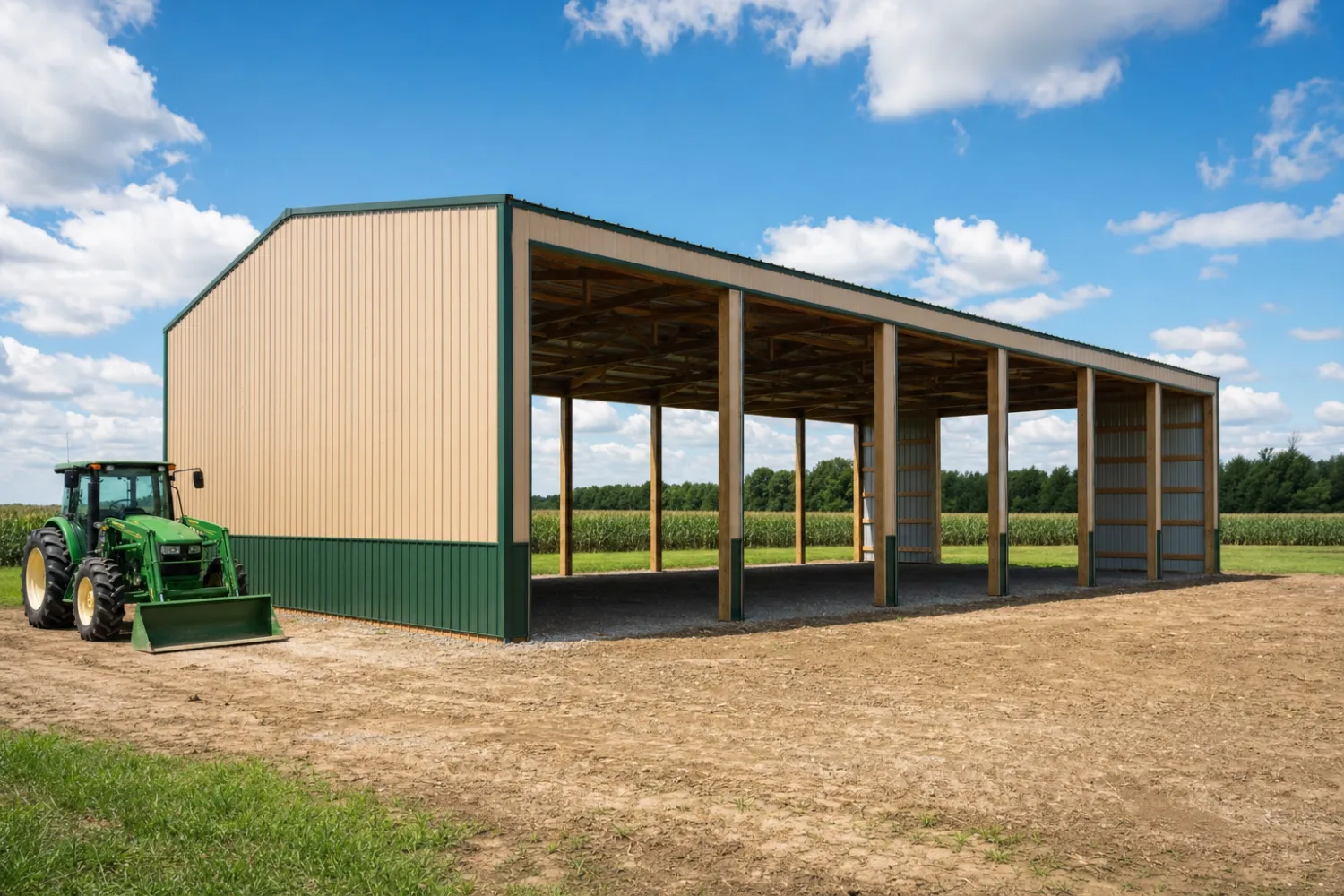
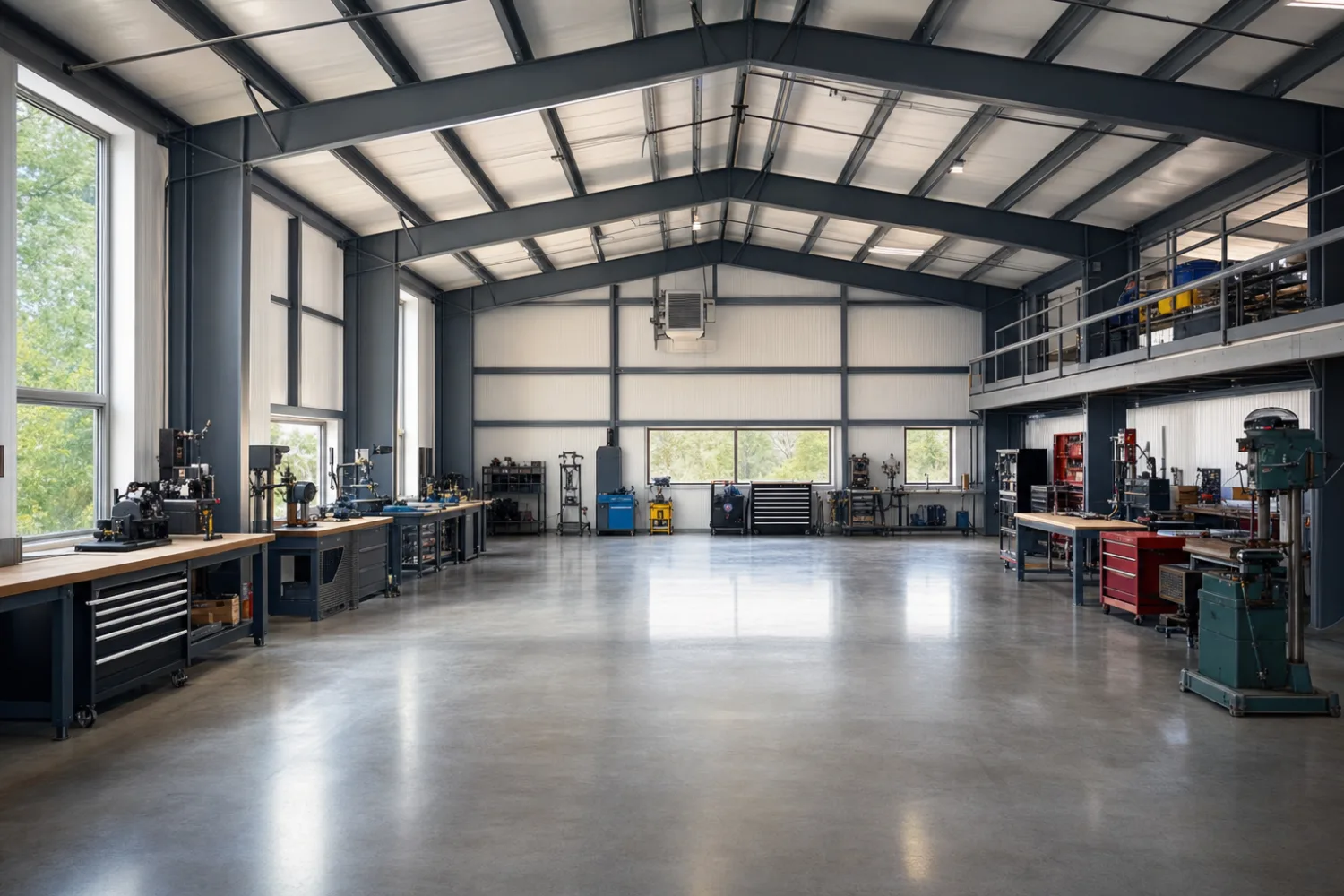
Utah buyers lean toward shops, detached garages, RV and toy-hauler storage, agricultural pole barns on the rural parcels, and a growing run of barndominiums on acreage outside the cities. The big snow and seismic loads make red iron the common frame for anything wide, while light tube steel still covers carports and small covers. Whatever you build, the permit runs through one of these offices.
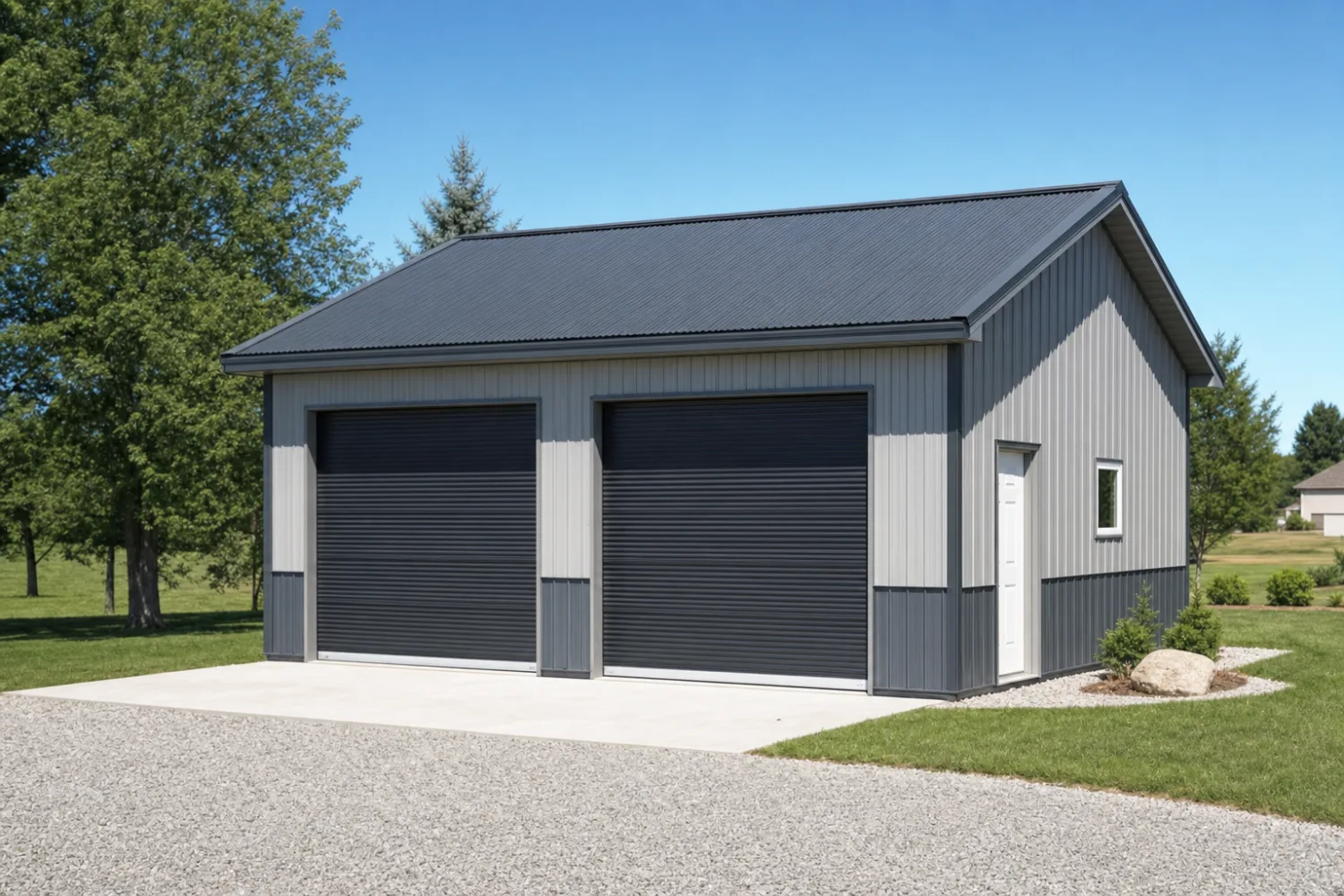
Along the Wasatch Front, where most of the state’s population lives, the building departments you will deal with include these ‹confirm›:
- Salt Lake City. Salt Lake City Building Services handles permits inside the city limits (building permits, plan review, inspections).
- Unincorporated Salt Lake County. Salt Lake County Planning & Development covers zoning, construction, and building permits outside the cities.
- South Salt Lake. The South Salt Lake Building Department runs permits for that jurisdiction.
- Provo, Ogden, and beyond. Utah County, Weber County, and each incorporated city run their own building departments, so confirm which office covers your parcel.
Pin down your Authority Having Jurisdiction first, because that single office sets your threshold, your loads, and your fees. A parcel that looks like it sits in a city can fall under the county, and the two can read the code differently. Confirm the office, then confirm the numbers.
FAQ
Utah metal building questions, answered
What requires a building permit in Utah?
Across most Utah jurisdictions, you need a permit to build, enlarge, alter, or demolish a structure, including detached garages, shops, and accessory buildings over 200 square feet ‹confirm›. Adding electrical, plumbing, or mechanical work can require a permit even on a smaller structure. Because each city and county is its own authority, confirm the rule with the office that covers your parcel.
What is the biggest metal building you can build in Utah without a permit?
In most Utah jurisdictions the line sits at 200 square feet for a detached accessory structure with no plumbing, gas, or electrical, in line with the residential code ‹confirm›. Some cities set a lower limit, and zoning setbacks still apply even when no building permit is needed. Check with your local building department before you assume a structure is exempt.
How do you get a permit for a metal building in Utah?
Bring your property’s legal description, a site plan showing where the building sits and its setbacks, the intended use, and engineer-stamped drawings sealed by an engineer licensed in Utah that certify the kit against your local snow, wind, and seismic loads ‹confirm›. Submit the package to your city or county building department, pay the fees, and pass the inspections. Your kit supplier can usually provide the stamped plans.
How much does a building permit cost in Utah?
Permit cost varies by city and project value, since most Utah jurisdictions price off the building’s valuation or square footage, then add plan-review and a 1 percent state surcharge ‹confirm›. Small accessory projects sit at the low end, while a large shop or barndominium costs more. Ask your building department for its fee schedule before you budget.
Can I build a metal building on my property in Utah?
In most cases yes, as long as zoning allows the use and you meet setbacks, height limits, and any HOA rules. Residential, agricultural, and commercial parcels each carry different limits on lot coverage and use, so confirm your zoning classification first. Contact your local building department before you buy the kit to avoid a structure you cannot legally place.
Does a metal building increase property taxes in Utah?
A permanent metal building anchored to a foundation is an improvement, so it can raise your assessed value and your property tax. A movable structure on a non-permanent base is treated differently. Your county assessor sets the rule, so ask how a new building affects your assessment before you build.
Can you put up a metal building by yourself in Utah?
A small bolt-up kit can be a do-it-yourself project, and many Utah owners erect carports and small garages themselves. A wide, heavily loaded building stamped for Wasatch Front seismic and mountain snow needs equipment and often a crew, and the permit still requires inspections at set stages. Match the ambition to your loads and your jurisdiction’s requirements.
Read next
Keep reading
Compare Utah with its neighbors, then dig into the codes, loads, and foundations that decide your build:
- Metal building kits in Idaho (a snow-and-seismic neighbor to the north).
- Metal building kits in Wyoming (high wind and snow on the high plains).
- Metal building kits in Colorado (mountain snow and Front Range loads).
- Metal building kits in Nevada (the drier, milder neighbor to the west).
- Metal building permits and codes (the national permit picture).
- Snow load and wind load explained (how loads become steel).
- Metal building foundation options (slabs, piers, and anchorage).
- Metal building insulation (R-value for a cold, dry climate).
- Metal building kit prices (the full cost breakdown).
Sources
Sources
- Utah Building Permit Requirements (2026): https://permitsguide.com/utah
- Utah Building Code, Chapter 22 Steel (up.codes): https://up.codes/viewer/utah/ibc-2018/chapter/22/steel
- Permitting a PEMB in Utah (Built by AD): https://www.builtbyad.com/learning/what-you-need-to-know-about-permitting-a-pemb-in-utah
- Steel and Metal Building Codes and Permits (Wasatch Steel): https://www.wasatchsteel.com/steel-and-metal-building-codes-and-permits/
- Metal Building Permit Requirements by State, Western U.S. (Engineered Metal Buildings): https://www.engineeredmetalbuildings.com/blog/metal-building-permit-requirements-by-state-western-us/
- Salt Lake City Building Services: https://www.slc.gov/buildingservices/building-permits/
- Salt Lake County Zoning & Construction Permits: https://www.saltlakecounty.gov/zoning-construction-permits/
- South Salt Lake Building Permits: https://sslc.gov/215/Building-Permits