Two things shape a metal building in Montana more than anything else: snow and jurisdiction. The state sits under heavy mountain and valley snow loads, so your frame has to be engineered for a real ground snow number ‹confirm›, and that number is set where you build, not statewide. Whether you even need a permit depends on the county. Montana lets counties opt in to building codes, so a shop outside city limits may answer to the state, a local program, or almost nothing at all.
This guide sits under our metal buildings by state pillar and covers what changes when you build in Montana: the codes and who enforces them, the snow, wind, and seismic loads your steel has to carry, the climate zones that drive insulation, what moves price, and the real building departments in the state’s biggest metros. Treat every load and code value here as a starting point you verify with your local building department before you buy.
Codes & permits
Montana building codes and who issues your permit
Montana enforces a statewide minimum building code built on the International Code Council family. The state currently works from the 2021 editions of the IBC, IRC, and IECC ‹confirm›, adopted with Montana amendments and administered by the Building Codes Bureau inside the Department of Labor and Industry ‹confirm›. That bureau issues state building permits, reviews plans, and inspects work in areas under its jurisdiction. For the national picture, start with our permits and codes guide.
The wrinkle is local control. Montana grants counties voluntary authority over building codes, so most of the state’s 56 counties have never adopted a comprehensive code. A small number run certified local programs, Missoula County among them ‹confirm›, which means permits in those unincorporated areas come from the county, not the state. Incorporated cities are the opposite. Billings, Missoula, Bozeman, Great Falls, and Kalispell each run their own building department and pull permits locally ‹confirm›. Where you stand decides who you call first.
Stamped drawings
Montana wants engineered plans for a steel building. Expect to submit drawings stamped and sealed by a structural engineer licensed in Montana ‹confirm›, sized to your site’s snow, wind, and seismic loads. A good kit supplier provides stamped plans as part of the order. Private, non-commercial agricultural buildings and some single-family private garages may be exempt from a state permit ‹confirm›, but local zoning and setback rules still apply. Verify with your local building department.
Loads
Snow, wind, and seismic loads in Montana
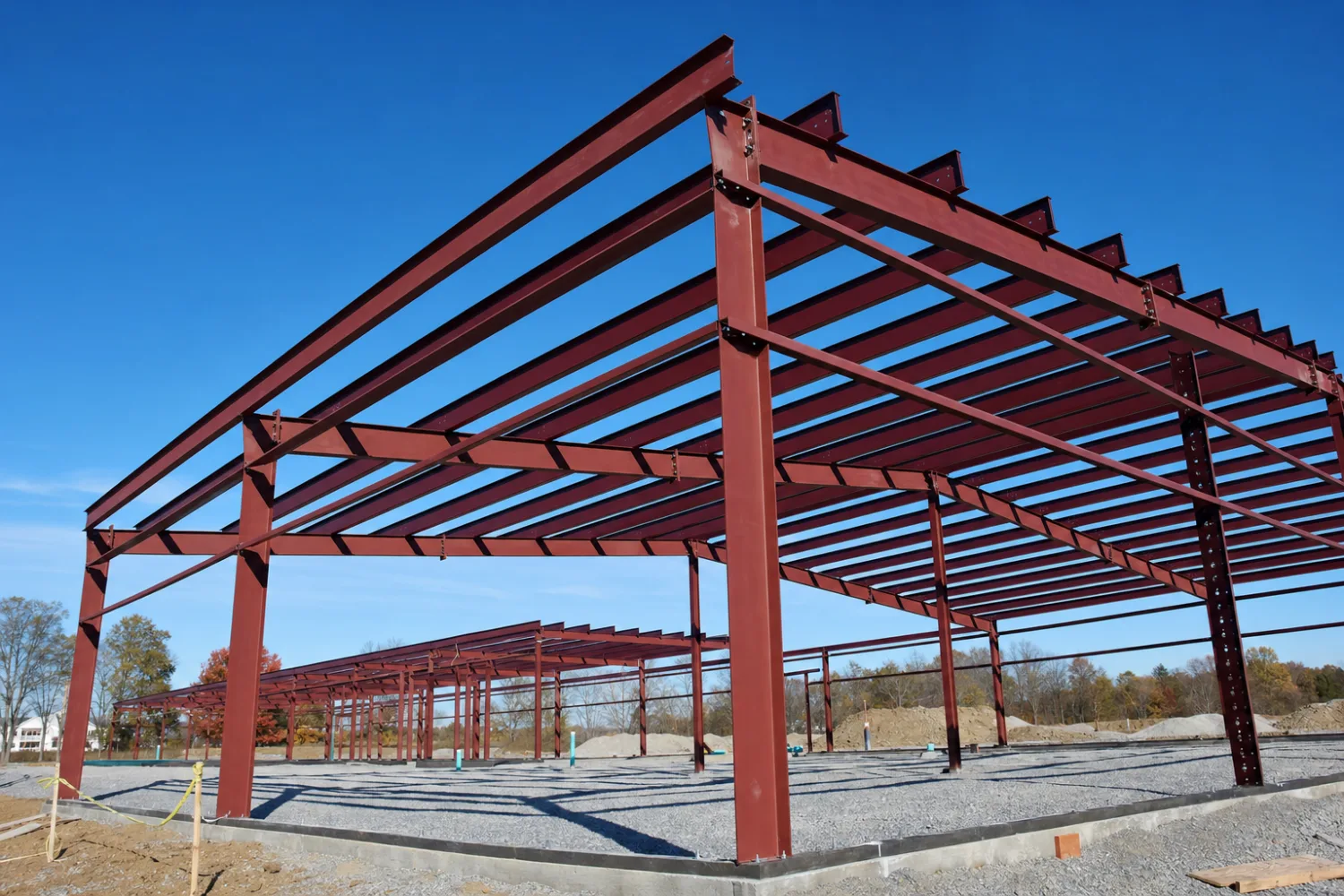
Snow is the load that defines Montana steel. Ground snow loads swing hard across the state, from lighter numbers in the eastern plains to punishing loads in the western mountains and high valleys ‹confirm›, so a building that passes in Billings can be badly under-built in a mountain county. Wind matters too, with open-country gusts driving design speeds, and the western third of the state carries real seismic demand from the Rocky Mountain front and the Yellowstone region ‹confirm›. Read our snow and wind load guide for how these numbers work.
| Load type | Typical Montana range ‹confirm› | Who sets it |
|---|---|---|
| Ground snow load | Roughly 30 psf in low plains to 100+ psf in mountains | Local building department / engineer of record |
| Design wind speed | About 90 to 115 mph (ultimate) | Per IBC/IRC wind maps for your site |
| Seismic design | Higher in western Montana, low in the east | Site seismic category, set locally |
Illustrative ranges only. Confirm the exact figures with your local building department before you order.
Because these values are set by jurisdiction, never order a building to a statewide number. Ask your building department for the ground snow load, design wind speed, and seismic design category at your address, then hand those to your supplier so the engineered drawings match the site. That one step is the difference between a stamped set that passes review and a redesign.
Climate
Climate zones and insulation for Montana
Montana is cold-climate country, so insulation is about holding heat, not fighting humidity. Most of the state falls in IECC climate zones 6 and 7 ‹confirm›, among the coldest in the lower 48, which pushes higher R-values for any building you plan to heat. If your metal building will be conditioned, the IECC applies and your wall and roof assemblies have to hit zone-specific R-values ‹confirm›.
The practical priority is a continuous, well-sealed envelope and control of condensation where warm indoor air meets cold steel. A heated Montana shop with thin or gapped insulation will sweat and waste propane. Our metal building insulation guide covers the assemblies that work in cold zones, and the foundation options guide covers frost depth, which runs deep here and drives footing design.
Price
What drives metal building prices in Montana
Montana’s geography is the price story. The state is large, rural, and far from major steel mills, so freight to a remote site adds real cost ‹confirm›, and that gap widens the farther you are from an interstate. Local labor and equipment availability swing the install number too, since crews and cranes are thinner on the ground outside the metros ‹confirm›. For the full national breakdown, see our metal building kit prices guide.
Snow load is the other multiplier. A high mountain-county snow rating means more steel and heavier framing than the same building would need on the plains, so two identical floor plans can price quite differently across the state ‹confirm›. Get your local snow number before you compare quotes, or you will compare buildings that are not engineered for the same thing. Treat any figure here as illustrative for 2026 and confirm current pricing with suppliers.
Local demand
Popular uses and metro building departments
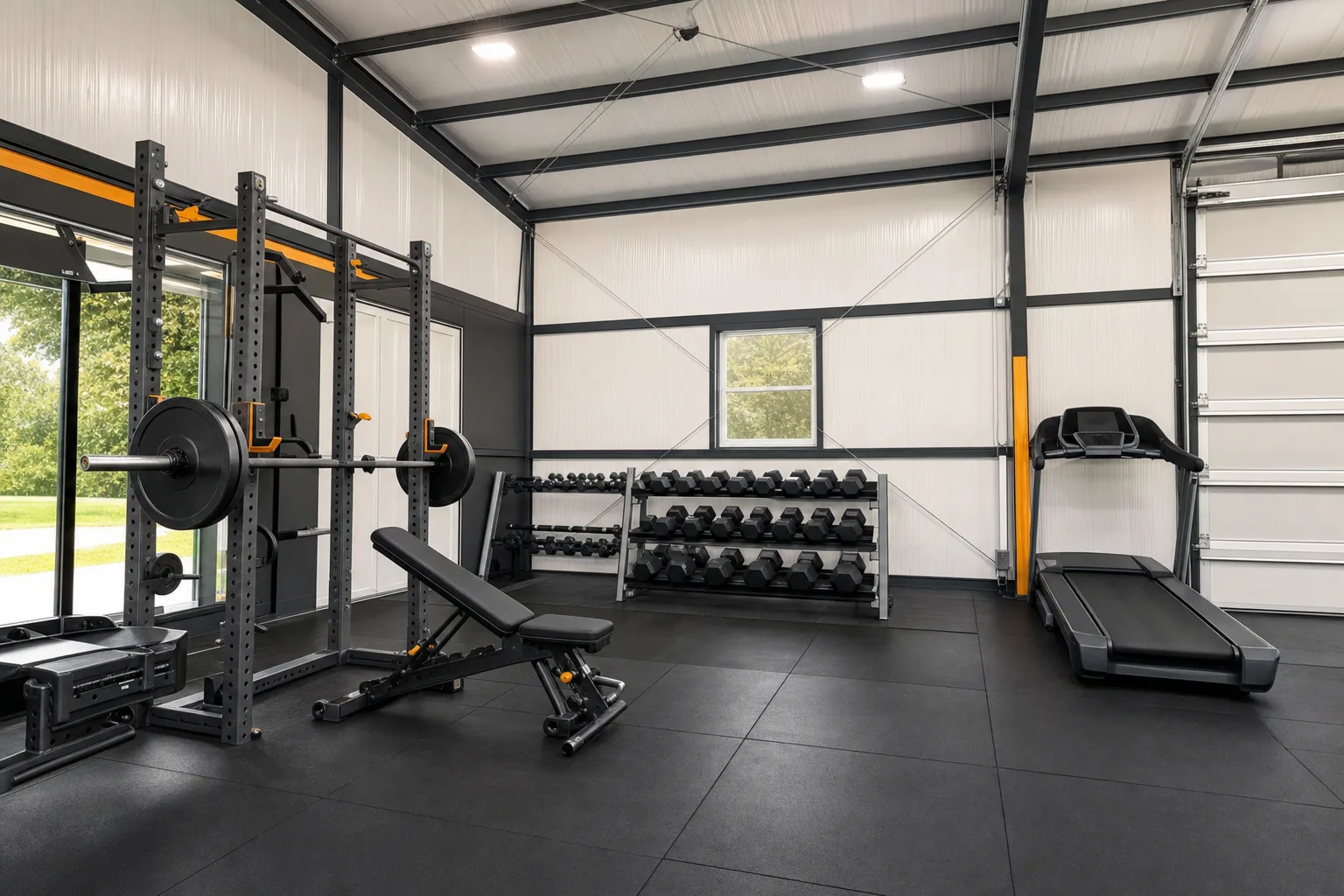
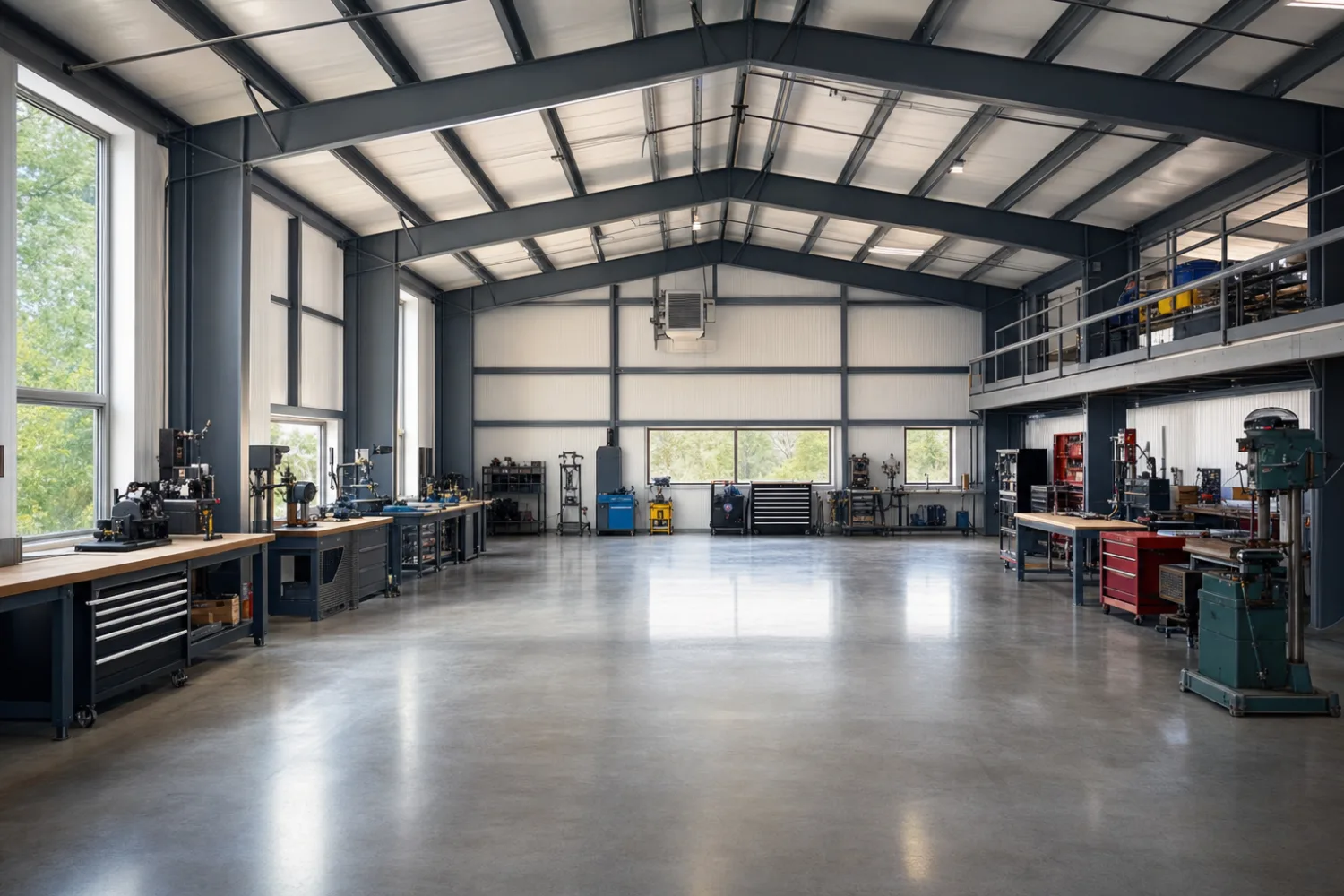
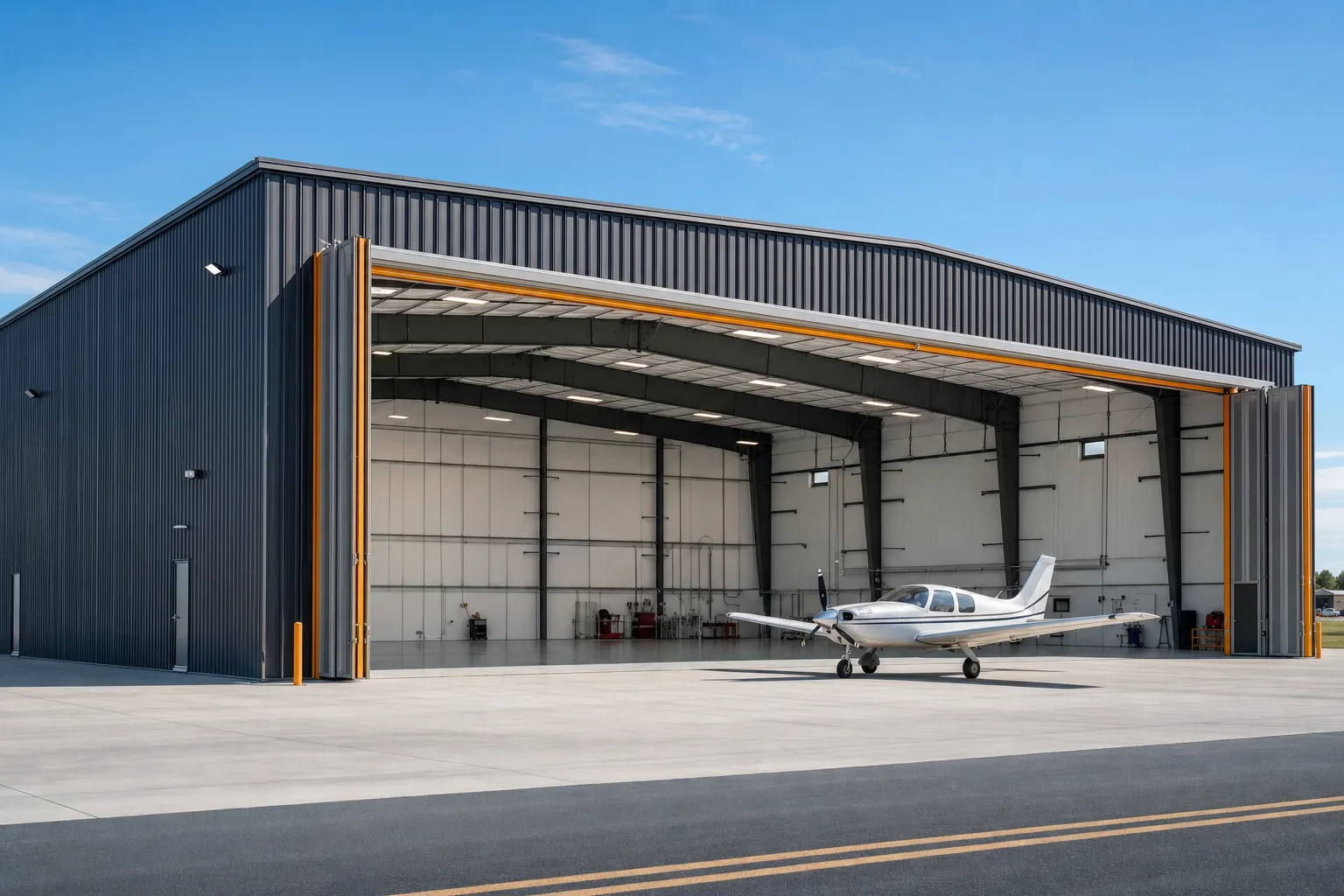
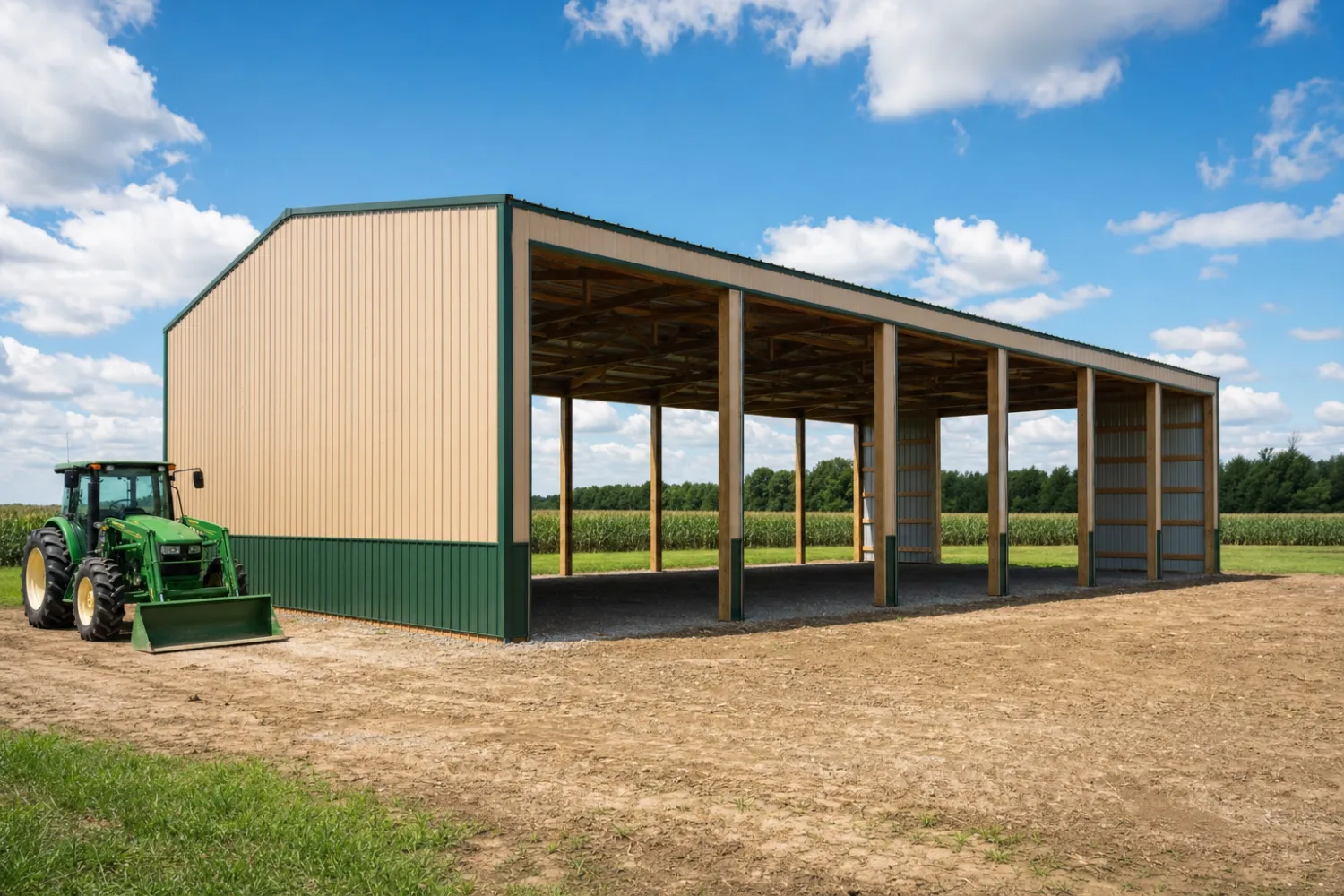
Montanans build metal for the way the state lives: equipment and hay storage on ranch land, shops for trucks and toys, garages that swallow a plow and a boat, and barndominium-style living quarters on acreage. Agricultural and storage demand runs strong because so much of the state is open country. Where you build sets your permit path, so here is who runs the desk in the biggest metros.
- Billings. The state’s largest city runs its own city building department for permits and inspections inside city limits ‹confirm›; Yellowstone County covers nearby unincorporated land.
- Missoula. The City of Missoula permits inside the city, and Missoula County runs one of Montana’s certified local code programs for the surrounding area ‹confirm›.
- Bozeman. The City of Bozeman building department handles permits in Gallatin County’s fastest-growing market ‹confirm›.
- Great Falls and Kalispell. Each city runs its own building department ‹confirm›; outside city limits, confirm whether the county or the state holds jurisdiction.
Names and jurisdiction lines change, so call the office that covers your exact address before you order. The agricultural and private-garage exemptions can move your project in or out of the state permit system depending on use, so confirm your category first.
FAQ
Montana metal building questions
Are building permits required for a metal building in Montana?
It depends where you build. Montana does not require a permit everywhere. Incorporated cities like Billings, Missoula, and Bozeman require local permits for almost any new structure. In unincorporated counties, you may answer to a certified local program, to the state Building Codes Bureau, or to neither if no code is adopted. Always confirm with the office that covers your address.
Can I build a metal building on my property in Montana?
In most cases yes, subject to local zoning, setbacks, and any adopted building code. Structures above a small size threshold usually need a permit and engineered drawings. Check your zoning classification, lot coverage, and setback rules with your city or county before you order a kit.
Does Montana require engineer-stamped drawings for steel buildings?
Generally yes for permitted buildings. Expect to submit plans stamped by a structural engineer licensed in Montana ‹confirm›, sized to your local snow, wind, and seismic loads. Most kit suppliers provide stamped drawings as part of the order. Verify the requirement with your local building department.
What building code does Montana use?
Montana enforces a statewide code based on the International Code Council family, currently the 2021 IBC, IRC, and IECC with state amendments ‹confirm›, administered by the Building Codes Bureau in the Department of Labor and Industry. Local jurisdictions enforce these codes through their own departments. Confirm the current edition for your jurisdiction.
Are agricultural metal buildings exempt from permits in Montana?
Private, non-commercial agricultural buildings may be exempt from a state building permit ‹confirm›, and some single-family private garages can qualify as well. Exemption from a state permit does not waive local zoning and setback rules, and a city or certified county may still require a permit. Confirm your category before you assume an exemption.
How much snow load does a metal building in Montana need to handle?
There is no single statewide number. Ground snow loads run from lighter values on the eastern plains to punishing loads in the western mountains and high valleys ‹confirm›. Your building department sets the design ground snow load for your address. Get that figure first and have your supplier engineer the frame to it.
Do I need a permit to build a garage in Montana?
Inside a city, almost always. Cities like Billings and Bozeman require a permit and inspections for a new garage. In a rural unincorporated county with no adopted code, a private non-commercial garage may not need a state permit, but local zoning still applies. Call your building department to confirm.
Read next
Keep reading
Building near a state line, or want the load and permit fundamentals? Start here:
- Metal building kits in Idaho
- Metal building kits in Wyoming
- Metal building kits in South Dakota
- Metal building kits in North Dakota
- Metal building permits and codes
- Snow load and wind load explained
- Metal building foundation options
- Metal building insulation
- Metal building kit prices (the pricing pillar).
Sources
Sources
- Montana DLI, Building Codes Bureau, Current Codes: https://bsd.dli.mt.gov/building-codes-permits/current-codes
- Montana DLI, Building Permits: https://bsd.dli.mt.gov/building-codes-permits/permit-applications/building-permits/
- ICC Digital Codes, Montana: https://codes.iccsafe.org/codes/montana
- UpCodes, Montana Building Code (Chapter 22 Steel): https://up.codes/viewer/montana/ibc-2018/chapter/22/steel
- MeltPlan, Navigating Montana’s Building Codes: https://www.meltplan.com/blogs/navigating-montana-s-building-codes-a-comprehensive-guide-for-design-professionals
- Steel Structures America, Metal Buildings in Montana: https://www.steelstructuresamerica.com/metal-buildings-montana/
- PermitsGuide, Montana Garage Permit Rules: https://permitsguide.com/garage/montana