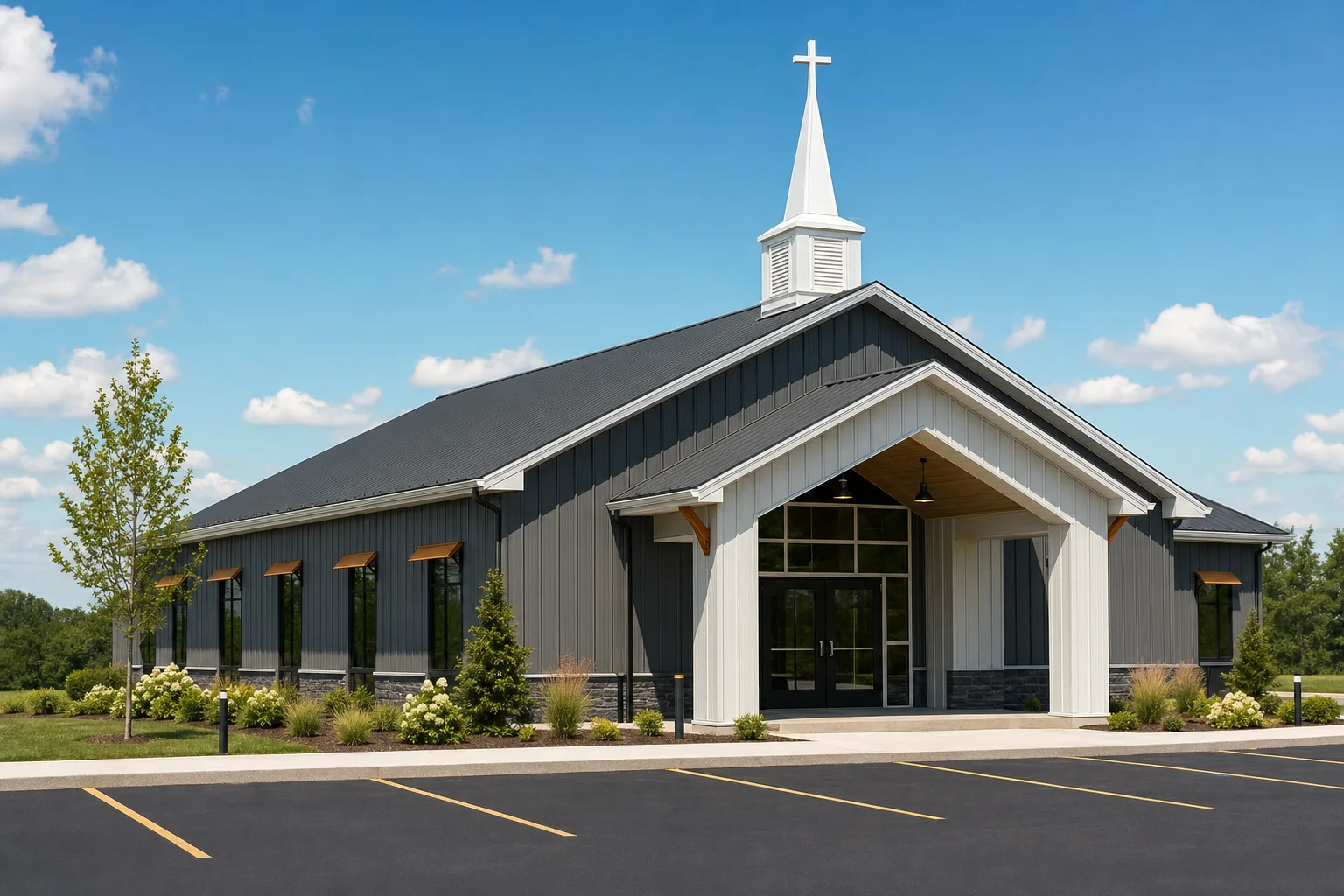
Two things decide a metal building in Rhode Island: snow and the coast. Inland towns frame for New England ground snow, while sites near Narragansett Bay and the open Atlantic frame for hurricane-grade wind. Rhode Island runs one statewide building code, but your permit and inspection happen at the city or town level, so the rules you live by are local.
This guide sits under the metal buildings by state pillar and translates the statewide picture into what a buyer checks before ordering steel. Below: the code edition the state enforces, where snow and wind loads come from, the climate zone that drives insulation, what moves price in the smallest state, and the real building departments in the Providence metro. Treat every load figure here as a typical range to verify with your local building department, not a final number.
Codes & permits
The code Rhode Island enforces and who issues your permit
Rhode Island enforces a single statewide code, the Rhode Island State Building Code (RISBC), adopted and maintained by the State Building Code Commission ‹confirm›. The current cycle is built on the 2021 International Codes, the IBC for commercial work and the IRC for one and two-family homes, with Rhode Island amendments layered on top ‹confirm›. The state also enforces the International Energy Conservation Code for the building envelope.
The statewide code does not mean a statewide permit office. You apply to the building department in the city or town where the building goes, and that local official issues the permit and runs the inspections. For metal buildings, plan reviewers in Rhode Island typically want structural calculations and drawings stamped and sealed by a Rhode Island-registered professional engineer or architect ‹confirm›, because a pre-engineered kit ships as a custom-loaded structure rather than a stock plan. Most manufacturers provide that stamped package for your site.
Expect zoning approval before the building permit: setbacks, height, and allowed use are local decisions on your specific parcel. The shell permit covers the frame, and you pull separate electrical, mechanical, or plumbing permits if you finish the interior. Permit fees in Rhode Island vary widely by town and building size, with illustrative ranges from a few hundred dollars on a small detached garage to a few thousand on a large commercial shell ‹confirm›. For the national view of this process, read metal building permits and codes, then verify the specifics with your local building department.
Loads
Wind, snow, and seismic loads in Rhode Island
Rhode Island is a two-driver state. Snow governs most inland sites, and wind governs the coast. A frame that satisfies one without the other is the frame that fails inspection, so a Rhode Island building gets engineered for both at the same time.
Ground snow load is the figure most metal buildings in Rhode Island are sized against. Typical design values across the state sit in a New England range that your town sets locally ‹confirm›. Along the shoreline and the islands, ultimate design wind speeds climb because Rhode Island sits in a coastal wind region exposed to Atlantic storms ‹confirm›, while inland sites carry a lower wind number and lean harder on snow. Seismic demand is low to moderate statewide ‹confirm›. None of these is a single statewide value, so the table below shows the type of load and who sets it, not a number to copy.
| Load type | Typical Rhode Island situation | Who sets it |
|---|---|---|
| Ground snow | New England design range, higher than the national average ‹confirm› | Local building department, per the state code map |
| Wind (coastal) | Elevated near Narragansett Bay and the islands, coastal wind region ‹confirm› | Local building department + engineer |
| Wind (inland) | Lower than the coast, still engineered for the site ‹confirm› | Local building department + engineer |
| Seismic | Low to moderate, rarely the governing load ‹confirm› | Set by code site class, confirmed by engineer |
Load type and authority, not fixed values. Get your numbers from the town and your engineer.
The practical move is to give your supplier the exact site address before they quote, so the stamped package matches the real snow and wind at that parcel. To understand how these two loads interact on a frame, read snow load and wind load explained, then confirm the design values with your local building department.
Climate & insulation
Rhode Island climate and how it shapes insulation
Rhode Island falls in a cold, humid climate zone, IECC Climate Zone 5A across the state ‹confirm›. That pairing sets two jobs for your insulation at once: hold heat through a real New England winter, and stop condensation in a damp, marine-influenced climate.
Cold means R-value. A heated shop, garage, or barndominium in Rhode Island earns its insulation back in winter fuel, so the envelope target sits at the higher end of what a metal building usually carries ‹confirm›. Humidity means a vapor strategy. Bare steel in a coastal climate sweats when warm indoor air meets a cold panel, and that moisture, not rust from the outside, is what damages an under-insulated metal building over time.
Two jobs, one envelope
In a Zone 5A coastal climate you are insulating for heat loss and managing condensation in the same assembly. A continuous vapor barrier and controlled ventilation matter as much as the R-value here. The metal building insulation guide walks the options that handle both.
Price factors
What moves metal building price in Rhode Island
Steel is a national commodity, so the base price of a Rhode Island kit tracks the same mill market as the rest of the country. What shifts the delivered, built number is regional: freight, labor, loads, and land.
- Freight. Rhode Island sits a fair distance from the southern steel-fabrication belt, so transport adds to the delivered price more than it does in the Southeast.
- Labor. New England construction labor runs higher than the national average, which shows up in foundation and erection quotes if you are not building it yourself.
- Load engineering. Coastal wind and New England snow push heavier framing and more anchorage than a low-load inland state, and heavier steel costs more.
- Site and frost. A New England frost depth means a deeper footing, so the foundation line is rarely the cheapest option. See foundation options for how that choice plays out.
Treat any dollar figure you see as a dated, illustrative range and confirm the current quote with a supplier ‹confirm›. For the structured breakdown of what drives the number, the metal building kit prices pillar covers each line item.
Uses & metros
Popular uses and the Providence metro building departments
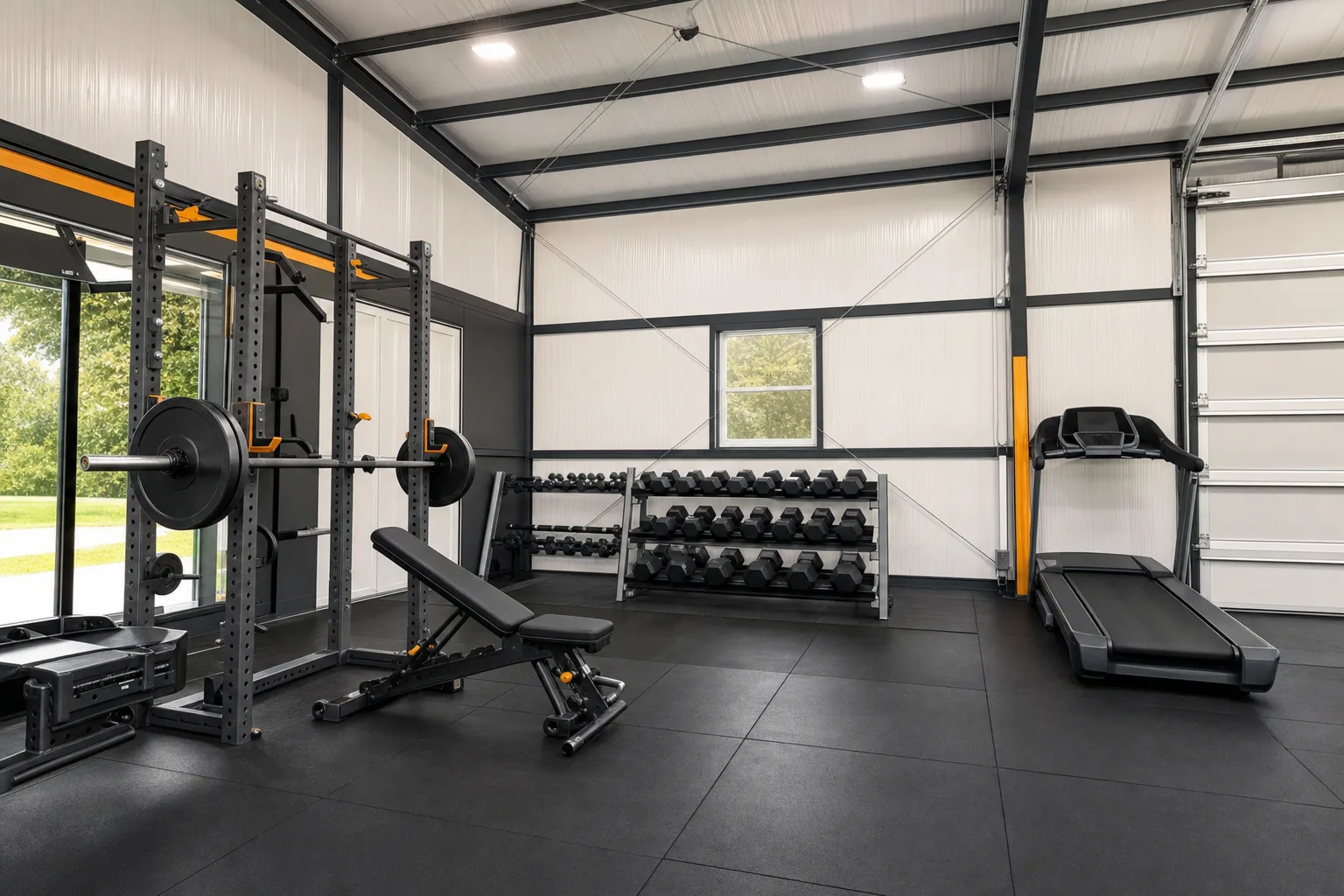
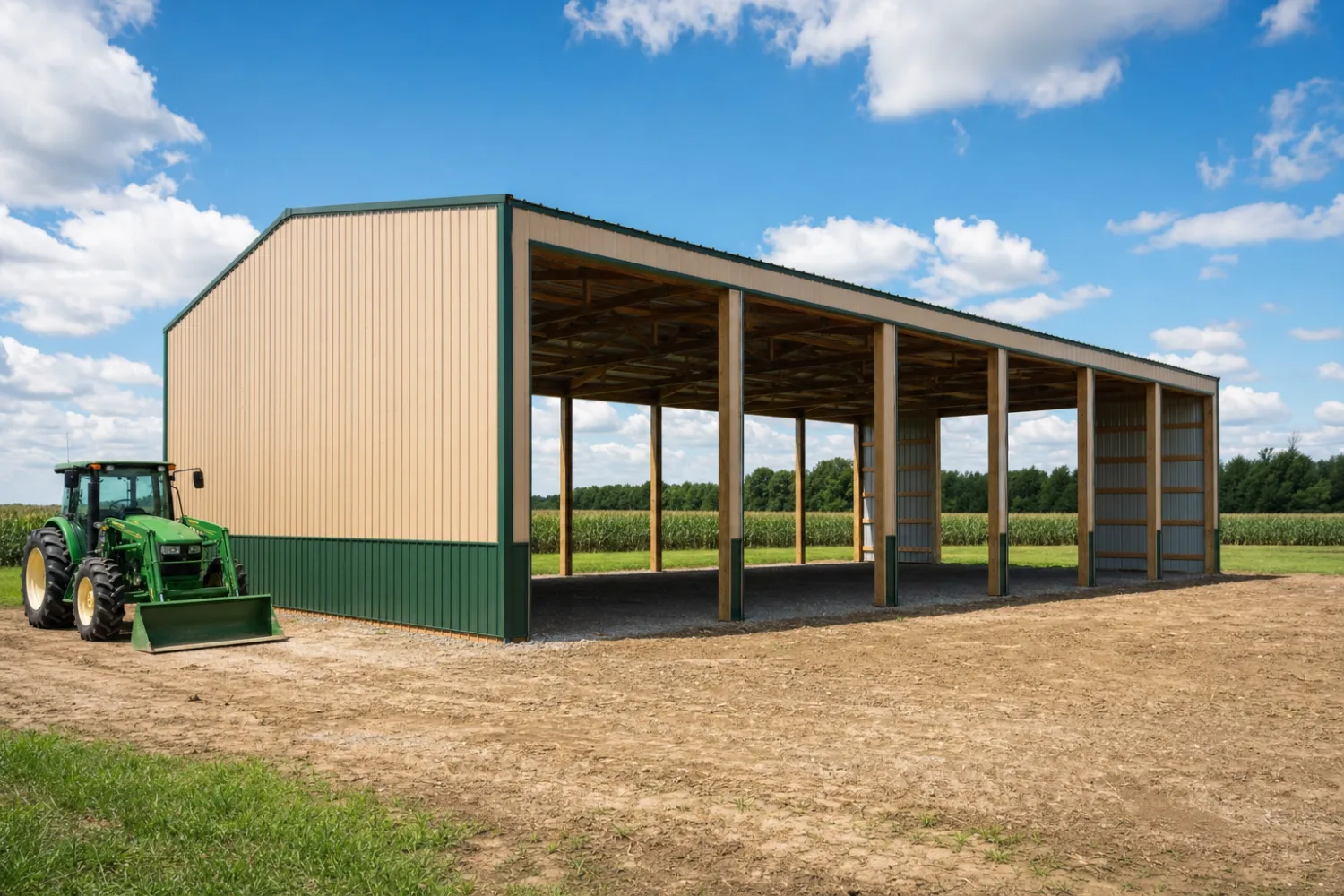
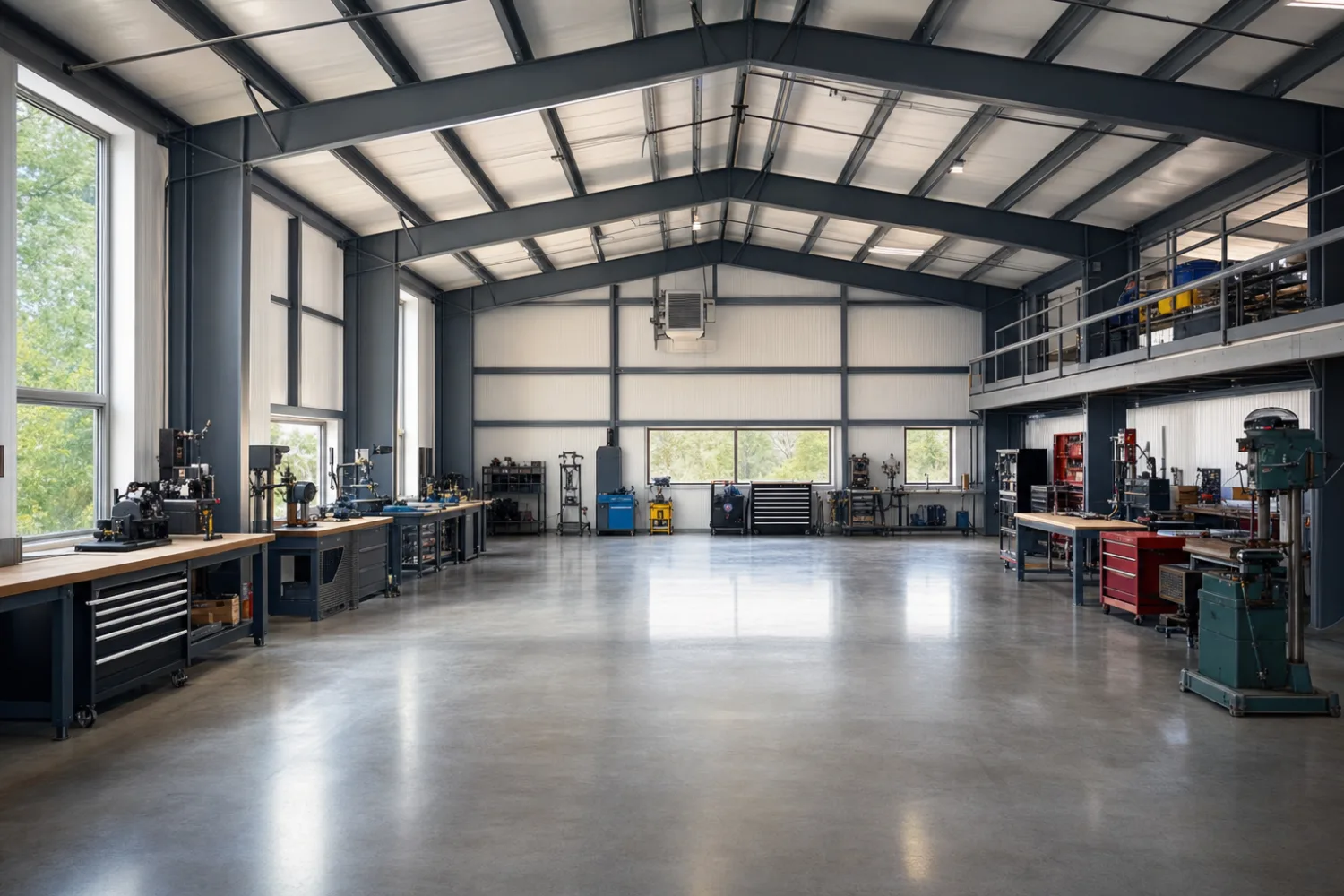
Rhode Islanders build the same mix the rest of New England does: detached garages and workshops, agricultural and equipment storage in the rural west and south, coastal storage for boats and gear, and a growing share of barndominiums and home shops. The smaller the lot, the more zoning setbacks shape what fits, so the building department is your first call, not your last.
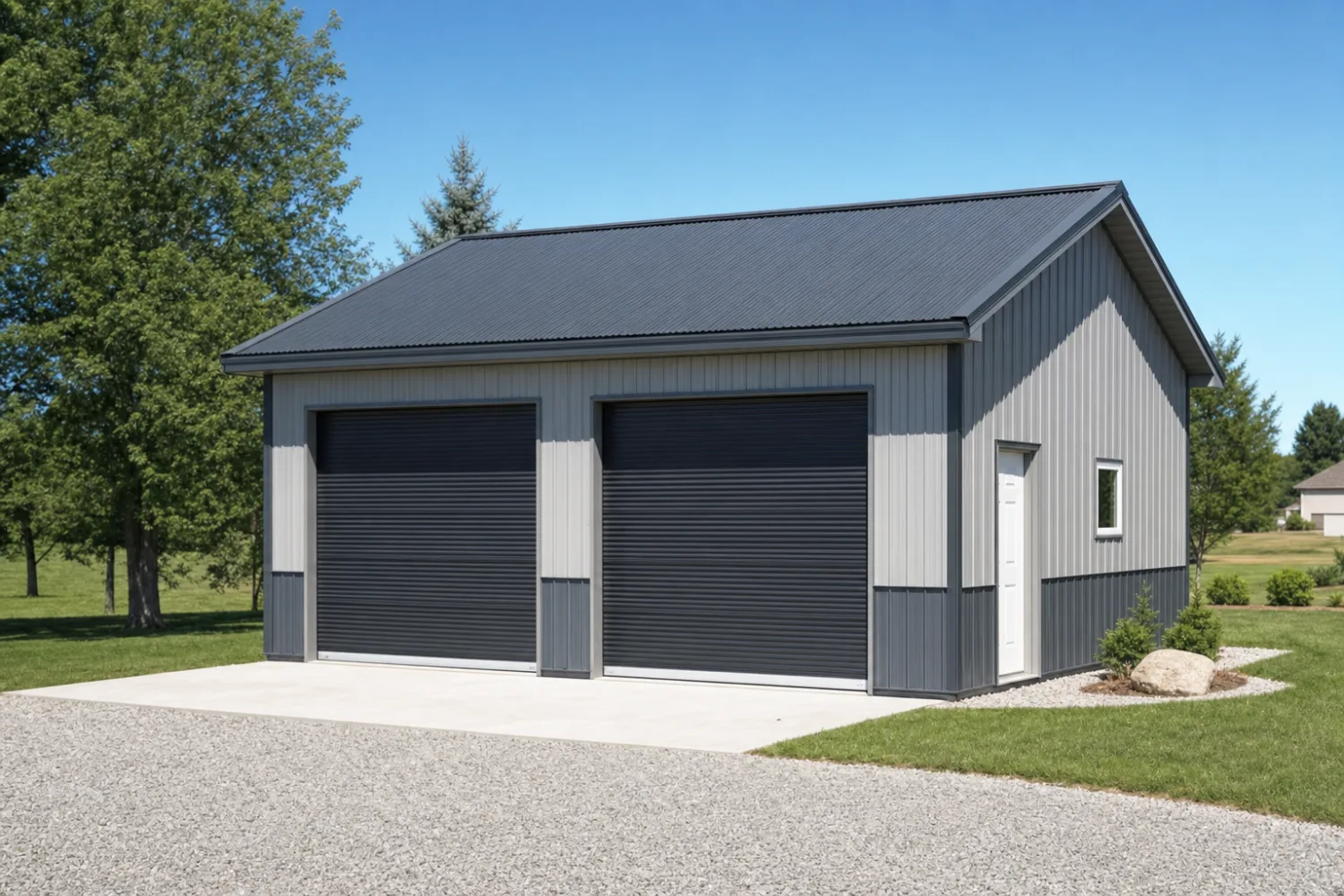
In the Providence metro, the city building authority is the Providence Department of Inspection and Standards, which handles permits and inspections from 444 Westminster Street ‹confirm›. Surrounding metro cities such as Warwick, Cranston, and Pawtucket each run their own building or inspection departments under the same statewide code ‹confirm›, so the code is consistent while the counter, the fees, and the local zoning differ town to town. Confirm the office and its current requirements for your exact address before you order.
FAQ
Rhode Island metal building questions
Do you need a permit for a metal building in Rhode Island?
Yes. Rhode Island requires a building permit for new metal buildings, including detached garages, and you apply through the building department in the city or town where it will stand. Zoning approval for setbacks and use usually comes first, then the building permit, then inspections.
What building code does Rhode Island use?
Rhode Island enforces one statewide code, the Rhode Island State Building Code, built on the 2021 International Codes with Rhode Island amendments and the IECC energy code ‹confirm›. The State Building Code Commission maintains it, and your local building official enforces it.
Do metal building plans need an engineer’s stamp in Rhode Island?
For a pre-engineered metal building, plan reviewers in Rhode Island typically require structural drawings and calculations stamped by a Rhode Island-registered professional engineer or architect ‹confirm›. Most manufacturers supply that sealed package sized to your site’s snow and wind loads. Confirm the requirement with your local building department.
How much does a building permit cost in Rhode Island?
Permit fees vary by town and by building size and value, with illustrative ranges from a few hundred dollars on a small detached garage to a few thousand on a large commercial shell ‹confirm›. Your local building department sets the fee schedule, so get the current figure for your address.
What snow and wind loads apply in Rhode Island?
Inland Rhode Island is driven by New England ground snow, while coastal sites near Narragansett Bay and the islands face elevated wind in a coastal wind region ‹confirm›. There is no single statewide number, so your engineer and your local building department set the design values for your parcel. Give your supplier the exact address so the stamped package matches the site.
What insulation does a Rhode Island metal building need?
Rhode Island sits in IECC Climate Zone 5A, a cold and humid zone ‹confirm›, so you insulate for winter heat loss and for condensation at the same time. Aim for a higher R-value envelope and pair it with a continuous vapor barrier and controlled ventilation to keep the steel from sweating.
Who issues building permits in Providence?
In the city of Providence, the Providence Department of Inspection and Standards issues building permits and runs inspections, working from 444 Westminster Street ‹confirm›. Other metro cities such as Warwick, Cranston, and Pawtucket run their own departments under the same statewide code.
Read next
Keep reading
Compare Rhode Island with its neighbors, or go deeper on the topics it raises:
- Metal building kits in Connecticut (the bordering state to the west).
- Metal building kits in Massachusetts (the bordering state to the north and east).
- Metal building kits in New York (the wider Northeast picture).
- Metal building kits in New Hampshire (more New England snow country).
- Metal building permits and codes (how permitting works nationwide).
- Snow load and wind load explained (the two loads that govern here).
- Metal building foundation options (frost-depth footings and slabs).
- Metal building insulation (the Zone 5A envelope strategy).
- Metal building kit prices (the cost pillar).
Sources
Sources
Verify the load and code specifics for your own parcel with your local building department. These are the references behind the values above:
- Rhode Island State Building Code Commission, state building permits: https://ribcc.ri.gov/state-building-permits
- North Kingstown, RI building FAQ (code edition based on the 2021 International Codes): https://www.northkingstownri.gov/FAQ.aspx?QID=228
- PermitFlow, Providence RI building permit guide: https://www.permitflow.com/blog/providence-ri-building-permit
- Providence Department of Inspection and Standards (Google Maps, 444 Westminster St): https://www.google.com/maps/place/Providence+Department+of+Inspection+and+Standards
- Metal Buildings US, Rhode Island metal building permit fees (illustrative): https://metalbuildingsus.com/metal-buildings-rhode-island/metal-building-permits-rhode-island/