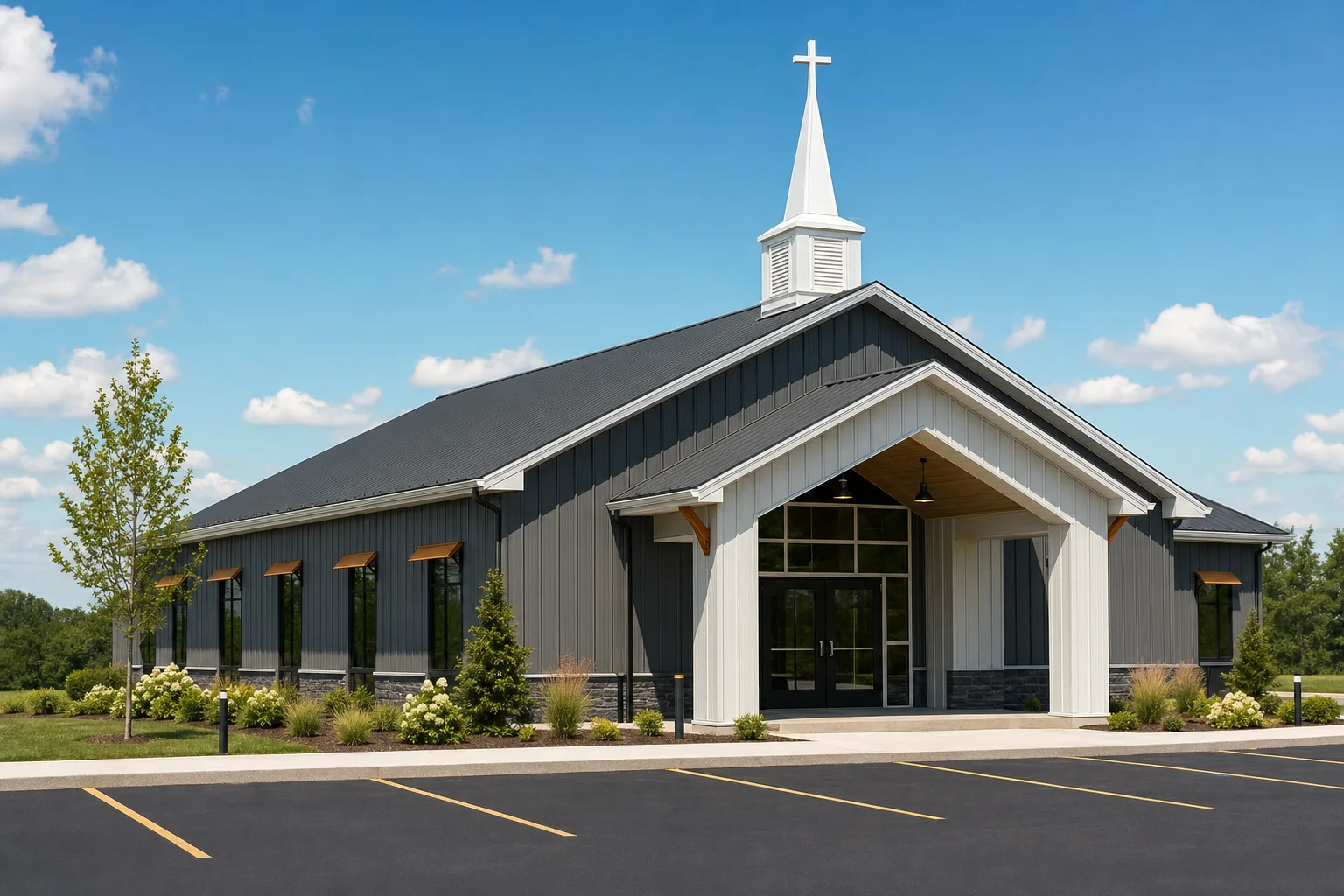
A metal building in Connecticut is shaped by two things above all: a cold, snow-loaded climate that drives your roof design, and a permit process run town by town, not by the state or county. Connecticut enforces one statewide code, the Connecticut State Building Code, but the building official who reviews your plans and inspects your steel works for your city or town. Get the snow load and the local permit right and the rest of the project follows.
This guide sits under our metal buildings by state pillar and covers what changes when you build in Connecticut: the adopted code edition, when you need stamped drawings, the loads your frame has to carry, and the real building departments around Hartford. Numbers here are typical ranges to plan with. Confirm every hard value with the building department in the town where the steel will stand.
Codes & permits
Connecticut’s building code and permit reality
Connecticut runs a single statewide code, the Connecticut State Building Code (CSBC), and enforces it locally. The current edition is the 2022 Connecticut State Building Code ‹confirm›, which adopts the 2021 International Building Code and 2021 International Residential Code with state amendments, plus the 2020 National Electrical Code for wiring. The state’s Office of the State Building Inspector administers the code, and your town’s building official enforces it on your project.
There is no county permit layer in Connecticut. The city or town where you build issues the permit, runs the inspections, and signs off. A small detached accessory structure of 200 square feet or less is generally exempt from a building permit ‹confirm›, though it still has to meet local zoning setbacks. Anything larger, anything you wire or plumb, and most enclosed shops or garages need a permit before you pour or bolt up.
For most permitted metal buildings, the town will want engineered drawings stamped by a Connecticut-licensed engineer or architect ‹confirm› showing the frame meets local snow, wind, and seismic loads. Reputable kit suppliers provide stamped plans for your site. Our permits and codes guide walks the full submission, and the honest rule holds everywhere: verify the exact requirements with your local building department before you order.
Loads
Snow, wind, and seismic loads in Connecticut
Snow is the load that drives most Connecticut metal buildings. The state sits in a cold, wet northeastern zone, so your roof has to carry a real ground snow load, and coastal towns add a wind concern from Long Island Sound storms. Seismic demand is low to moderate. Your building official sets the design values for your exact site, so treat the ranges below as planning numbers, not as a stamp.
| Load type | Typical Connecticut range | Who sets it |
|---|---|---|
| Roof snow load | ~30 to 70 PSF ‹confirm› | Local building official, per CSBC ground-snow data |
| Design wind speed | ~110 to 140 mph, higher near the coast ‹confirm› | Town building department, per site exposure |
| Seismic design category | Generally low to moderate ‹confirm› | Local official, per soil site class |
Typical ranges for planning only. Your town building department sets the values your frame is stamped to.
Snow load is where you cannot guess. A frame stamped for 30 PSF in a milder town will not pass in a colder one rated near 70 PSF, so the snow and wind load figures belong on your order before steel is cut. Ask your supplier to engineer the building to the snow and wind numbers your town gives you, and keep that confirmation in writing.
Climate
Climate zone and insulation for a Connecticut steel building
Connecticut is a cold-climate state, so insulation here is about holding heat and stopping condensation, not fighting summer humidity. The state falls in IECC climate zone 5, with the colder northern hills edging into zone 6 ‹confirm›. That means higher wall and roof R-values than a southern build, and a vapor strategy that keeps warm indoor air from meeting cold steel.
The condensation trap
Cold steel plus warm, moist inside air equals dripping panels. In a Connecticut winter that is the most common metal-building complaint. A continuous insulation layer and good vapor control matter as much as the R-value itself. Our insulation guide covers the assemblies that work in a cold, damp climate like this one.
Pricing
What drives metal building prices in Connecticut
Connecticut tends to sit at the higher end of regional steel-building pricing, and two local factors explain most of it. First, the engineering: a higher snow load means a heavier frame and more steel per square foot than a low-load southern build, so the same footprint costs more here ‹confirm›. Second, labor and delivery into a dense northeastern market run above the national average.
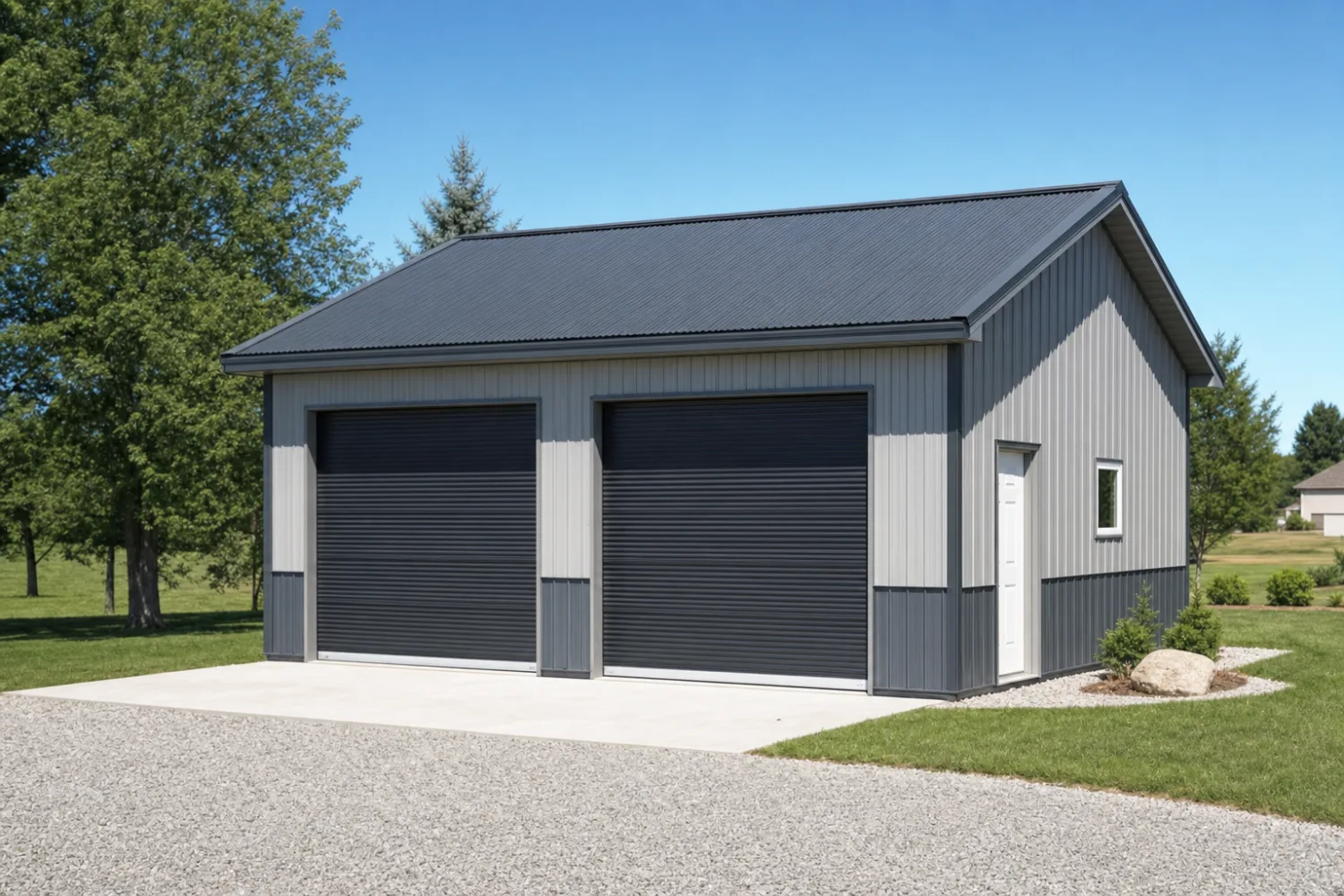
None of that makes a kit a bad value. It means you compare quotes on the engineered specification, not the headline price. A cheaper quote stamped for a lighter snow load is not the same building. Our metal building kit prices pillar breaks down the line items so you can tell a real Connecticut-rated quote from one that skipped the load math.
Local
Popular uses and Hartford-area building departments
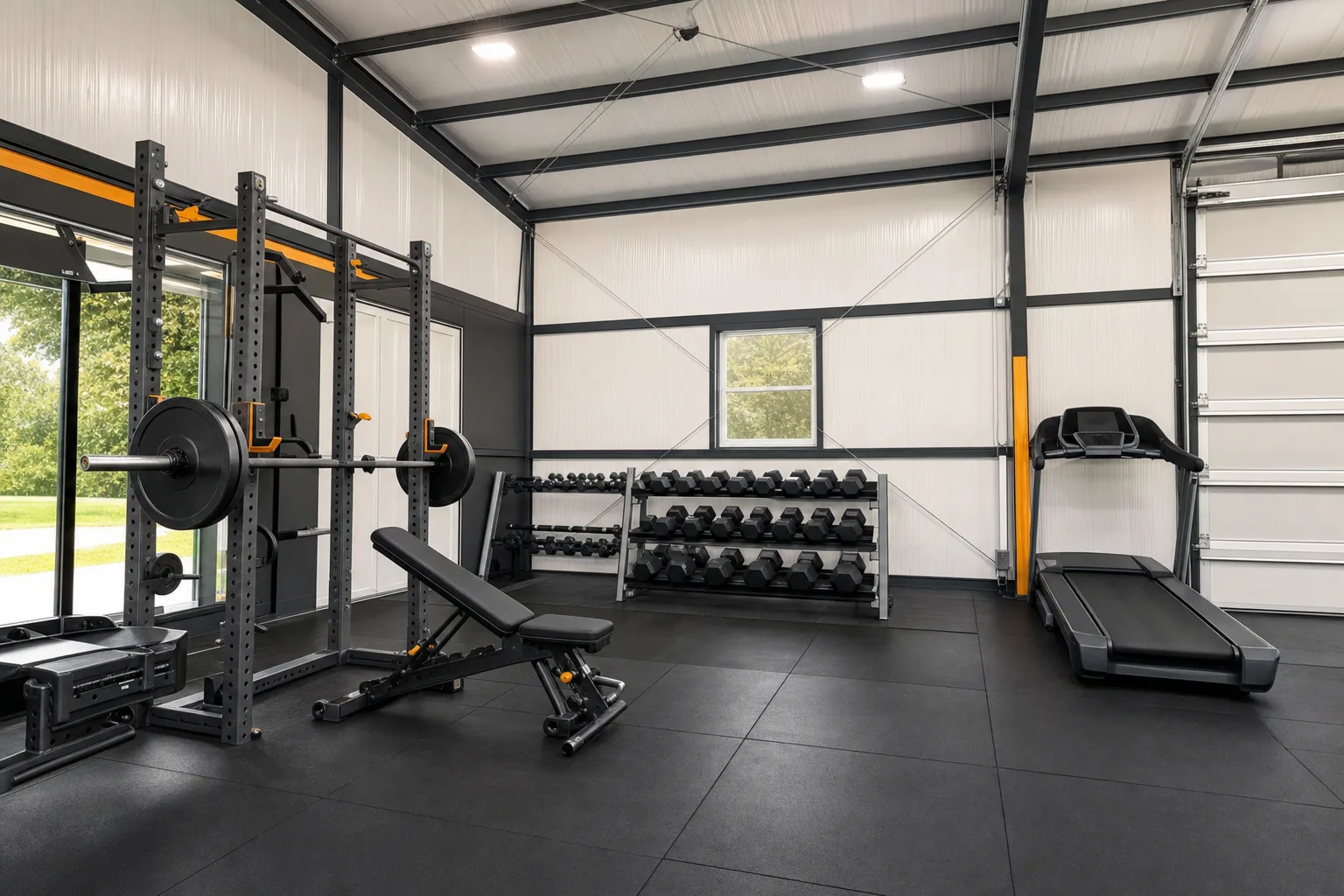
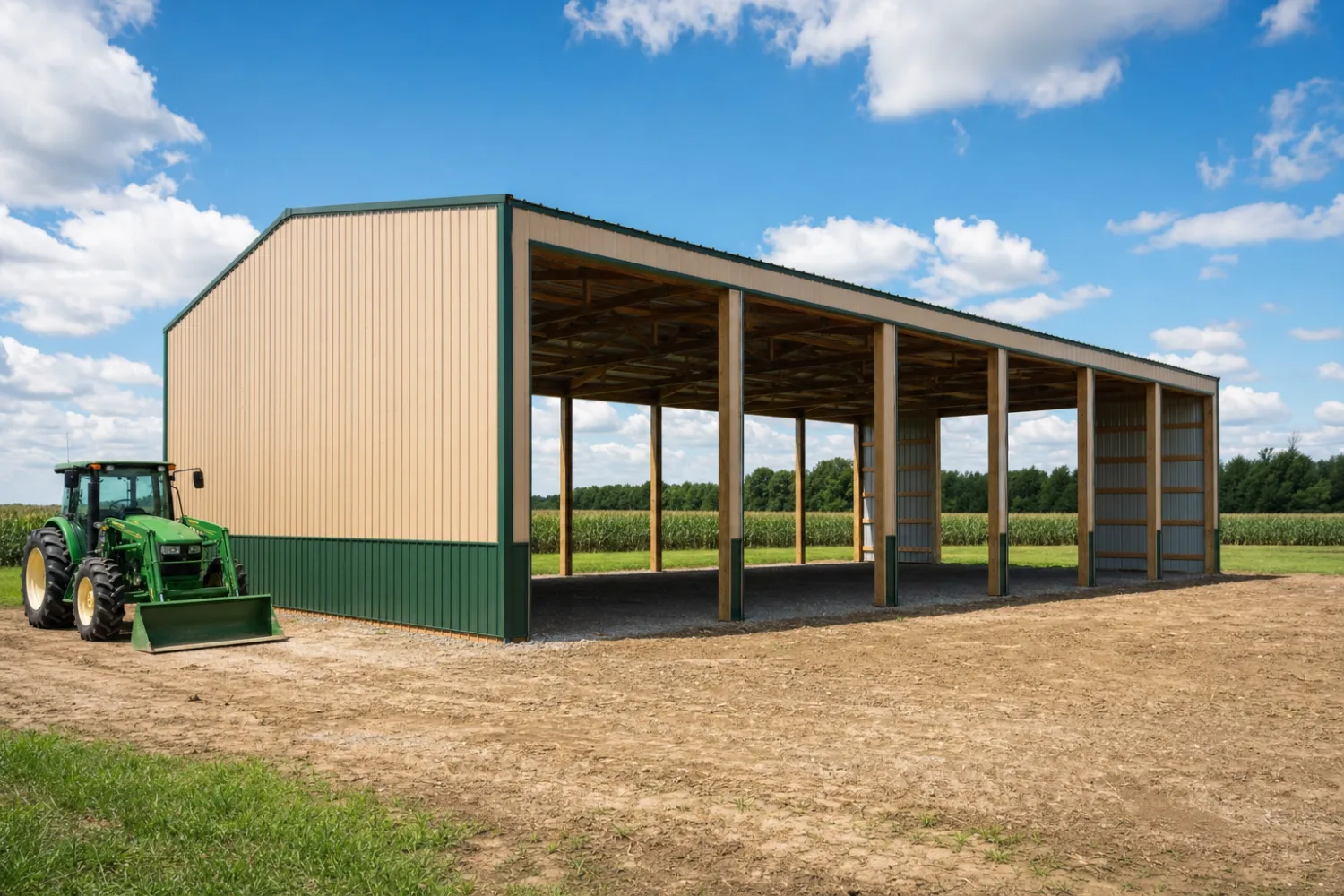
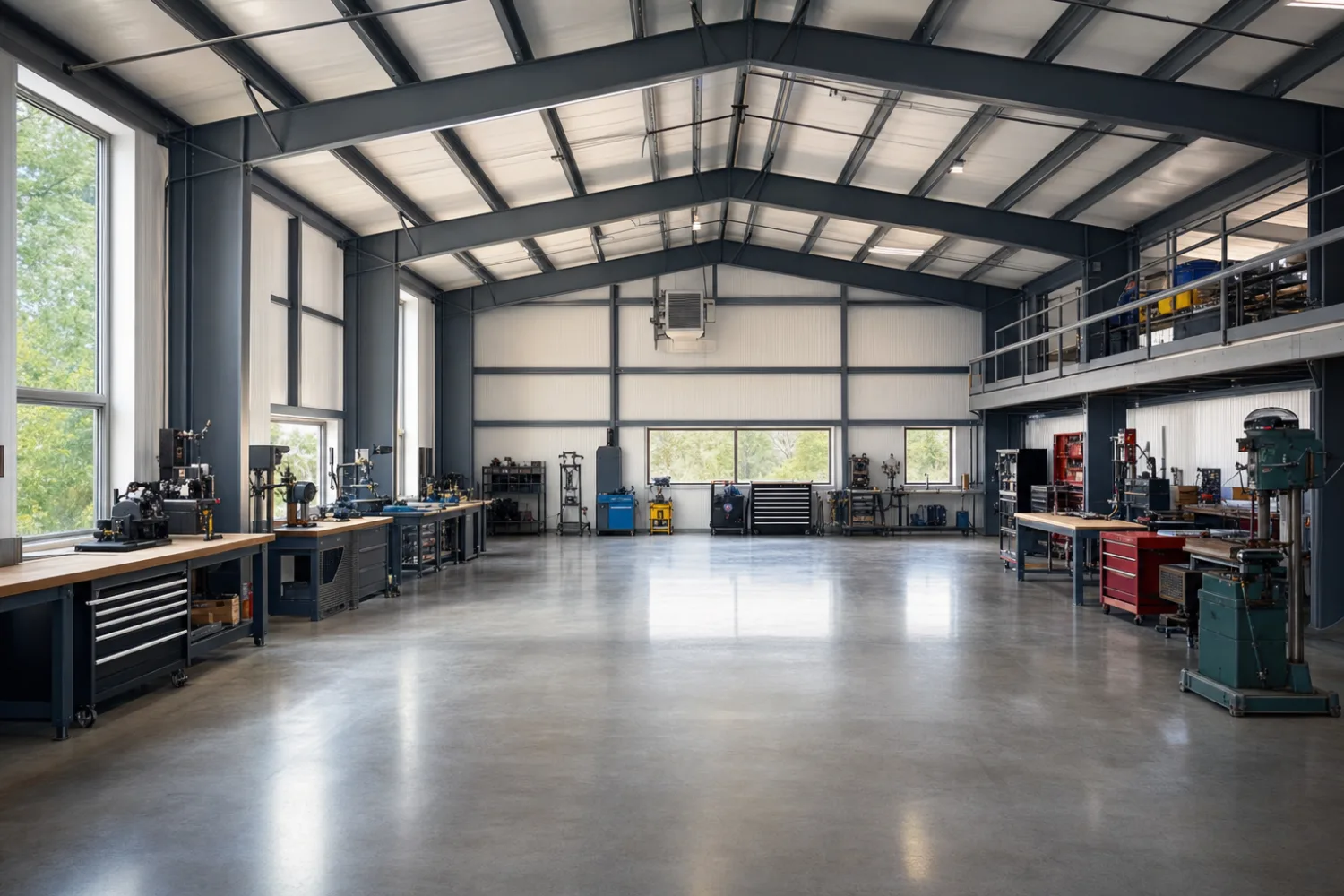
Across Connecticut, people put up steel for cold-weather shops, detached garages, agricultural and equipment storage, and small commercial or warehouse space. The snow-rated clear-span frame is the draw: an open floor that handles a hard winter without interior posts. Whatever you build, the permit runs through your town hall, so start with the right office.
In and around Hartford, the metro’s biggest market, you file with the municipality where the building will stand. The real offices include:
- Hartford Licenses & Inspection at 260 Constitution Plaza, the city’s permit and inspection office for buildings in Hartford ‹confirm›.
- West Hartford Building Department at 50 South Main Street, serving the town of West Hartford ‹confirm›.
- East Hartford Building Inspections at 740 Main Street, handling permits and inspections for East Hartford ‹confirm›.
- Office of the State Building Inspector at 450 Columbus Boulevard, the state body that administers the CSBC the local offices enforce ‹confirm›.
Each town runs its own counter, fees, and turnaround. Call the department for the town you are building in, confirm the snow and wind values for that address, and ask what they want in the submission before you order steel.
FAQ
Connecticut metal building questions
What building code does Connecticut use for metal buildings?
Connecticut uses the Connecticut State Building Code, a statewide code based on the 2021 International Building Code and 2021 International Residential Code with state amendments, plus the 2020 National Electrical Code. The current edition is the 2022 Connecticut State Building Code ‹confirm›. Your town’s building official enforces it locally.
Do I need a permit for a metal building in Connecticut?
In most cases, yes. A detached accessory structure of 200 square feet or less is generally exempt from a building permit ‹confirm›, but it still has to meet local zoning. Anything larger, anything wired or plumbed, and most enclosed garages or shops need a permit from your city or town before you build. Confirm with your local building department.
Who issues building permits in Connecticut, the state or the county?
Your city or town. Connecticut has no county permit layer, so the municipality where the building will stand issues the permit, reviews the plans, and runs the inspections. In the Hartford metro that means offices like Hartford Licenses & Inspection or the West Hartford Building Department ‹confirm›.
Do I need stamped engineered drawings in Connecticut?
For most permitted metal buildings, yes. Towns generally require drawings stamped by a Connecticut-licensed engineer or architect ‹confirm› showing the frame meets local snow, wind, and seismic loads. Good kit suppliers provide stamped plans for your site. Verify the exact requirement with your building department.
What snow load does a metal building need in Connecticut?
Roof snow loads in Connecticut commonly fall in a range of about 30 to 70 PSF ‹confirm›, depending on the town and site. There is no single statewide number, so your building official sets the value for your address. Have your supplier engineer the frame to that confirmed figure, not to a generic default.
What happens if you build without a permit in Connecticut?
If a building official finds unpermitted work, they can issue a stop-work order and require you to obtain retroactive permits. You may face fines, costly code-compliance changes, or in some cases an order to remove the structure. Pulling the permit up front is far cheaper than fixing it after an inspection.
What size building is exempt from a permit in Connecticut?
A one-story detached accessory structure used for storage, such as a tool shed, is generally exempt at 200 square feet or less ‹confirm›. The exemption is from the building permit only. The structure still has to meet local zoning setbacks and height limits, so check with your town before you place it.
Read next
Keep reading
Building near a state line, or want the topic-level detail behind the rules above? Start here:
- Metal building kits in New York (neighboring state guide).
- Metal building kits in Massachusetts (neighboring state guide).
- Metal building kits in Rhode Island (neighboring state guide).
- Metal building kits in New Jersey (nearby state guide).
- Metal building permits and codes (the full permit walkthrough).
- Snow load and wind load explained (how the numbers are set).
- Metal building foundation options (slabs and footings for cold ground).
- Metal building insulation (cold-climate assemblies and condensation control).
- Metal building kit prices (the cost pillar).
Sources
Sources
Code and permit facts below are sourced. Snow, wind, seismic, and climate-zone figures are typical planning ranges to verify with your local building department, not statewide guarantees.
- Connecticut State Building Code overview, CT DAS — portal.ct.gov/das/services-for-agencies-and-municipalities/safety-codes-and-inspections
- Office of the State Building Inspector, CT DAS — portal.ct.gov/DAS/Office-of-State-Building-Inspector
- Connecticut code adoptions — up.codes/codes/connecticut
- 2022 Connecticut State Building Code (PDF), City of Danbury — danbury-ct.gov/DocumentCenter/View/67
- 2022 CSBC work exempt from permit, Town of Hamden — hamden.com/DocumentCenter/View/9802
- Garage permits in CT, issued by the city building department — shedsunlimited.net/state-regulations/garage-permits-in-ct
- Hartford Licenses & Inspection — hartford.gov
- West Hartford Building Department — westhartfordct.gov/town-departments/building
- East Hartford Building Inspections — easthartfordct.gov/inspections-permits