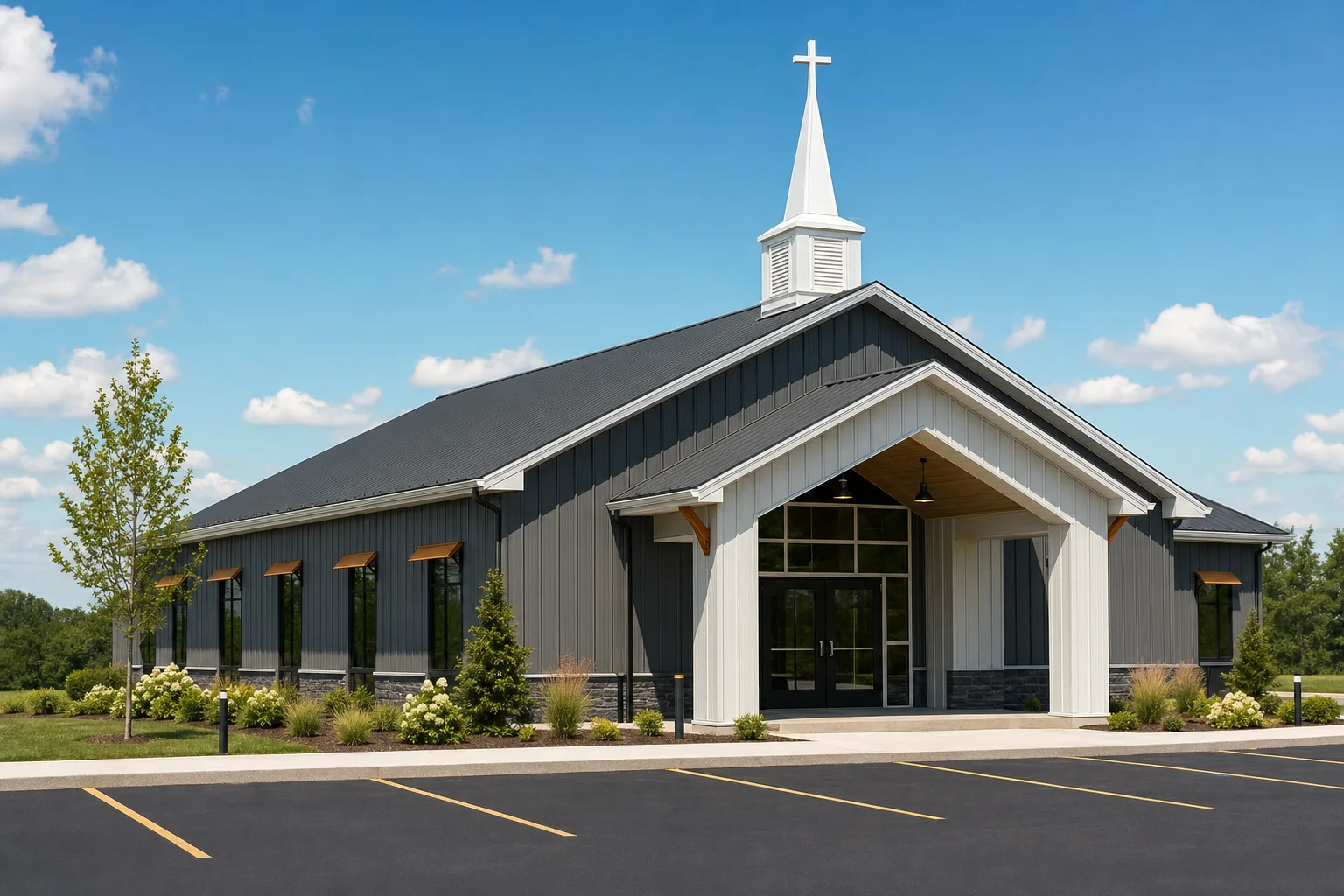
A metal building in Nevada lives or dies on two things: seismic design and a permit set stamped by a Nevada engineer. Nevada has no statewide building code, so your county or city writes the rules, and the state ranks among the most seismically active in the country. For most enclosed steel buildings you will submit engineered drawings showing your site’s wind, snow, and seismic loads, then have a licensed professional engineer seal them before a permit is issued ‹confirm›.
This guide is part of our metal buildings by state series. Below you get how Nevada handles codes and permits, the load drivers that change between Las Vegas and Reno, what insulation a desert climate calls for, the price factors that move a Nevada quote, and the real building departments you will deal with. Treat every number here as a starting point and confirm it with your local building department.
Codes & permits
Nevada building codes and permits for metal buildings
Nevada sets building codes at the county and city level, not statewide, so the permit office that governs your parcel has the final word. Most Nevada jurisdictions adopt the International Code Council family, with the International Building Code covering commercial and larger structures and the International Residential Code covering smaller residential accessory buildings. Many counties were on the 2018 IBC or a newer edition at last check ‹confirm›, often with local amendments layered on top.
For a steel building, the structural drawings and calculations generally need the wet stamp and signature of a professional engineer or architect licensed in Nevada ‹confirm›. Reputable kit suppliers provide engineered plans drawn to your site’s loads, which is the package the plan reviewer wants to see. Counties such as Clark and Washoe also call for special inspections of structural welding, high-strength bolting, and concrete during the build ‹confirm›. Our metal building permits and codes guide walks the full submittal flow.
Verify with your local building department
Square-foot permit thresholds, adopted code editions, and stamp rules differ by jurisdiction. A small detached, non-habitable structure may be exempt from a building permit in some rural counties yet still has to meet zoning and setback rules ‹confirm›. Always confirm the exact threshold for your address before you order steel or pour a slab.
Loads
Wind, snow, and seismic loads in Nevada
Seismic is the load that sets Nevada apart. The state sits in active fault country and ranks among the most seismically active in the United States, so your engineer designs the frame and its anchorage for a seismic design category that the others can ignore. Wind matters across the open basins, and snow becomes the governing load once you climb in elevation around Reno, the Sierra front, and the eastern mountains.
Because loads are set by your jurisdiction and your exact site, treat the ranges below as typical and confirm the design values for your parcel. A building outside Las Vegas in the Mojave basin and one near Lake Tahoe at altitude are not the same engineering problem. The snow load and wind load guide explains how these numbers drive frame gauge and spacing.
| Load type | Typical Nevada range ‹confirm› | Who sets it |
|---|---|---|
| Ground snow | 0 to 40+ psf, low in the south, far higher at elevation | County or city building department |
| Design wind speed | roughly 105 to 120 mph (ultimate) across most basins | County or city building department |
| Seismic | Moderate to high; a design category your engineer assigns | State-referenced maps plus local code |
Typical Nevada load ranges. Confirm the exact design values with your local building department.
Climate
Climate and insulation for a Nevada steel building
Nevada is a dry-climate state, so your insulation priority is managing heat and big day-to-night temperature swings, not fighting humidity. Southern Nevada around Las Vegas falls in a hot-dry climate zone, while Reno and the higher north sit in a colder zone that asks for more heating performance ‹confirm›. The desert air keeps condensation lower than it runs in humid coastal states, but it does not vanish on cold desert nights.
In the south, a radiant barrier or reflective insulation under the roof fights the cooling load and the solar gain that bakes a steel shell all summer. In the north, you lean toward higher R-value in the walls and roof to hold heat through cold months. Either way, seal the building and detail the vapor control so a warm interior does not sweat against cold steel. Our metal building insulation guide covers the assemblies that suit each zone.
Price
What drives metal building prices in Nevada
Nevada pricing tracks a few regional drivers on top of the national steel market. The state has limited in-state steel fabrication, so freight from mills and rollforming plants in neighboring states adds to the delivered cost, and a remote rural site adds more. Las Vegas and Reno labor runs higher than rural county labor, and a stricter plan-review process in the metros can add engineering and inspection time to the schedule.
The seismic and load engineering itself shows up in the price, since a frame designed for a higher seismic category and stamped for Nevada uses more steel and more detailing than a minimum build in a calm region. Treat any figure you see as a dated 2026 illustrative starting point and get a written quote for your site ‹confirm›. The metal building kit prices guide breaks down the line items, and foundation options can swing the total as much as the building does.
Uses & departments
Popular uses and Nevada building departments
Nevadans build steel for the way they live in the desert: oversized garages and RV or boat storage around Las Vegas, workshops and equipment barns on rural acreage, and snow-rated shops and storage near Reno and the Sierra. Agricultural and ranch buildings are common across the rural counties, where land is open and spans run wide.
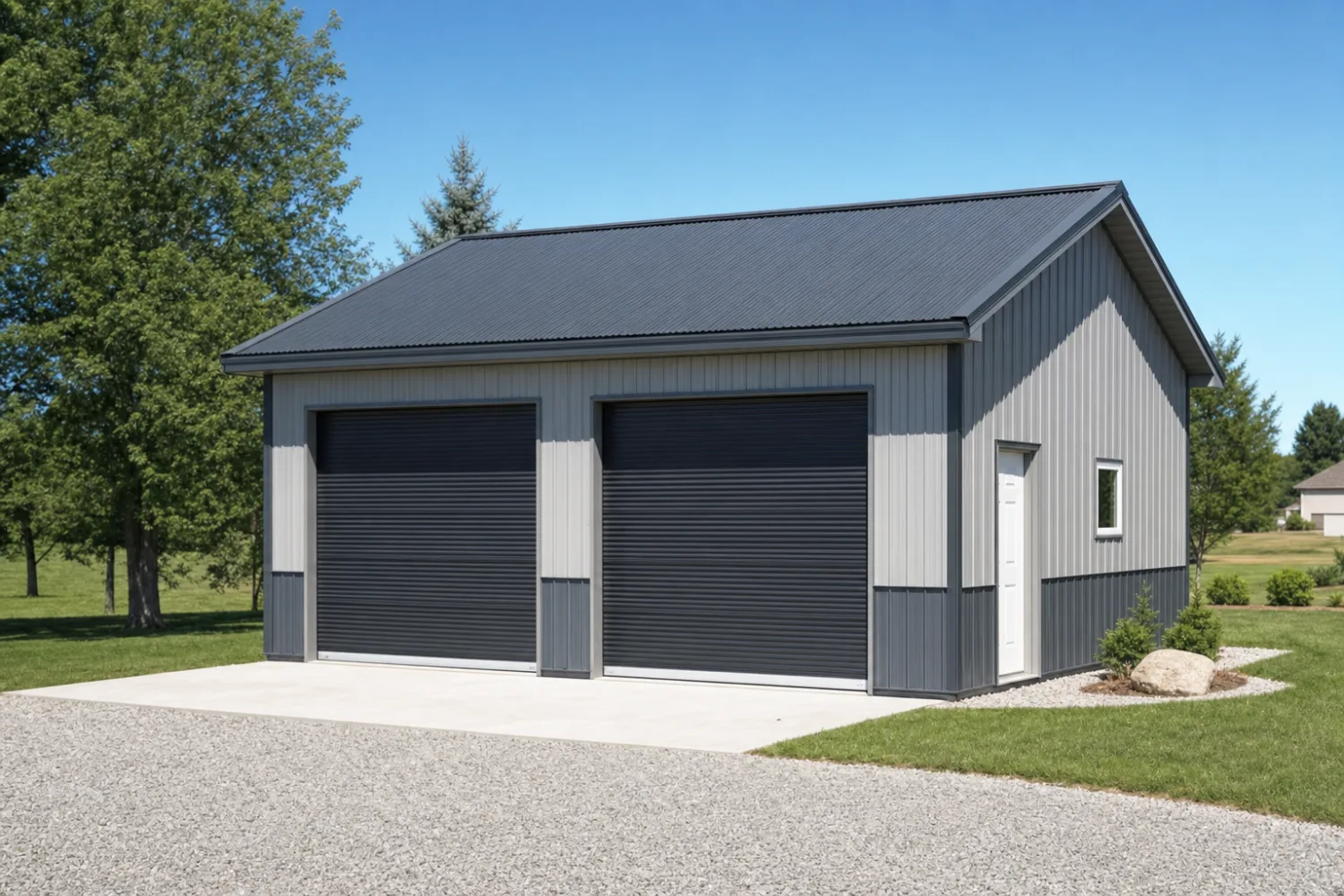
Whatever you build, the building department for your jurisdiction issues the permit. In the Las Vegas metro, the major offices are:
- Clark County Building & Fire Prevention / Development Services (unincorporated Las Vegas, including most of the valley), 4701 W Russell Rd, Las Vegas ‹confirm›.
- City of Las Vegas Building & Safety (parcels inside city limits), Planning & Zoning, Downtown Las Vegas ‹confirm›.
- City of North Las Vegas building and permits division for North Las Vegas addresses ‹confirm›.
In the north, the City of Reno, the City of Sparks, and Washoe County run their own building and permit offices, with Washoe County accessory-structure rules carrying their own local amendments ‹confirm›. Confirm which office holds your parcel before you apply, since a property just outside a city line falls under the county instead.
FAQ
Nevada metal building questions
Do you need a permit for a metal building in Nevada?
In most cases yes. Nevada regulates permits locally, and counties such as Clark and cities such as Las Vegas require a building permit for most enclosed or larger metal structures, often above a small square-foot threshold ‹confirm›. A small detached, non-habitable structure may be exempt from a building permit in some areas yet still must meet zoning and setback rules. Confirm the threshold for your address with your local building department.
Does a metal building in Nevada need engineer-stamped plans?
Generally yes. For a permitted steel building, the structural drawings and calculations usually need the wet stamp of a professional engineer or architect licensed in Nevada ‹confirm›. Good kit suppliers deliver engineered plans drawn to your site’s wind, snow, and seismic loads, which is the package plan reviewers expect.
What building code does Nevada use?
Nevada has no single statewide building code. Counties and cities adopt the International Code Council family, with the IBC for commercial and larger buildings and the IRC for smaller residential accessory structures, often on the 2018 edition or newer with local amendments ‹confirm›. Your jurisdiction’s adopted edition is what governs your project.
How much wind and snow does a Nevada building have to handle?
It depends on your site. Wind across most Nevada basins runs in a moderate range, while snow is low in the southern desert and climbs steeply with elevation near Reno and the Sierra ‹confirm›. Seismic load is the standout in Nevada because the state is highly active. Your engineer pulls the design values for your exact parcel, so verify them with your building department.
Is Nevada a high seismic zone for buildings?
Nevada ranks among the most seismically active states, so seismic design is a real factor for steel buildings statewide. Your engineer assigns a seismic design category for your site and details the frame and anchorage to match ‹confirm›. That is one reason a Nevada build can carry more steel and detailing than a similar building in a calmer region.
Who issues building permits in Las Vegas for a metal building?
It depends on which jurisdiction your parcel sits in. Unincorporated valley addresses go through Clark County Building & Fire Prevention, city addresses go through City of Las Vegas Building & Safety, and North Las Vegas runs its own division ‹confirm›. Check your parcel’s jurisdiction first, because city and county offices apply different submittal checklists.
Are small metal buildings exempt from permits in Nevada?
Sometimes. Some rural counties exempt a small detached, non-habitable structure under a set square-foot limit from a building permit, while metro jurisdictions set a higher threshold or require a permit for most structures ‹confirm›. An exemption from a building permit does not waive zoning, setback, or HOA rules, so confirm all of them locally before you build.
Read next
Keep reading
Compare Nevada with its neighbors and dig into the loads, permits, and costs:
- Metal building kits in California
- Metal building kits in Oregon
- Metal building kits in Utah
- Metal building kits in Arizona
- Metal building permits and codes
- Snow load and wind load explained
- Metal building foundation options
- Metal building insulation
- Metal building kit prices
Sources
Sources
Code, permit, and load statements above are flagged for local confirmation. These references informed the facts cited; verify the specifics with the authority that governs your parcel.
- Clark County Building & Fire Prevention (Development Services): https://www.clarkcountynv.gov/government/departments/building___fire_prevention/index.php
- Clark County Shell Building Permit Guide (BPG181, PDF): clarkcountynv.gov BPG181
- City of Las Vegas Building & Safety: https://www.lasvegasnevada.gov/Business/Planning-Zoning/Building-Safety
- City of North Las Vegas (building & permits): https://www.cityofnorthlasvegas.com/
- Zoning and permits for metal buildings in Reno (TR Link): https://trlink.com/a-guide-to-zoning-and-permits-for-metal-buildings-in-reno/
- Google Search AI Overview and SERP, query “Nevada metal building permit building code” (ICC adoption, Southern Nevada Amendments, permit thresholds): google.com/search