In Delaware, two forces shape a metal building more than anything else: coastal wind and a county-run permit system. The Atlantic coast and Delaware Bay push wind to the front of every design, and there is no single statewide permit counter. New Castle, Kent, and Sussex counties each set their own thresholds, so where you build decides how the paperwork goes.
This guide sits under our metal buildings by state pillar and covers what a Delaware build needs: which code your county enforces, when an engineer has to stamp the drawings, the loads your frame must carry, and the climate that drives insulation. Every hard number below is framed as a typical range you confirm with your local building department, because in Delaware the load and permit rules are set locally, not statewide.
Codes & permits
Delaware codes and permits for a metal building
Delaware runs permitting at the county and municipal level, so your county sets the rules. The state and its towns enforce the International Code Council family (the IBC for commercial work and the IRC for homes); the City of Lewes, for example, adopted the 2021 ICC codes effective January 1, 2024 ‹confirm›. Confirm the exact adopted edition with your jurisdiction, since towns and counties update on their own schedule. For the national picture, read our permits and codes guide.
The size threshold that triggers a permit is where the three counties split, and the difference is large:
- Sussex County has the strictest rule. It requires a permit for every accessory building regardless of size; structures under 400 square feet need a placement permit, and those 400 square feet and larger need a full plan review with engineered drawings ‹confirm›.
- Kent County generally requires a permit for detached accessory structures such as pole buildings and steel garages once they pass a size threshold (often around 301 square feet) ‹confirm›.
- New Castle County, which surrounds Wilmington, requires permits for most construction; an accessory or detached structure typically needs building, electrical, and zoning approvals ‹confirm›.
For a metal building or any non-standard design, most Delaware jurisdictions want the structural plans stamped and sealed by an engineer or architect licensed in Delaware ‹confirm›. A reputable kit supplier provides stamped drawings sized to your site. Zoning sits alongside the building permit: setbacks, lot coverage, height limits, flood plains, and any HOA rules can all apply before the structure goes up.
Verify before you order
Permit thresholds, fees, and the adopted code edition vary by county and town. Call your local building department with your address and intended use before you buy a kit, so the engineered drawings match the rules that govern your parcel.
Loads
Wind, snow, and seismic loads in Delaware
Wind is Delaware’s dominant load driver. The state is small and low-lying, with Atlantic and Delaware Bay coastline, so coastal and near-coastal sites face high design wind speeds and hurricane exposure. Inland sites in northern New Castle County sit lower on the wind scale but still need a frame rated for the local figure. Snow is moderate, and seismic demand is low to moderate. Treat the ranges below as typical and verify the exact design values with your building department; see our snow and wind load guide for how these numbers work.
| Load type | Typical Delaware range ‹confirm› | Who sets it |
|---|---|---|
| Ultimate design wind speed | ~115–130 mph, higher near the coast | County / town building code |
| Ground snow load | ~20–30 psf | County / town building code |
| Seismic | Low to moderate (design category varies) | County / town building code |
Typical ranges only. Coastal Sussex sites run higher on wind than inland New Castle. Confirm the design values for your address.
Do not let a supplier quote a generic load. A Delaware build needs a frame engineered for your county’s wind, snow, and seismic figures, and the stamped drawings should state them plainly. If a quote leaves the load values blank, that is the first thing to fix before you sign.
Climate
Climate and insulation for a Delaware metal building
Delaware sits in a mixed-humid climate, IECC climate zone 4A across the state ‹confirm›. That means two jobs for your shell: control condensation through humid summers, and hold a moderate R-value against cold, damp winters. Humidity is the one that bites a steel building, because warm moist air meeting a cold metal panel produces condensation that drips and rusts if the assembly is wrong.
For a Delaware shop or garage, prioritize a continuous vapor control layer and good ventilation, then add insulation to the R-value your use calls for. Our metal building insulation guide covers the assemblies that keep a humid-climate building dry. The colder, wetter end of the year is where heating cost and comfort are won or lost, so size the insulation to how you use the space.
Prices
What drives metal building prices in Delaware
Delaware’s location helps on freight. It sits in the Mid-Atlantic steel corridor with good highway access, so the haul from mill and fabricator to a Delaware site is usually shorter than for a remote rural state. Local labor rates in the Wilmington and Dover markets, county permit fees, and the higher engineering demand on coastal wind sites are the bigger swing factors on a finished price.
As a dated, illustrative point for 2026, a coastal Sussex County build engineered for higher wind can cost more per square foot than the same shell inland, because the frame and anchorage carry more steel ‹confirm›. For how the national pricing pieces fit together, see our metal building kit prices guide, then confirm a real number with a quote for your county and load values.
Where people build
Popular uses and Delaware building departments
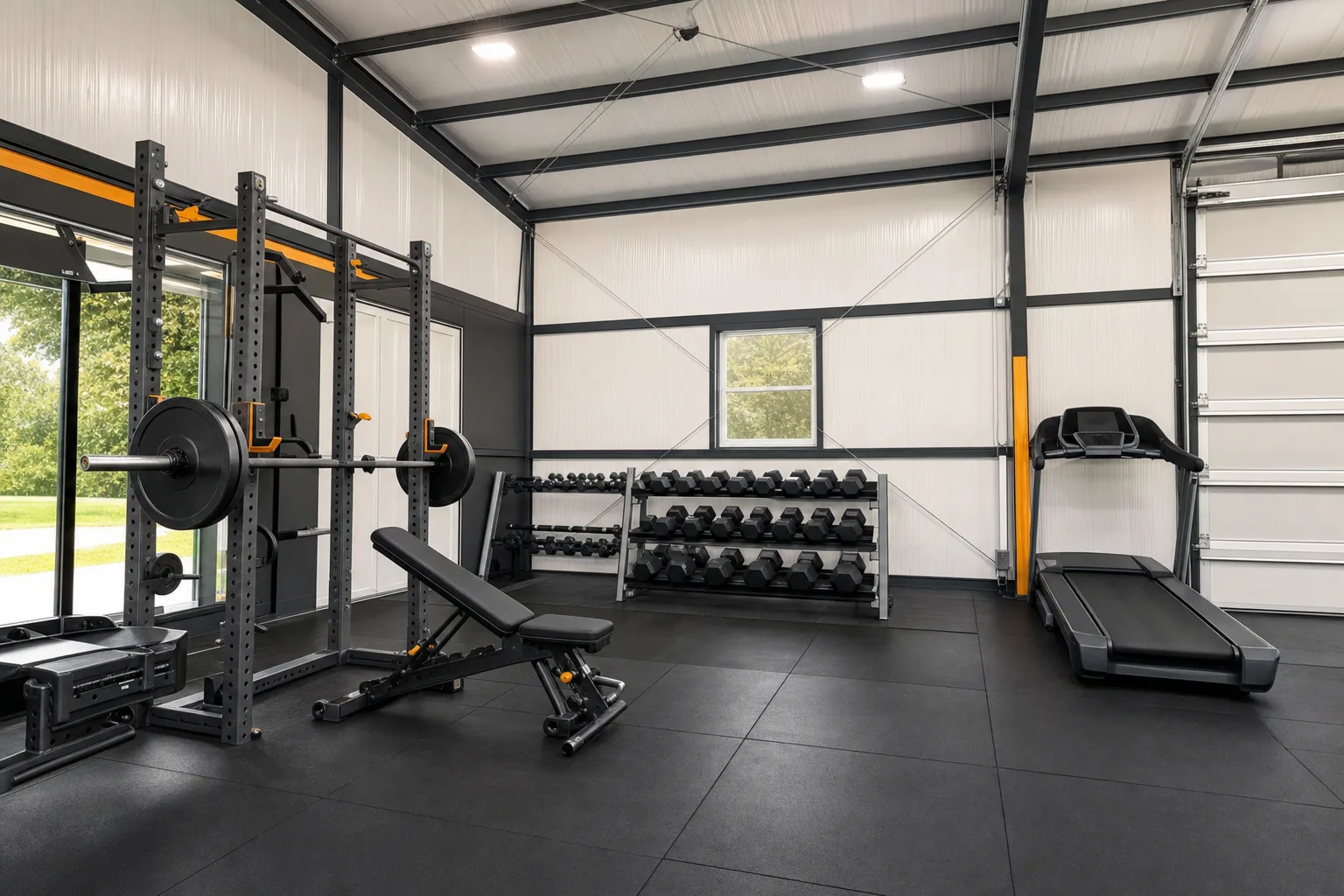
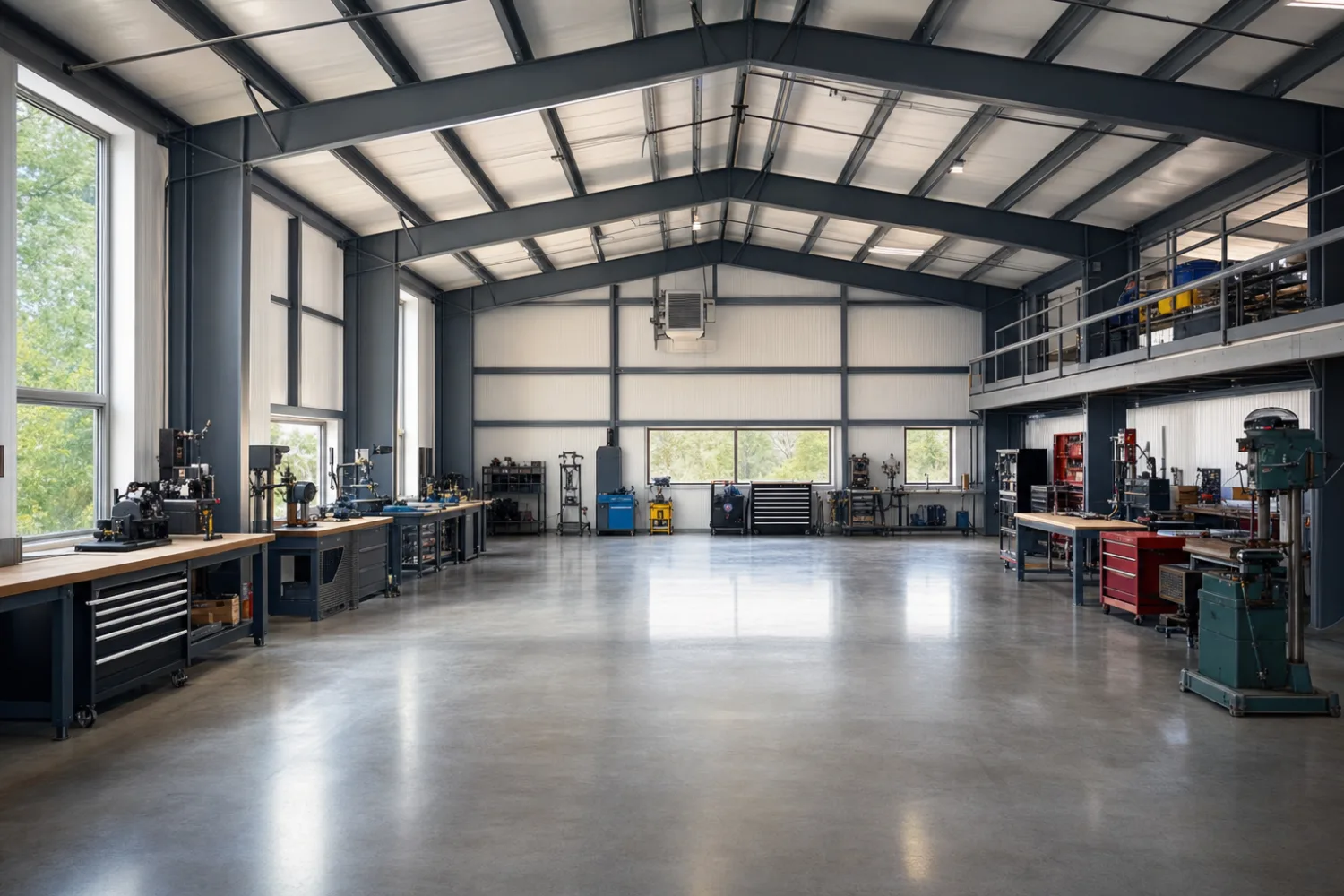
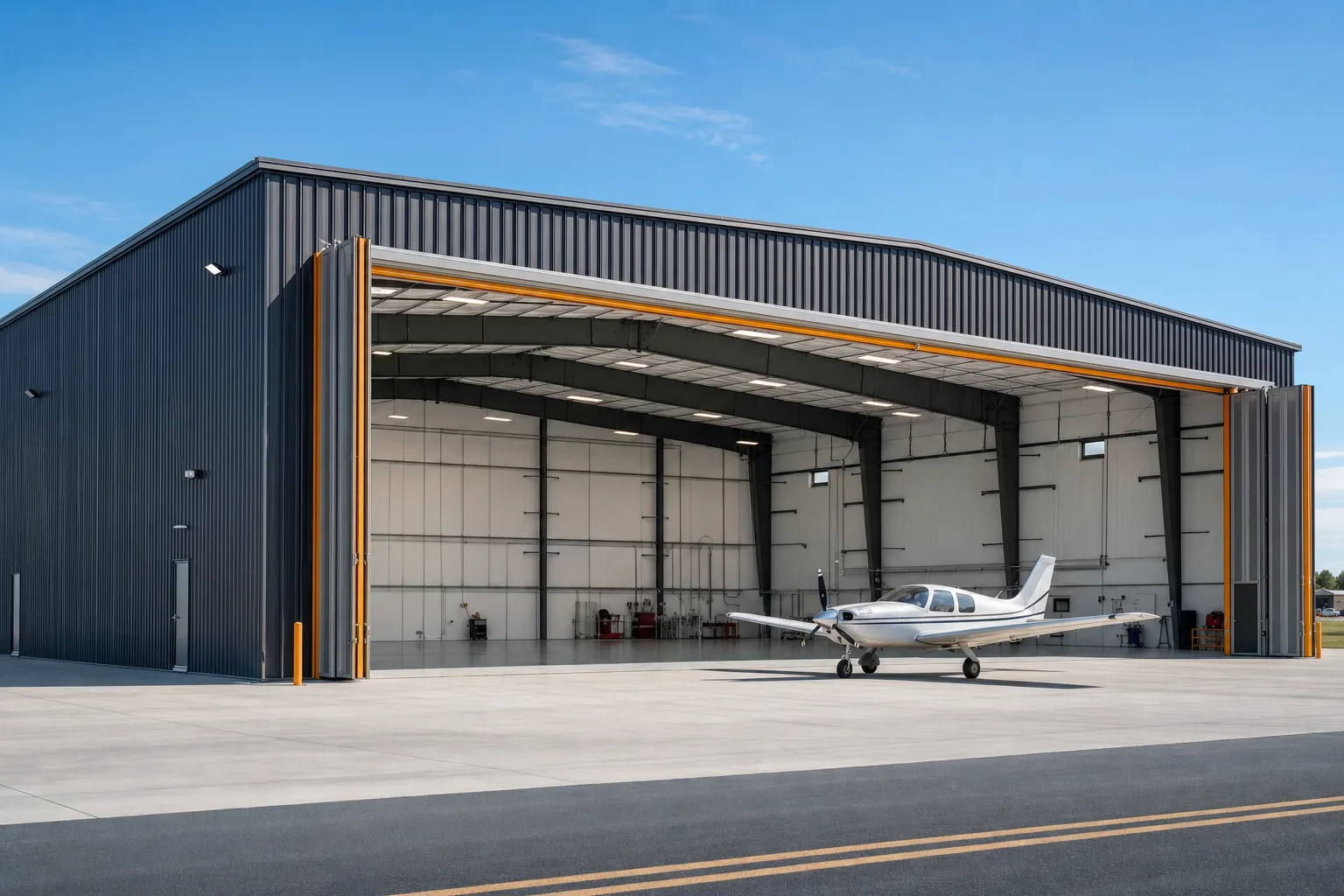
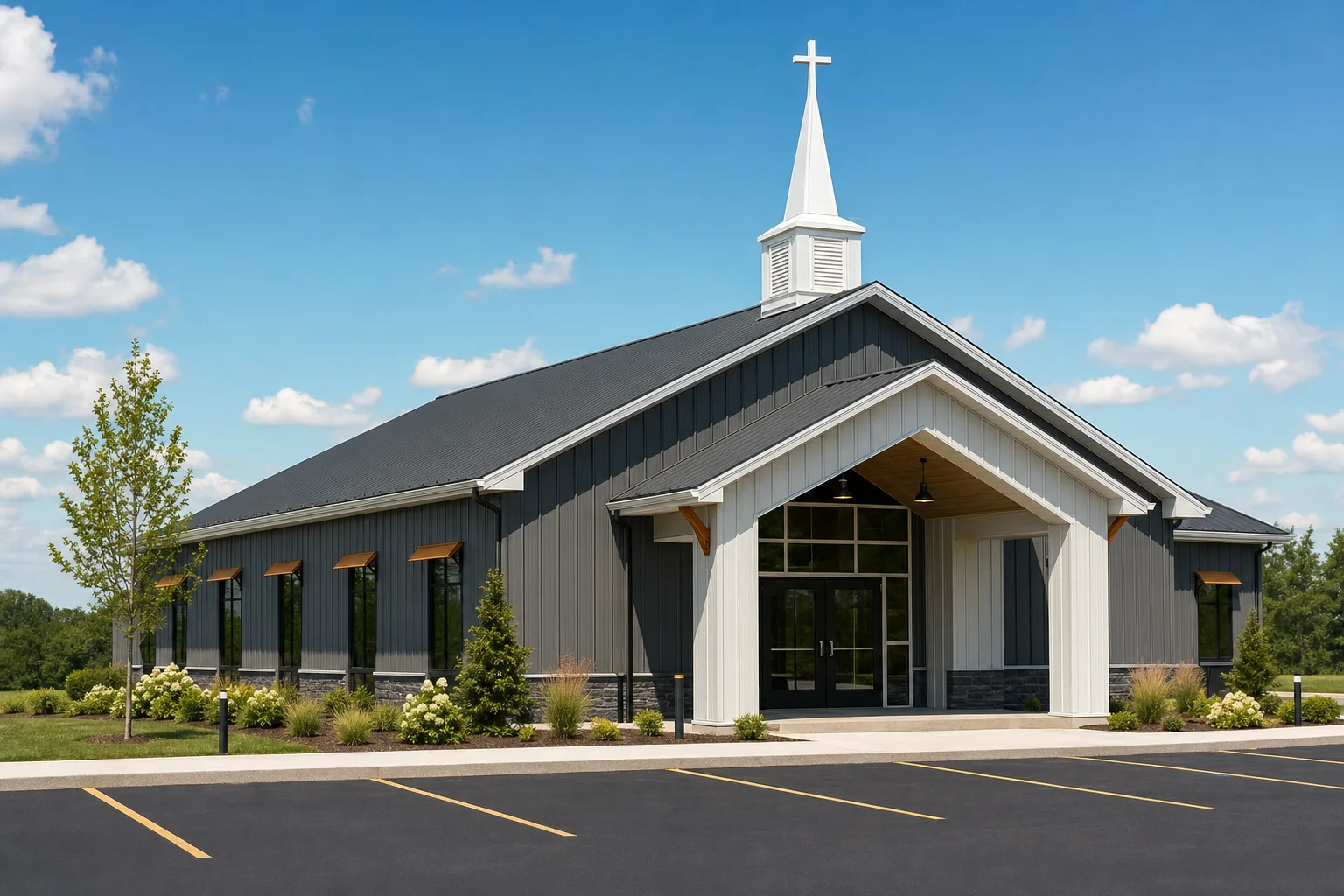
Delaware owners put metal buildings to work as garages and workshops in the New Castle County suburbs, as agricultural and pole-style buildings across Kent County farmland, and as garages, RV and boat storage, and beach-area accessory buildings in Sussex County. A barndominium or a detached shop is a common ask statewide.
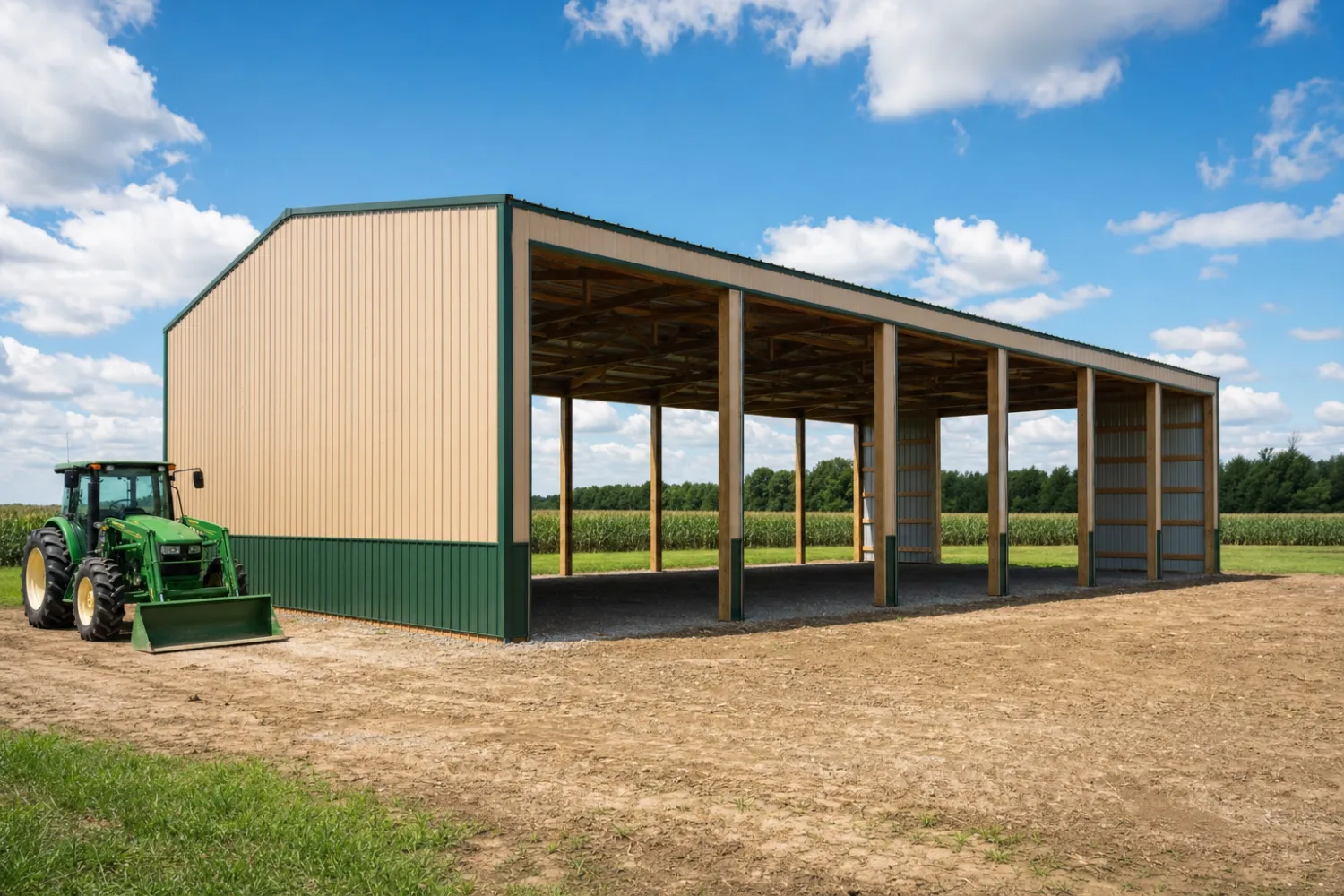
Permits run through your county or town, not a single state office. In the Wilmington metro, building and zoning approvals for unincorporated areas go through New Castle County, and the City of Wilmington reviews work inside city limits ‹confirm›. In Kent County the Levy Court handles permits for Dover-area unincorporated land, and Sussex County’s Building Code office covers the beach towns’ surrounding areas ‹confirm›. Confirm the exact office and contact for your address before you apply, since incorporated towns often run their own permitting separate from the county.
FAQ
Delaware metal building permits: common questions
Do you need a permit for a metal building in Delaware?
In most cases yes. Delaware permits at the county and town level, and the size that triggers a permit varies: Sussex County requires one for every accessory building regardless of size, Kent County once a detached structure passes its threshold, and New Castle County for most construction ‹confirm›. Check with your local building department before you order a kit.
Do I need engineer-stamped drawings for a metal building in Delaware?
For a metal or other non-standard structure, most Delaware jurisdictions want the structural plans stamped and sealed by an engineer or architect licensed in Delaware ‹confirm›. A good kit supplier provides stamped drawings engineered to your site’s wind and snow loads. Confirm the requirement with your county.
Can I build a metal building on my property in Delaware?
Usually yes, if your zoning allows the use and the building meets setbacks, lot coverage, and height limits. Confirm your parcel’s zoning, any flood-plain or HOA rules, and the permit threshold with your county or town first. Buying the kit is the easy part; the approvals decide where and how it goes up.
What size building can I put up without a permit in Delaware?
It depends on the county. Sussex County requires a permit for accessory buildings of any size, so there is no permit-free option there ‹confirm›. Kent and New Castle counties exempt some small structures below a square-foot threshold, but a true metal building usually sits above it ‹confirm›. Verify the current threshold locally rather than assuming a number.
What happens if you build a metal building without a permit in Delaware?
You risk stop-work orders, fines that can run well above the original permit fee, and an order to retrofit or remove the structure if it does not meet code or zoning. Unpermitted work can also surface during a sale, refinance, or insurance claim and complicate all three. Pulling the permit first is far cheaper than fixing it later.
Which Delaware county code applies to my metal building?
The county or town where the building stands. New Castle County covers the Wilmington area, Kent County covers the Dover area, and Sussex County covers the southern and beach region, with incorporated towns often running their own permitting ‹confirm›. The adopted code edition and load values follow that jurisdiction, so confirm which office governs your address.
Read next
Read next
Neighboring states and the core load, code, and build guides:
- Metal building kits in Maryland
- Metal building kits in Pennsylvania
- Metal building kits in New Jersey
- Metal building kits in Virginia
- Metal building permits and codes
- Snow load and wind load explained
- Metal building foundation options
- Metal building insulation
- Metal building kit prices
Sources
Sources
- Delaware building permit requirements, county system & thresholds: permitsguide.com/delaware
- Sussex County Building Code Office (accessory-building permits): sussexcountyde.gov/building-code
- Kent County permitting requirements & adopted codes: kentcountyde.gov
- Delaware Code, Title 9, Chapter 63 (building permits): delcode.delaware.gov/title9/c063
- City of Lewes building permits (2021 ICC code adoption): ci.lewes.de.us
- Delmarva pole-building codes & engineer-stamp note: ilovepolebuildings.com