Two things shape a metal building in Alabama more than anything else: wind and where you pull the permit. The state runs one building code for commercial and state-owned work, yet it hands homes, garages, and farm buildings to your city or county, so your location decides which rules you meet. Snow is a minor concern here. Wind is the real driver, and it climbs sharply as you move toward the Gulf Coast.
This guide sits under our metal buildings by state pillar and covers the decisions specific to Alabama: the code and permit reality, the load that governs your design, the humid climate your insulation has to fight, and what the work costs around Birmingham, Mobile, and Huntsville. Treat every number below as a starting point you confirm with your local building department before you order steel.
Codes & permits
Building codes and permits in Alabama
You almost always need a permit to put up a metal building in Alabama, and your local building department issues it, not the state. The Alabama Division of Construction Management administers the statewide building code, which governs state-owned and many commercial structures and follows the International Building Code family ‹confirm›. For houses, shops, garages, and accessory buildings, Alabama uses no single statewide residential code, so enforcement falls to your county or city ‹confirm›.
That makes the jurisdiction the thing to pin down first. Populated counties such as Jefferson, Mobile, Madison, and Baldwin run their own inspection departments and adopt their own code editions and amendments ‹confirm›. Madison County, for example, updated its adopted codes effective January 2021 ‹confirm›. Two neighboring counties can hold you to different rules, so the answer that matters is the one from the office that will inspect your slab. Our permits and codes guide walks the full process.
Most jurisdictions want structural drawings stamped and sealed by an engineer licensed in Alabama ‹confirm›. Baldwin County goes further and requires all non-residential construction to carry plans signed and sealed by both an Alabama-licensed architect and engineer ‹confirm›. Small accessory buildings, often under 100 to 200 square feet, may be exempt from a permit in some areas ‹confirm›, but that threshold varies and many counties still want a setback and zoning check. Verify with your local building department before you buy.
Loads
Wind, snow, and seismic loads in Alabama
Wind is Alabama’s dominant load, and it governs how your frame is engineered. Mobile and Baldwin counties sit in hurricane territory, so coastal design wind speeds run well above the rest of the state ‹confirm›. Inland and northern Alabama design more for straight-line and tornado wind than for hurricanes ‹confirm›. Ground snow load is light statewide ‹confirm›, and seismic is low to moderate, with the northeast corner near the Eastern Tennessee seismic zone carrying the most concern ‹confirm›.
The ranges below are typical, not guarantees. A jurisdiction sets the exact design values from your site’s exposure, building use, and the code edition it enforces, so the number on your stamped plans is what counts. Our snow and wind load guide explains how each one is calculated.
| Load type | Typical Alabama range ‹confirm› | Who sets it |
|---|---|---|
| Wind (inland) | ~115–120 mph design | Local building dept (IBC) |
| Wind (Gulf Coast) | ~140–150+ mph design | Local dept, coastal exposure |
| Ground snow | ~5–10 psf | Local building dept |
| Seismic | Low to moderate, higher in NE | Local dept (IBC site class) |
Typical ranges only. Confirm the exact design loads with your jurisdiction.
Verify locally
These are illustrative statewide ranges, not adopted values. Alabama sets loads at the county and city level, so a coastal permit office and a north-Alabama one will hand you different numbers. Never order a kit against a load figure you have not confirmed with the department that will inspect it.
Climate
Climate and insulation priorities
Alabama is warm and humid, so condensation control, not a high R-value, is the insulation priority for most of the state. Most of Alabama sits in IECC climate zone 3A, with the far south near the Gulf in zone 2A ‹confirm›. Long, sticky summers mean warm outdoor air meets cool steel and panels, and the moisture it drops is what rots the inside of an under-built metal building.
That shifts the goal from chasing heat retention to managing vapor. A proper vapor barrier behind the insulation, good ridge and eave ventilation, and a finished interior do more for an Alabama shop than a thick cold-climate R-value would. Our insulation guide covers the assemblies that keep a humid building dry, and why ventilation earns its keep here.
Price factors
What drives metal building prices in Alabama
Alabama sits close to the Southeast’s steel supply, so freight tends to be a smaller share of your kit price than it is for a buyer out West ‹confirm›. Birmingham’s industrial base and the state’s mills keep delivery distances modest for much of the state, which helps on the line items that travel by the pound.
Three local factors still move the total. Coastal projects in Mobile and Baldwin counties pay for the heavier wind engineering and anchoring their permits demand ‹confirm›. Labor rates differ between the metros and rural counties. And the jurisdiction’s review and inspection fees vary widely ‹confirm›. For the national picture and how to read a quote, see the metal building kit prices pillar. Any figure here is illustrative for 2026 and worth confirming with a current quote.
Local demand
Popular uses and metro building departments
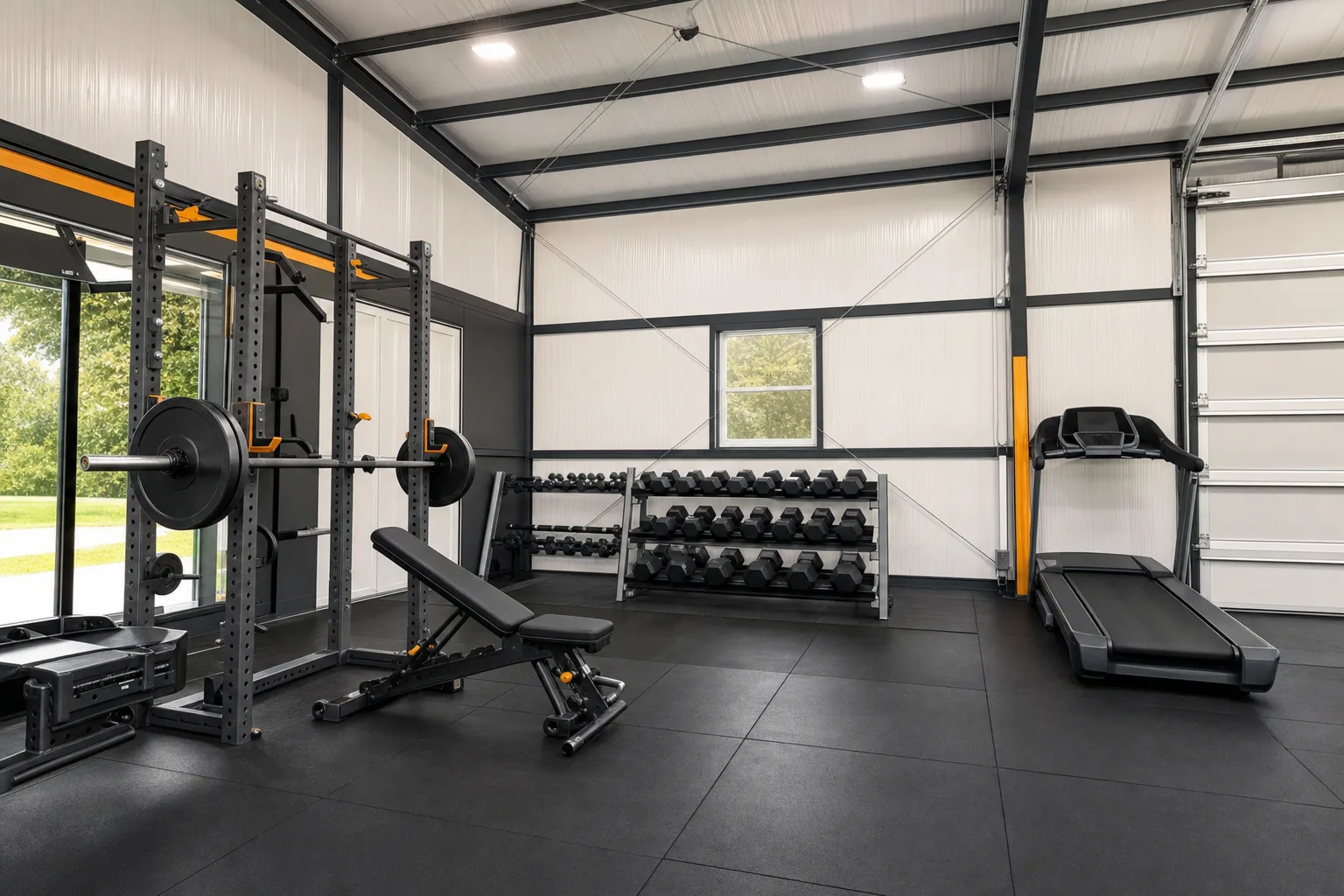
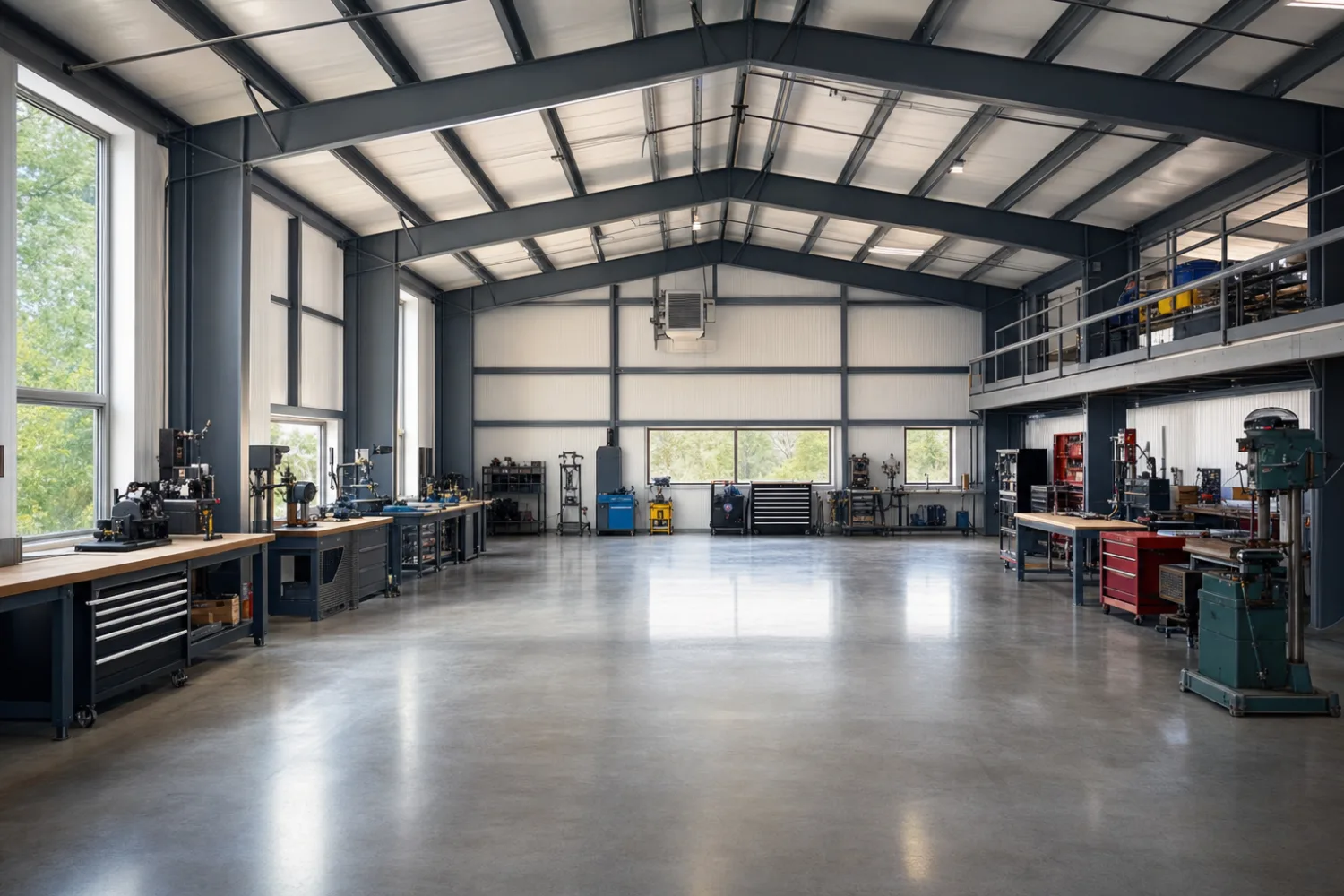
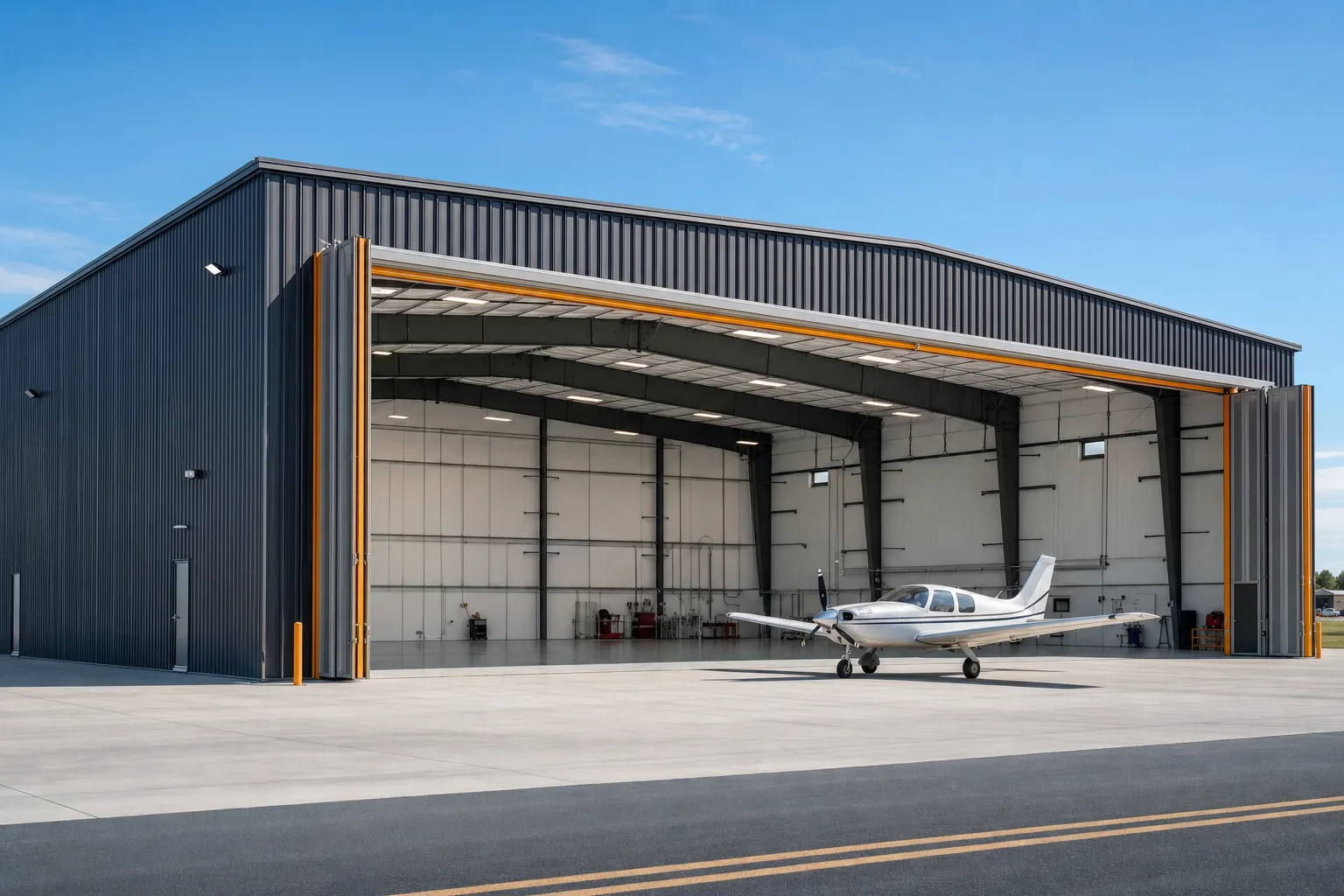
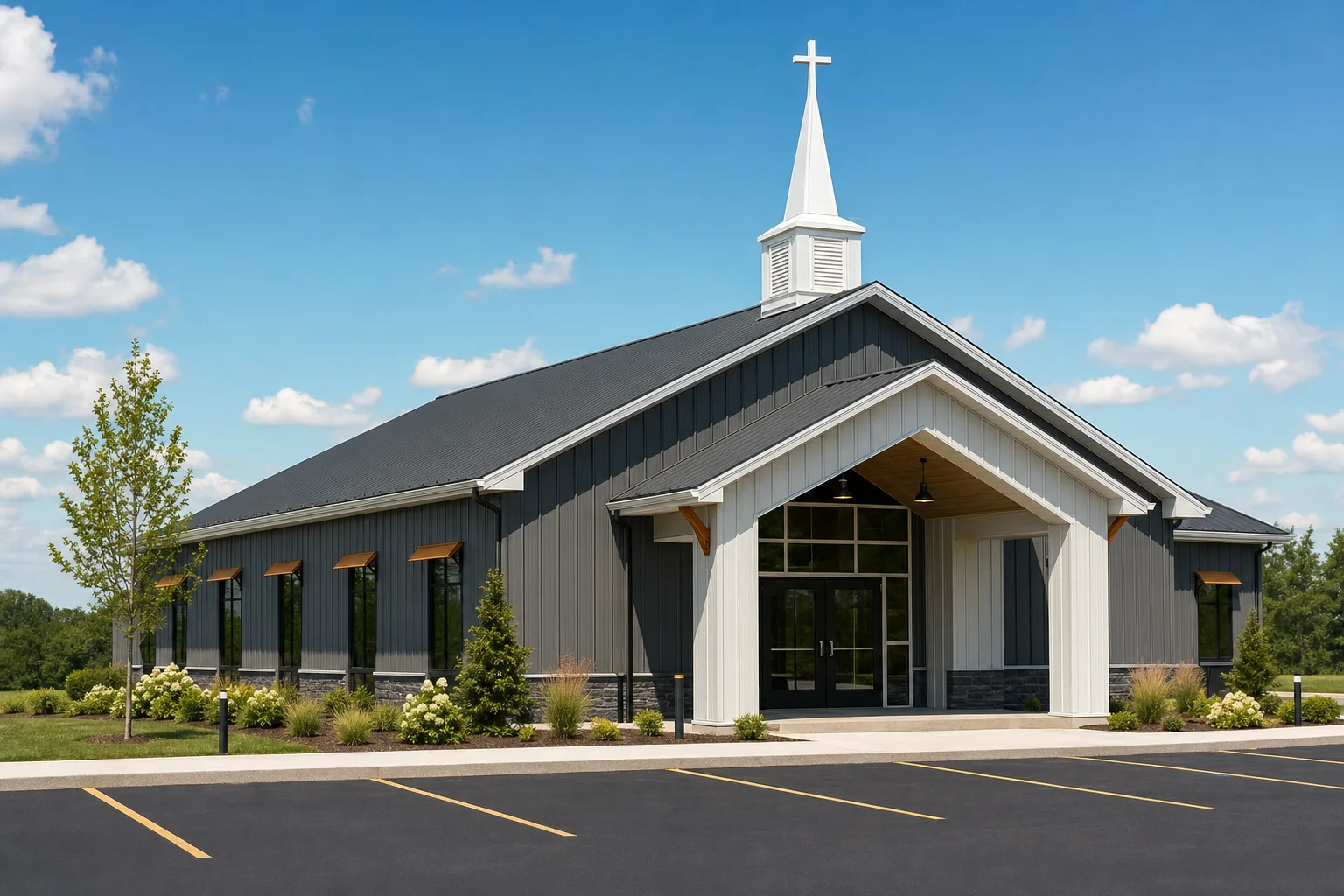
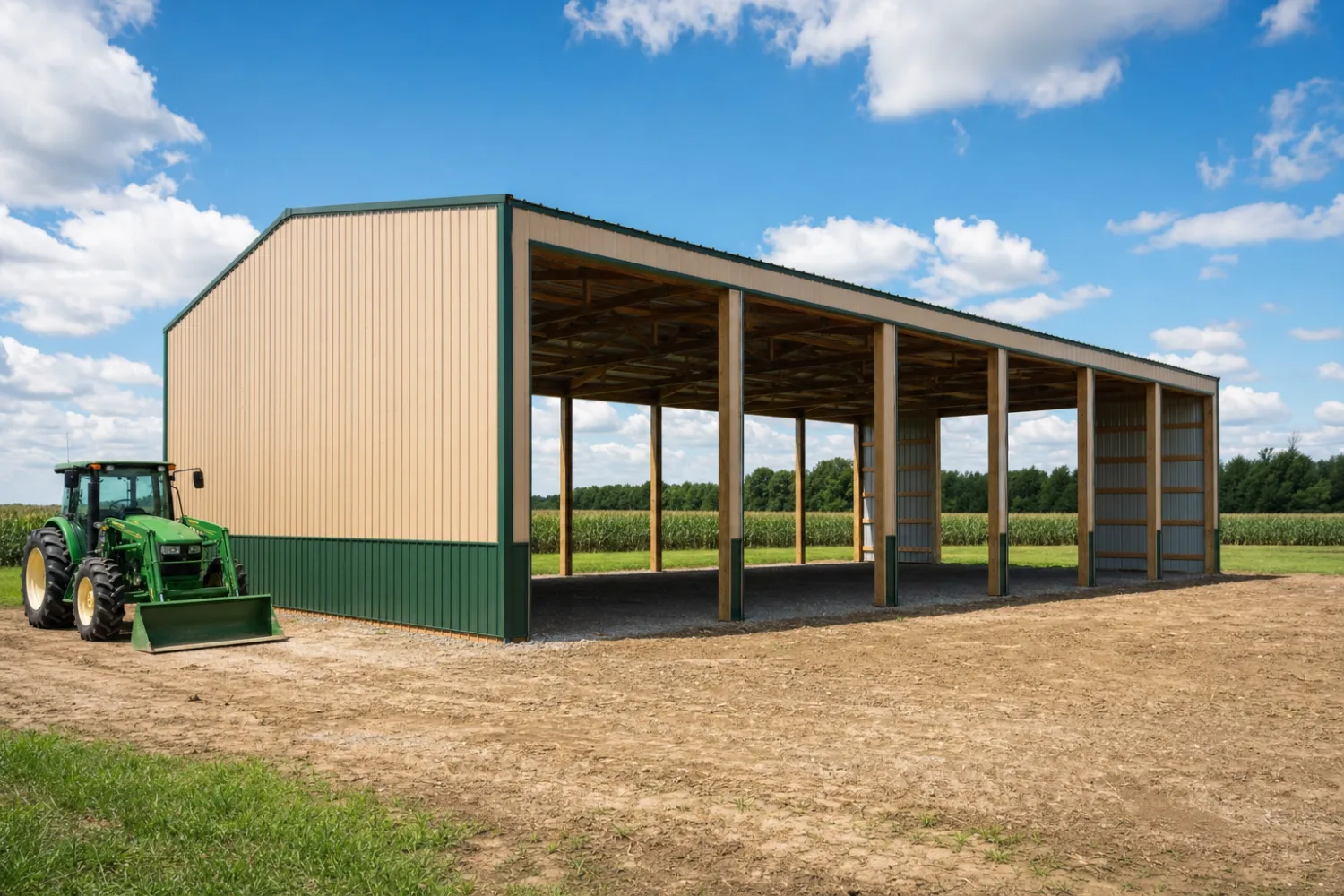
Alabamians build a wide mix of metal structures. Rural counties lean toward pole barns and agricultural buildings, the suburbs around the metros favor garages and workshops, and lake and Gulf areas drive RV and boat storage. Near Birmingham and Huntsville you see more commercial shops and light industrial shells.
Because permits are local, the office you deal with depends on your metro. A few of the major ones:
- Birmingham (Jefferson County). The City of Birmingham handles permits through its Buildings and Inspections office at 710 20th Street North ‹confirm›, while Jefferson County Inspection Services on Richard Arrington Jr Boulevard covers unincorporated areas ‹confirm›.
- Huntsville (Madison County). Madison County’s building and inspection department enforces its own adopted codes for areas outside city limits ‹confirm›.
- Mobile and Baldwin counties. These coastal jurisdictions run stricter wind and sealing requirements than inland Alabama, so budget extra time and engineering on the Gulf Coast ‹confirm›.
Whichever metro you are near, call the department before you design. The permit counter will tell you the exact wind load, the setback, and whether your size needs a stamp, and that answer beats any statewide rule of thumb.
FAQ
Alabama metal building questions
Do you need a permit for a metal building in Alabama?
In most cases, yes. A building permit is required for the majority of metal buildings, and your local city or county building department issues it ‹confirm›. Some small accessory or agricultural structures, often under 100 to 200 square feet, may be exempt in certain areas ‹confirm›, but the threshold varies, so confirm with your jurisdiction before you assume an exemption.
Who issues the permit, the state or the county?
Your county or city does, for homes and most private projects. Alabama’s Division of Construction Management administers a statewide code for state-owned and many commercial structures, but residential and accessory work is enforced locally ‹confirm›. Jefferson, Madison, Mobile, and Baldwin counties each run their own inspection departments ‹confirm›.
Do you need engineer-stamped drawings in Alabama?
Usually. Most jurisdictions require structural plans stamped and sealed by an engineer licensed in Alabama ‹confirm›. Baldwin County requires all non-residential construction to carry plans sealed by both an Alabama-licensed architect and engineer ‹confirm›. A reputable kit supplier provides the engineering for your site’s loads.
Does Alabama have a statewide building code?
For commercial and state-owned construction, yes, administered through the Division of Construction Management and based on the International Building Code family ‹confirm›. For one and two-family homes and accessory buildings, Alabama uses no single statewide residential code, so the adopted edition depends on your county or city ‹confirm›.
What wind load does a metal building in Alabama need?
It depends on where you build. Inland Alabama commonly designs around the 115 to 120 mph range, while the Gulf Coast in Mobile and Baldwin counties runs well higher for hurricane exposure ‹confirm›. These are typical figures, not adopted values. Your building department sets the exact design wind speed for your site.
What climate zone is Alabama for insulation?
Most of Alabama falls in IECC climate zone 3A, with the far south near the Gulf in zone 2A ‹confirm›. The climate is warm and humid, so condensation and vapor control matter more than a high R-value. A vapor barrier and good ventilation are the priorities for most Alabama buildings.
Do agricultural metal buildings follow different rules?
Often, yes. Some Alabama counties treat genuine farm-use structures more leniently than habitable buildings, and small sizes may sit under a permit threshold ‹confirm›. The rules vary by county and by how the building is used, so confirm the agricultural classification with your local building department before you skip a permit.
Read next
Keep reading
Compare nearby states and dig into the load and permit topics that decide your build:
- Metal building kits in Mississippi
- Metal building kits in Georgia
- Metal building kits in Tennessee
- Metal building kits in Florida
- Metal building permits and codes
- Snow load and wind load explained
- Metal building foundation options
- Metal building insulation
- Metal building kit prices (the cost pillar)
Sources
Sources
- Alabama Division of Construction Management, State Building Code: https://dcm.alabama.gov/bldg_code.aspx
- UpCodes, Alabama Building Codes: https://up.codes/codes/alabama
- Baldwin County, Building Codes (architect and engineer sealing): https://baldwincountyal.gov/departments/building-inspection/building-codes
- Madison County, Building Codes (2021 adoption): https://www.madisoncountyal.gov/departments/inspection/building-codes
- City of Birmingham, Planning, Engineering and Permits: https://www.birminghamal.gov/government/city-departments/pep/planning-division