Two things shape a metal building in Tennessee more than anything else: where in the state you build it, and what the ground beneath it can do. West Tennessee sits inside the New Madrid Seismic Zone ‹confirm›, so a steel building near Memphis has to answer earthquake detailing that most of the country skips. The rest of the state leans on moderate wind and a humid climate, which makes condensation control the quiet priority. Loads and permits are set by your county or city, not by the state, so the rule that governs your slab is the one your local building department hands you.
This guide sits under the metal buildings by state pillar, where we cover how codes, loads, and prices shift from one state to the next. Below you will find what Tennessee asks of a steel building, from the seismic story in the west to the snow story in the east, and the named building departments in the metros where most kits go up. Treat every figure here as a starting point to confirm, not a final answer.
Codes & permits
Tennessee codes and who issues your permit
Tennessee runs on the model I-Codes, with the permits and codes you deal with set at the local level. The state adopts a version of the International Building Code for commercial work and the International Residential Code for homes ‹confirm›, and the Tennessee State Fire Marshal’s Office maintains the statewide editions and amendments ‹confirm›. The edition your project follows can lag or lead the state baseline depending on when your jurisdiction last updated, so confirm the exact year with the office that will stamp your permit.
Tennessee has a wrinkle most states do not: counties may opt out of the statewide residential building code ‹confirm›, and many rural counties have done so. That means residential enforcement ranges from a full plan review in the cities to little or no inspection in some unincorporated areas. Commercial and assembly buildings face tighter review almost everywhere. For a metal building, expect a city or county building department to issue the permit and to want a foundation plan and an engineered drawing set.
Stamped drawings
Most Tennessee jurisdictions want engineer-sealed drawings for a steel building, and the seal must come from an engineer licensed in Tennessee ‹confirm›. Commercial projects and anything in the higher seismic zones near Memphis are the least likely to get waved through without a stamp. Verify the stamp requirement with your local building department before you order steel, because the kit drawings have to match what your reviewer expects to see.
Loads
Wind, snow, and the seismic story in West Tennessee
Seismic is the load that sets Tennessee apart. The New Madrid Seismic Zone runs under the state’s northwest corner, and Shelby County around Memphis carries some of the highest design ground motion east of the Rockies ‹confirm›. A building there can land in a high Seismic Design Category, which drives bracing, anchor bolts, and connection detail in a way a Nashville or Knoxville project never sees. Move east and the concern shifts to snow: the Cumberland Plateau and the Smoky Mountains carry heavier ground snow than the warm valleys below ‹confirm›. Wind sits in a moderate band statewide. The snow and wind load guide explains how these numbers translate into steel.
| Load type | Typical Tennessee range ‹confirm› | Who sets it |
|---|---|---|
| Wind speed | Around 115 mph design (ASCE 7, Risk Category II) | Local building department, per ASCE 7 |
| Ground snow | About 10 psf in West and Middle TN, rising to 20–30+ psf in the eastern mountains | Local jurisdiction |
| Seismic | High in West TN (New Madrid zone); moderate to low moving east | Local jurisdiction, per ASCE 7 site data |
Typical ranges only. Your county sets the design values, so verify each one locally before you finalize a kit.
Do not let a salesperson quote you a single statewide load. A kit engineered for a flat Memphis site and a kit engineered for a snowy ridge near Gatlinburg are different buildings, and the difference is paid for in steel. Hand your supplier your exact address and let the engineered design follow your real site data.
Climate
Climate zone and what insulation has to fight
Most of Tennessee falls in IECC climate zone 4A, a mixed-humid zone, with higher elevations in the east edging into zone 5 ‹confirm›. That mix means your building fights two seasons. Summer humidity is the one that bites a steel shell: warm, wet air meeting cool metal makes condensation, and condensation is what rusts frames and ruins stored goods. So in Tennessee the first job of metal building insulation is a vapor barrier and air sealing, not raw R-value.
Cold still matters if you heat the space through a Tennessee winter, and the eastern mountains run colder than the western lowlands. A workshop you keep at room temperature wants more wall and roof insulation than an unconditioned garage. Match the insulation package to how you will use the building, and keep the building ventilated so the humid months do not trap moisture against the steel.
Pricing
What drives metal building prices in Tennessee
Steel is a national commodity, so the base price of a Tennessee kit tracks the market, but a few regional factors move your final number. Tennessee sits within reach of mills and fabricators across the Southeast, which keeps freight reasonable for much of the state ‹confirm›. Delivery to a remote Cumberland Plateau site costs more than delivery to a Nashville or Chattanooga lot near the interstate. Local labor rates and the depth of your foundation also swing the total. For the full breakdown, see the metal building kit prices pillar.
Two Tennessee-specific costs deserve a line on your budget. Seismic detailing in the Memphis area can add steel and connection hardware a Middle Tennessee build would not need ‹confirm›. And your slab is not free: the foundation options guide walks the engineered pad a stamped kit usually requires. Treat any single figure as a dated, 2026 illustration and confirm a real quote against your site.
Where & what
What Tennessee builds, and the metro building departments
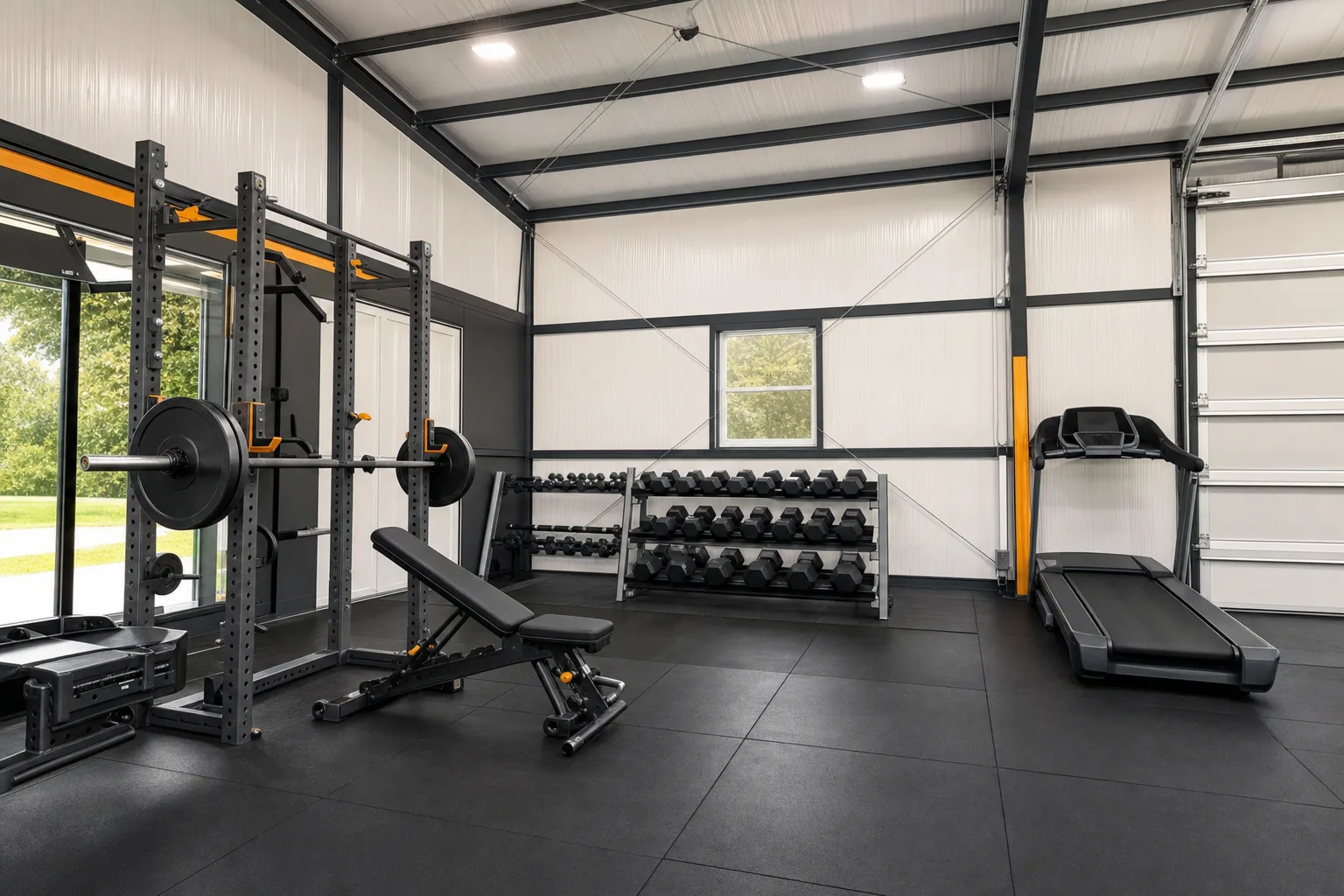
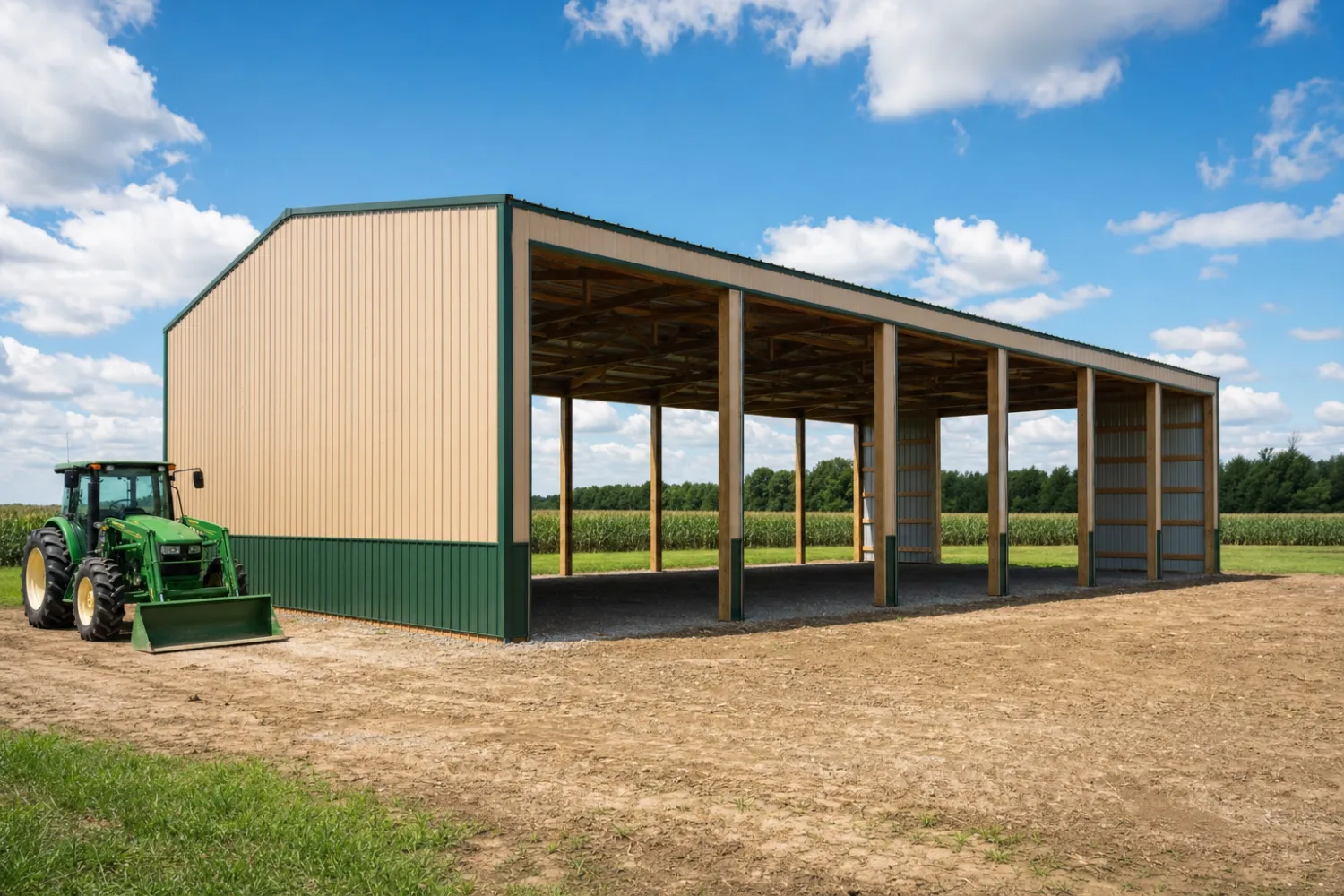
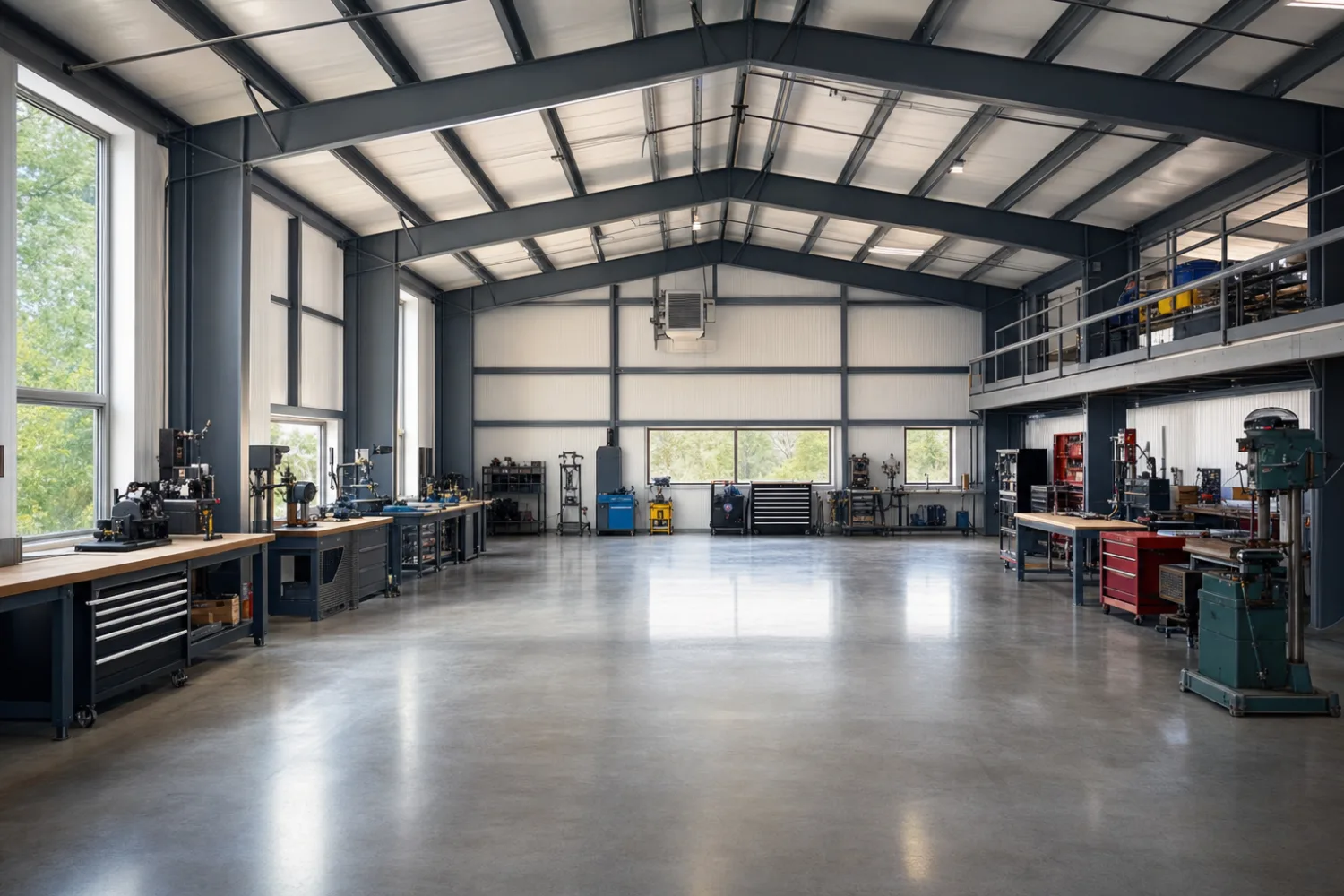
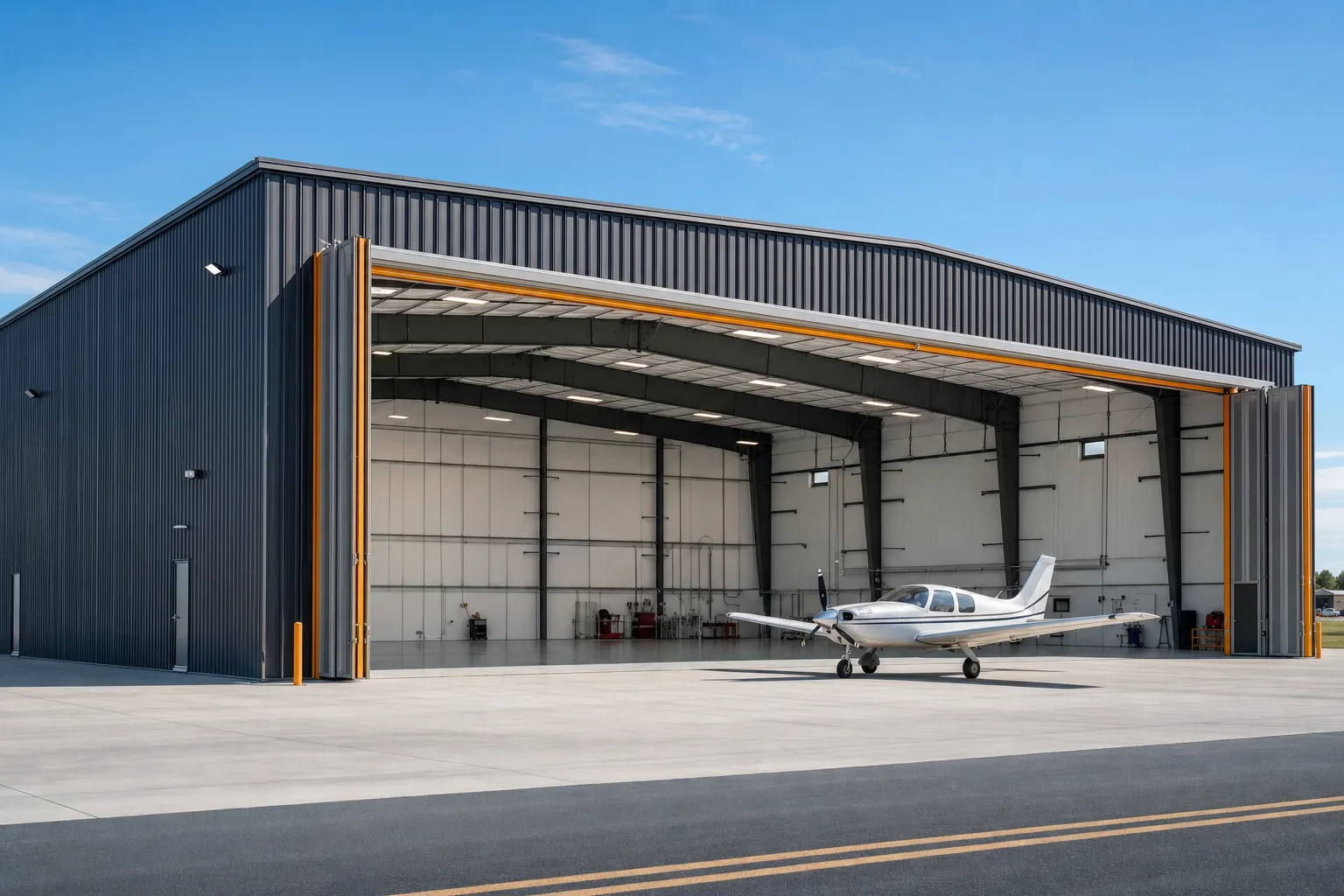
Tennessee buyers lean toward barndominiums and rural homes, farm and equipment buildings across the Middle Tennessee pastureland, backyard workshops, and garages that double as hobby space. Commercial steel goes up fast along the freight corridors around Memphis and Nashville. Wherever you build, the permit comes from a named local office, and the four big metros each run their own:
- Nashville. The Metropolitan Government of Nashville and Davidson County runs the Department of Codes and Building Safety, known as Metro Codes ‹confirm›.
- Memphis. Construction in the city and county is handled through the City of Memphis and Shelby County construction code enforcement office ‹confirm›, where the New Madrid seismic rules carry real weight.
- Knoxville. The City of Knoxville handles plans review and inspections inside the city, and Knox County Codes Administration covers the unincorporated areas ‹confirm›.
- Chattanooga. The City of Chattanooga Land Development Office reviews building permits inside the city limits ‹confirm›.
Confirm the office, the current code edition, and the stamp requirement before you buy. Outside these metros, call the county directly, because a neighboring county may enforce a different code or none at all.
FAQ
Tennessee metal building questions
Do you need a permit for a metal building in Tennessee?
In most incorporated cities and many counties, yes. A permanent metal building usually needs a building permit, a foundation plan, and engineered drawings from your local building department. Some rural Tennessee counties enforce little or no residential code, so requirements vary widely. Confirm with your county or city before you order. ‹confirm›
What building code does Tennessee use for metal buildings?
Tennessee adopts versions of the International Building Code for commercial work and the International Residential Code for homes, maintained statewide through the State Fire Marshal’s Office ‹confirm›. The exact edition and any local amendments depend on your jurisdiction, so verify the current year with the department issuing your permit.
Are some Tennessee counties exempt from building codes?
Yes. Tennessee lets counties opt out of the statewide residential building code, and a number of rural counties have done so ‹confirm›. In those areas residential inspection may be limited or absent, though commercial buildings still face review. Never assume your county enforces a code; call and ask.
Does Tennessee require engineer-stamped drawings for a steel building?
Most jurisdictions want drawings sealed by an engineer licensed in Tennessee, especially for commercial buildings and for anything in the higher seismic zones near Memphis ‹confirm›. Your supplier can provide stamped kit drawings, but they must match your site and your local code edition. Confirm the requirement before ordering.
Does West Tennessee have earthquake requirements?
Yes. The New Madrid Seismic Zone runs under northwest Tennessee, and the Memphis area carries some of the highest design ground motion in the eastern United States ‹confirm›. A building there can land in a high Seismic Design Category, which drives extra bracing and connection detail. Your engineered drawings have to reflect the site seismic data.
What snow load does a metal building in East Tennessee need?
Ground snow is light across West and Middle Tennessee but climbs on the Cumberland Plateau and in the Smoky Mountains, where elevation can push design snow to 20–30 psf or more ‹confirm›. A kit engineered for the warm valleys may be under-built for a mountain ridge. Give your supplier the exact elevation and address.
What wind speed are Tennessee buildings designed for?
Tennessee sits in a moderate wind band, with design wind speeds commonly around 115 mph under ASCE 7 for ordinary buildings ‹confirm›. Your local building department sets the design value for your site, and exposure and building use can change it. Verify the number with the office issuing your permit.
Read next
Keep reading
Compare Tennessee with its neighbors, and dig into the codes, loads, foundation, and pricing topics behind this guide:
- Metal building kits in Kentucky
- Metal building kits in Virginia
- Metal building kits in Georgia
- Metal building kits in Mississippi
- Metal building permits & codes
- Snow load & wind load explained
- Metal building foundation options
- Metal building insulation
- Metal building kit prices (the pricing pillar)
Sources
Sources and where to verify
Loads, code editions, and permit rules are set locally and change over time. Verify every flagged figure against these authoritative references and, above all, against your local building department:
- Tennessee adopted codes (overview): https://up.codes/codes/tennessee
- Tennessee State Fire Marshal’s Office, Codes Enforcement: https://www.tn.gov/commerce/sfmo/codes-enforcement.html
- Metro Nashville Department of Codes and Building Safety: https://www.nashville.gov/departments/codes-and-building-safety
- ASCE 7 Hazard Tool (wind, snow, seismic design values): https://ascehazardtool.org
- USGS New Madrid Seismic Zone overview: https://www.usgs.gov/programs/earthquake-hazards/science/new-madrid-seismic-zone