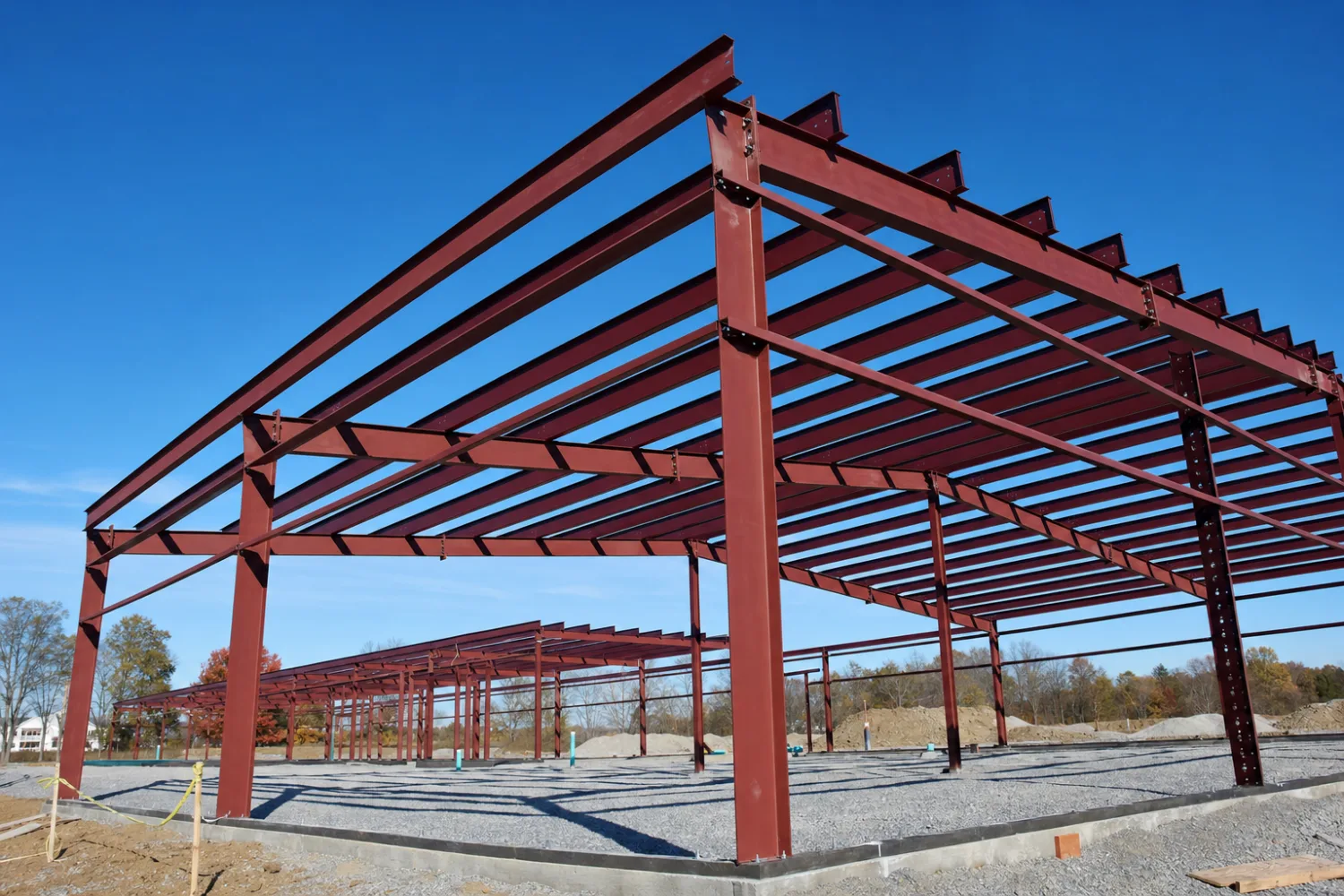
In Florida, two things decide your metal building before anything else: hurricane wind and the permit. The state enforces one of the toughest wind standards in the country, so your kit has to be engineered to resist ultimate design wind speeds that run from roughly 130 mph inland to 180+ mph ‹confirm› along the coast and in the High-Velocity Hurricane Zone. Snow is a non-issue here; uplift and lateral wind load are what your frame, anchors, and panels are fighting.
This guide is part of our metal buildings by state series, an independent reference for people pricing and permitting steel buildings. Below you get the Florida code reality, the load picture, climate and insulation priorities, what drives price in this state, and the major metro building departments. Every hard number is flagged so you confirm it locally before you order steel.
Codes & permits
Florida building code and permits for steel buildings
Florida runs a single statewide code, the Florida Building Code (FBC), and your county or city enforces it locally. Chapter 22 governs structural steel, and Florida updates the code on a three-year cycle, so confirm the current adopted edition with your jurisdiction ‹confirm›. Unlike many states, Florida does not leave the base code to each county; the FBC is uniform, but local amendments, fees, and wind maps still differ by jurisdiction.
For a permanent metal building, plan on three documents almost everywhere: signed and sealed engineering drawings from a Florida-licensed engineer, a Florida Product Approval number (or a Miami-Dade Notice of Acceptance in Miami-Dade and Broward) for components like doors, panels, and openings, and an engineered foundation plan stamped for uplift ‹confirm›. Most jurisdictions require a permit for any structure over 200 square feet ‹confirm›. Our permits and codes guide walks the full document list that applies in any state.
Some structures sit outside the code. Florida Statutes section 553.73 exempts certain nonresidential farm buildings on farms and temporary construction sheds, among others ‹confirm›, but the exemption is narrow and easy to misread. A pole barn used for a business, or any building you plan to live or work in, almost always needs a full permit. Verify with your local building department before you assume an exemption applies to you.
The Florida Product Approval catch
This is the line that surprises out-of-state buyers. A kit can be structurally sound and still fail plan review if its doors, windows, and roof panels lack a Florida Product Approval or Miami-Dade NOA ‹confirm›. Ask your supplier for the approval numbers in writing before you order, not after the building lands on your slab.
Loads
Wind, snow, and seismic loads in Florida
Wind is the whole game in Florida. The state writes its code around hurricanes, so the design driver is not how much weight sits on the roof but how hard the wind tries to lift it off and push it sideways. Ground snow load is effectively zero statewide, and seismic demand is low across most of the peninsula ‹confirm›, which means your engineering budget goes almost entirely to wind.
Design wind speed climbs as you move toward the coast. Inland counties may design near 130 mph ultimate, while coastal and High-Velocity Hurricane Zone areas (Miami-Dade and Broward) push past 180 mph ‹confirm›. Exposure category, building height, and openings all change the final number, so treat the table below as a starting range, not a spec. Our snow and wind load guide explains how these values translate into frame size and anchor design.
| Load type | Typical Florida range | Who sets it |
|---|---|---|
| Ultimate design wind speed | ~130 to 180+ mph ‹confirm› | FBC wind maps, local jurisdiction |
| Ground snow load | ~0 psf ‹confirm› | Not a design factor in Florida |
| Seismic design category | Low (A to B typical) ‹confirm› | FBC, site soil class |
| Foundation uplift | Engineered per wind zone ‹confirm› | Florida-licensed engineer |
Florida load ranges are illustrative. Your county building department sets the binding values for your parcel.
The honest stance: nobody can hand you one statewide wind number. A building stamped for Jacksonville will not pass in Key West. Get your design wind speed and exposure category from the jurisdiction where the building goes, and have the kit engineered to that figure.
Climate & insulation
Climate and insulation priorities in Florida
Florida sits in the hot, humid end of the climate map, roughly IECC climate zones 1 and 2 ‹confirm›. That changes your insulation goal. In a cold state you chase high R-value to hold heat in; in Florida the bigger enemy is condensation, where warm, wet outside air meets cool steel and drips inside. Controlling moisture and air sealing often matters more than raw R-value here.
For a Florida metal building, a vapor barrier and a continuous insulation layer under the roof do the heavy lifting against sweating panels and summer heat gain. Reflective or radiant barriers help with the sun load, and proper ventilation keeps humidity from collecting in the frame. Our metal building insulation guide covers the assemblies that suit a hot-humid climate, and why a cold-climate spec is the wrong starting point down here.
Price factors
What drives metal building price in Florida
Florida buildings tend to cost more than the national average for one reason: wind engineering. The same footprint that ships as a light kit in a low-wind state needs heavier framing, tighter anchor spacing, and approved components in Florida, and that steel and engineering show up in the price ‹confirm›.
- Wind engineering. Higher design wind speeds mean more steel and stouter connections, especially in coastal and HVHZ counties ‹confirm›.
- Product Approval components. Doors, windows, and panels that carry Florida or Miami-Dade approvals can cost more than generic parts ‹confirm›.
- Foundation. An engineered, uplift-rated slab and anchors add to the concrete budget ‹confirm›.
- Freight and labor. Distance from the nearest steel mill and local crew rates move the final number, and remote or coastal sites can add logistics cost ‹confirm›.
Treat any figure you see online as a 2026 illustrative starting point, not a quote. For how the line items stack up and where regional cost lands, see our metal building kit prices pillar.
Uses & metros
Popular uses and major metro building departments
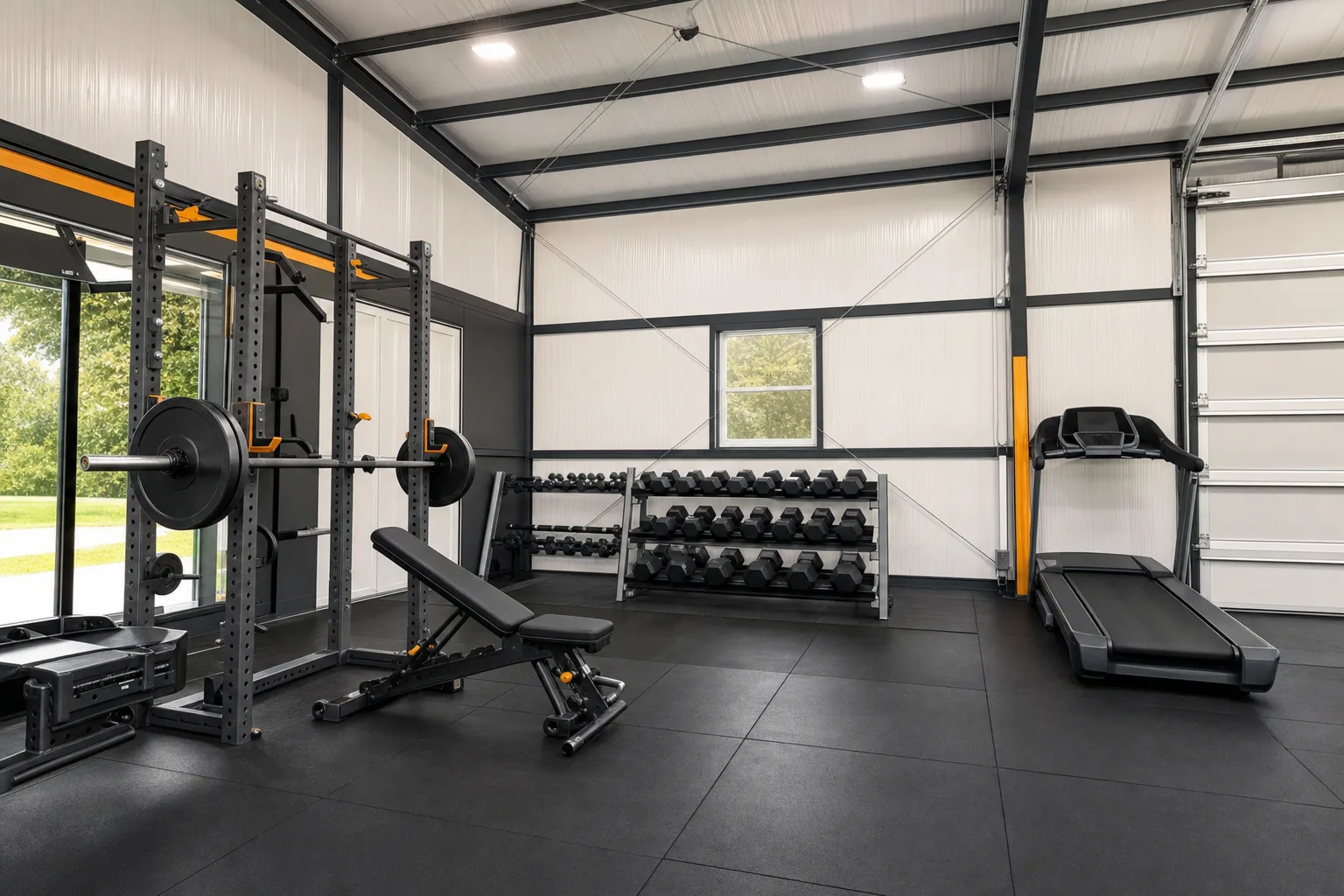
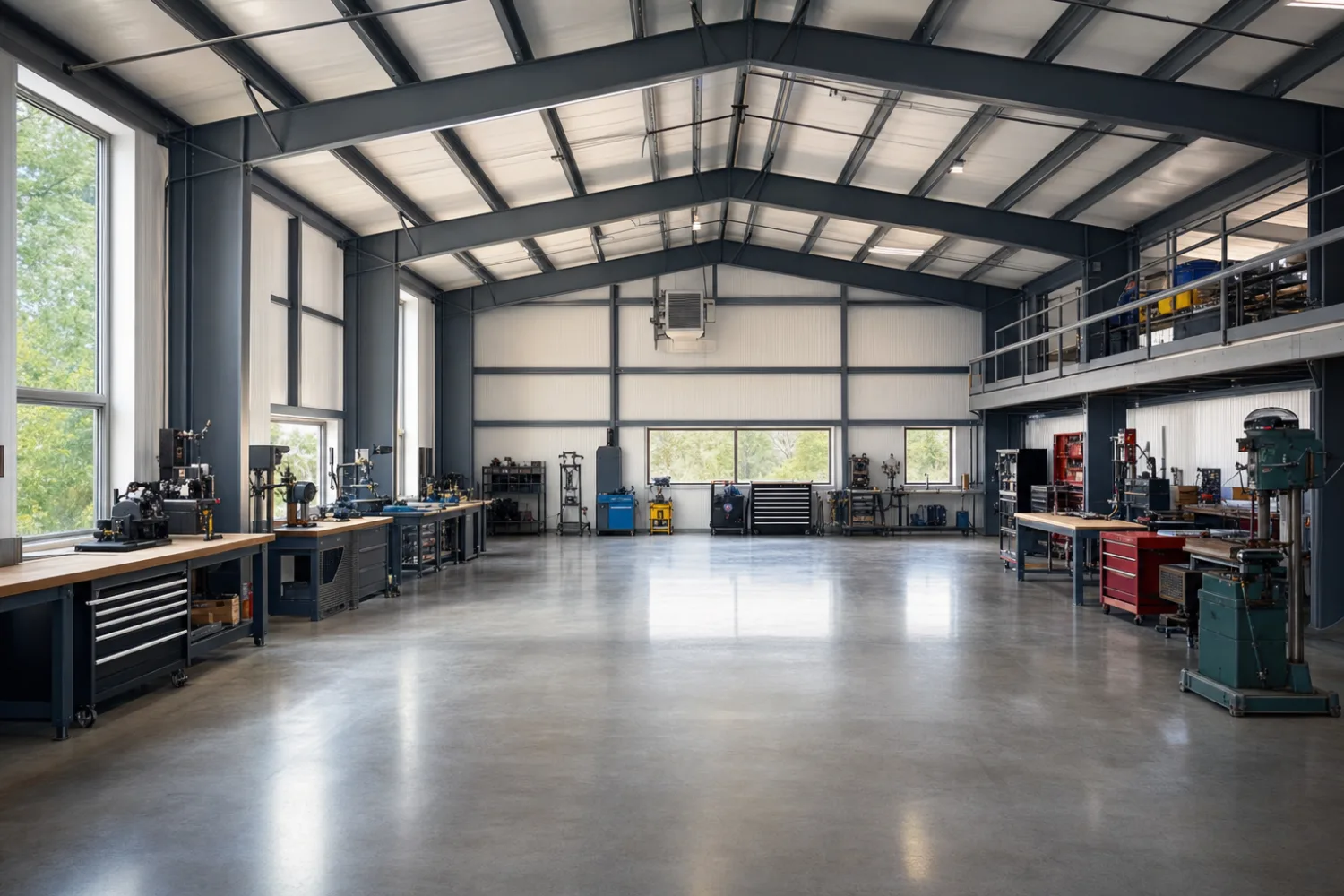
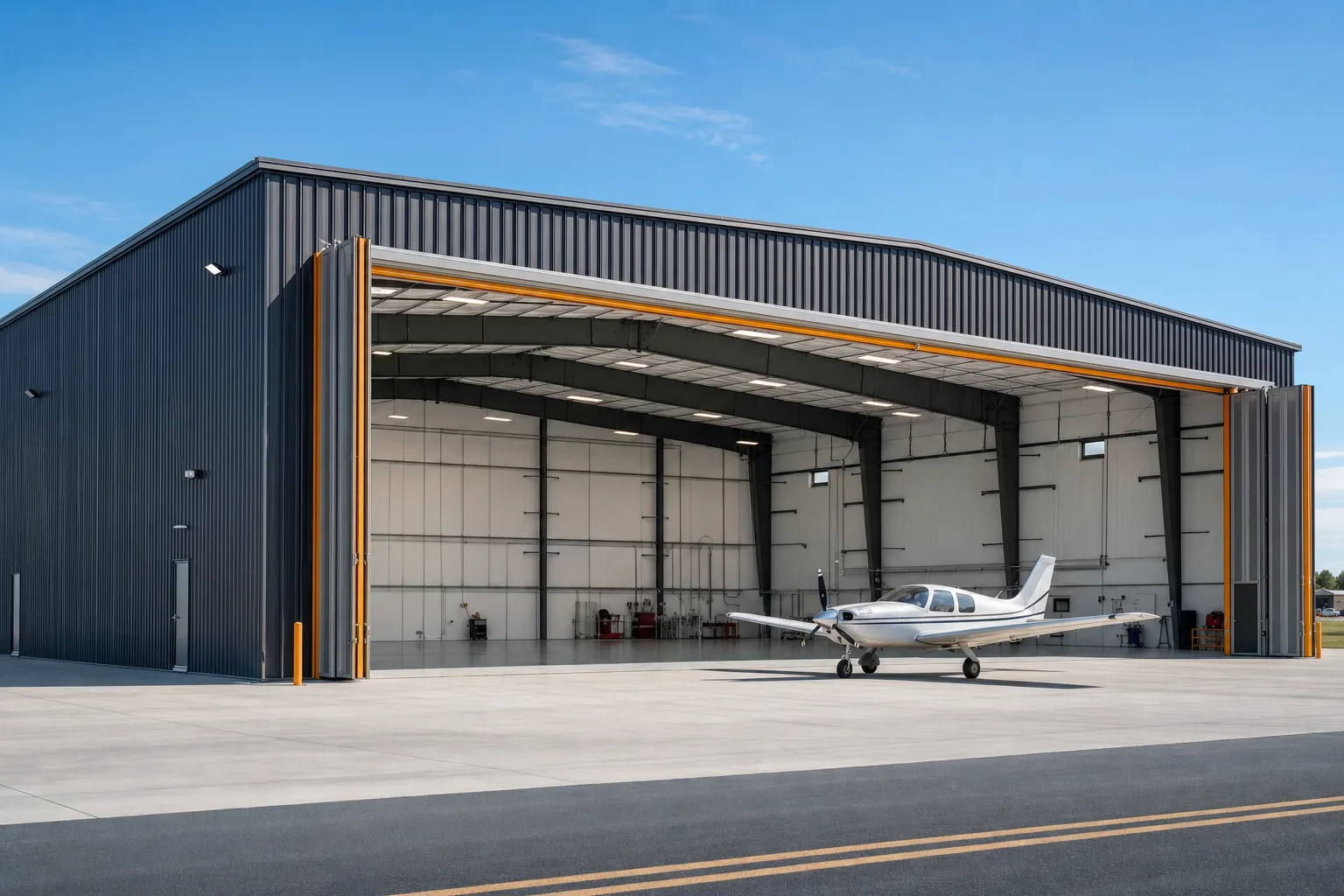
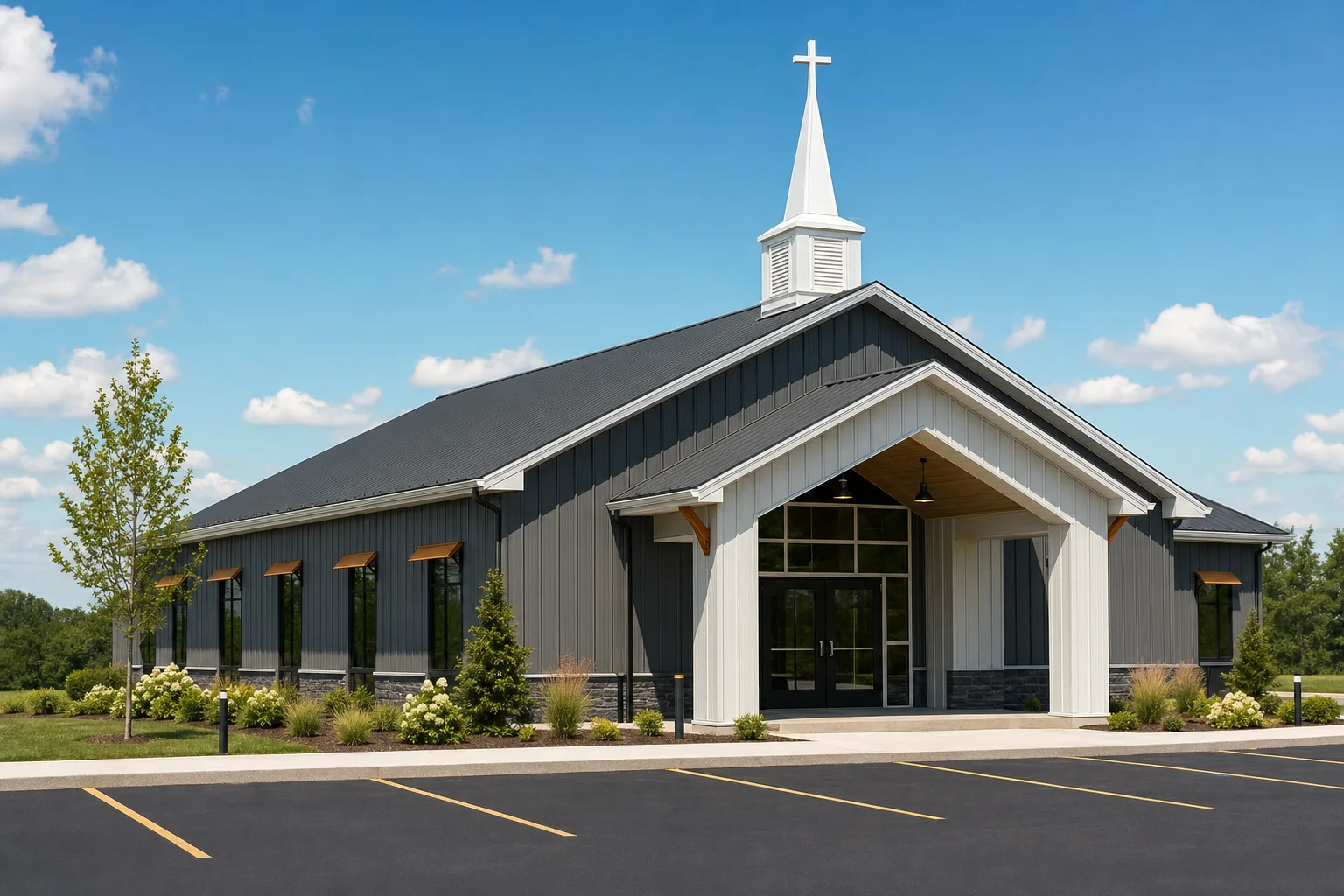
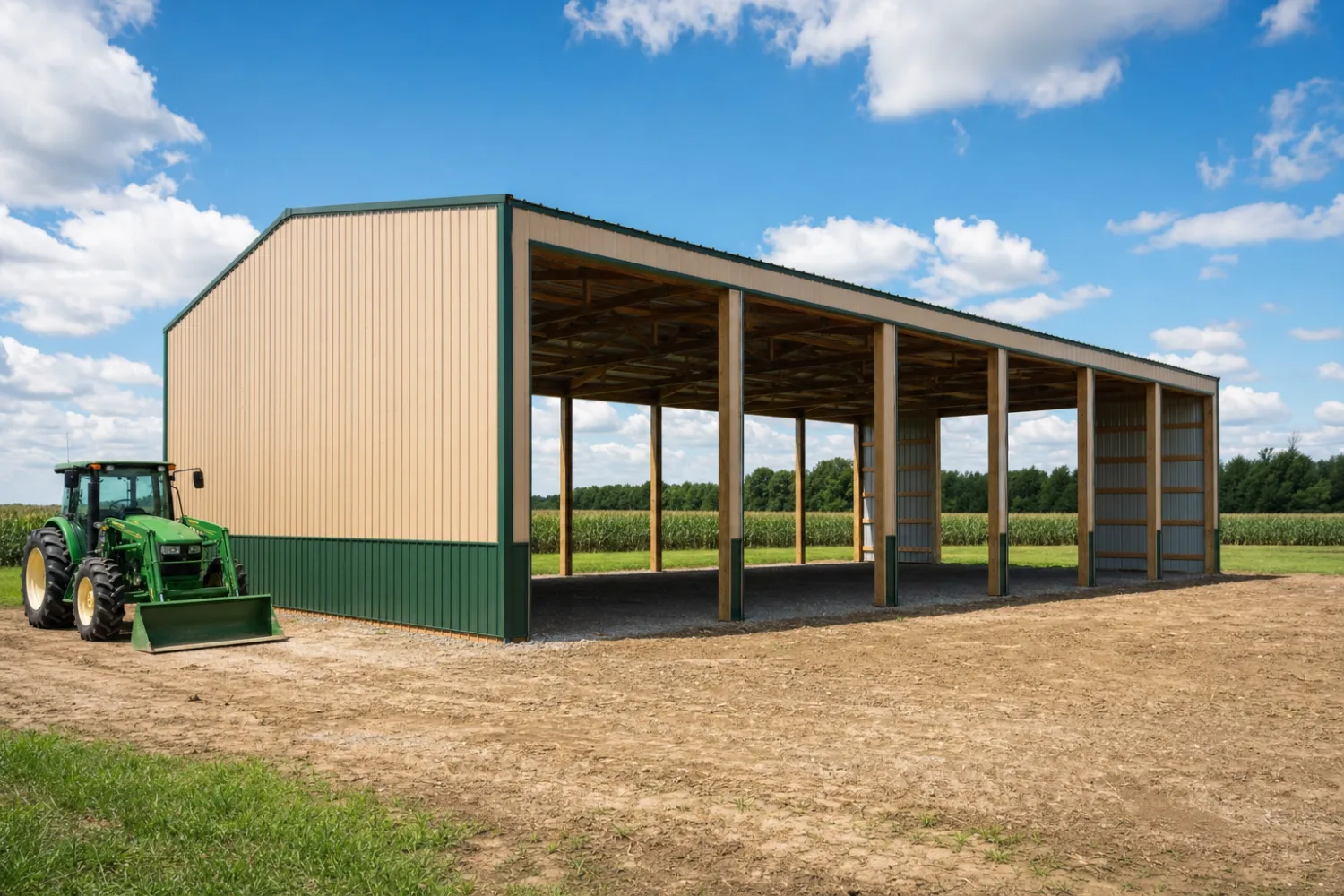
Floridians put steel buildings to a wide range of work. Agricultural pole barns and equipment storage are common in the rural interior, garages and workshops show up statewide, and barndominiums have grown popular with buyers who want a hurricane-rated home and shop under one roof. Whatever the use, the permit path runs through your local building department.
If you are building near one of Florida’s big metros, start with the right office. Names and structures change, so confirm the current department and its requirements before you file ‹confirm›:
- Jacksonville (Duval County). City of Jacksonville Planning and Development Department, Building Inspection Division ‹confirm›.
- Miami (Miami-Dade County). Miami-Dade County permitting under Regulatory and Economic Resources, in the High-Velocity Hurricane Zone with NOA requirements ‹confirm›.
- Tampa (Hillsborough County). Hillsborough County or City of Tampa building services ‹confirm›.
- Orlando (Orange County). Orange County or City of Orlando permitting and inspections ‹confirm›.
Each office sets the binding wind speed, setbacks, and fees for its area. The metro you build in, not the state, is the authority that signs off your steel building.
FAQ
Florida metal building questions
Do I need a permit for a metal building in Florida?
Almost always, yes. Most Florida jurisdictions require a building permit for any permanent structure over about 200 square feet ‹confirm›, and the permit needs signed, sealed engineering and approved components. A narrow set of nonresidential farm buildings and temporary construction sheds are exempt under state statute ‹confirm›, but the exemption is easy to misapply. Confirm with your local building department before you skip the permit.
What structures are exempt from the Florida Building Code?
Florida Statutes section 553.73 lists the exemptions, which include certain nonresidential farm buildings on farms, temporary buildings or sheds used only for construction, and a few federally regulated structures ‹confirm›. A barn used for a business, or any building meant for living or working, does not qualify. Treat the exemption narrowly and verify your specific case locally.
How do I get a permit for a metal building in Florida?
Contact your county or city building department, then submit a permit application, a site plan or survey, your property deed, signed and sealed engineering drawings, and an engineered foundation plan ‹confirm›. Components need Florida Product Approval numbers, or a Miami-Dade NOA in Miami-Dade and Broward. After the permit is issued, you pass inspections for the slab, framing, and final before occupancy.
What wind speed does a metal building in Florida need to handle?
It depends on where you build. Inland counties may design near 130 mph ultimate wind speed, while coastal and High-Velocity Hurricane Zone areas can exceed 180 mph ‹confirm›. Your jurisdiction publishes the binding design wind speed and exposure category, and your kit must be engineered to that figure. Never assume a single statewide number.
What is a Florida Product Approval and do I need one?
It is a state approval confirming that a building component, such as a door, window, or roof panel, meets Florida code for wind and impact ‹confirm›. Most permitted metal buildings need approval numbers for their components, and projects in Miami-Dade or Broward need a Miami-Dade Notice of Acceptance instead. Ask your supplier for these numbers before you order.
Can I build a metal building on my own property in Florida?
Usually yes, but property ownership does not waive the permit, zoning, or setback rules. You still need to meet your parcel’s allowed uses, minimum setbacks from property lines, and any HOA approval, then pull a permit with engineered plans ‹confirm›. Check zoning and the building department early, since those rules decide what and where you can build.
Does a metal building in Florida need snow load engineering?
No. Ground snow load is effectively zero across Florida ‹confirm›, so snow is not a design factor. Your engineering focuses on wind uplift, lateral wind load, and foundation anchoring instead. That is the opposite priority from a northern state, which is why a building stamped elsewhere may not suit Florida.
Read next
Keep reading
Compare Florida with neighboring states, then dig into the codes, loads, and foundation detail that decide your build:
- Metal building kits in Georgia
- Metal building kits in Alabama
- Metal building kits in South Carolina
- Metal building kits in Mississippi
- Metal building permits and codes
- Snow load and wind load explained
- Metal building foundation options
- Metal building insulation
- Metal building kit prices (pillar)
Sources
Sources
- Florida Building Code, Chapter 22 Steel (ICC): https://codes.iccsafe.org/content/FLBC2020P1/chapter-22-steel
- Florida Building Commission, HVHZ structural document requirements: http://www.floridabuilding.org
- ProBuilt Steel, Florida metal building permits and wind ratings (140–180+ mph): https://www.probuiltsteel.com
- Direct Metal Structures, metal building permits in Florida (county/city authority): https://directmetalstructures.com
- Mid Florida Metal Roofing Supply, permitting process for steel buildings in Central Florida: https://www.midfloridametalroofingsupply.com