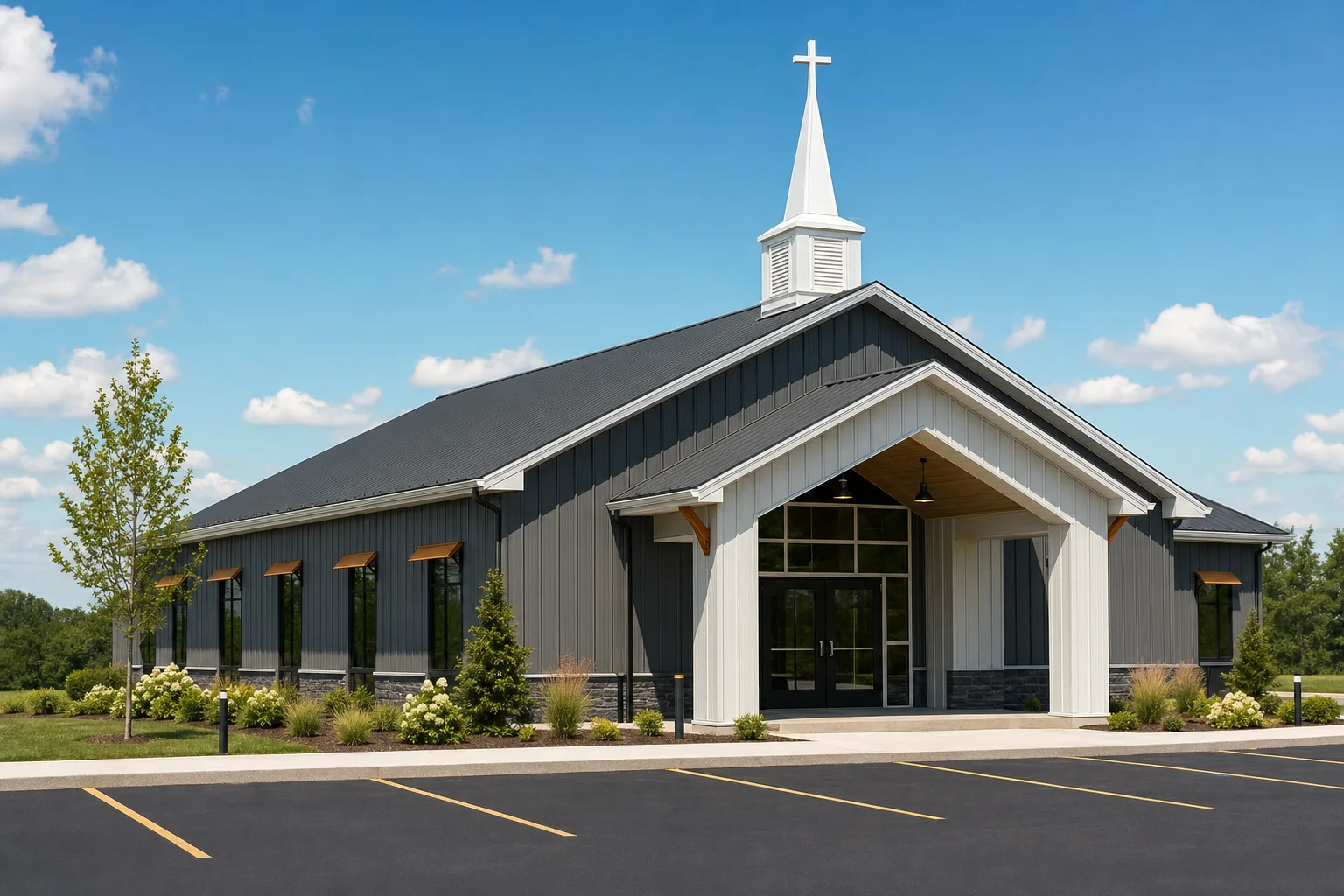
A modern metal building does not rust the way bare steel does, because the panels and frame ship with coatings built to shed water and block corrosion. Rust starts where those coatings end: a scratch from install, a cut or drilled edge, a fastener that bites through the finish, or a spot where trapped moisture sits against the steel. Protect those exposure points and the building holds up for decades. Ignore them and a few of them seed rust that creeps under the coating and spreads.
This guide sits under the metal building kits pillar and answers the corrosion question that decides how long your steel lasts. Below: whether metal buildings rust, where rust starts first, how to prevent it through coating choice and detail work, and how to treat surface rust before it spreads. It is corrosion-specific, so it stays on the steel and the coatings, not the broader upkeep schedule.
Do they rust
Do metal buildings rust?
Yes, but slowly, and almost never on the flat painted surfaces that cover most of the building. Steel panels and framing come coated to resist corrosion, either galvanized with a zinc layer, Galvalume with a zinc-aluminum alloy, or painted over a metallic base. Those coatings give the steel a barrier and, in the case of zinc, a sacrificial layer that corrodes first and protects the metal beneath. On an intact panel, that protection runs for decades.
The flat field of a panel is the strong part. The weak points are the places the coating was never complete or got broken: a sheared edge, a drilled hole, a deep scratch, a fastener head, or a seam where two panels overlap and hold water. Rust shows up at those spots first, then works outward and underneath the finish. The grade of steel matters less than whether you guard those openings. A premium coating with neglected edges still rusts at the edges.
Coating choice sets the baseline, and our galvanized vs Galvalume vs painted steel guide breaks down how each one fights corrosion. The rest is detail work: seal the cuts, touch up the scratches, keep the steel dry, and lift it off the ground. Do that and the building outlasts most things built next to it.
Where it starts
Where rust starts on a metal building
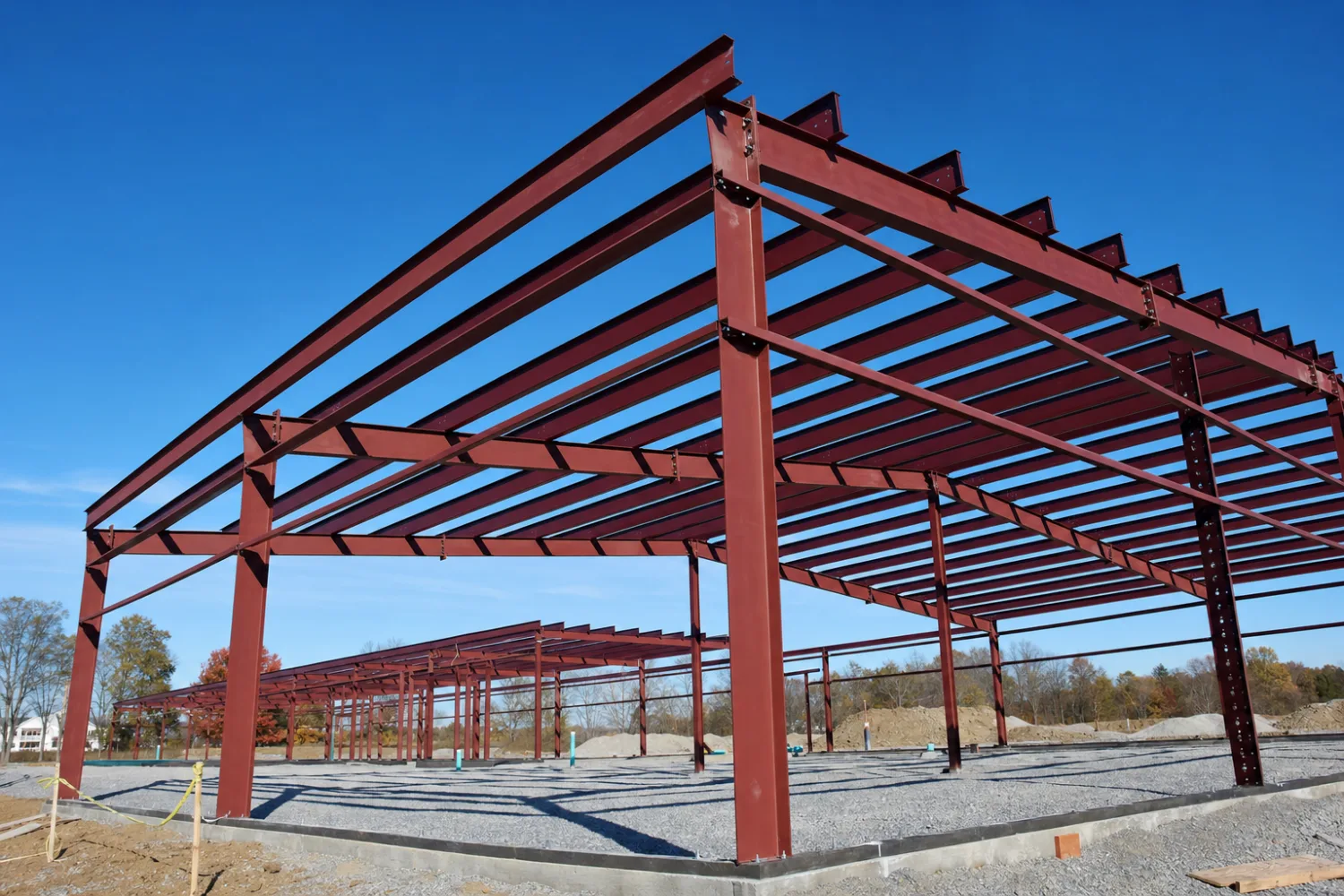
Rust starts at the exposure points, the spots where the protective coating is thin, broken, or absent. Find those before they find you. Five of them account for most corrosion on a metal building, and each one has a matching defense.
- Scratches and scuffs. A deep scratch from shipping, install, or a ladder cuts through the paint to bare steel. Water reaches the metal and rust spreads under the coating around the cut.
- Cut and drilled edges. Every panel you trim and every hole you drill exposes raw steel that no factory coating ever covered. Sheared edges and field-drilled holes are the most common first rust on a new building.
- Fasteners. Screws pierce the panel and the washer seals the hole, but a stripped, over-driven, or worn fastener weeps rust and lets water in. Cheap screws rust before the panel does and streak it on the way.
- Trapped condensation. Moisture that beads on the inside of the panels and frame sits against the steel where coatings are thinner and no one looks. It is the leading corrosion source in an enclosed building.
- Ground contact. A panel or base rail in contact with soil, mulch, or standing water stays wet and rusts from the bottom up. Splashback and wicked moisture do the same.
Map each source to its prevention and the building gets easy to protect. The table pairs the common rust sources with the move that stops each one:
| Rust source | Prevention |
|---|---|
| Scratches and scuffs in the paint | Touch up bare spots with matching primer and paint before they spread |
| Cut and drilled edges | Seal raw edges and holes with edge primer or cold galvanizing on install |
| Fasteners and washers | Use quality coated screws, drive them square, replace any that weep rust |
| Trapped condensation inside | Insulate, add a vapor barrier, and ventilate so the steel stays dry |
| Ground contact and splashback | Set the base above grade, keep soil and mulch off the panels, drain water away |
Rust is a coating-breach problem, so every fix either restores the barrier or keeps water off the steel.
Prevention
How to prevent rust on a metal building
Prevention comes down to four moves: choose the right coating, seal and touch up every cut and scratch, keep the inside dry, and lift the steel off the ground. Get those four right and you have closed almost every door rust uses.
Start with the coating, because it sets how much margin you have everywhere else. Galvanized and Galvalume add a metallic layer that fights corrosion on its own, and a quality paint system over that base resists fading and chalking on top of it. A heavier coating costs more up front and buys years on the back end, which matters most in coastal salt air, high humidity, or near fertilizer and livestock where the air itself is corrosive.
Then handle the breaks in that coating. Touch up scratches with matching primer and paint as soon as you see bare metal, and seal cut edges and drilled holes during install with edge primer or a cold galvanizing compound that re-adds zinc to the raw steel. These take minutes on a new build and save a panel later. Use quality coated fasteners, drive them straight so the washer seats, and swap any screw that streaks rust before it stains the wall below it.
The third move is moisture. Most interior rust traces to condensation, so insulation, a vapor barrier facing the warm side, and ridge and gable ventilation keep the steel above the dew point and dry. The fourth is the ground: set the base rail above grade, keep soil, mulch, and standing water off the panels, and grade the site so water drains away from the building. Wet steel rusts; dry steel does not.
Galvanized is protection, not immunity
A zinc coating corrodes before the steel beneath it, which is what protects the panel, so faint white surface oxidation on galvanized steel is the coating doing its job, not a failure. The zinc does wear down over years, faster in salt air or acidic runoff, and once it is gone the steel underneath starts to rust. Keep galvanized panels clean and dry, and treat any spot where the zinc is fully worn through like bare steel. Routine maintenance catches it early.
Hard climates
Coastal, humid, and agricultural air
Some sites attack steel harder than others, and the coating choice should answer the site. Salt air near the coast carries chloride that eats coatings faster, so a heavier paint system or an upgraded coating earns its cost within sight of the water. High humidity keeps surfaces damp long enough for rust to take hold, and rinse-free salt sits on the panels between rains.
Farm and ranch air is its own hazard. Ammonia from livestock, acidic runoff, and fertilizer dust are corrosive, and a building used for animals or chemical storage needs coatings rated for that exposure plus strong ventilation to clear the fumes. A warehouse in clean dry inland air can run a lighter spec and still last, while the same building on a salt marsh needs the heavier one. Match the steel to the air it will breathe.
Treat it
How to treat surface rust before it spreads
Catch surface rust early and you stop it with a wire brush and a can of primer; let it sit and it pits the steel and undermines the coating around it. The job is the same on a panel, a fastener trail, or a frame member. Clean the rust off, neutralize what remains, prime the bare metal, and seal it with matching paint.
- Clean the spot. Wash off dirt and salt, then dry the area. Salt left under new paint keeps corroding the steel beneath it.
- Remove the rust. Wire-brush, sand, or use a grinding wheel on heavier spots until you reach sound metal and a feathered edge of intact coating around it.
- Neutralize and prime. Treat stubborn rust with a converter or rust-inhibiting primer, then prime the bare steel so the new coating bonds and the metal stays sealed.
- Paint to match. Topcoat with paint that matches the panel so the repair sheds water and blends in. Re-seal the fastener or edge that let the rust start.
Surface rust that has only stained the coating is cosmetic and wipes back to a clean repair. Rust that has pitted the steel, perforated a panel, or eaten a structural member is past touch-up and needs a panel replaced or a repair plate, work for a contractor on anything load-bearing. The difference is depth: if the steel is still solid under the rust, you treat it; if the rust has gone through, you replace the steel.
Rust is patient, so you cannot be. A scratch sealed today is a five-minute job; the same scratch left a winter is a rusted panel and a weekend.
Build the rust check into routine maintenance: walk the building each season, hit the bare spots and fastener trails while they are small, and confirm the ground and drainage still keep the base dry. Pair that habit with controlling condensation inside, and corrosion stays a five-minute touch-up instead of a structural repair.
FAQ
Metal building rust: common questions
Do metal buildings rust?
Yes, but slowly, and rarely on the flat coated panels. Steel panels and framing ship galvanized, Galvalume, or painted, and those coatings resist corrosion for decades on an intact surface. Rust starts at the exposure points the coating does not fully cover: scratches, cut and drilled edges, fasteners, trapped condensation, and ground contact. Protect those and the building holds up.
How do you prevent rust on a metal building?
Four moves do most of the work. Choose a coating matched to your climate, seal and touch up every cut edge and scratch as soon as bare steel shows, keep the inside dry with insulation and ventilation, and set the base above grade so the steel never sits in water or soil. Use quality coated fasteners and replace any that weep rust. Most prevention is detail work, not expensive.
How do you fix surface rust on a metal building?
Clean the spot, remove the rust with a wire brush or sander down to sound metal, neutralize any stubborn rust with a converter or inhibiting primer, prime the bare steel, and topcoat with matching paint. Re-seal the fastener or edge that let it start. Surface rust caught early is a quick repair; rust that has pitted or perforated the steel needs a panel or member replaced.
Does galvanized steel rust?
Eventually, yes. The zinc coating corrodes before the steel beneath it, which is what protects the panel, so light white surface oxidation is the coating working, not failing. Over years the zinc wears down, faster in salt air or acidic runoff, and once it is gone the steel underneath rusts. Keep galvanized panels clean and dry, and treat any worn-through spot like bare steel.
Where does rust start first on a metal building?
At the exposure points where the coating is thin or broken. The usual first spots are sheared edges and field-drilled holes, deep scratches from install, fasteners that are worn or driven wrong, the inside surfaces where condensation collects, and any panel or base rail in contact with soil or standing water. The flat painted field of a panel is the last place to go.
Does sealing a scratch stop rust from spreading?
Yes, if you do it early. A scratch that reaches bare steel is an open door for water, and rust spreads under the coating from there. Cleaning the spot and sealing it with matching primer and paint closes that door before corrosion takes hold. A few minutes on a fresh scratch saves a rusted panel later, which is why a seasonal walk-around pays for itself.
Related guides
Keep reading
Rust prevention ties into coatings, moisture, and upkeep. Follow these next:
- Metal building kits: the complete guide (the parent pillar).
- Galvanized vs Galvalume vs painted steel (the coatings that fight corrosion).
- Metal building condensation & ventilation (stopping the moisture that rusts steel from inside).
- Metal building maintenance (the seasonal checks that catch rust early).
- Metal building glossary (galvanized, Galvalume, sacrificial coating, and every other term defined).