Two things shape a metal building in Kentucky more than anything else. First, Kentucky enforces a statewide building code, so the rules are consistent across the commonwealth even though your local office issues the permit. Second, the loads your building must carry split by region: the far west sits near the New Madrid seismic zone ‹confirm›, the eastern mountains carry the heaviest snow ‹confirm›, and the humid climate runs the whole way across. Get those two facts straight and the rest of the project follows.
This guide sits under our metal buildings by state pillar and covers what is specific to Kentucky: the code and permit path, the wind, snow, and seismic picture, the climate and insulation priority, and what drives price here. Treat every load figure below as a typical range to verify, not a quote. Your county or city building department sets the numbers that your engineer stamps, and those govern.
Codes & permits
Kentucky building code and permits
Kentucky is a statewide-code commonwealth. The Kentucky Building Code (KBC) is based on the International Building Code, and the Kentucky Residential Code (KRC) is based on the IRC ‹confirm›, both administered by the Department of Housing, Buildings and Construction. That means a metal shop in Paducah and one in Pikeville answer to the same base code, while the local jurisdiction handles plan review, the permit, and inspections.
For most enclosed metal buildings you will need engineer-stamped drawings for the structural shell, sealed by an engineer licensed in Kentucky ‹confirm›. The local office checks that the design meets the wind, snow, and seismic values for your site before it issues the permit. Read our guide to metal building permits and codes for the document trail that applies in any state, then confirm the specifics with your local building department.
Who issues the permit
The statewide code sets the rules, but the permit is local. In Louisville Metro that runs through Develop Louisville Codes & Regulations and the Permits & Licensing office. Smaller counties may route plans through a county office or the state. Always confirm the reviewing authority for your exact address before you order steel.
Loads
Wind, snow, and seismic loads in Kentucky
Kentucky is a three-corner load problem, which is what sets it apart from its neighbors. The far western counties near Paducah sit close to the New Madrid seismic zone, so seismic design carries real weight there ‹confirm›. The eastern Appalachian counties carry the highest ground snow loads in the state ‹confirm›. And inland wind, including straight-line and tornado events, applies everywhere ‹confirm›. No single statewide number covers all three, which is why the code points back to your site.
| Load type | Typical Kentucky range | Who sets it |
|---|---|---|
| Ground snow | Roughly 10 to 20 psf, higher in the eastern mountains ‹confirm› | Local jurisdiction, by site |
| Design wind speed | Roughly 105 to 115 mph, Risk Category II ‹confirm› | Adopted code (ASCE 7) |
| Seismic | Elevated in far western KY near New Madrid ‹confirm› | Local jurisdiction, by site |
Typical ranges for orientation only. Verify the design values for your address with the local building department.
The practical takeaway: do not let a supplier quote a building stamped for a generic load. A shell rated for light snow in the west may be wrong for a snow-loaded ridge in the east, and a building in the Purchase region may need seismic detailing a central-Kentucky shop does not. Our guide to snow load and wind load explained shows how those numbers translate into frame and anchor design.
Climate
Climate and insulation for Kentucky buildings
Most of Kentucky falls in IECC climate zone 4A, a mixed-humid zone ‹confirm›. That makes condensation control, not raw R-value, the first insulation priority for a metal building here. Humid summers and swings between warm days and cool nights push moisture toward cold steel, where it condenses and drips if the building cannot manage it.
A vapor-controlled insulation system and good ventilation matter more than chasing the highest R-value you can buy. If you plan to heat a shop through a Kentucky winter or cool a barndominium through August, balance the assembly for both. Our metal building insulation guide walks through the layers and where the vapor barrier belongs.
Price
What drives metal building kit prices in Kentucky
Kentucky sits within reasonable freight range of several steel-producing regions, so delivered cost here is often competitive compared with far-coastal or mountain-west states. The biggest swing factors are steel commodity pricing, freight distance to your county, and local labor if you hire out the build instead of erecting a bolt-up kit yourself.
Site work can move the total as much as the steel does. A flat, accessible lot near Louisville or Lexington is cheaper to build on than a sloped eastern-Kentucky parcel that needs grading and a deeper foundation. Treat any per-square-foot figure you see as a 2026 starting point to verify ‹confirm›, and use our metal building kit prices pillar to break a quote into its real parts before you compare.
Local demand
Popular uses and metro building departments
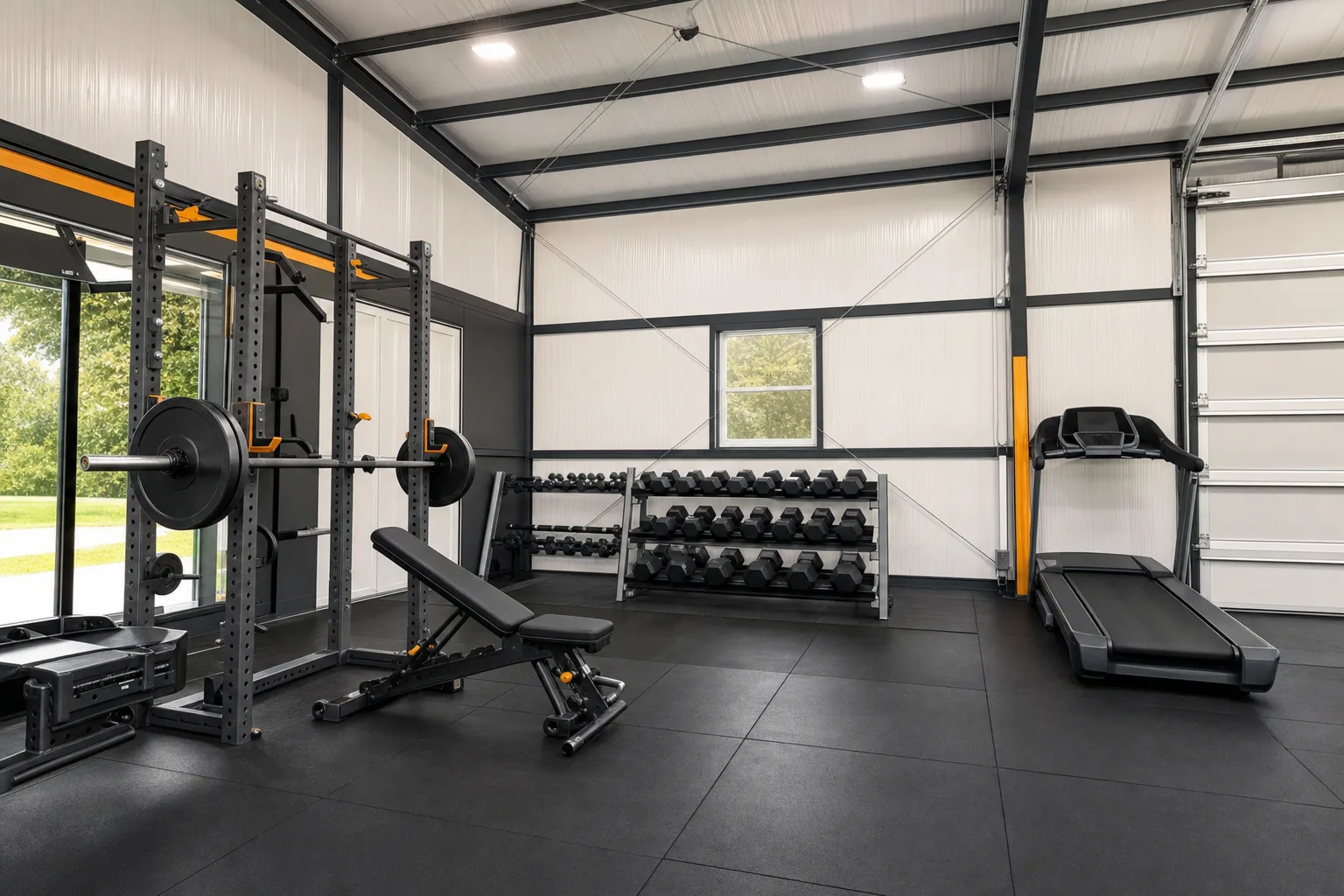
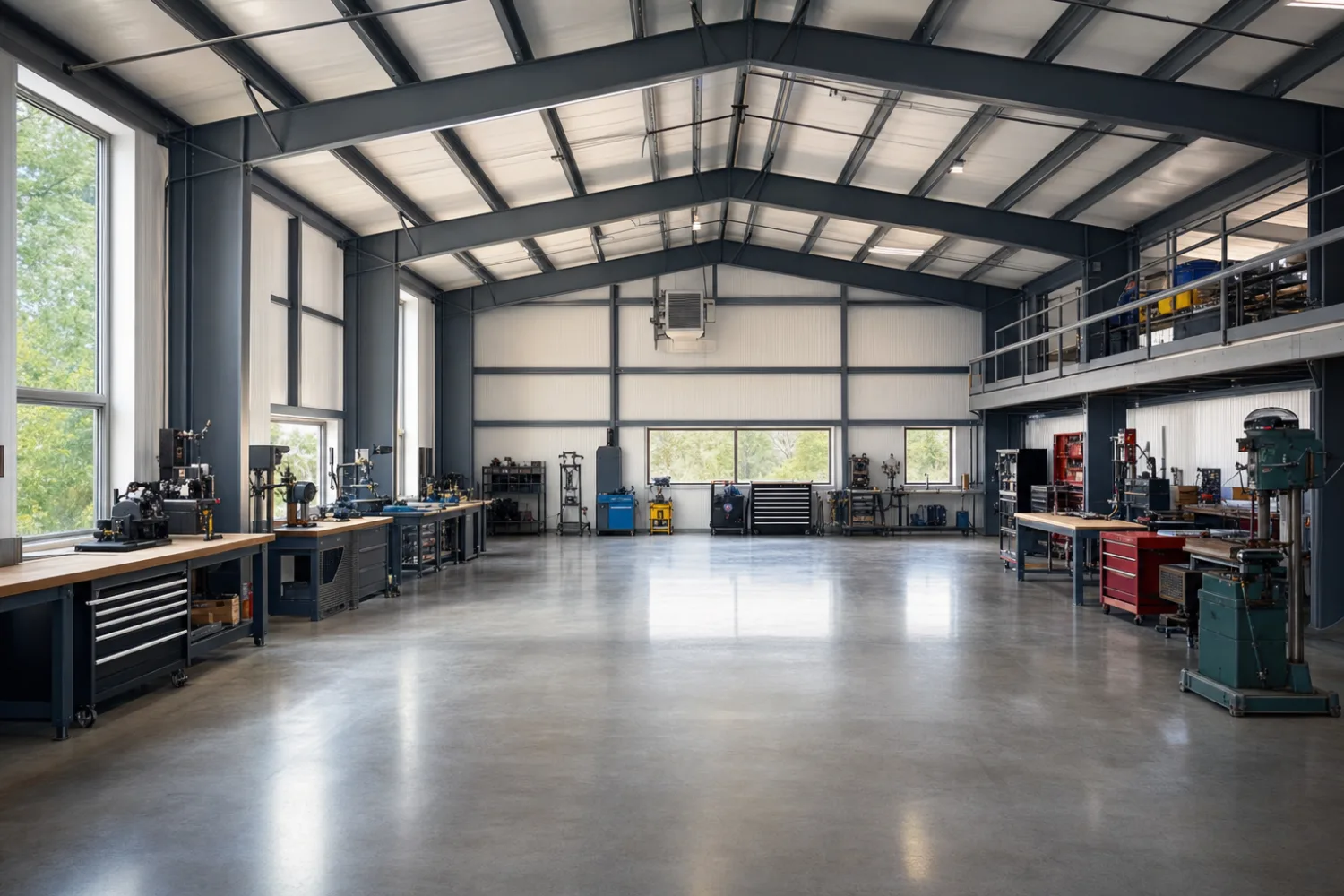
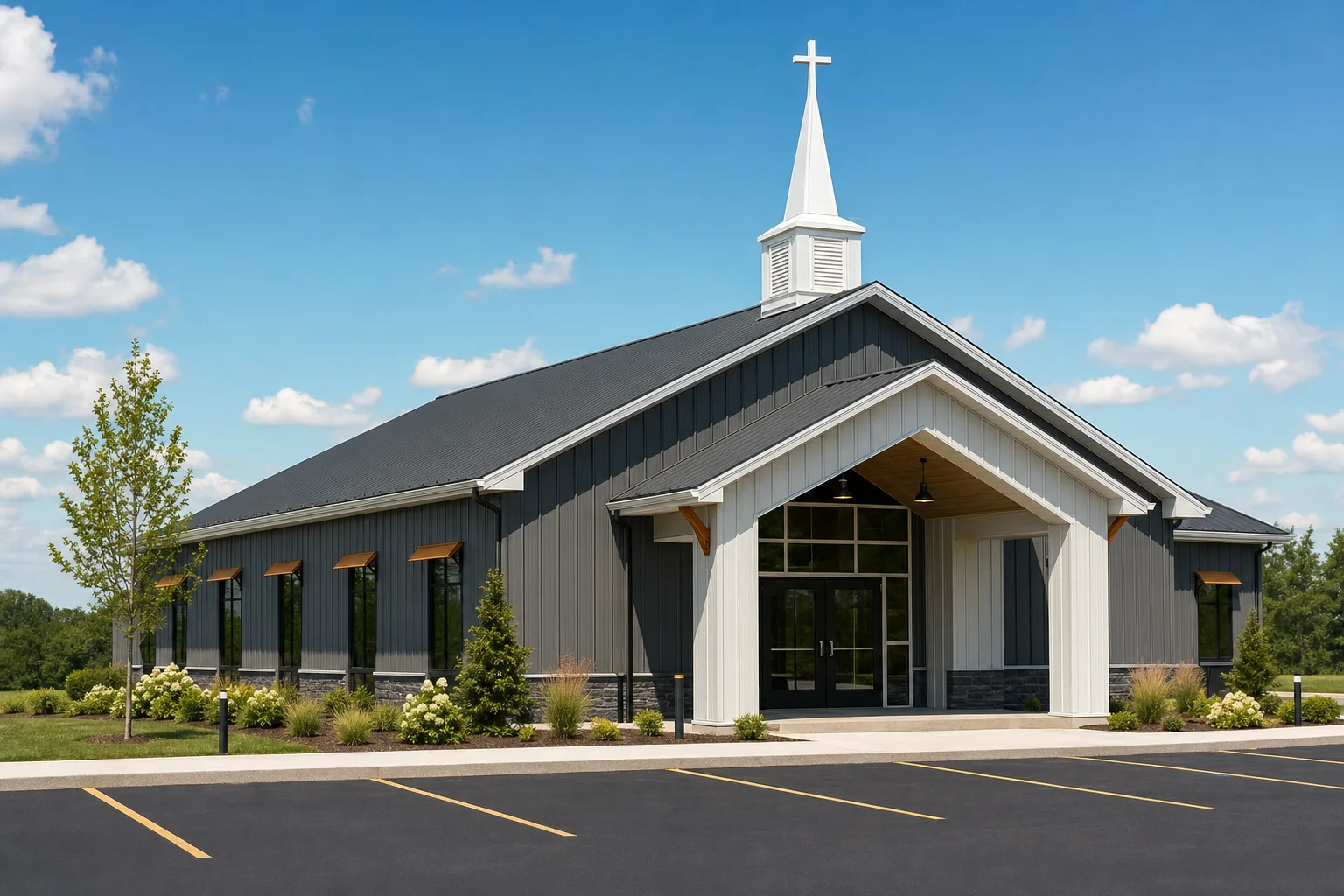
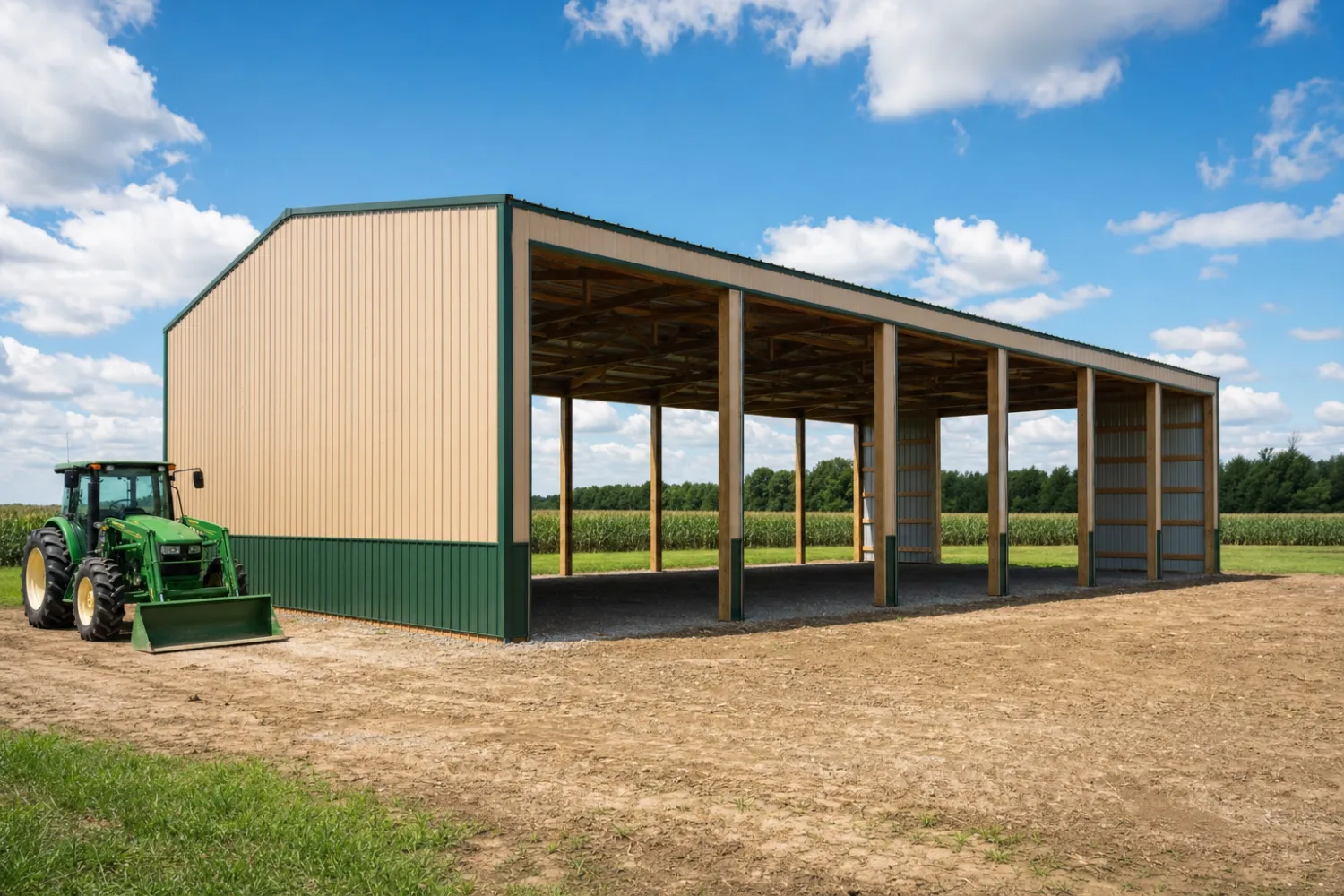
Kentucky buyers lean toward agricultural buildings, equipment and hay storage, horse barns in the Bluegrass, home workshops and garages, warehouses near the Louisville and northern-Kentucky logistics corridors, and barndominiums on rural acreage. What you can build, and how it must be engineered, depends on the jurisdiction that reviews your plans.
Here are the major metros and the real departments that handle building permits in each. Confirm current contacts and submittal rules with the office before you apply ‹confirm›:
- Louisville. Louisville Metro Develop Louisville, Codes & Regulations and the Permits & Licensing office at 444 S 5th St, (502) 574-3321.
- Lexington. Lexington-Fayette Urban County Government, Division of Building Inspection ‹confirm›.
- Bowling Green. City of Bowling Green Neighborhood and Community Services, building and permitting ‹confirm›.
- Owensboro. City of Owensboro and Daviess County building inspection offices ‹confirm›.
- Northern Kentucky. Covington and the surrounding Kenton, Boone, and Campbell county building departments ‹confirm›.
FAQ
Kentucky metal building questions
Do I need a permit for a metal building in Kentucky?
In most cases yes. Kentucky enforces a statewide building code, and your local jurisdiction issues the permit for an enclosed metal building. Some small agricultural structures can be exempt under certain conditions, but the exemption is narrow and local. Confirm with your county or city building department before you start.
Does Kentucky have a statewide building code?
Yes. The Kentucky Building Code and the Kentucky Residential Code apply across the commonwealth, administered by the Department of Housing, Buildings and Construction ‹confirm›. They are based on the International Building Code and International Residential Code. Local offices handle plan review, permits, and inspections under that shared code.
Who issues the building permit for my metal building?
Your local jurisdiction, not the state. In Louisville Metro that is Develop Louisville Codes & Regulations and the Permits & Licensing office. In other counties it may be a county building department or, in some rural areas, a state office. Verify the reviewing authority for your exact address.
Do I need engineer-stamped drawings in Kentucky?
For most enclosed metal buildings, yes. The structural shell usually needs drawings sealed by an engineer licensed in Kentucky so the local office can confirm the design meets your site loads ‹confirm›. A reputable kit supplier provides stamped plans for your wind, snow, and seismic values. Confirm the requirement with your jurisdiction.
How much snow does a metal building in Kentucky need to hold?
It depends on where you build. Ground snow loads are lighter in western and central Kentucky and heaviest in the eastern mountains, with typical values roughly in the 10 to 20 psf range ‹confirm›. Your building department sets the figure your engineer must design to, so verify it locally rather than assuming a statewide number.
Is seismic design a concern in Kentucky?
In the far western counties near Paducah, yes. That part of the commonwealth sits close to the New Madrid seismic zone, so seismic detailing can drive the design there ‹confirm›. Central and eastern Kentucky generally see lower seismic demand, with snow and wind the bigger drivers. Your local code official sets the seismic design category for your site.
What insulation does a Kentucky metal building need?
Most of Kentucky is a mixed-humid climate, so condensation control is the first priority rather than maximum R-value ‹confirm›. A vapor-controlled insulation system plus good ventilation keeps moisture off the steel through humid summers and cold snaps. Match the assembly to whether you heat, cool, or both.
Read next
Keep reading
Compare Kentucky with its neighbors, then go deeper on the topics that decide your build:
- Metal building kits in Indiana
- Metal building kits in Ohio
- Metal building kits in Tennessee
- Metal building kits in Virginia
- Metal building permits and codes
- Snow load and wind load explained
- Metal building foundation options
- Metal building insulation
- Metal building kit prices
Sources
Sources
- Kentucky building code adoption, UpCodes (Kentucky Building Code, Kentucky Residential Code, state agencies): https://up.codes/codes/kentucky
- Louisville Metro Permits, Applications & Licenses (Develop Louisville Codes & Regulations, Permits & Licensing): https://louisvilleky.gov/government/landing-page/permits-applications-licenses
- Louisville Metro building departments, names and contact verified via Google Maps (Permits & Licensing and Codes & Regulations, 444 S 5th St, Louisville KY): https://www.google.com/maps/search/building+department+Louisville,+Kentucky