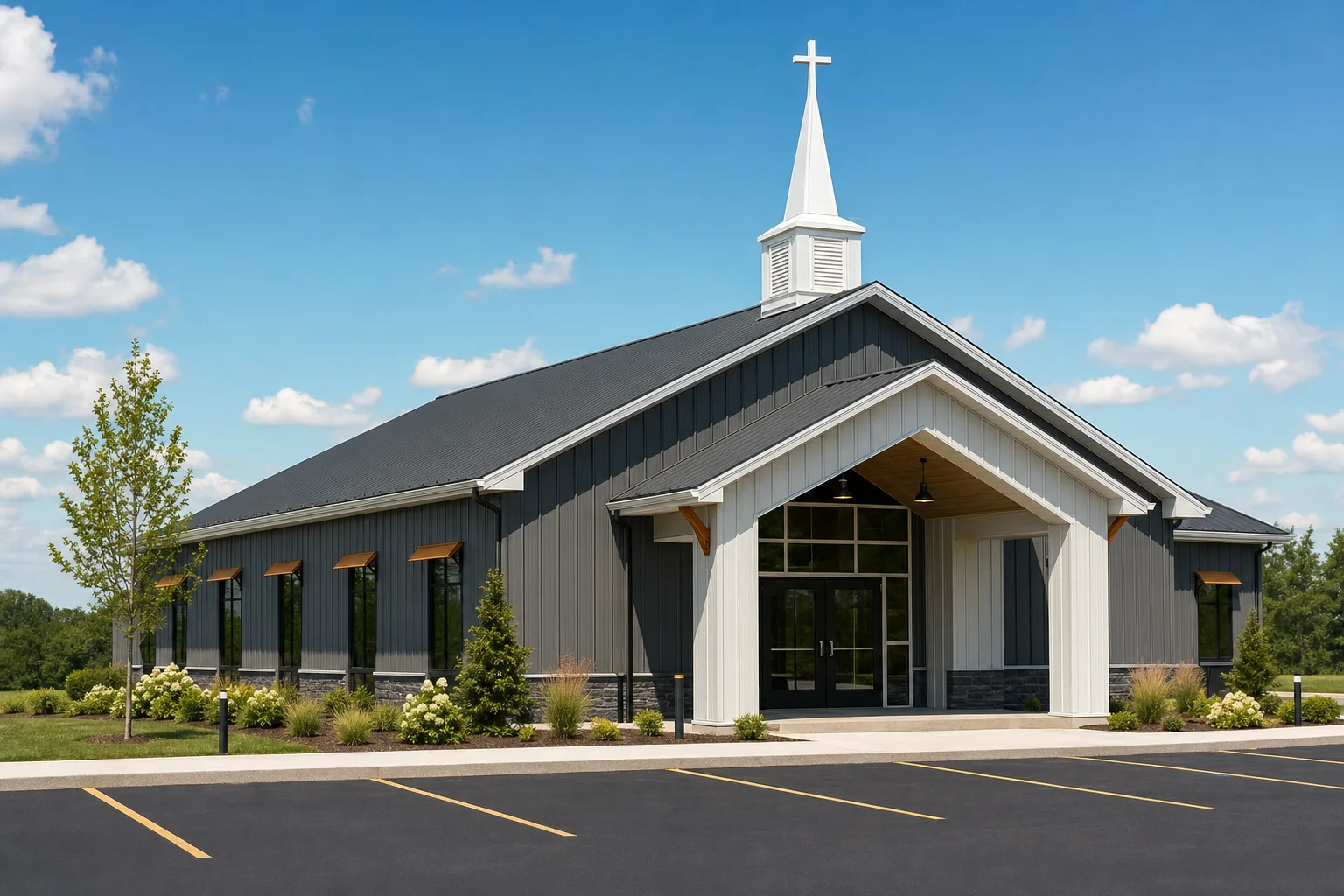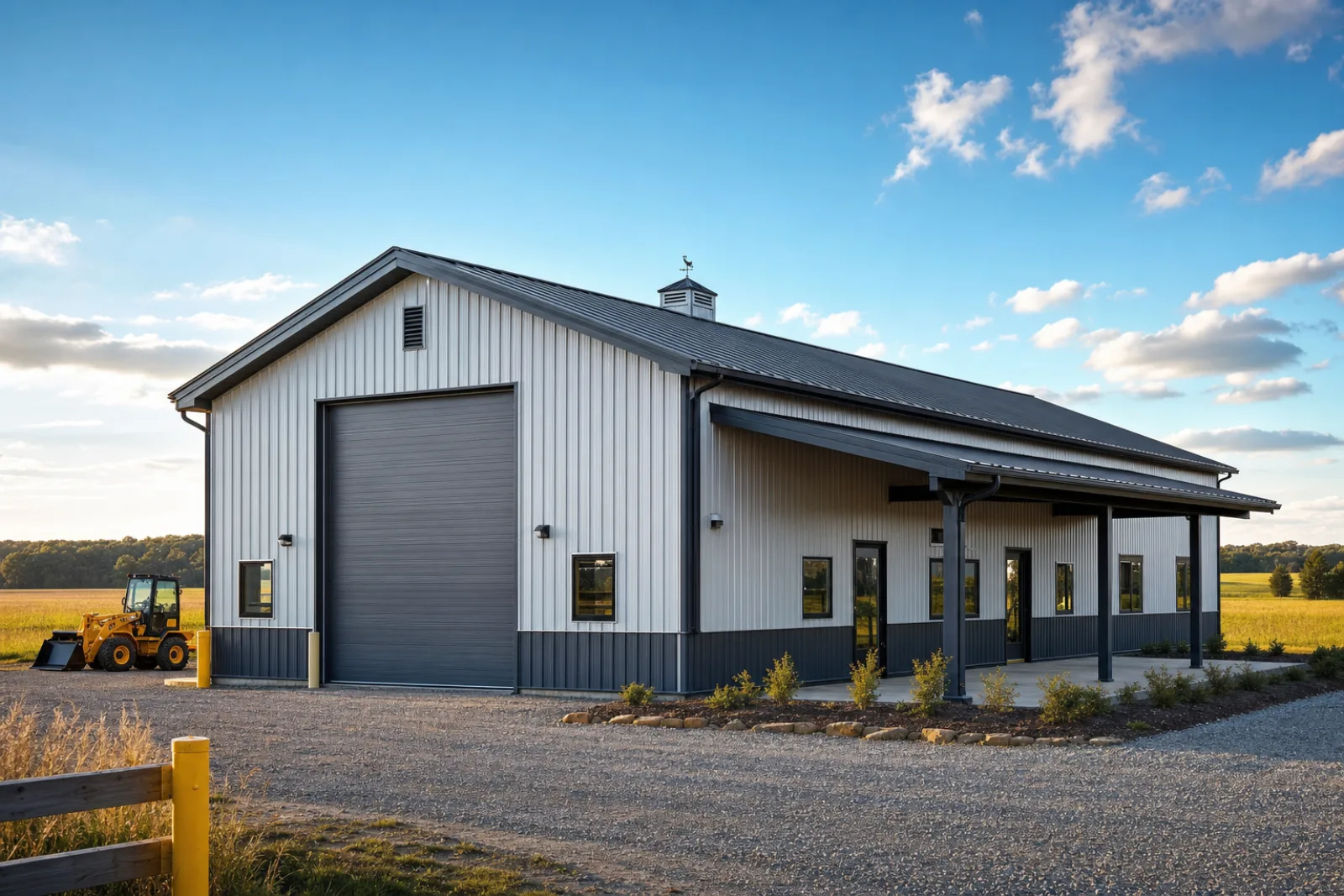
Two things decide a metal building in North Carolina: where the state you build in falls on the wind-versus-snow line, and the fact that permits are pulled locally, not from Raleigh. The eastern coastal plain answers to hurricane wind, the western mountains answer to snow, and the Piedmont sits between them. On top of that, your county or city inspections office, not the state, issues the permit and reviews the engineered drawings.
This guide sits under our metal buildings by state pillar and covers what changes when the project lands in North Carolina. Below: the code and permit reality, the load drivers that vary east to west, climate and insulation, what moves price here, and the real building departments in the biggest metros. Treat every number as a starting point and confirm it with your local building department, because loads and fees are set jurisdiction by jurisdiction.
Codes & permits
North Carolina codes and who issues the permit
North Carolina builds to the North Carolina State Building Code, a state-amended version of the International Code family, with the 2018 edition of the residential code in wide use ‹confirm›. The state writes the code; your county or city inspections department enforces it and issues the permit. There is no single statewide permit office, so the rules you follow day to day come from the local jurisdiction.
The size threshold is the one most owners trip over. Under the state code, a detached accessory building with any single dimension greater than 12 feet needs a building permit, which puts almost every garage, carport, and shop above the line ‹confirm›. Add electrical, plumbing, or HVAC and you need a permit regardless of size. Commercial structures need one no matter what. Some towns do not recognize the 12-foot exemption at all, which is the kind of local detail you confirm before you order steel.
Engineered, stamped drawings
North Carolina treats most pre-engineered metal buildings as non-prescriptive, so plan review commonly asks for engineer-stamped, sealed structural drawings tailored to your site ‹confirm›. Your manufacturer usually supplies them. Projects over $40,000 generally must be built by a licensed general contractor under state law ‹confirm›. See our permits and codes guide for the full walk-through, and verify the specifics with your local building department.
Loads
Wind, snow, and seismic loads across the state
North Carolina is two load problems in one state. Along the coast and the eastern plain, hurricane-driven wind is the design driver, and structures are engineered to ASCE 7 wind speeds that climb as you near the Atlantic ‹confirm›. In the western mountains, ground snow load takes over and rises with elevation ‹confirm›. The Piedmont, including Charlotte and Raleigh, carries moderate wind and light snow. Seismic demand is low to moderate across most of the state ‹confirm›.
| Load type | Typical North Carolina range | Who sets it |
|---|---|---|
| Wind (design speed) | Higher on the coast, moderate inland ‹confirm› | Local code per ASCE 7 |
| Ground snow | Light in the east, heavier in the mountains ‹confirm› | Local jurisdiction |
| Seismic | Low to moderate statewide ‹confirm› | Local code per ASCE 7 |
Ranges only. Your county building department sets the exact design values for your address.
Because the numbers swing this much across the state, never let a supplier quote a single statewide load. Ask what wind speed and snow load the building is stamped for, and match it to the figure your jurisdiction requires. Our snow and wind load guide explains how those values are read and why a coastal building costs more steel than an inland one. Verify the exact loads locally before you sign.
Climate
Climate zones and what to insulate for
Most of North Carolina falls in IECC climate zones 3A and 4A, with the high mountains reaching zone 5A ‹confirm›. That spread changes what your insulation has to do. Across the humid east and Piedmont, the first job is condensation control, keeping warm moist air off cold steel so the frame stays dry. In the colder mountains, R-value carries more weight because you are holding heat through real winters.
The mistake is treating a North Carolina building like a dry-climate one. Humidity here is high for much of the year, and an uninsulated steel shell sweats. A proper vapor barrier and ventilation plan matters as much as the R-value on the invoice. Our metal building insulation guide covers the assemblies that handle Southern humidity without trapping moisture.
Price drivers
What moves metal building prices in North Carolina
Steel price is national, but the cost to land a kit and stand it up in North Carolina is local. Freight from the rolling mills and fabricators adds up by the mile, so a build in the far western mountains or the Outer Banks can carry more delivery cost than one near the I-85 corridor. Labor rates run higher around Charlotte and Raleigh than in rural counties, and a coastal building stamped for high wind needs more steel and heavier anchorage, which raises the base price.
Site work is the wild card. A flat Piedmont lot with easy access is cheaper to prep than a sloped mountain parcel or a coastal site with poor soils. Permit fees vary by county too; some charge a flat base plus a rate per square foot ‹confirm›. For the national picture and how to budget the shell against the sitework, see our metal building kit prices pillar. Treat any figure here as illustrative for 2026 and confirm current pricing with suppliers.
Where people build
Popular uses and metro building departments
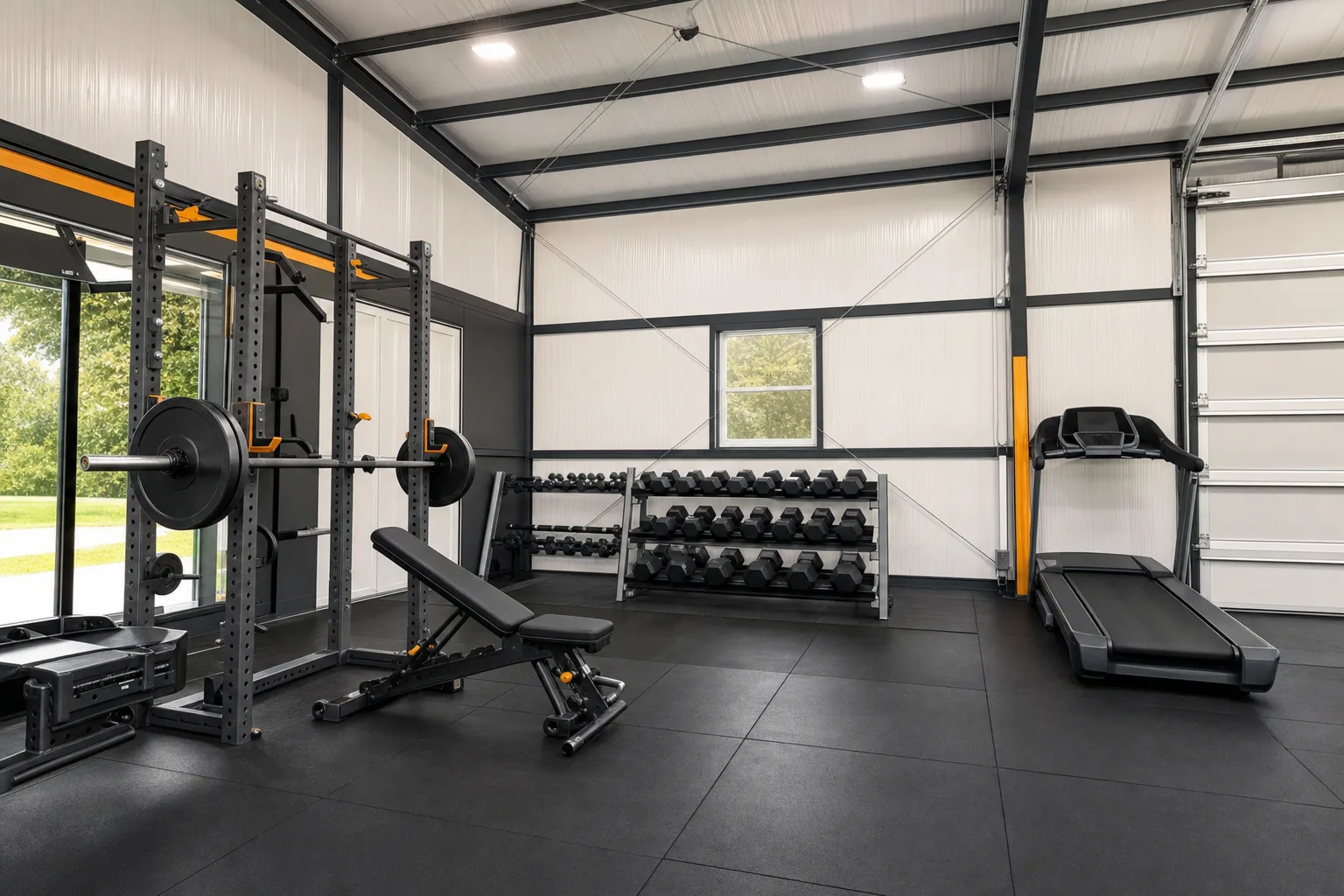
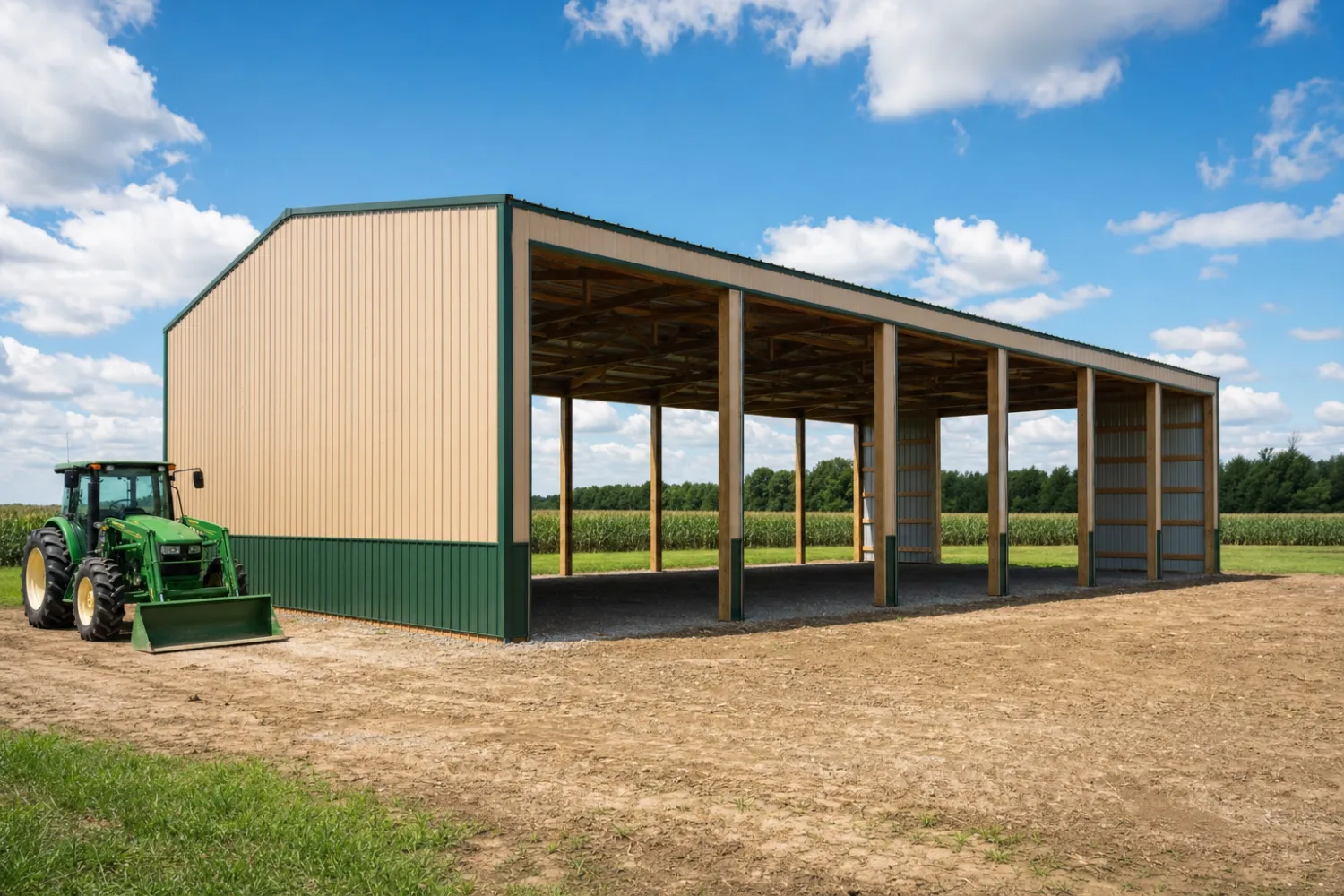
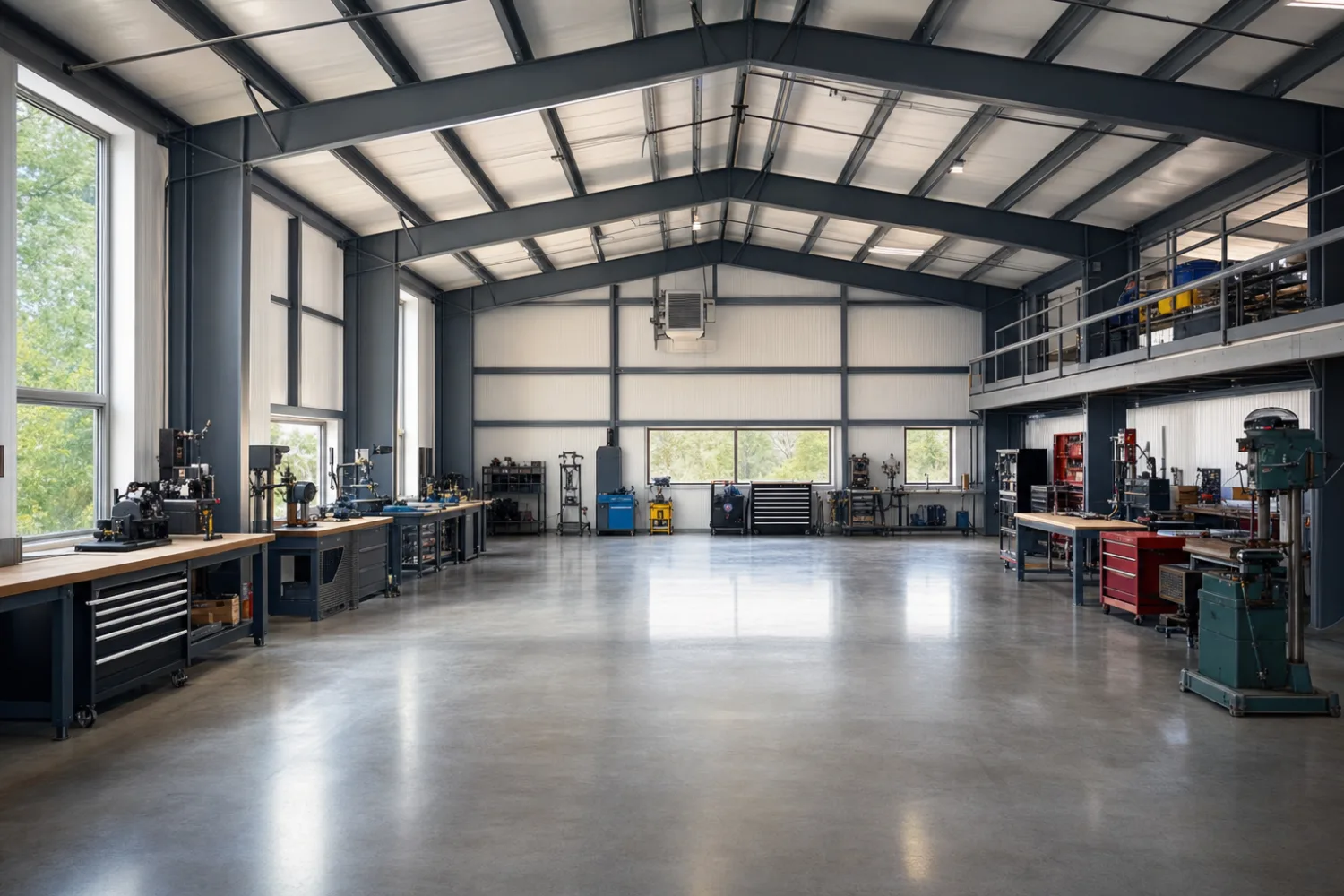
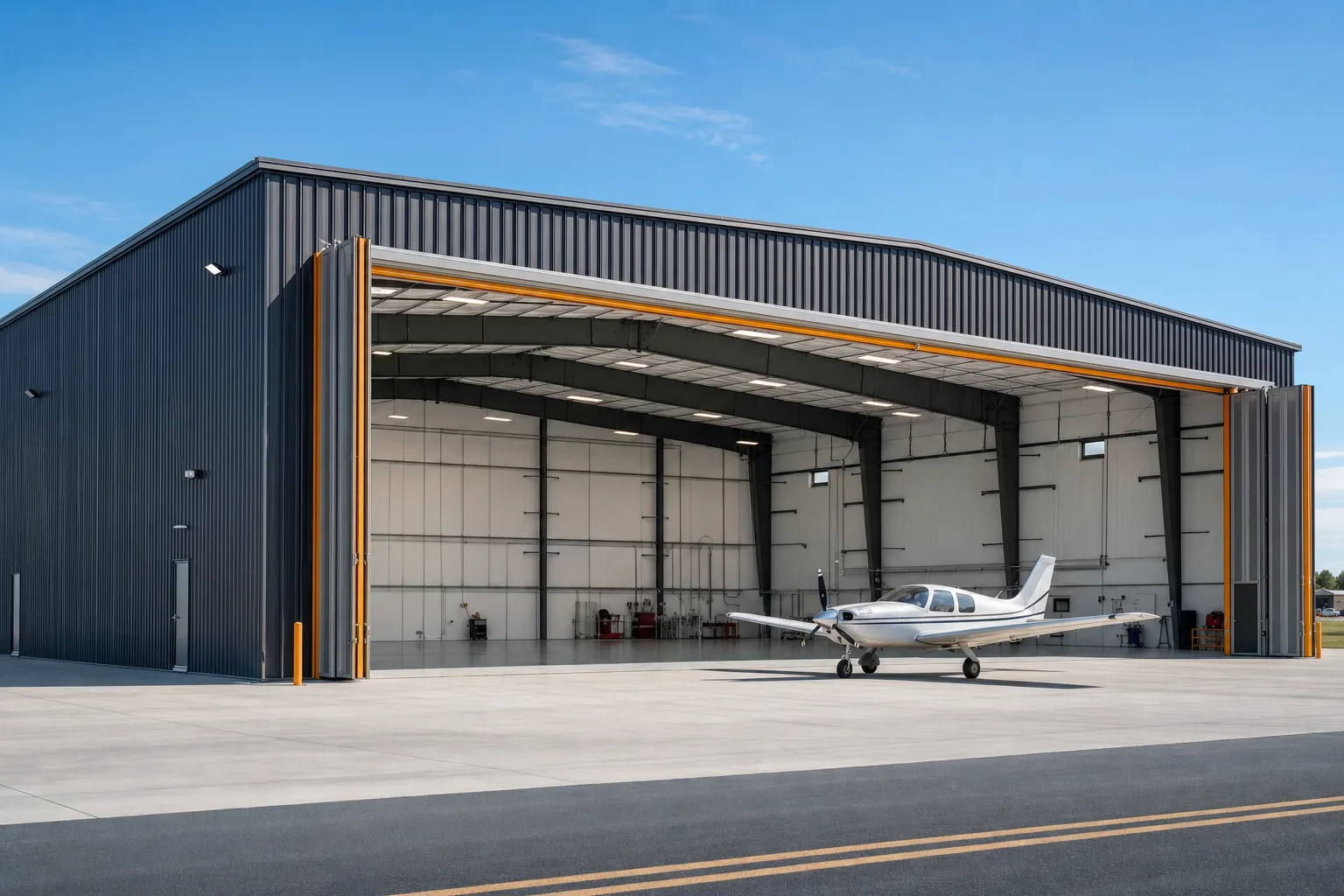
Across North Carolina, owners put up metal shops and workshops, detached garages, agricultural and equipment barns in the rural counties, RV and boat storage near the coast, and a growing number of barndominiums on Piedmont acreage. What you can build, and how close to the property line, comes down to local zoning, so the first call is always to the jurisdiction that covers your address.
In the Charlotte metro, building permits and inspections run through Mecklenburg County Code Enforcement, part of the county Land Use and Environmental Services Agency (LUESA), with the City of Charlotte Development Center handling submittals inside the city ‹confirm›. In the Raleigh area, Wake County and the City of Raleigh Development Services issue permits ‹confirm›. Smaller counties run their own inspections offices; Surry County, for example, requires a permit on any structure 12 feet by 12 feet or larger ‹confirm›. Confirm the office, the fee schedule, and the zoning rules for your exact parcel before you order.
FAQ
North Carolina metal building questions
Do I need a permit for a metal building in North Carolina?
Almost always. Under the North Carolina State Building Code, a detached accessory building with any single dimension greater than 12 feet needs a building permit, and adding electrical, plumbing, or HVAC triggers a permit regardless of size. Commercial structures always need one. Some towns require a permit for every detached structure, so confirm with your local building department.
How big of a building can I build without a permit in NC?
The state exempts a detached accessory structure only when no single dimension exceeds 12 feet, which caps it near 144 square feet and with no utilities. You may still need a zoning or land-use permit for setbacks and HOA rules, and some jurisdictions do not recognize the exemption at all.
Does a 20×20 carport need a permit?
Almost certainly. At 400 square feet a carport is well past the 12-foot exemption and reads as a permanent structure, especially on footings or a slab. Zoning setbacks and any electrical work add their own permit requirements. Check with your county or city inspections office.
Who issues the building permit in North Carolina?
Your county or city inspections department, not the state. North Carolina writes the building code, but permits are issued and inspected locally. In Charlotte that means Mecklenburg County Code Enforcement and the City of Charlotte Development Center; other counties run their own offices.
Do I need engineer-stamped drawings for a metal building in NC?
Usually yes. The state code treats most pre-engineered metal buildings as non-prescriptive, so plan review commonly asks for engineer-stamped, sealed structural drawings sized for your site wind and snow loads. Your manufacturer typically provides them. Confirm the requirement with your local building department.
What wind and snow loads does North Carolina require?
It depends on where you build. Coastal and eastern counties design for high hurricane wind under ASCE 7, while the western mountains carry the heaviest snow loads, and the Piedmont sits in between. There is no single statewide number, so get the exact design values from your jurisdiction and have the building stamped for them.
How much does a building permit cost in NC?
There is no statewide price because fees are set locally. Minor residential permits can run from around $50, while new construction and commercial projects scale higher ‹confirm›. Many counties charge a base fee plus a rate per square foot. Ask your local office for its current fee schedule.
Read next
Keep reading
Compare nearby states and dig into the specs that drive a North Carolina build:
- Metal building kits in Virginia
- Metal building kits in Tennessee
- Metal building kits in Georgia
- Metal building kits in South Carolina
- Metal building permits and codes
- Snow load and wind load explained
- Metal building foundation options
- Metal building insulation
- Metal building kit prices (pillar)
Sources
Sources
Hard values above are flagged for local confirmation. These are the references behind them:
- NC General Statutes 160D-1110, Building permits: ncleg.gov
- NC Dept. of Administration, Metal Building System Guidelines (NCSBC): doa.nc.gov
- 2018 North Carolina State Building Code: Residential Code (ICC): codes.iccsafe.org
- Surry County Inspections, Metal Buildings (12' x 12' permit threshold): co.surry.nc.us
- Mecklenburg County Code Enforcement / City of Charlotte building permits: charlottenc.gov
- Mecklenburg County Land Use & Environmental Services Agency (LUESA): mecknc.gov
- Navigating Metal Building Permits in North Carolina (industry guide): directmetalstructures.com