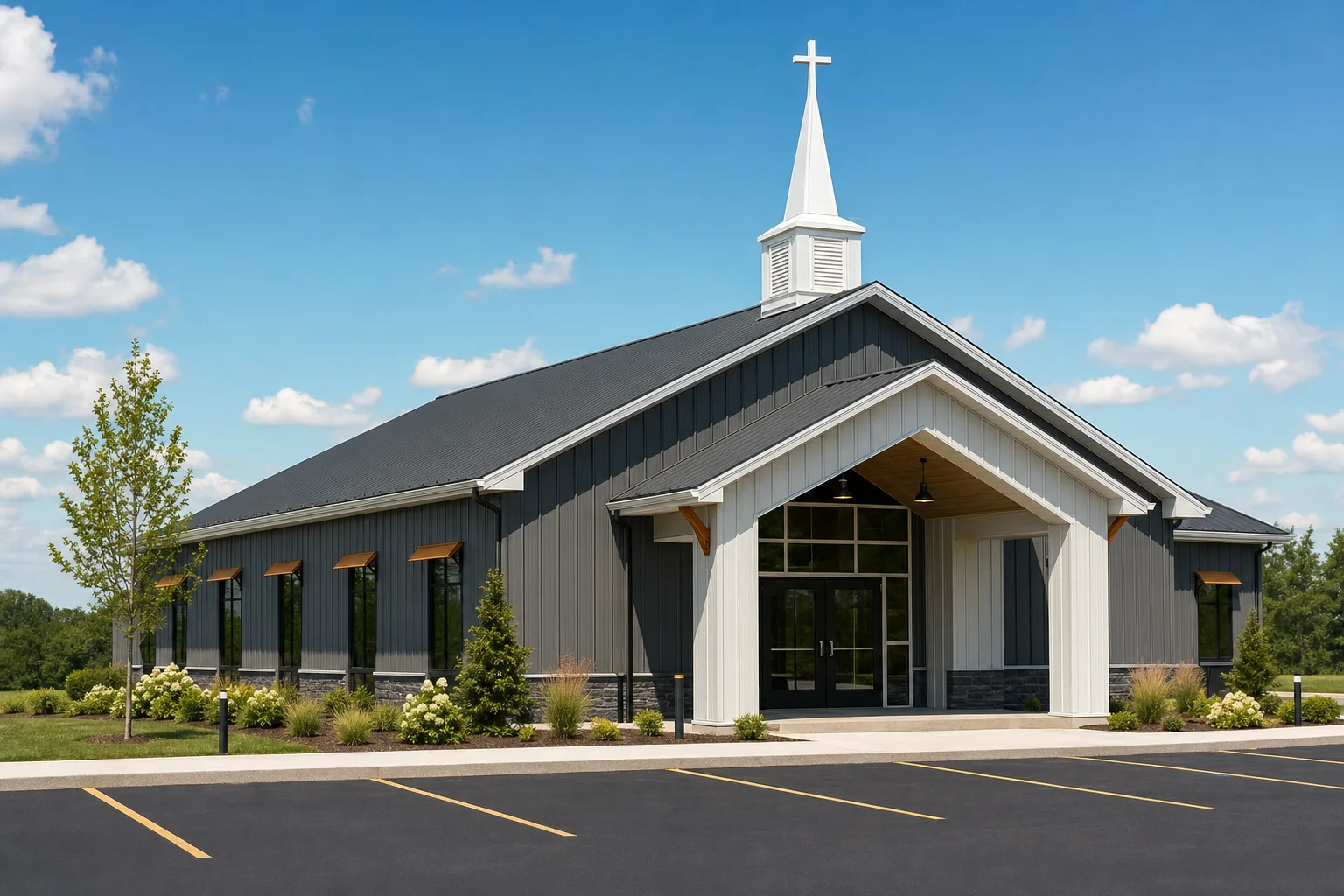
A metal building in Hawaii stands or falls on two forces: wind and salt. The islands sit in the path of strong trade winds and the occasional tropical storm, and the ocean air corrodes bare steel, so every structure has to be engineered for high wind and specified with corrosion-resistant coatings. Snow plays no part at the elevations where people build, which flips the usual mainland priority around.
This guide sits under our metal buildings by state hub. Below you will find how Hawaii handles codes and permits, which loads drive the engineering, what climate asks of your insulation, and what moves the price once steel crosses the Pacific. One fact shapes the rest: Hawaii has no statewide building department, so the four county governments set and enforce the rules that bind your project.
Codes & permits
Hawaii codes and who issues the permit
Hawaii builds to county-adopted versions of the 2018 International Building Code and 2018 International Residential Code ‹confirm›, with each county layering its own amendments on top. The Hawaii State Building Code Council sets a statewide baseline, then Honolulu, Hawaii, Maui, and Kauai counties adopt and modify it for local wind, volcanic, and coastal conditions.
Alongside the building code, the state baseline references the 2020 National Electrical Code, the 2018 Uniform Plumbing Code, the 2018 International Energy Conservation Code, and the 2024 NFPA 1 Fire Code ‹confirm›. Because a metal building in Hawaii has to resist high wind, your plans will almost always need engineered, professionally stamped drawings before a county will approve them ‹confirm›. For the national picture of how these rules fit together, read our guide to metal building permits and codes.
There is no state permit. You apply to the county where the building sits, and the county inspects and signs off. Permit timelines run several weeks once your engineered plans are complete ‹confirm›, and unpermitted work carries stiff penalties, from stop-work orders to daily fines and forced removal. Verify the exact code editions, fees, and timeline with your local building department before you order steel.
The rule that matters
Hawaii’s counties amend the state code for their own hazards, so two islands can ask for different wind ratings, setbacks, or termite measures on the same building. Confirm the adopted edition and local amendments with the county office that will issue your permit, not with a mainland supplier.
Loads
Wind, snow, and seismic loads in Hawaii
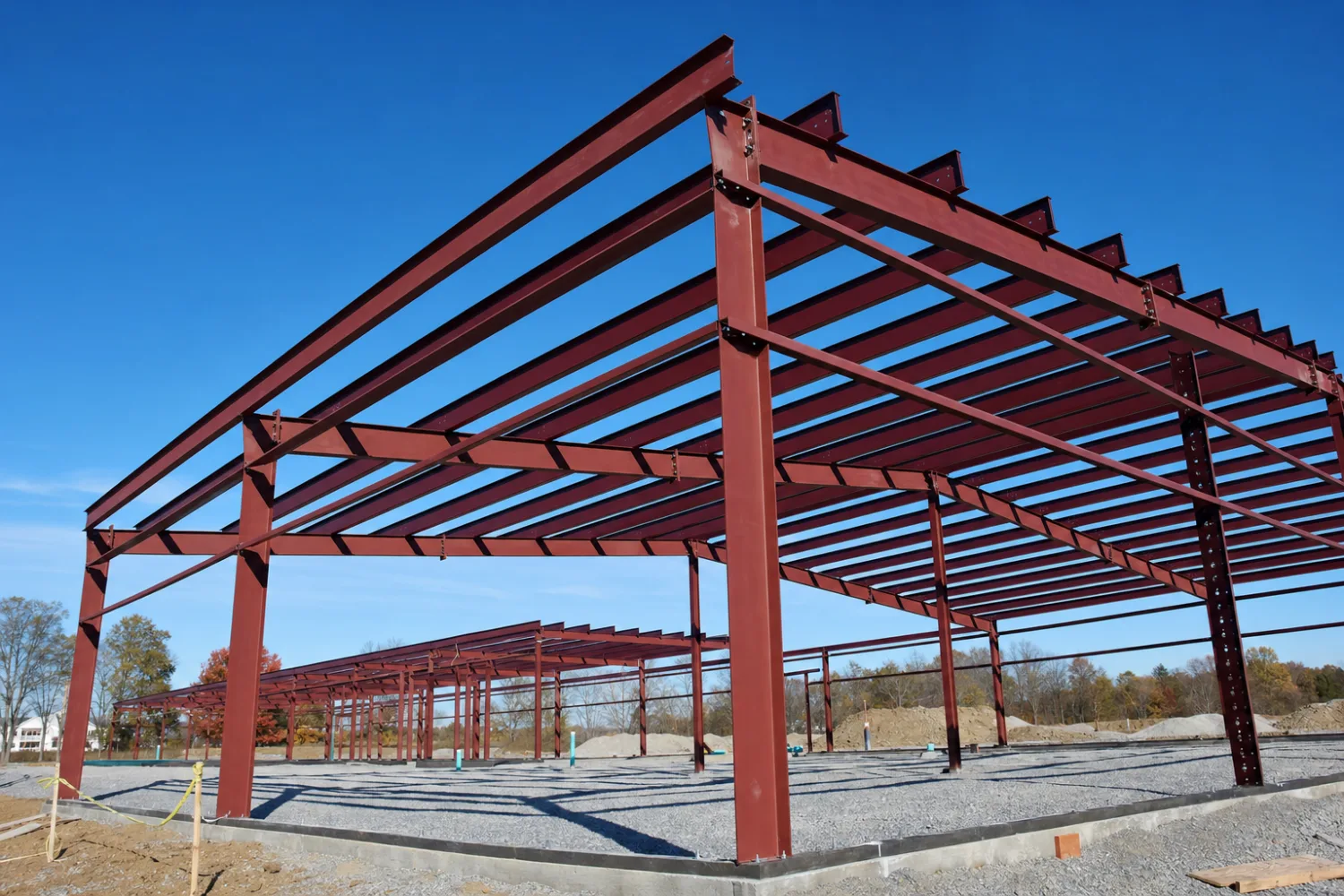
Wind is the load that designs a Hawaii metal building. Exposed coastal sites on Oahu, Maui, and the other islands can require elevated design wind speeds ‹confirm›, and a building near the shoreline also has to fight constant salt corrosion. Snow is effectively zero except on the highest Big Island summits, and seismic demand is real on Hawaii Island because of its volcanic activity ‹confirm›. Treat the figures below as typical ranges and verify the actual design values locally.
| Load type | Typical Hawaii range | Who sets it |
|---|---|---|
| Wind | High; coastal and exposed sites can require elevated design wind speeds ‹confirm› | County building department, via ASCE 7 / IBC |
| Snow | Negligible at buildable elevations; only the tallest summits see snow ‹confirm› | County building department |
| Seismic | Notable on Hawaii Island from volcanic activity; lower elsewhere ‹confirm› | County building department, via IBC |
| Corrosion | High near the coast; specify coastal-grade coatings ‹confirm› | Engineer and manufacturer specification |
Typical ranges only. Your county and engineer set the binding design values for your site.
To see how engineers translate these forces into frame size, anchoring, and bracing, read our explainer on snow load and wind load. The takeaway for Hawaii is plain: pay for the wind rating and the coastal coatings, because that is where a cut corner shows up first.
Climate
Climate and insulation for a humid island
Hawaii sits in IECC climate zone 1A ‹confirm›, a hot and humid band shared by no other state in full. That changes what your insulation has to do. The job is not to trap heat against cold winters; it is to control condensation and block radiant heat so the steel shell does not sweat or turn into an oven.
On a metal building in this climate, a vapor-controlling layer and good ventilation matter more than a high R-value chasing a northern winter. Warm, moist island air meeting cool steel is the classic recipe for drips and rust, so the detailing around the panels carries the load. Our guide to metal building insulation walks through the radiant barriers, vapor layers, and ventilation that suit a humid, coastal build.
Price factors
What drives metal building prices in Hawaii
Hawaii is the most expensive state to land steel in, and geography is the reason. Almost every kit ships from a mainland mill or fabricator, crosses the Pacific by ocean freight, and then moves again by truck on the island, so logistics add a layer that buyers in Texas never see.
Three other drivers stack on top. Island labor and equipment cost more than the mainland average ‹confirm›. The high wind engineering asks for heavier frames and more anchoring than a calm inland site. And coastal corrosion protection, from upgraded coatings to fasteners, adds to the material spec ‹confirm›. Inter-island delivery to Maui, Kauai, or Hawaii Island can cost more than delivery to Oahu, where most freight first lands ‹confirm›. For how these pieces fit a full budget, see our metal building kit prices guide. Treat any figure you see as a dated, illustrative starting point and get a written quote for your island and your wind zone.
Uses & departments
Popular uses and county building departments
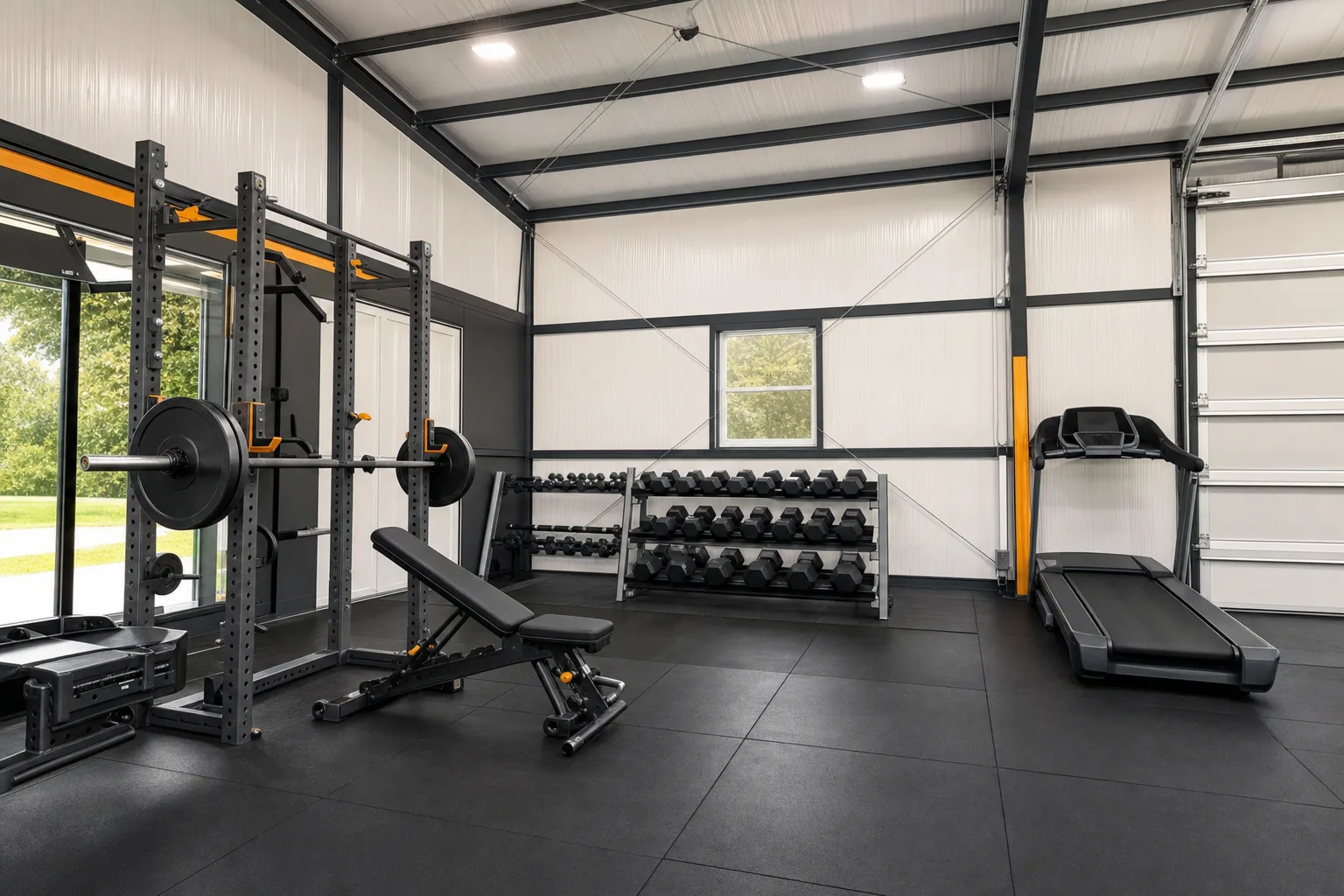
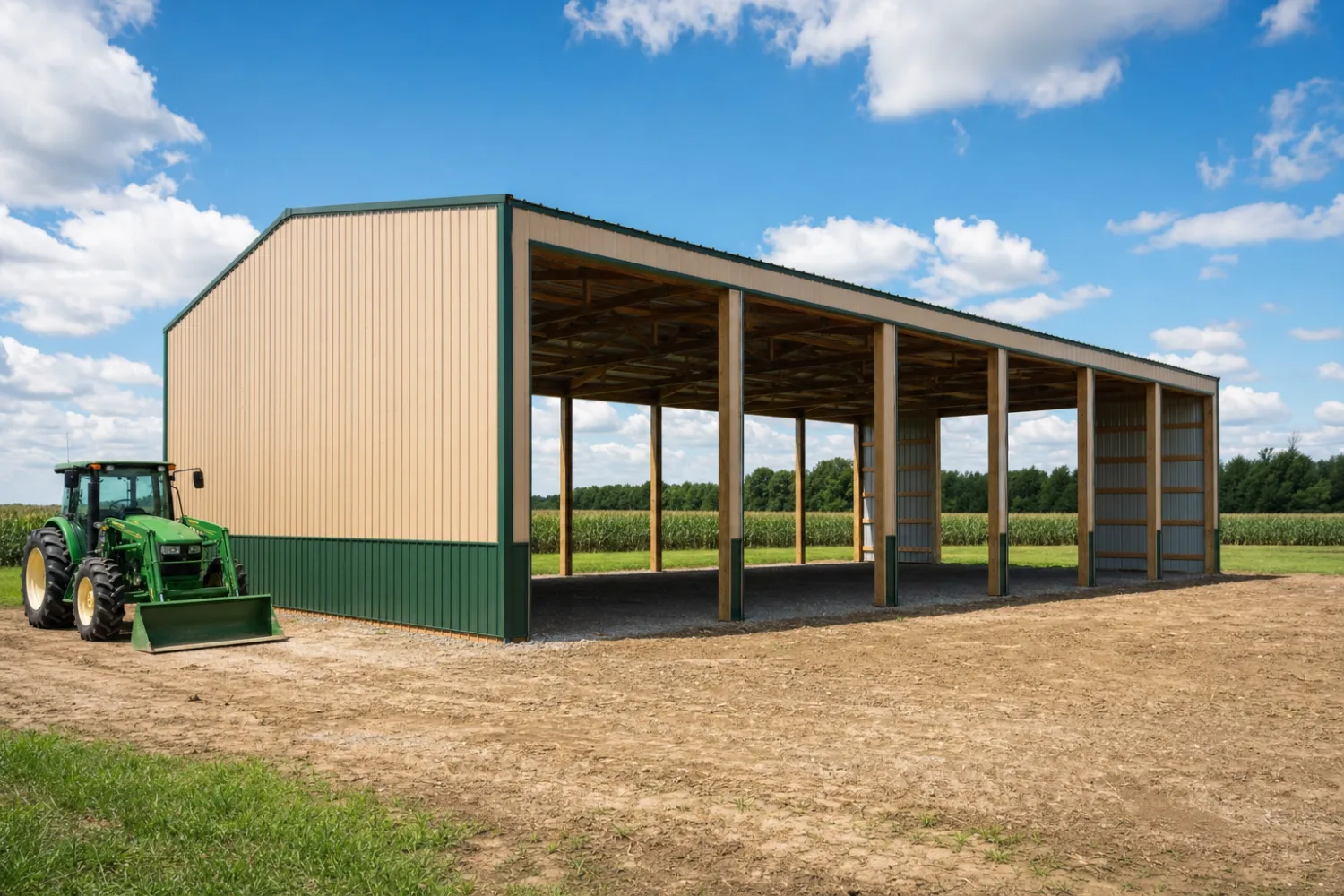
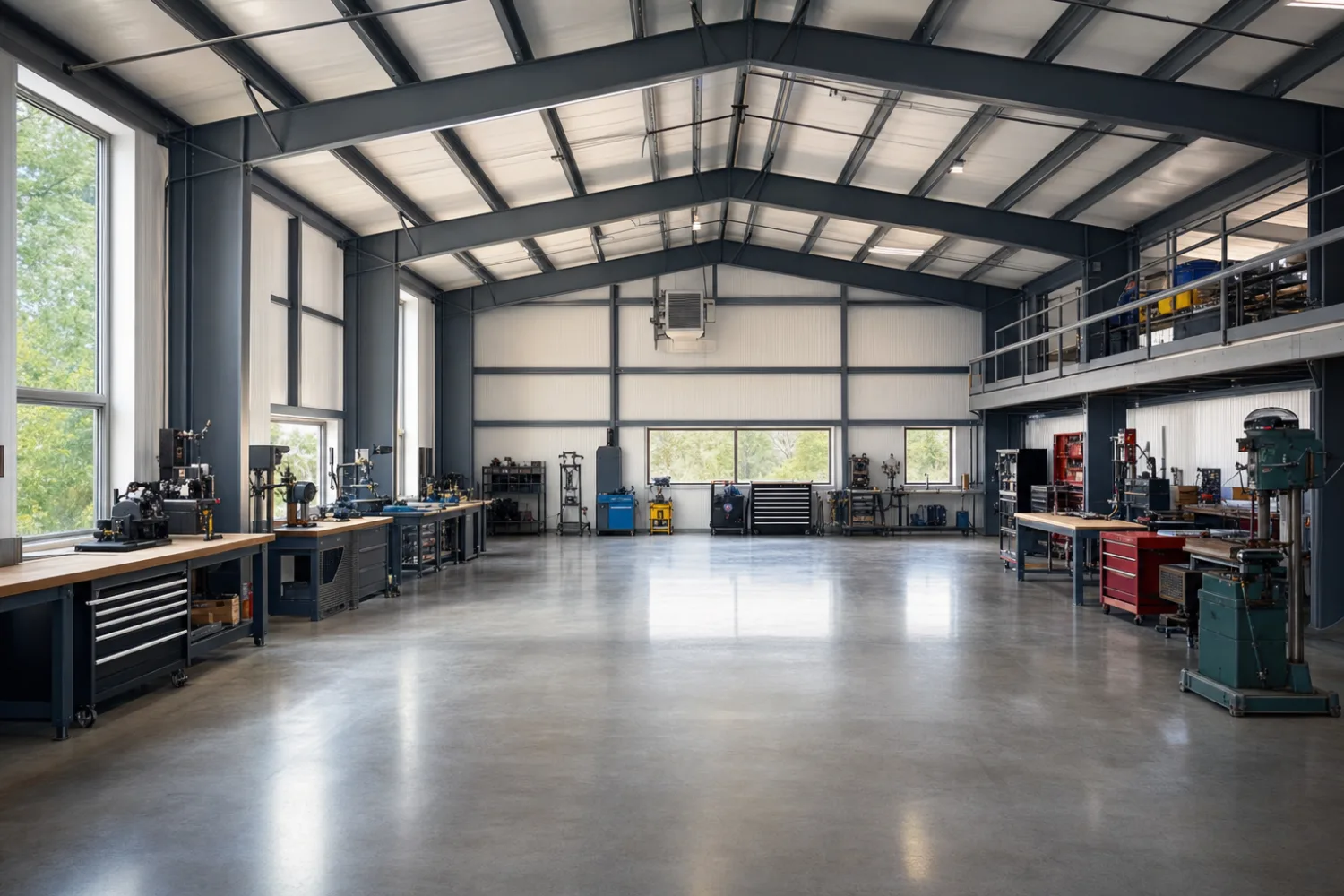
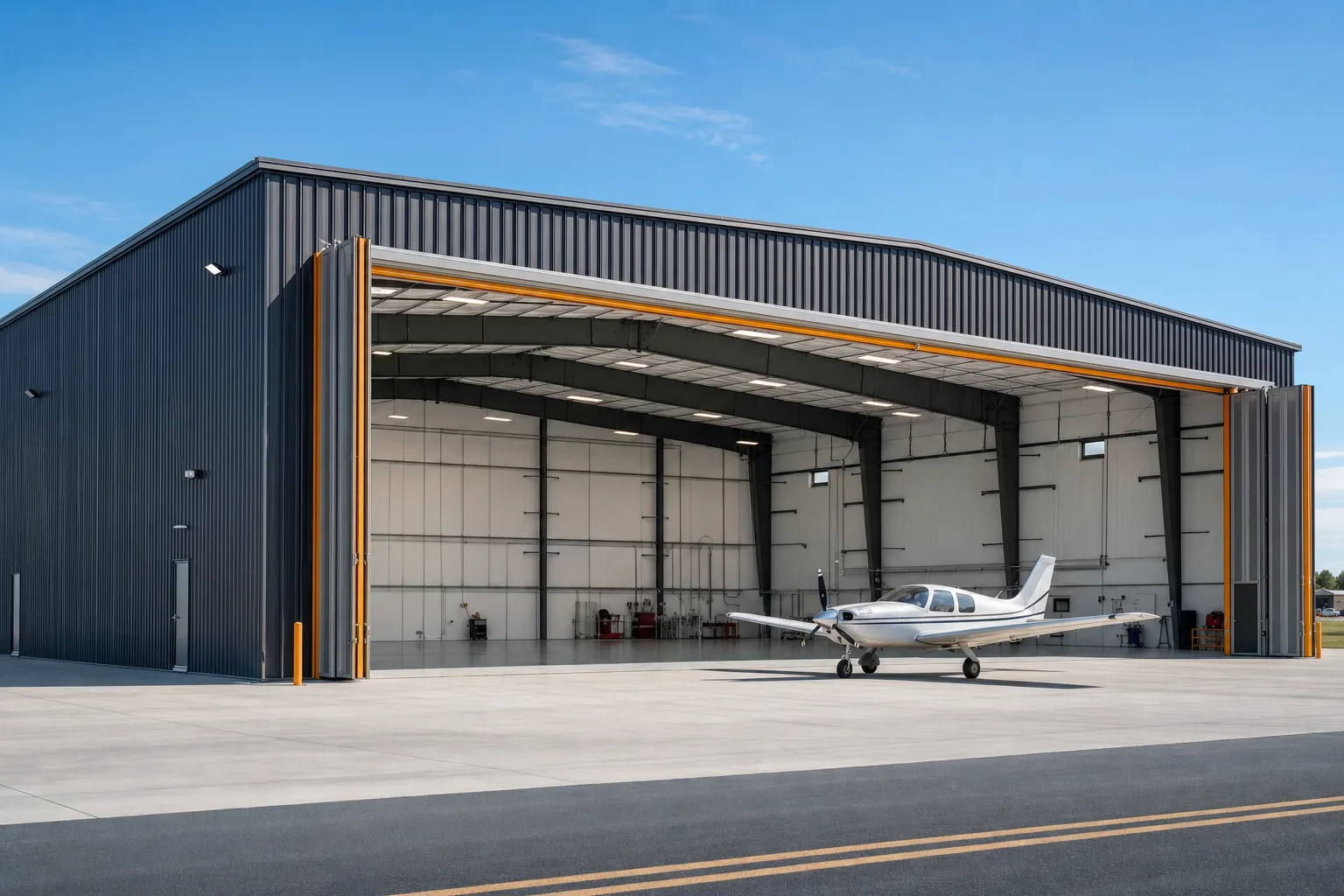
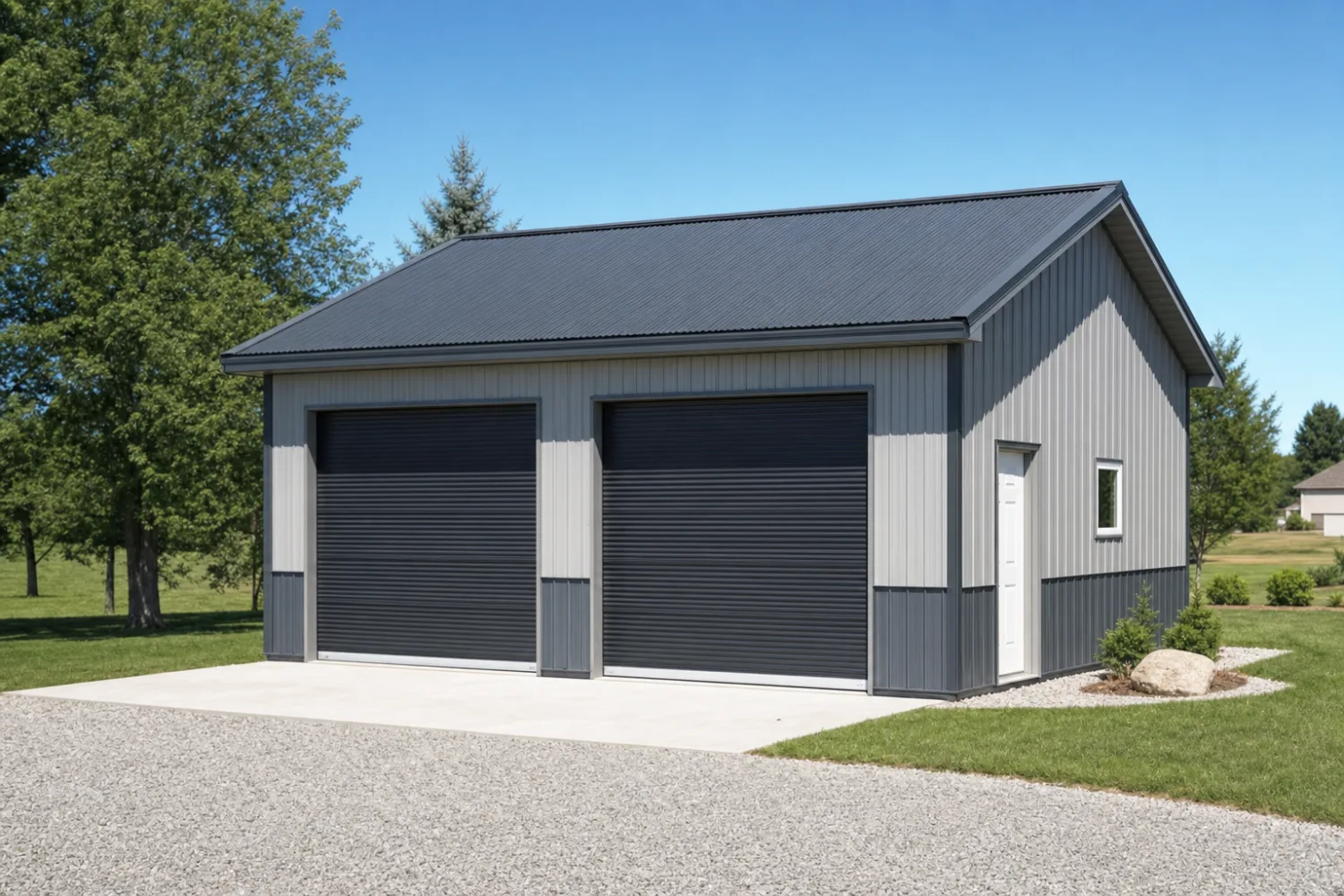
Across the islands, people raise metal buildings for farm and storage use, home workshops, garages, equipment shelters, and small warehouses. Agriculture drives a lot of demand, and Hawaii Revised Statutes 46-88 exempts certain agricultural buildings from permit and code requirements when they are not used as dwellings ‹confirm›. Confirm whether your structure qualifies with your county before you rely on that exemption.
Because permitting is local, here is where each major metro applies ‹confirm›:
- Oahu (Honolulu). City and County of Honolulu Department of Planning and Permitting (DPP), 650 S King St, Honolulu.
- Hawaii Island (Hilo and Kona). County of Hawaii Department of Public Works, Building Division.
- Maui (Kahului and Wailuku). County of Maui Department of Public Works.
- Kauai (Lihue). County of Kauai, Building Division of the Department of Public Works.
Whichever island you build on, the building department for that county is your single source of truth for adopted codes, wind requirements, fees, and inspections. Call them before you finalize a kit.
FAQ
Hawaii metal building questions
What building code does Hawaii use?
Hawaii’s counties build to amended versions of the 2018 International Building Code and 2018 International Residential Code ‹confirm›, set against a statewide baseline from the Hawaii State Building Code Council. The baseline also references the 2020 National Electrical Code, the 2018 Uniform Plumbing Code, the 2018 IECC, and the 2024 NFPA 1 Fire Code ‹confirm›. Each county amends these for local conditions, so confirm the adopted edition with your building department.
Do I need a permit for a metal building in Hawaii?
Almost always, yes. Hawaii’s counties require a building permit for new construction and structural work, and a metal building that has to resist island wind falls squarely inside that. Small, ground-supported accessory structures below a county size threshold can be exempt ‹confirm›, and qualifying agricultural buildings may be exempt under state law, but you should verify your specific structure with the county before assuming any exemption.
Who issues building permits in Hawaii?
The county, not the state. Hawaii has no statewide building department, so you apply to the county where the building sits. On Oahu that is the City and County of Honolulu Department of Planning and Permitting; on the other islands it is the county Department of Public Works building division.
What happens if you build without a permit in Hawaii?
County code enforcement can issue a stop-work order, levy daily fines, and in serious cases require you to remove the structure. Unpermitted work also complicates insurance and any future sale or refinance. If the build meets current code, a county may allow a retroactive permit, usually with an added penalty fee ‹confirm›. Permitting first is the cheaper path.
How are wind loads handled for Hawaii metal buildings?
Wind is the governing load. Your engineer designs the frame, anchoring, and bracing to the design wind speed your county adopts under ASCE 7 and the IBC, and coastal or exposed sites can carry higher numbers ‹confirm›. This is why a Hawaii kit almost always needs engineered, stamped plans. Confirm the exact design wind speed for your parcel with the local building department.
Are agricultural metal buildings exempt from permits in Hawaii?
Hawaii Revised Statutes 46-88 exempts certain agricultural buildings and structures from building permit and building code requirements when they are not used as dwellings or lodging ‹confirm›. The details and how each county applies the exemption vary, so confirm eligibility with your county before you skip the permit.
How long does a building permit take in Hawaii?
Plan on several weeks once your engineered plans are submitted, and longer if your site needs a Special Management Area or floodplain review ‹confirm›. Timelines vary by county and by how busy the office is. Ask your building department for its current processing time before you commit to a build schedule.
Read next
Keep reading
Compare nearby states and dig into the topics that decide a Hawaii build:
- Metal building kits in California
- Metal building kits in Oregon
- Metal building kits in Washington
- Metal building kits in Nevada
- Metal building permits and codes
- Snow load and wind load explained
- Metal building foundation options
- Metal building insulation
- Metal building kit prices
Sources
Sources
- Hawaii State Building Code Council (DAGS), Building Code Rules: https://ags.hawaii.gov/bcc/building-code-rules/
- UpCodes, Hawaii Building Codes: https://up.codes/codes/hawaii
- City and County of Honolulu, Department of Planning and Permitting: https://www.honolulu.gov/dpp/
- County of Hawaii, Residential Building Permit Guidelines (PDF): https://records.hawaiicounty.gov/weblink/1/edoc/66644/Residential%20Building%20Permit%20Guidelines.pdf
- Hawaii Revised Statutes Section 46-88, agricultural building exemption (via Maui County MAPPS): https://www.mauicounty.gov/2585/MAPPS