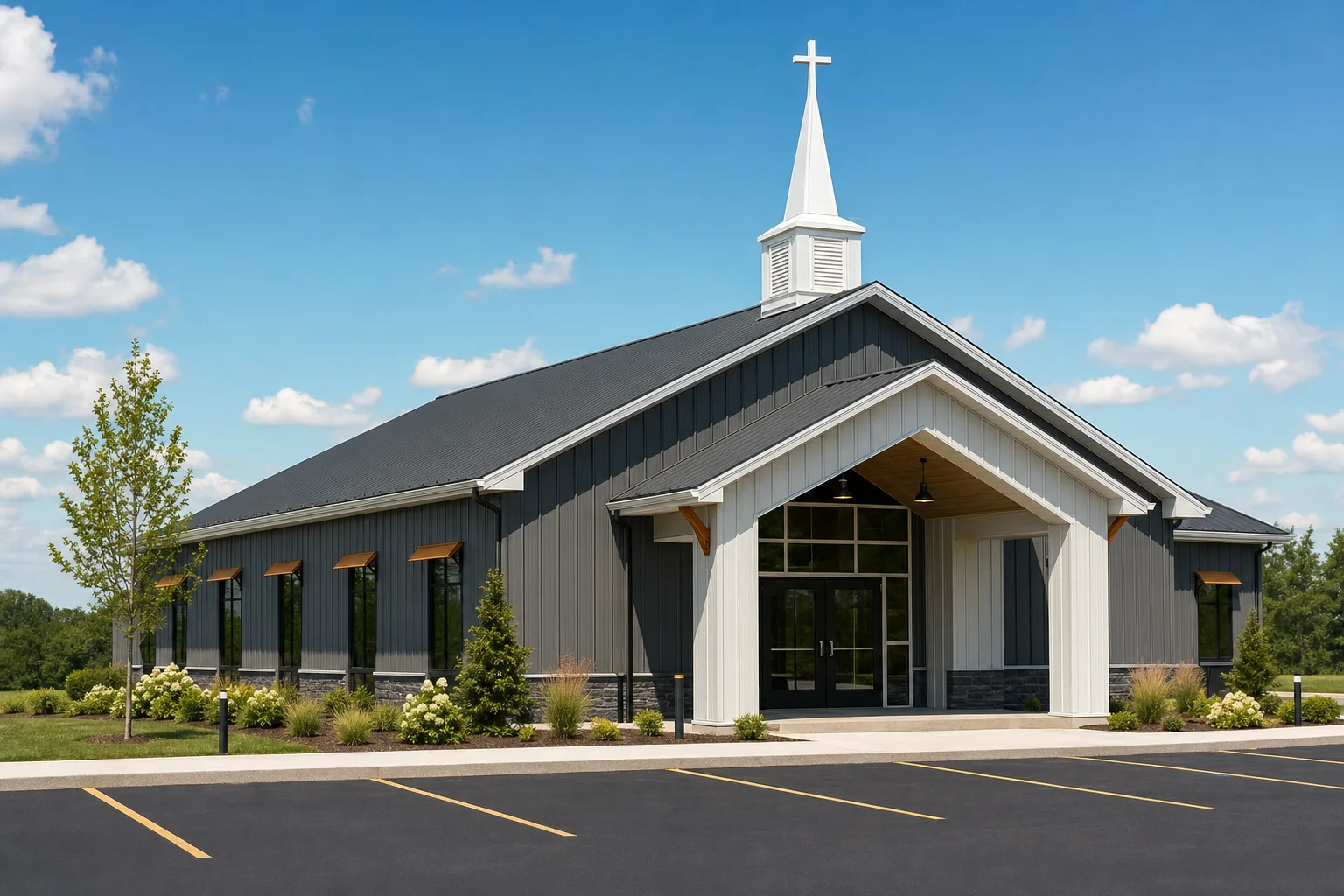
Yes, metal building kits are worth it for most buyers who want a durable, wide-open building for less than stick-built construction. A kit ships pre-engineered and pre-cut, so you pay less labor, raise it faster, and end up with a steel shell that resists fire, rot, termites, and decades of weather. Where a kit stops being worth it is a small, oddly shaped, or heavily finished building, where the savings shrink and a contractor or a pole barn can match the price.
This page is the deep answer to a question our metal building kits pillar and several silo guides touch on briefly. Below is where the value comes from, the cases where a kit is the wrong call, and how the numbers compare, so you can judge it for your own project instead of a sales pitch.
The value
Where a metal building kit earns its money
A kit is worth it because most of the cost and risk of a building is the labor and the surprises, and a pre-engineered kit removes a lot of both. The steel arrives cut, punched, and marked to a stamped drawing, so a small crew bolts it together instead of a framing crew building it from scratch.
- Lower labor. Bolt-together framing goes up in days, not weeks, and many buyers raise small kits themselves, which is the biggest single saving over a built-on-site structure.
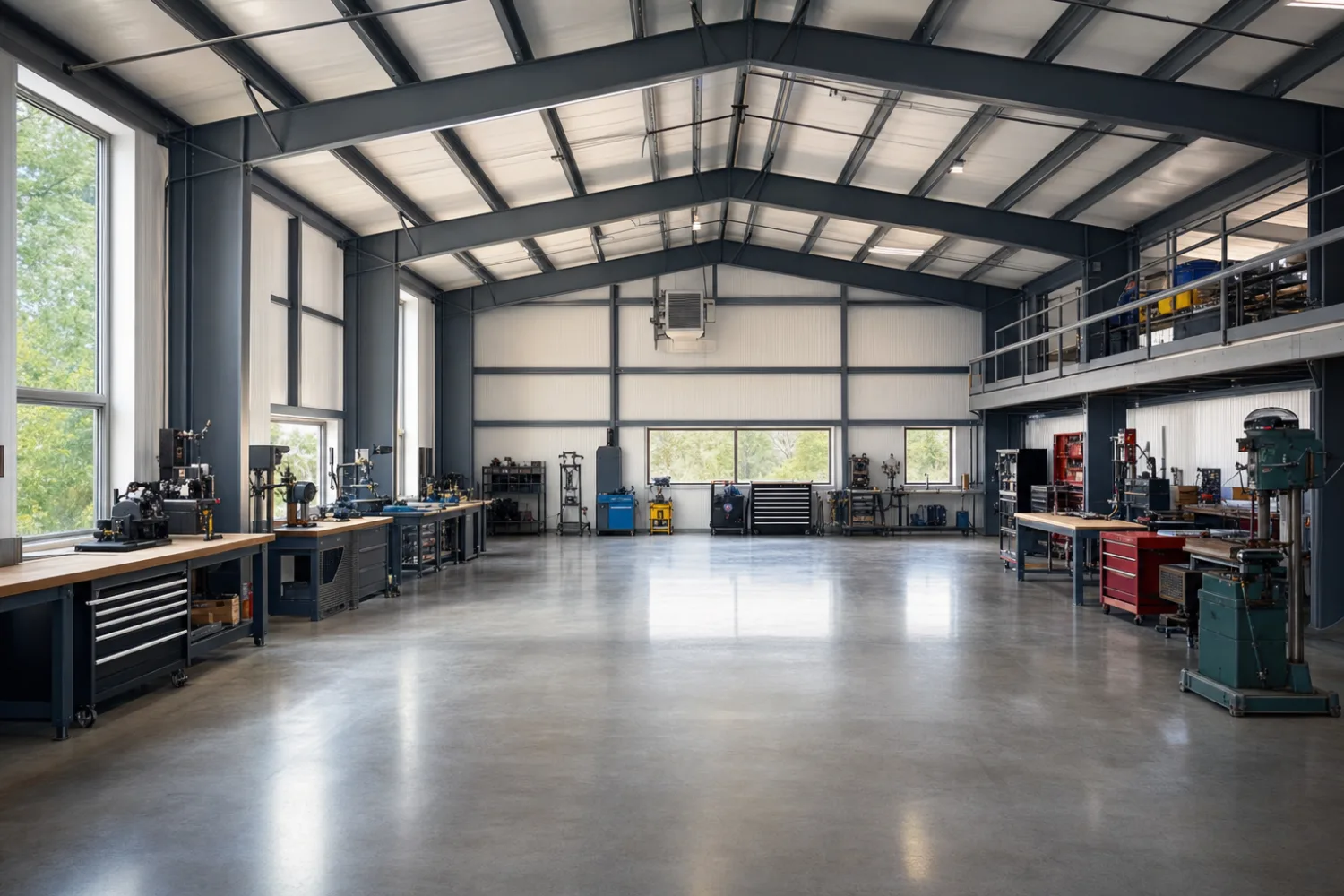
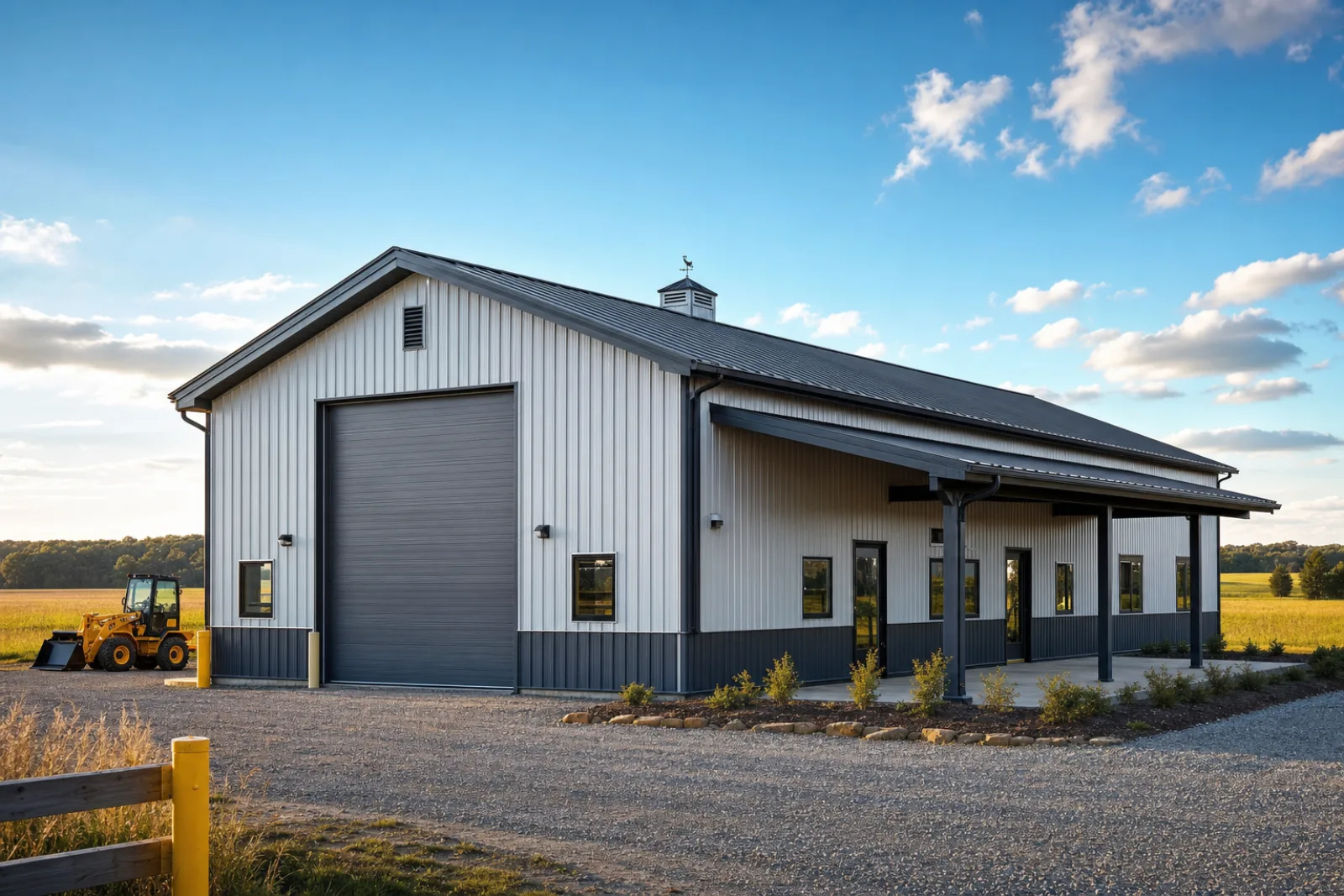
- Clear span. A steel frame opens wide with no interior posts, so a shop or barn uses every square foot. That span is hard and costly to match in wood.
- Durability. Steel does not rot, warp, or feed termites, and a well-coated building shrugs off weather for decades. That is a large part of how long metal buildings last.
- Fewer surprises. The kit is engineered to one price for one set of loads, so the quote you accept is close to the steel you get.
The catch is that the kit is the shell, not the finished building. Foundation, delivery, anchoring, and any insulation or interior finish sit outside the kit price, so the worth of a kit depends on counting those in. Our common buying mistakes guide walks the line items people forget.
The exceptions
When a kit is not worth it
A kit stops being the value play on small, complex, or heavily finished buildings, where steel loses its labor edge. Be honest about which one you are building before you assume a kit wins.
- Tiny footprints. On a small shed or single carport, the engineering and freight are a big share of the price, so the per-foot saving thins out.
- Heavily finished interiors. If you are framing out offices, drywall, and full insulation, the finish cost dwarfs the shell, and the kit advantage fades.
- Tight or irregular lots. Hard access, no room for delivery, or odd shapes can add cost that a site-built option avoids.
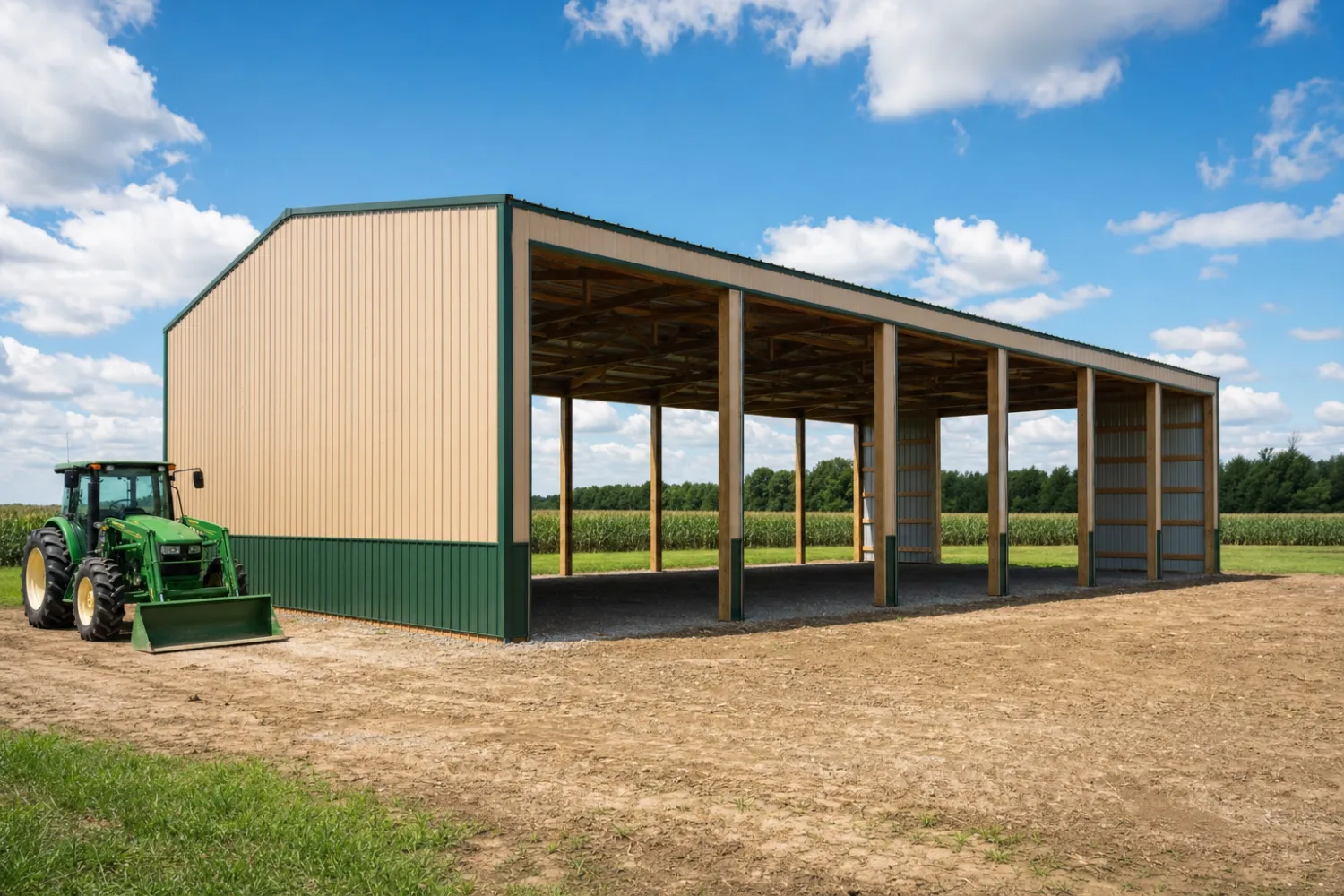
- Pure agricultural cover. For open, low-load farm use, a pole barn can come in cheaper, which is the real question in metal building kits vs pole barns.
Cost
How the value compares to the alternatives
Against the common alternatives, a kit usually wins on shell cost and speed and loses a little on finish flexibility. These are dated 2026 illustrative ranges, not quotes, and your site and loads move them.
| Option | Relative shell cost | Build speed | Best when |
|---|---|---|---|
| Steel building kit | Low to moderate ‹confirm› | Fast (days to weeks) | Wide-span, durable shop, garage, or barn |
| Stick-built (wood) | Higher ‹confirm› | Slow (weeks) | Heavily finished or custom-look buildings |
| Pole barn | Low ‹confirm› | Fast | Open agricultural cover, light loads |
| General contractor build | Highest ‹confirm› | Slow | Turnkey, no DIY, complex finish |
Illustrative comparison only. Add foundation, delivery, and finish to any shell number before you judge value.
The fuller cost picture, including foundation and delivery, lives in the metal building kit prices pillar and the kits vs stick-built comparison. Read the shell price next to the all-in number, because a low kit price with a heavy foundation is not the bargain it looks like.
The honest test
A kit is worth it when you want a large, durable, low-maintenance building and you can pour a slab and either raise it or hire a short crew. If you are after a small, fully finished, custom-styled space, price a kit against a contractor before you commit.
Get it right
How to make sure your kit is worth it
The value is real, but only if the kit is specified for your site and the quote is complete. Most regret traces to a thin spec, not to steel.
- Match the loads. Confirm the building is stamped for your local snow and wind loads, not a generic rating, or it is not the deal it seems.
- Count the whole project. Add foundation, anchoring, delivery, and finish to the shell. The buying mistakes guide lists the costs that ambush first-time buyers.
- Read the spec, not the headline price. Two quotes at the same number can hide different steel, gauges, and inclusions.
Related
Read more
Keep going with the guides that decide whether a kit is worth it for you:
- Metal building kits: the complete guide (the parent pillar).
- Common metal building buying mistakes (the costs people miss).
- How long do metal buildings last? (the durability behind the value).
- Metal building kits vs stick-built and vs pole barns (the head-to-head value calls).
- Metal building kit prices (the cross-silo cost breakdown).