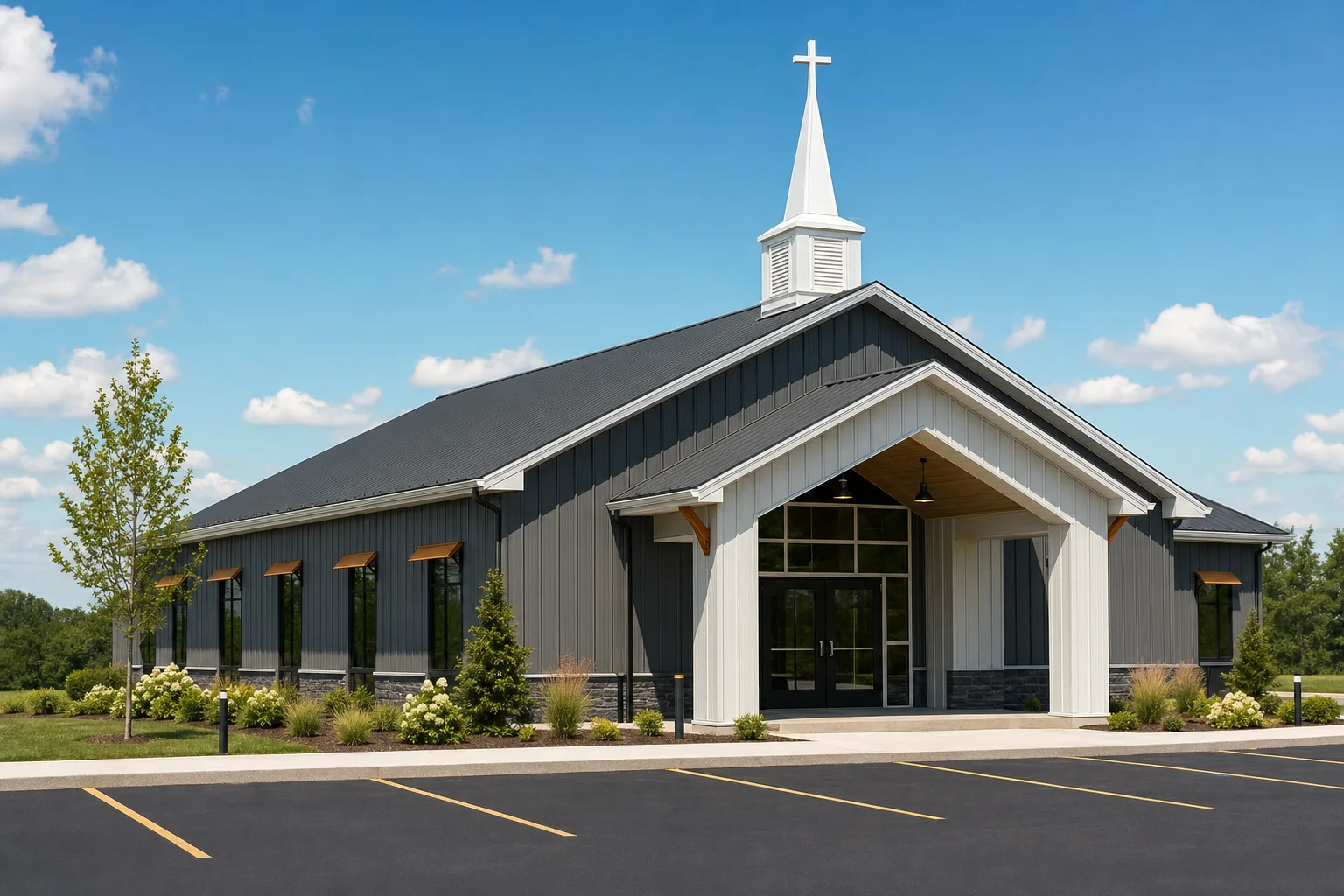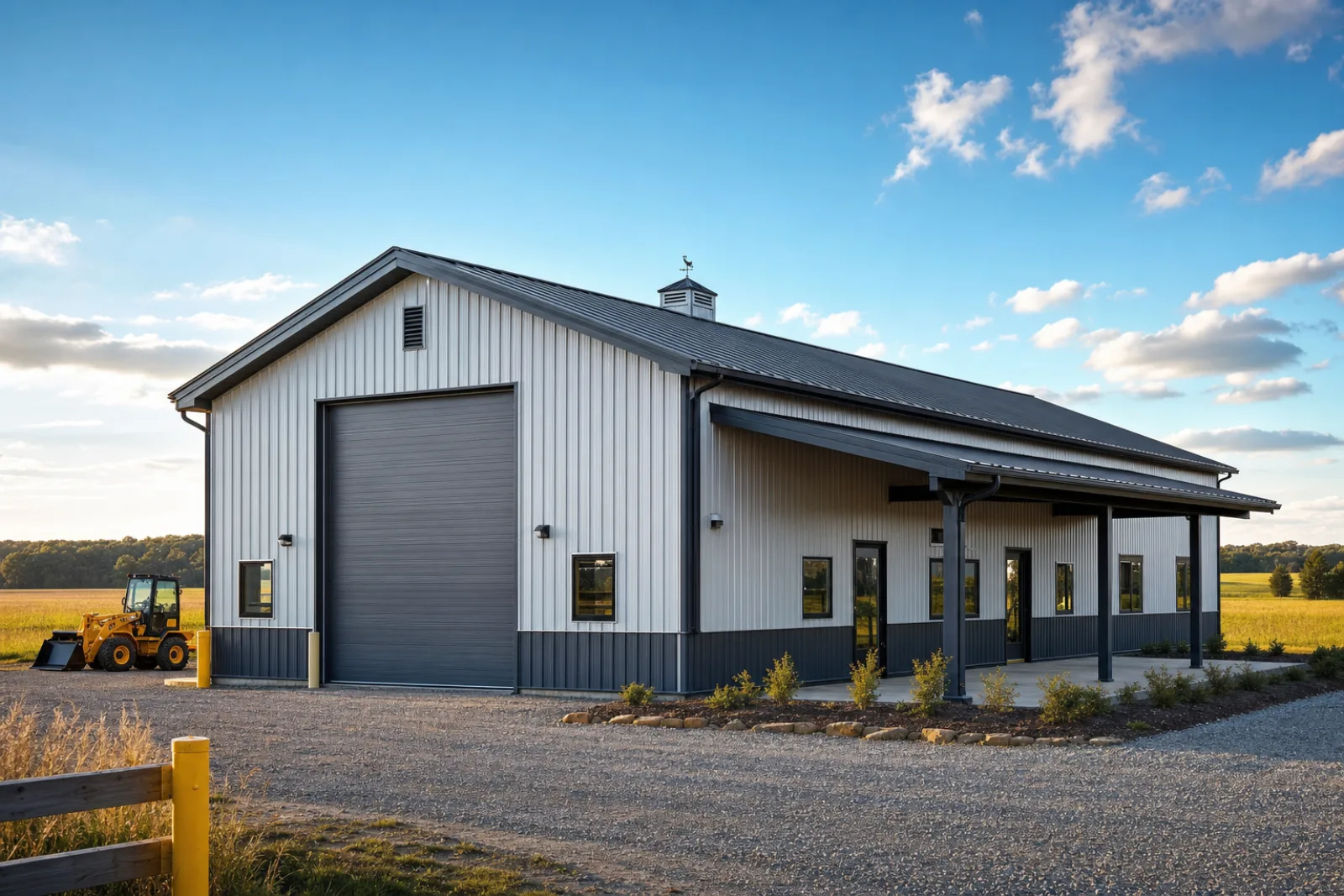
Two things decide a metal building in Idaho before you pick a color: snow and your local jurisdiction. Idaho enforces a statewide baseline of International Codes, but your city or county issues the permit and sets the snow numbers your frame has to carry. A kit stamped for the Treasure Valley desert floor is a different building than one stamped for the panhandle or a mountain valley that buries fence posts every winter.
This guide sits under our metal buildings by state pillar and covers what changes when you build with metal building kits in Idaho: how the statewide code works with local permitting, the snow, wind, and seismic loads your drawings have to meet, the cold-climate insulation that keeps the building usable, what moves price here, and the real building departments around Boise. Every hard value below carries a confirm flag, because loads and permits are set by your local jurisdiction, not handed down as one statewide number.
Codes & permits
Permits and codes in Idaho: statewide code, local permits
Idaho adopts a statewide set of building codes, then leaves the permit and the inspection to your local city or county building department. The state has historically adopted the International Building Code and International Residential Code, with the 2018 editions in wide use, plus Idaho amendments ‹confirm›. The Idaho building-safety program writes the statewide rules, but you apply for the permit, and any permanent structure needs one in nearly every jurisdiction ‹confirm›.
The common threshold to remember is square footage. Many Idaho jurisdictions require a building permit once a structure passes roughly 200 square feet, so a small storage shed can be exempt while a real shop or garage is not ‹confirm›. A handful of rural counties, including Idaho, Bonner, and Boundary counties, do not issue county building permits or perform structural inspections in their unincorporated areas, though cities inside those counties run their own departments and the state still controls electrical, plumbing, and septic work ‹confirm›. The edition that applies to you is a local question, so confirm it with your building department before you order steel.
Stamped drawings are the norm here. Idaho building departments generally require construction documents signed and sealed by a Professional Engineer licensed in Idaho, and your manufacturer usually supplies them with the kit ‹confirm›. The engineer proves the structure meets your site’s snow and wind numbers, which is why the stamp and the loads travel together. For the full walk-through, read our permits and codes guide, then verify the edition and the stamp rule with your local building department.
No county permit is not no rules
Even in a county that skips structural permits, you still answer to zoning, setbacks, flood-plain limits, and any HOA covenants, and state inspectors still cover electrical, plumbing, and septic ‹confirm›. Skipping a permit where one is required can bring a stop-work order, fines that often run double or triple the permit fee, and trouble with insurance or a future sale. Check first, every time.
Loads
Snow, wind, and seismic loads for Idaho
Snow is the design driver across most of Idaho, and elevation and region set the number. Ground snow load is light on the Treasure Valley floor near Boise and climbs hard into the panhandle, the central mountains, and the high eastern valleys, so a single footprint can carry several times the snow load from one site to the next ‹confirm›. Wind is moderate across much of the state, while seismic demand is real in central Idaho, which sits on an active fault belt that produced one of the largest modern earthquakes in the lower 48 ‹confirm›. No statewide number applies, so treat the ranges below as a starting point and confirm the exact values with your jurisdiction.
| Load type | Typical Idaho range ‹confirm› | Who sets it |
|---|---|---|
| Snow | Light in the Treasure Valley, far heavier in the panhandle, central mountains, and high valleys | Local building department, by elevation and region |
| Wind | Moderate across most of the state | Local building department |
| Seismic | Low to moderate statewide, higher in the central Idaho fault belt | Local building department |
Illustrative ranges only. Your stamped drawings must match the values your jurisdiction enforces.
Ground snow load is the first number to pin down, because it drives rafter size, frame spacing, and roof pitch. A building stamped for a panhandle or mountain site carries far more steel than the same footprint in the valley, and that capacity is the point, not an upsell. To see how these numbers translate into the frame, read how snow and wind loads work, then ask your supplier to stamp the drawings for your county’s ground snow load and your site’s elevation.
Climate
Climate and insulation in Idaho
Idaho is a cold, dry climate for most of the year, which makes holding heat the first job of insulation, not fighting humidity. The state spans IECC climate zones 5 through 7, with Boise and the Treasure Valley in the milder end and the mountains and panhandle at the cold end ‹confirm›. Long heating seasons and big day-to-night temperature swings are the conditions to design for.
In that climate you weight the package toward R-value: a deeper insulation system in the roof and walls keeps a heated shop or barndominium affordable to run through a long winter. Dry air makes summer condensation less of a worry than it is in the humid South, but a heated building in cold country still needs a vapor retarder and clean detailing so warm indoor air does not sweat on cold steel. Plan the insulation with the shell, not after it. Our metal building insulation guide covers the assemblies that hold heat and the detailing that keeps a cold-climate building dry.
Price
What moves the price in Idaho
Idaho sits inland and away from the coastal steel mills, so freight is a real line on a kit, and a remote mountain or panhandle site adds delivery and crane access on top of that ‹confirm›. The bigger swings, though, come from snow rating, foundation, and elevation.
A high ground snow load adds steel and engineering, so an identical building costs more in a mountain county than on the valley floor. Foundation is the other variable: deeper frost protection in cold ground raises the slab or pier cost before the building goes up. A fully installed 40×60 building with a slab commonly lands somewhere in the $55,000 to $105,000 range depending on site work, snow rating, finish, and local permitting, while a bare DIY kit can start near $25,000 ‹confirm›. Treat those as dated 2026 illustrative figures, not a quote. For how the line items stack up, see our metal building kit prices pillar, and price the foundation as its own number.
Metros & uses
Popular uses and Boise-area building departments
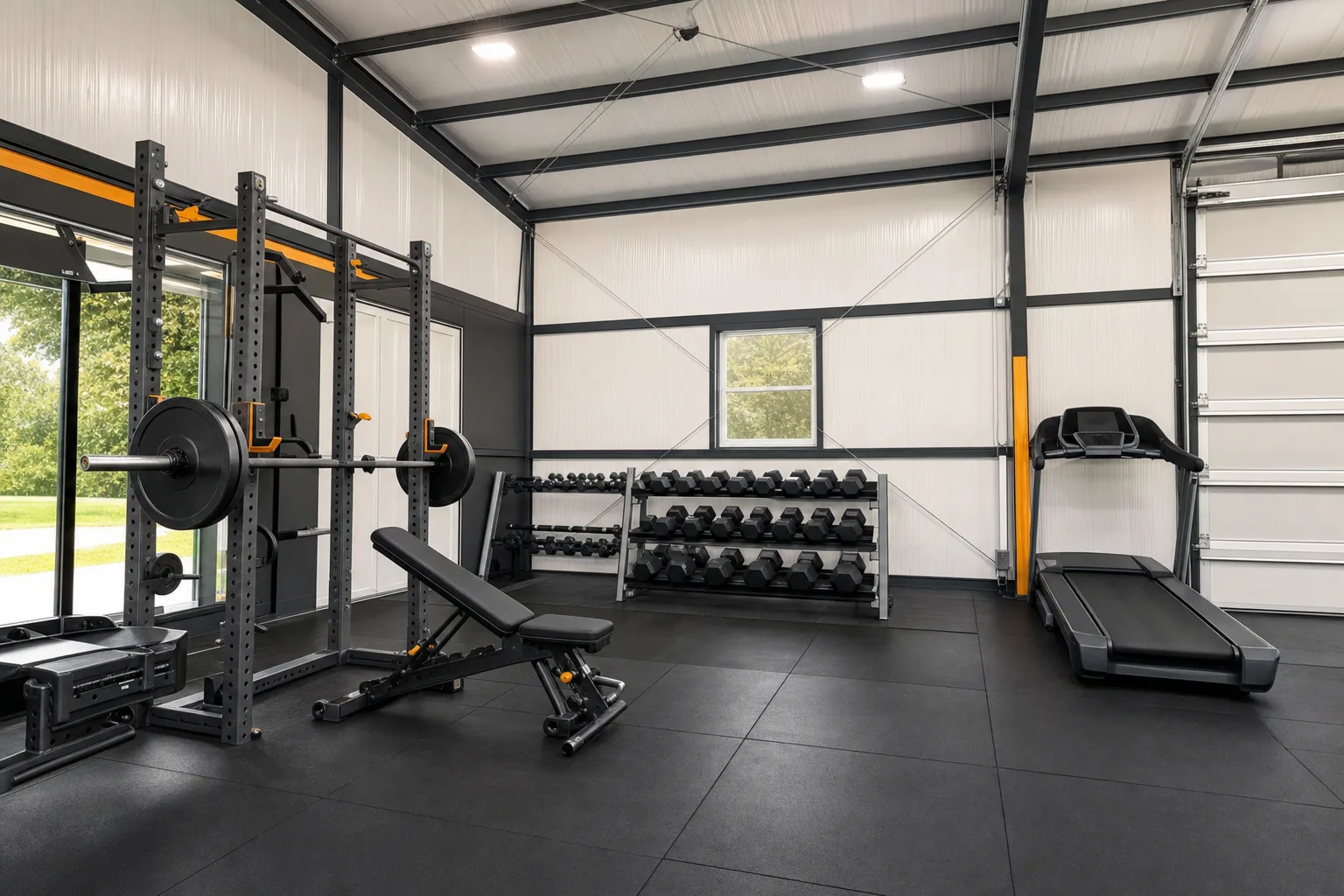
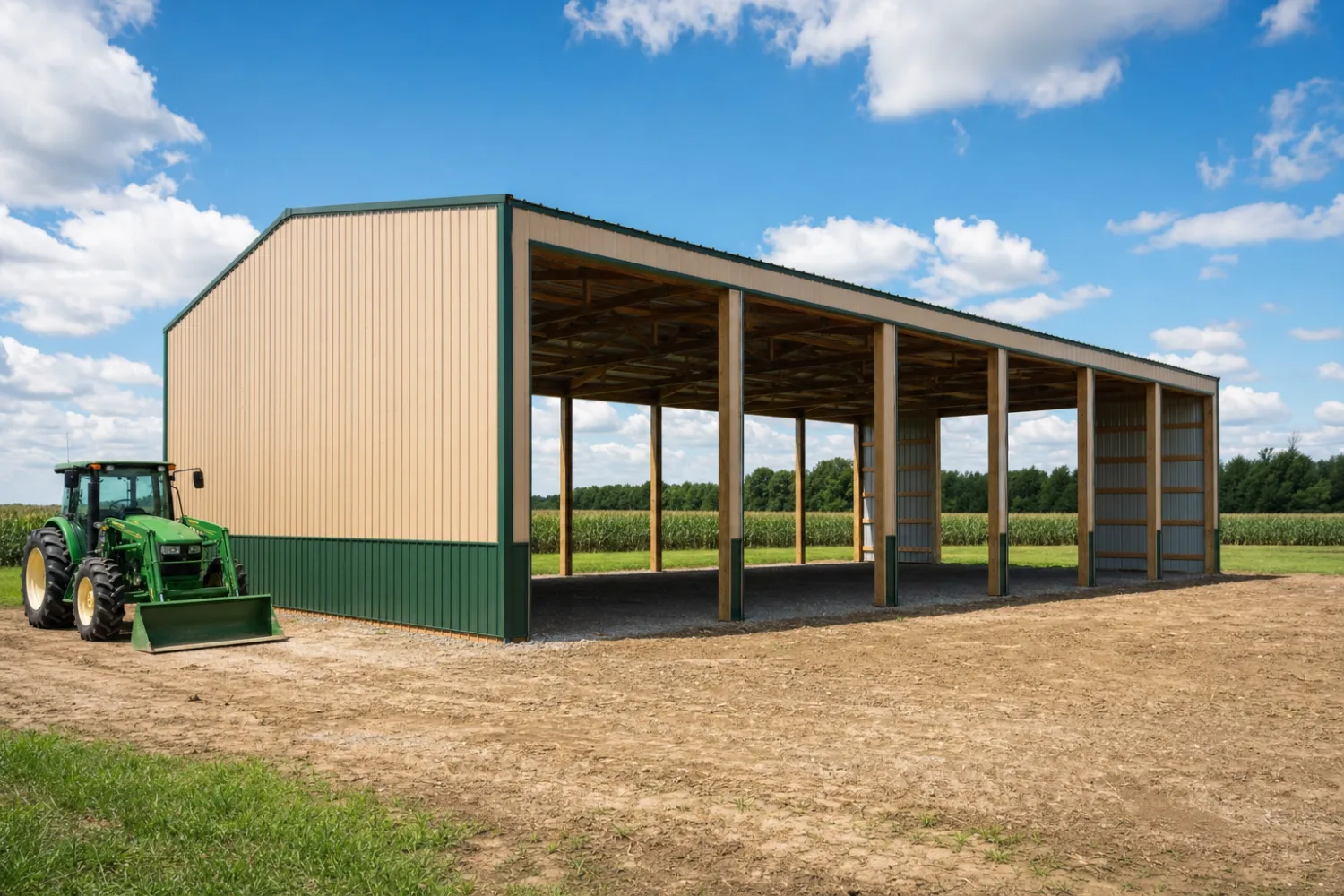
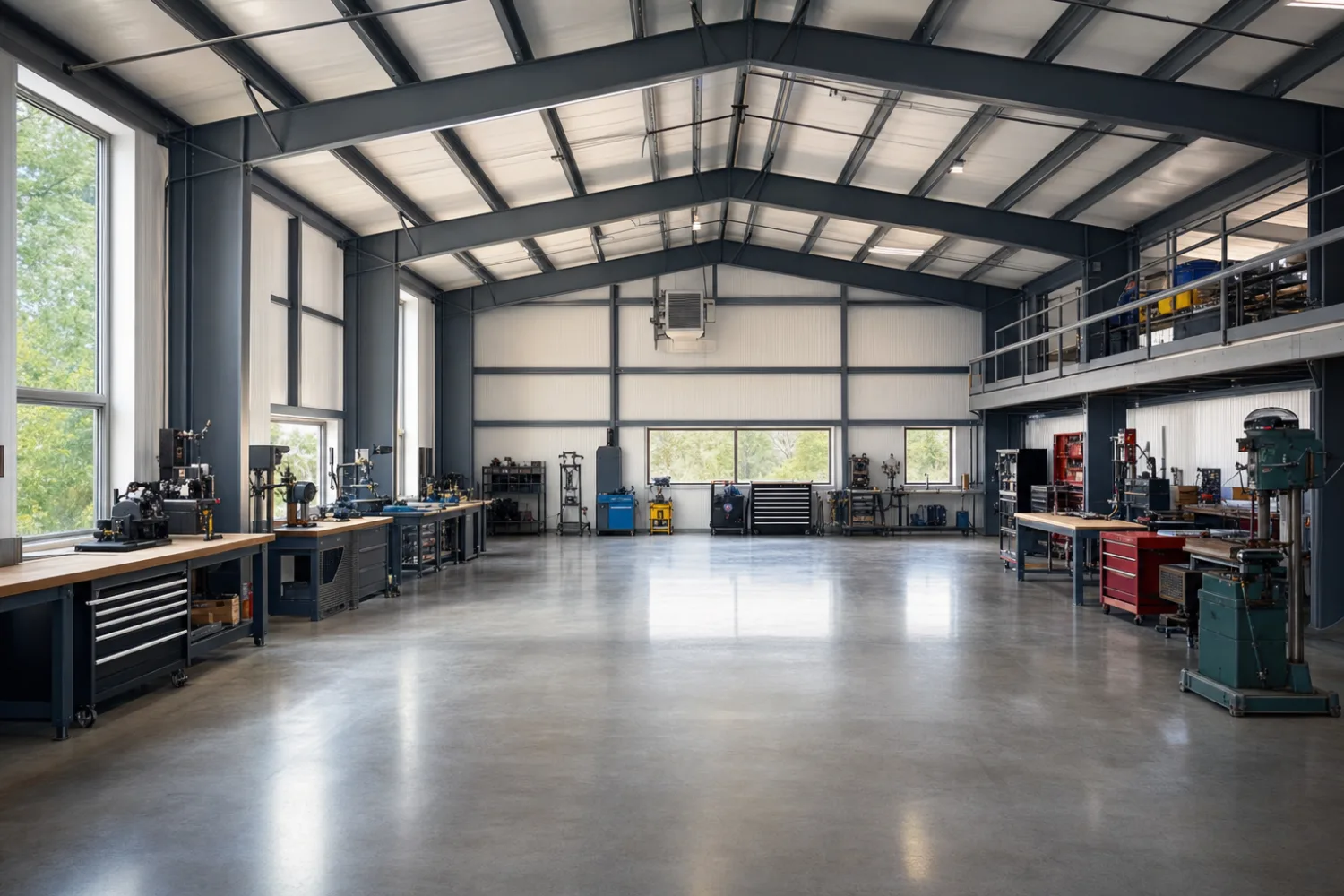
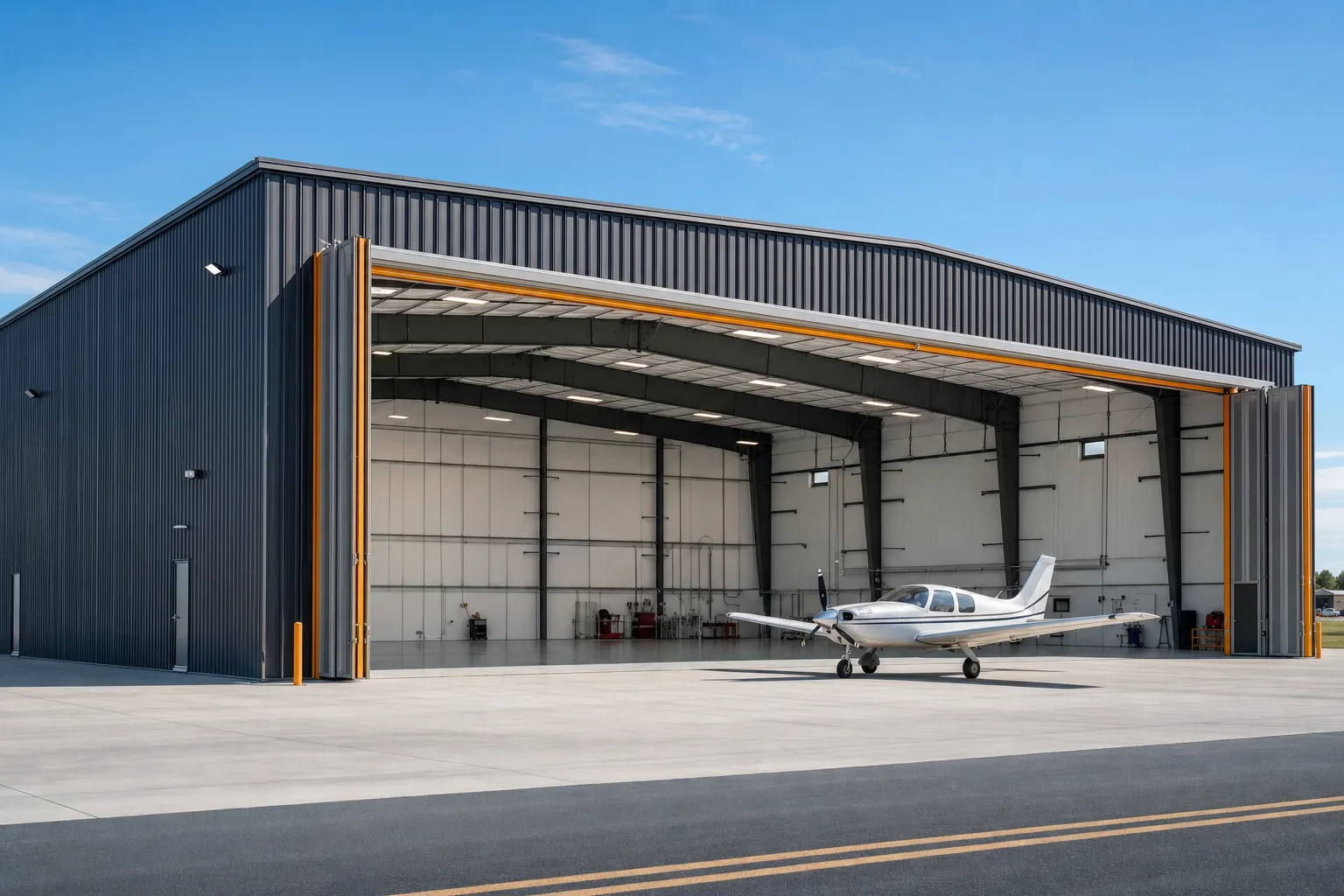
Idahoans build a wide mix in steel: ranch shops and barndominiums on farm ground, workshops and RV or boat storage around the cities, equipment barns in the ag valleys, and warehouses and commercial shells in the growing metros. Where you build decides who issues the permit, so start with the right office.
- Boise. The City of Boise building department handles permits and inspections for projects inside the city, from its office at 150 N Capitol Blvd ‹confirm›.
- Ada County. Ada County Development Services issues building permits for unincorporated Ada County, the area around Boise, from 200 W Front St ‹confirm›.
- Meridian and Nampa. Each fast-growing Treasure Valley city runs its own building division, with Nampa and Caldwell falling under Canyon County jurisdiction outside city limits ‹confirm›.
- Idaho Falls, Coeur d’Alene, and the rest. Eastern Idaho and the panhandle cities each run their own departments, and the mountain and northern counties carry stricter snow design criteria than the valley ‹confirm›.
If your site is in an unincorporated or mountain county, that county is usually your authority, and the snow criteria can be far heavier than anything in the Treasure Valley. Confirm the office, the fee, and the design loads it enforces before you set a build date.
FAQ
Idaho metal building questions
Do I need a permit for a metal building in Idaho?
In most cases, yes. Idaho enforces a statewide code, and nearly every city and county requires a permit for a permanent structure. The common threshold is around 200 square feet, so a small shed can be exempt while a shop or garage is not. A few rural counties skip county building permits in unincorporated areas, but zoning, setbacks, and state electrical and plumbing rules still apply. Confirm with your local building department first.
What counties in Idaho do not require a building permit?
Idaho, Bonner, and Boundary counties have historically not issued county building permits or performed structural inspections in their unincorporated areas. That does not free you from zoning, setbacks, flood-plain rules, or the state permits for septic, electrical, and plumbing work, and cities inside those counties run their own building departments. Verify the current rule with the county before you rely on it.
Can I build a metal building on my own property in Idaho?
Usually yes, within local zoning, deed restrictions, and any HOA covenants. Confirm your property’s zoning allows the use, verify setbacks from property lines and easements, and plan for stamped, engineered drawings, since most Idaho jurisdictions require them. Rural acreage gives you more freedom than a platted city lot, but the load and permit rules still apply.
What building code does Idaho use?
Idaho adopts the International Building Code and International Residential Code at the state level, with the 2018 editions in wide use plus Idaho amendments. Your local jurisdiction administers and may amend the code, so the exact edition and any local snow criteria are a city or county question. Check your building department for the version it currently enforces.
How much does a 40×60 metal building cost with a slab in Idaho?
A fully installed 40×60 building with a concrete slab commonly runs in the $55,000 to $105,000 range depending on site prep, snow rating, finish, and local permitting, while a bare DIY kit can start near $25,000. High-snow panhandle and mountain sites and deeper frost-protected foundations push toward the upper end. Treat these as dated 2026 illustrative figures and get a written quote for your site.
Does a metal building increase property taxes in Idaho?
A permanent metal building anchored to a foundation is an improvement, and your county assessor can reassess and raise the property’s taxable value to reflect it. A small, movable structure on a temporary base is treated differently. The county assessor sets the rules, so confirm locally before you build if taxes are a concern.
How do snow loads affect a metal building in Idaho?
Snow load is the load that sizes most Idaho buildings. Ground snow load rises sharply from the Treasure Valley into the panhandle, central mountains, and high valleys, and the engineer sizes the rafters, frame spacing, and roof pitch to match. Always have the drawings stamped for your specific site elevation and your county’s design criteria.
Read next
Keep reading
Building near a state line, or want the topic guides behind the rules above? Start here:
- Metal building kits in Washington
- Metal building kits in Oregon
- Metal building kits in Utah
- Metal building kits in Montana
- Metal building permits and codes
- Snow load and wind load explained
- Metal building foundation options
- Metal building insulation
- Metal building kit prices (the cost pillar)
Sources
Sources
- Engineered Metal Buildings, Metal Building Permits and Plan Costs in Idaho (Idaho follows the International Building Code; permanent structures require a permit): engineeredmetalbuildings.com
- UpCodes, Idaho Building Code 2018, Chapter 22 Steel (adopted IBC 2018 edition for Idaho): up.codes/viewer/idaho/ibc-2018
- Idaho Division of Building Safety, Rules of Building Safety (statewide building-code rules, plans examination, and inspection): dopl.idaho.gov
- MetalBuildingsUS, Metal Buildings in Idaho (permits typically required over 200 square feet; Idaho Division of Building Safety as code authority): metalbuildingsus.com/idaho
- Twin Falls County Planning and Zoning, Metal Buildings permit information (county adopts the IBC; applications via the state Division of Building Safety): twinfallscounty.org
- MeltPlan, Idaho Building Codes guide (finding your jurisdiction, permit needs, and current code): meltplan.com
- City of Boise Building Department, 150 N Capitol Blvd, Boise (local permitting authority inside the city), via Google Maps: cityofboise.org
- Ada County Development Services, 200 W Front St, Boise (building permits for unincorporated Ada County), via Google Maps: adacounty.id.gov/developmentservices