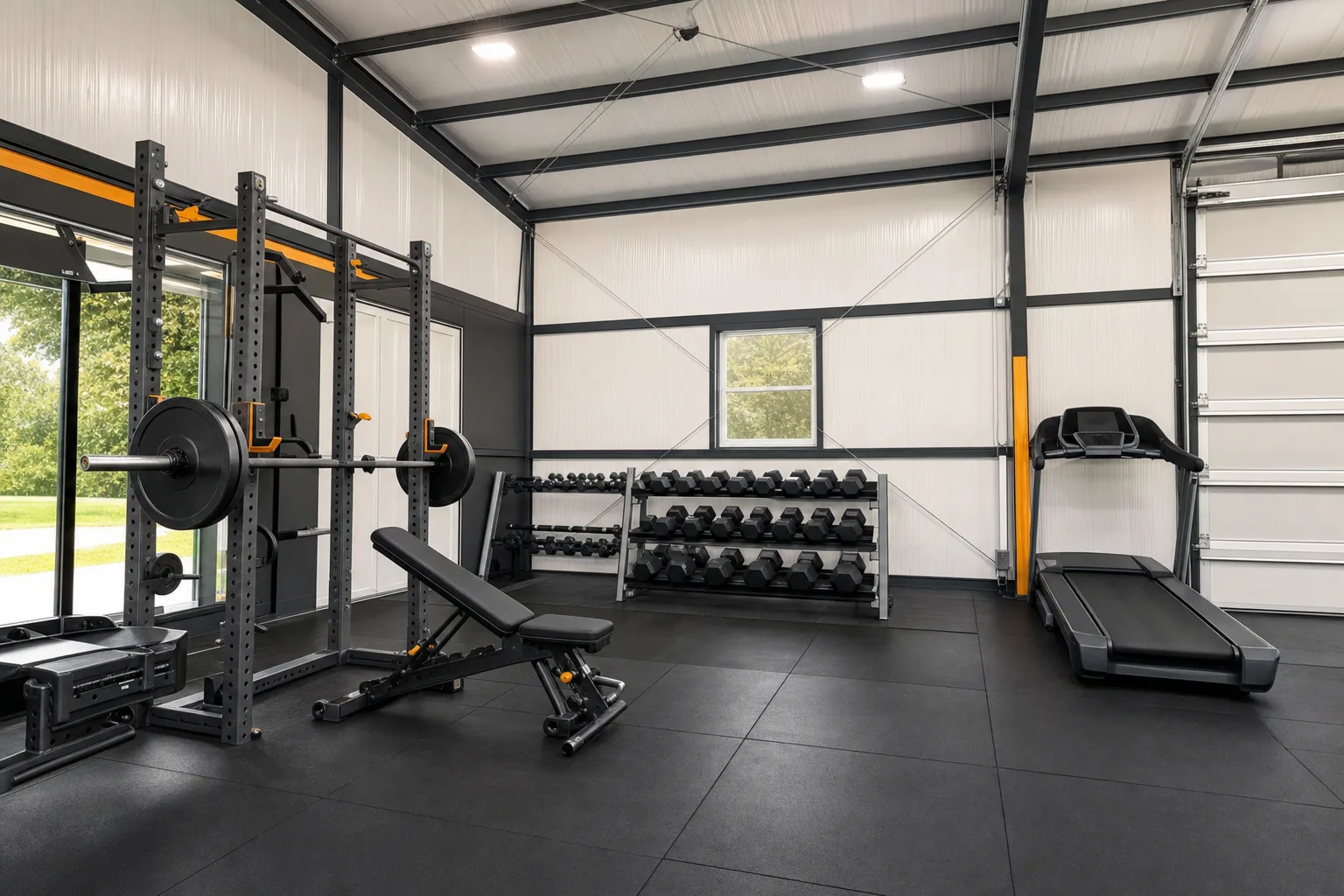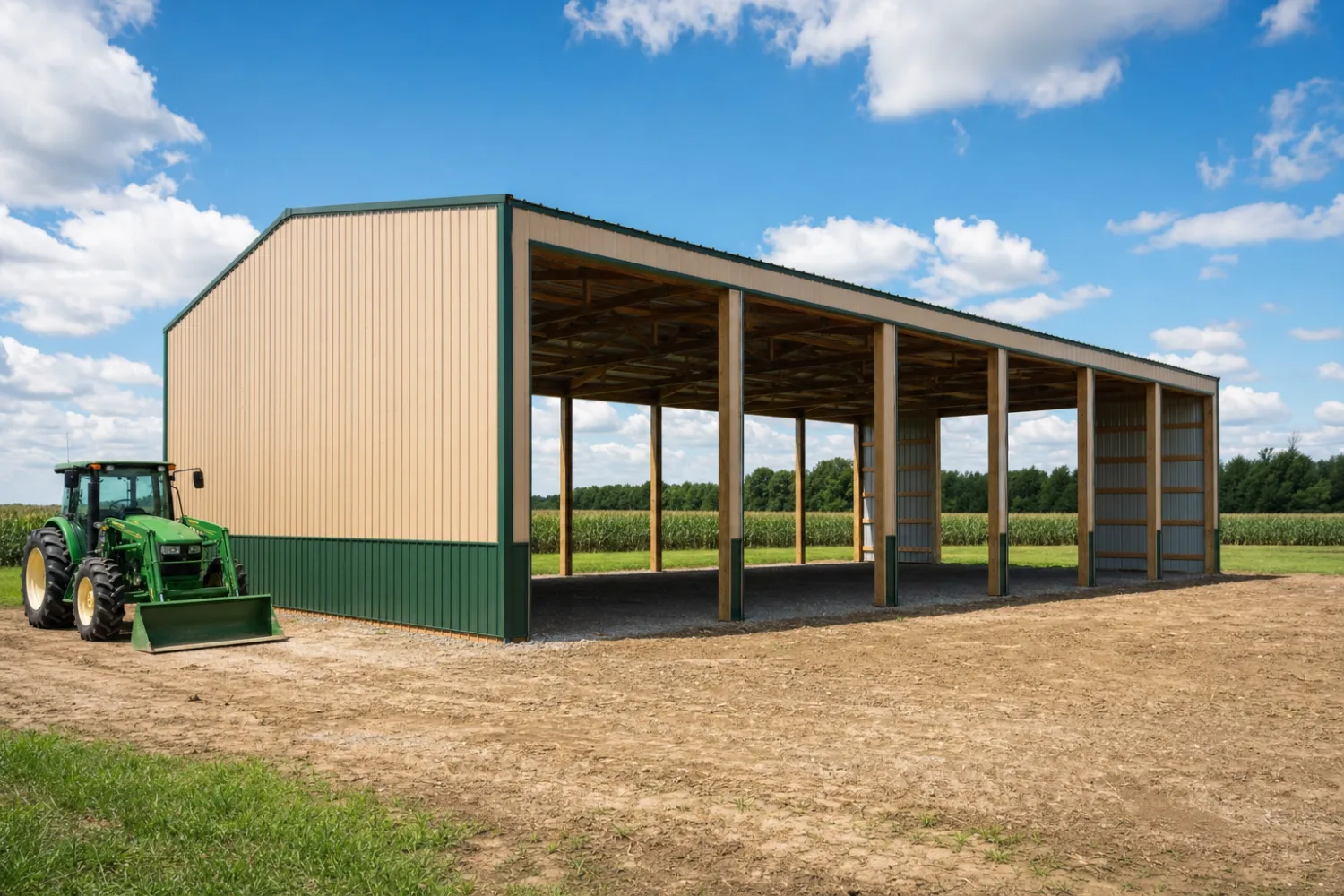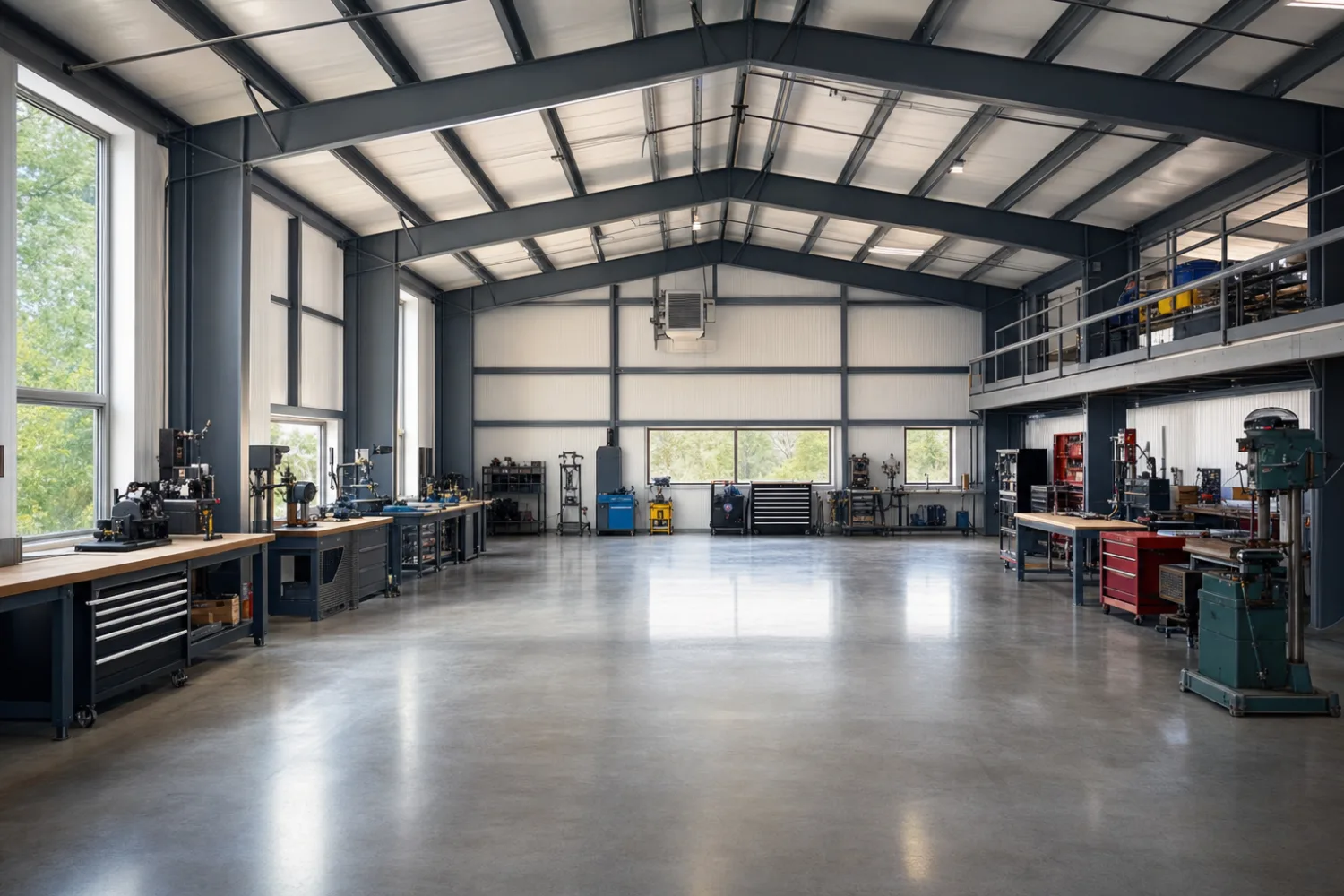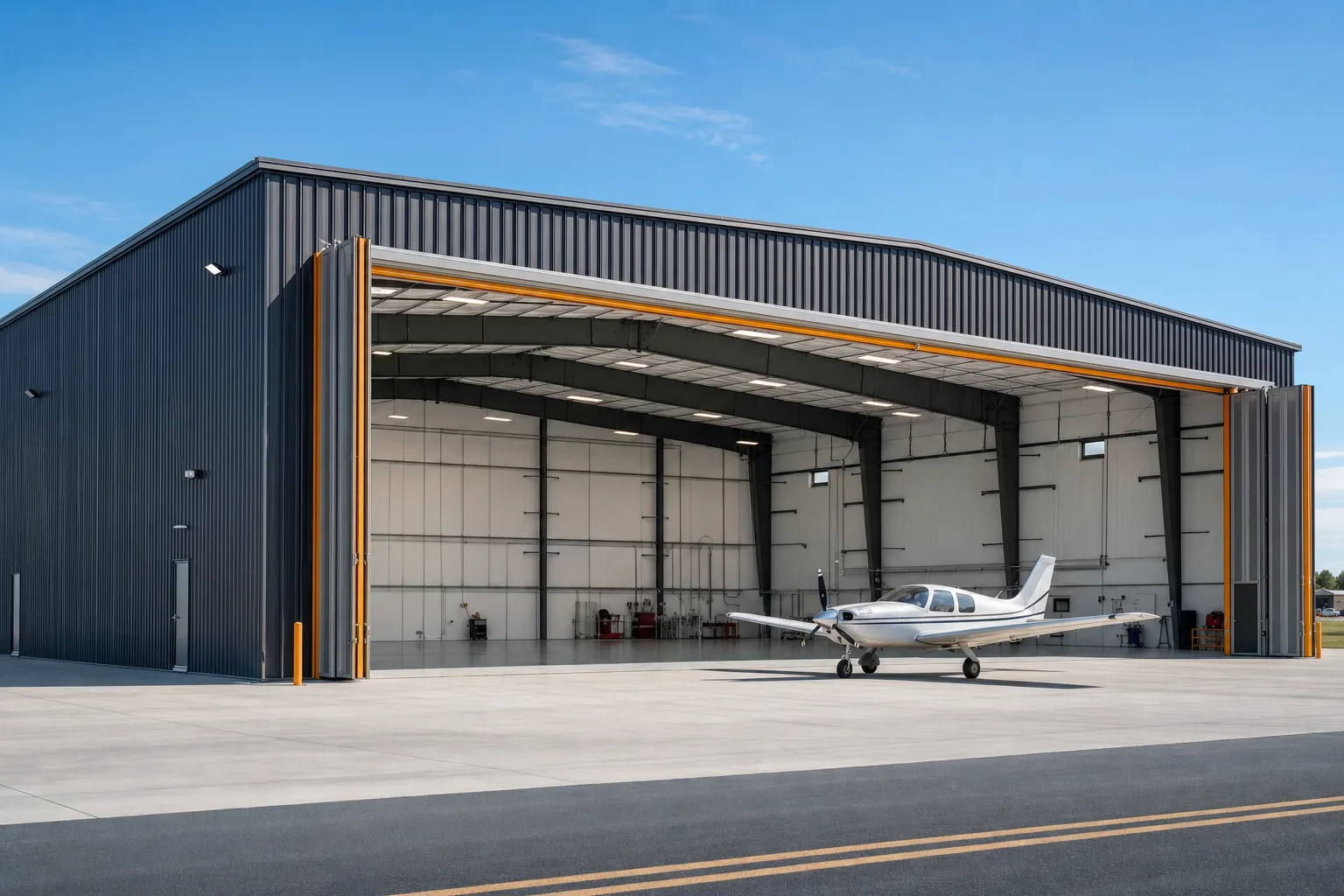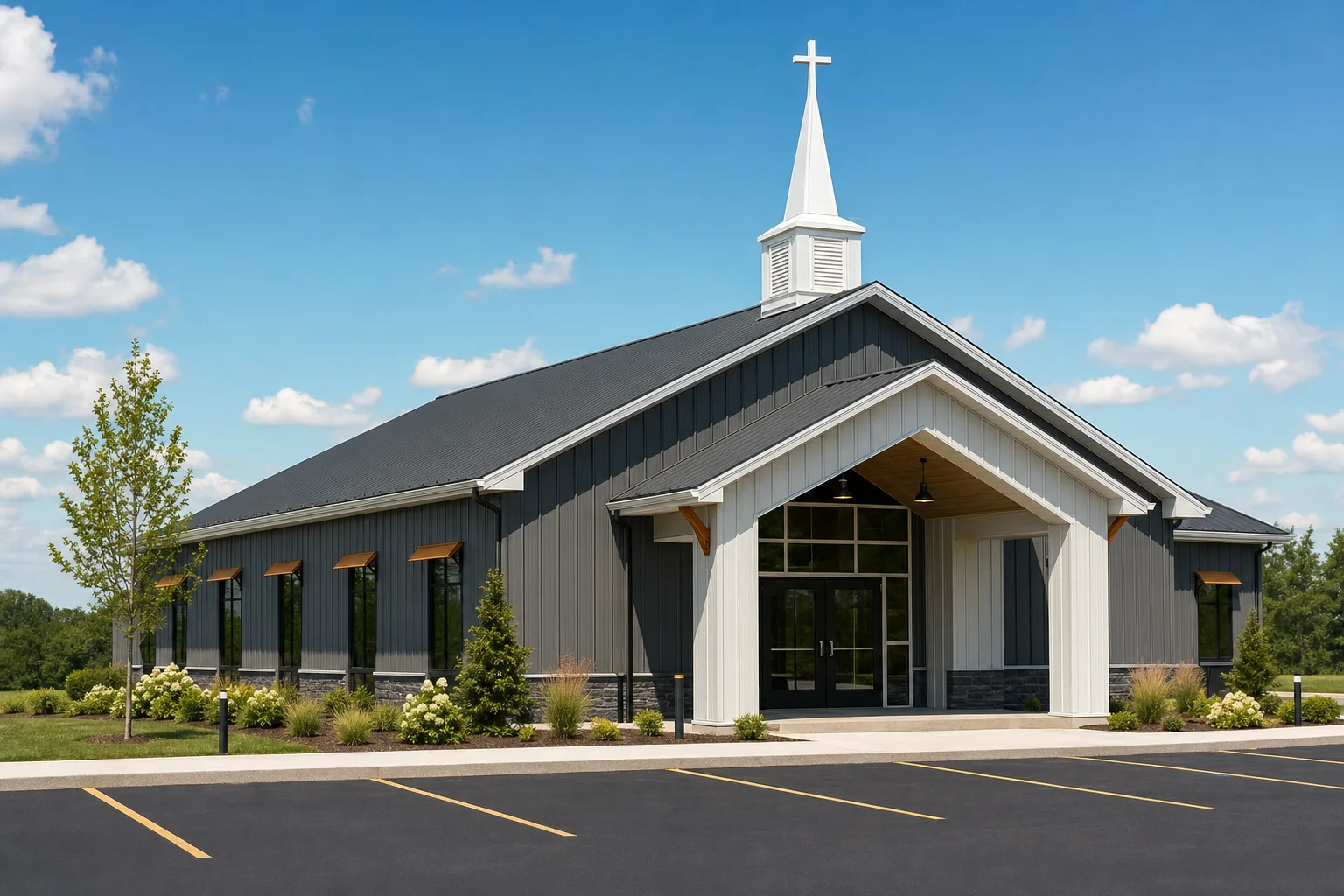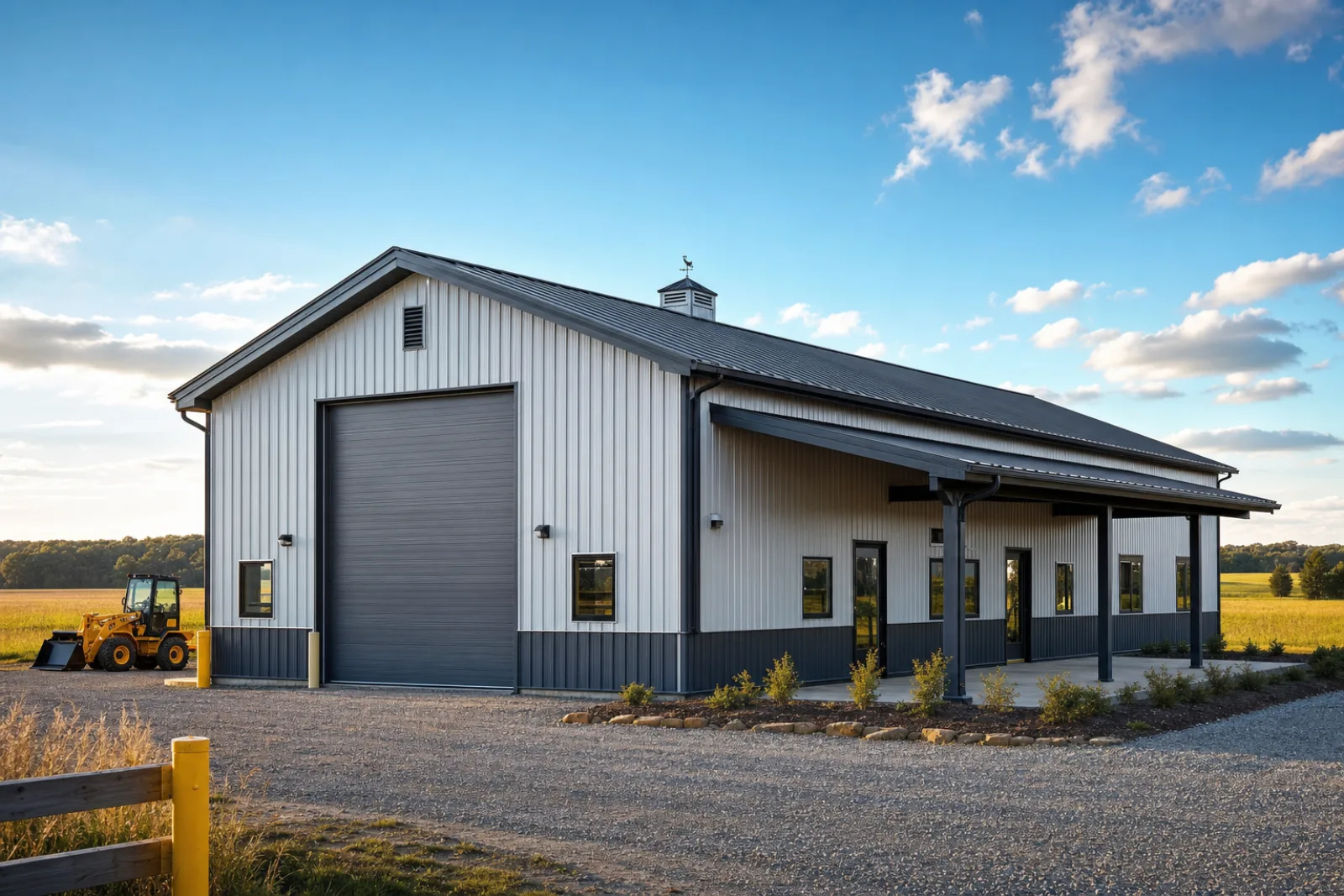
The most popular metal building size is 30×40 feet, a 1,200-square-foot footprint that fits a two to three-car garage, a home workshop, or a small barn without wasting steel. It wins on demand because it clears a wide span with no interior posts, takes a standard door layout, and lands in the price range most buyers plan around, roughly $10,000 to $26,000 ‹confirm› for an enclosed kit as a 2026 illustrative range. Sizes near it, the 30×50, 40×60, and 24×30, sell heavily too, but 30×40 is the single footprint suppliers stock and quote the most.
This page sits under the metal building sizes pillar and gives the full answer that our most popular metal building sizes guide maps across the whole range. Below: why 30×40 leads, the other sizes that crowd the top of the list, and how to tell whether the popular pick is the right pick for your job.
The leader
Why 30×40 is the most popular size
The 30×40 leads because it sits at the sweet spot where space, span, and price line up for the widest set of uses. At 1,200 square feet it holds two or three vehicles plus a work area, and a 30-foot clear span needs no interior posts, so the floor stays open.
That footprint covers the jobs most buyers want. Park two cars and keep a workbench. Run a home shop with room for a lift. Store a tractor and a side-by-side with the doors closed. It also reads as the default on a price chart: big enough that the cost per square foot has dropped from the tiny sizes, small enough that the total stays in reach. For the line items behind that number, see the how to choose a metal building size guide, and for the kit itself, the 30×40 metal building kits page.
Top sizes
The sizes that sell the most, ranked
After 30×40, the top of the list groups into garage-and-shop sizes and barn-and-commercial sizes, with the popular picks clustering in a handful of standard footprints. Here is how the common sizes stack up by what they fit and roughly what they cost.
| Size | Footprint | Typical use | Illustrative 2026 total |
|---|---|---|---|
| 24×30 | 720 sq ft | Two-car garage, compact shop | $6,000–$14,000 ‹confirm› |
| 30×40 | 1,200 sq ft, the leader | Garage plus shop, small barn | $10,000–$26,000 ‹confirm› |
| 30×50 | 1,500 sq ft | Workshop, RV bay, hobby barn | $13,000–$32,000 ‹confirm› |
| 40×60 | 2,400 sq ft | Large shop, ag barn, light commercial | $20,000–$48,000 ‹confirm› |
| 50×100 | 5,000 sq ft | Warehouse, riding arena, commercial | $45,000–$95,000 ‹confirm› |
Common sizes, illustrative shell ranges for 2026. Confirm each figure against a live quote.
The pattern is consistent across suppliers: the most-quoted sizes are square or near-square footprints in round 10-foot increments, because a stock size costs less than a custom one ‹confirm› and standard widths span cleanly. The most popular sizes guide breaks each footprint down by use, and the wider clear span versus multi-span widths guide explains why 30 and 40-foot widths stay post-free while bigger ones may need a center column.
Popular does not mean right. The 30×40 leads the charts because it fits the most jobs, not because it fits yours. Size to the use, then check it against the list.
Your pick
Is the popular size the right size for you?
The popular size is the right size only when it matches what you need to fit, so measure the job before you default to 30×40. Buying the common footprint because it is common is how you end up too small or paying for room you never use.
Start with what has to go inside, a vehicle, a workbench, a tractor, then add clearance to move around it, and round up to the nearest standard footprint. If a 30×40 leaves you short, the next popular step up is a 30×50 or a 40×60, and each adds floor at a lower cost per square foot than you paid for the first. If you need less, a 24×30 or 20×30 keeps the total down. The how to choose a metal building size guide walks the full sizing method, and the metal building sizes pillar lines up every footprint side by side.
Most popular is a starting point, not a default
The 30×40 is the most quoted size because it fits the most common jobs, but the right size is the one that fits yours plus a little room to grow. Buying too small is the costlier mistake, since a second building or a teardown runs far more than the few feet you skipped. Size by the use, confirm a standard footprint over a custom one, and for the price-by-size view see the metal building kit prices pillar.
Related
Read more
This popular-size answer connects to the rest of the sizing decision. Follow these next:
- Metal building sizes: the complete guide (the parent sizing pillar).
- Most popular metal building sizes (the guide this page deepens, footprint by footprint).
- How to choose a metal building size (the method for sizing to your job).
- 30×40 metal building kits (the leading size, in kit form).
- Metal building kit prices: the complete guide (the cross-silo price pillar).