A metal building in Wisconsin is shaped by two things before anything else: snow and a strong statewide code. Cold winters and lake-effect bands mean your roof, frame, and footings carry real snow weight, so a shell rated for a southern state will not pass here. The second thing to know is that Wisconsin runs one of the most centralized code systems in the country, yet your city or county still issues the permit and sets the exact load numbers for your address.
This guide is part of our metal buildings by state series, an independent reference for anyone planning a steel building. Below you get the code picture, the load story, climate and insulation, what moves price in Wisconsin, and the major metros with their real building departments. Every hard number here is a typical range you confirm with your local building department, not a value to copy onto a permit.
Codes and permits
Wisconsin building codes and permits for steel buildings
Wisconsin splits its building rules by what you are putting up. A one or two-family home falls under the statewide Uniform Dwelling Code, the UDC, found in administrative rules SPS 320 to 325 ‹confirm›. A commercial or larger structure falls under the Wisconsin Commercial Building Code, SPS 361 to 366, which adopts the 2021 International Building Code and 2021 International Energy Conservation Code with state amendments ‹confirm›. The Department of Safety and Professional Services, the DSPS, writes and oversees both.
One detail makes Wisconsin different from most states. The UDC is uniform on purpose, so a city or town cannot make its dwelling rules stricter or looser than the state standard ‹confirm›. That gives you a consistent baseline statewide, though zoning, setbacks, and the commercial code still leave plenty for the local department to decide. For the national view of when a stamp is needed and how review works, see our permits and codes guide.
Most permit offices want structural plans stamped and sealed by an engineer licensed in Wisconsin for a permanent steel building, sized to your county loads ‹confirm›. A good kit supplier includes that engineering. The permit itself is local: your city or county building department reviews the plans, issues the permit, and inspects the work. A small detached accessory building, often around 150 square feet, can be exempt from a building permit, though the exact threshold runs anywhere from roughly 80 to 200 square feet by jurisdiction, and zoning plus any electrical work still apply ‹confirm›. Verify the number and the fee with your local building department before you order steel.
Before you dig
Wisconsin law requires you to contact Diggers Hotline (dial 811) to locate buried utilities before you excavate footings or pour a slab. The locate is free, and skipping it can halt your project and expose you to liability.
Loads
Snow, wind, and seismic loads in Wisconsin
Snow is the load that drives a Wisconsin steel building. Ground snow loads across the state commonly run in the range of 30 to 60 pounds per square foot, climbing in the north and near the lakes ‹confirm›, which is why roof rating is the first spec to nail down. Design wind speeds sit in a moderate band for most of the state, often quoted around 90 to 115 mph ‹confirm›, and seismic demand is low across Wisconsin ‹confirm›, so your engineering conversation centers on snow and on frost rather than on earthquakes.
Frost is the quiet partner to snow. Wisconsin frost lines run deep, so footings have to reach below the frost depth for your county or use a frost-protected design ‹confirm›. Our snow and wind load guide explains how these numbers turn into frame and anchor choices. The table below is a planning starting point, not a permit value.
| Load type | Typical Wisconsin range ‹confirm› | Who sets it |
|---|---|---|
| Ground snow load | About 30–60+ lb/sq ft, higher north and lakeside | Local building department, by county |
| Design wind speed | Roughly 90–115 mph, moderate band | Adopted code plus local data |
| Seismic | Low across Wisconsin | Adopted code (site class) |
| Frost depth | Deep, varies by county | Local building department |
Typical ranges for planning only. Your local building department sets the exact values for your site.
Climate and insulation
Climate zones and insulating a Wisconsin metal building
Wisconsin is a cold-climate state, falling in IECC climate zones 6 and 7 ‹confirm›, so insulation here is about holding heat and stopping condensation, not fighting summer humidity. A bare steel shell sweats hard when warm indoor air meets a cold panel, and that moisture is the leading cause of rust and ruined storage in northern buildings.
The 2021 energy code pushes meaningful R-values for metal roofs and walls in this zone, so plan for a continuous vapor barrier plus real insulation sized to a zone 6 or 7 target rather than a national average ‹confirm›. Our metal building insulation guide walks through the assemblies that work in cold country, from banded fiberglass to spray foam and insulated panels. The goal is the same in each: keep the warm side warm and keep the steel above the dew point.
Price factors
What drives metal building prices in Wisconsin
Two regional factors push Wisconsin pricing: snow engineering and freight. A heavier snow rating means more steel in the frame than a southern building of the same footprint, and steel ships from mills and fabricators that are often a long haul from the upper Midwest, so delivery distance shows up in the quote. Local labor and a short building season add to that picture.
Treat any figure you see as a dated 2026 illustrative range ‹confirm›, because steel prices move and every quote is site-specific. The honest way to compare suppliers is line by line on the same load rating and the same gauge. Our metal building kit prices guide breaks down the cost drivers so you can read a Wisconsin quote without guessing what the number includes.
Uses and metros
Popular uses and metro building departments
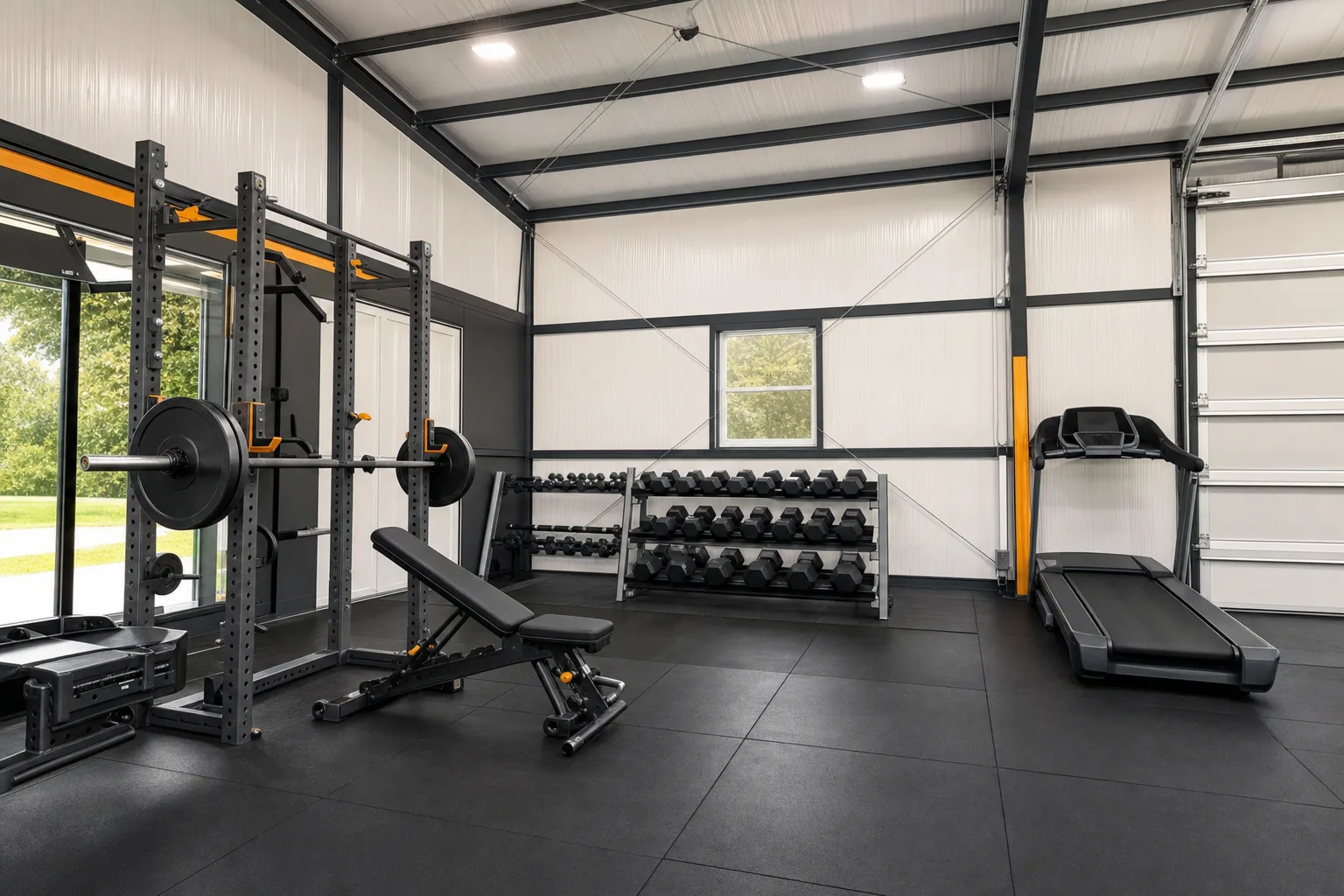
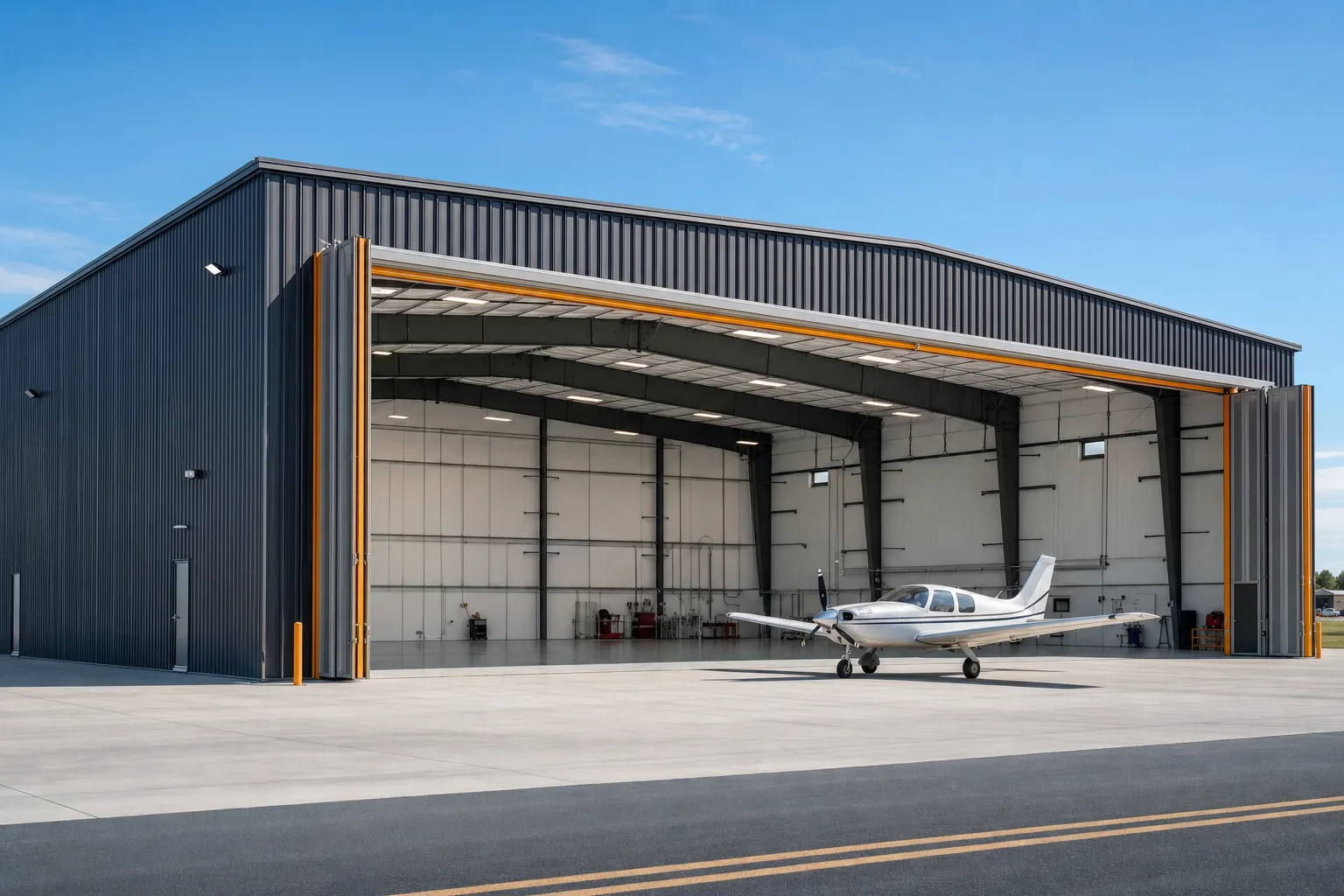
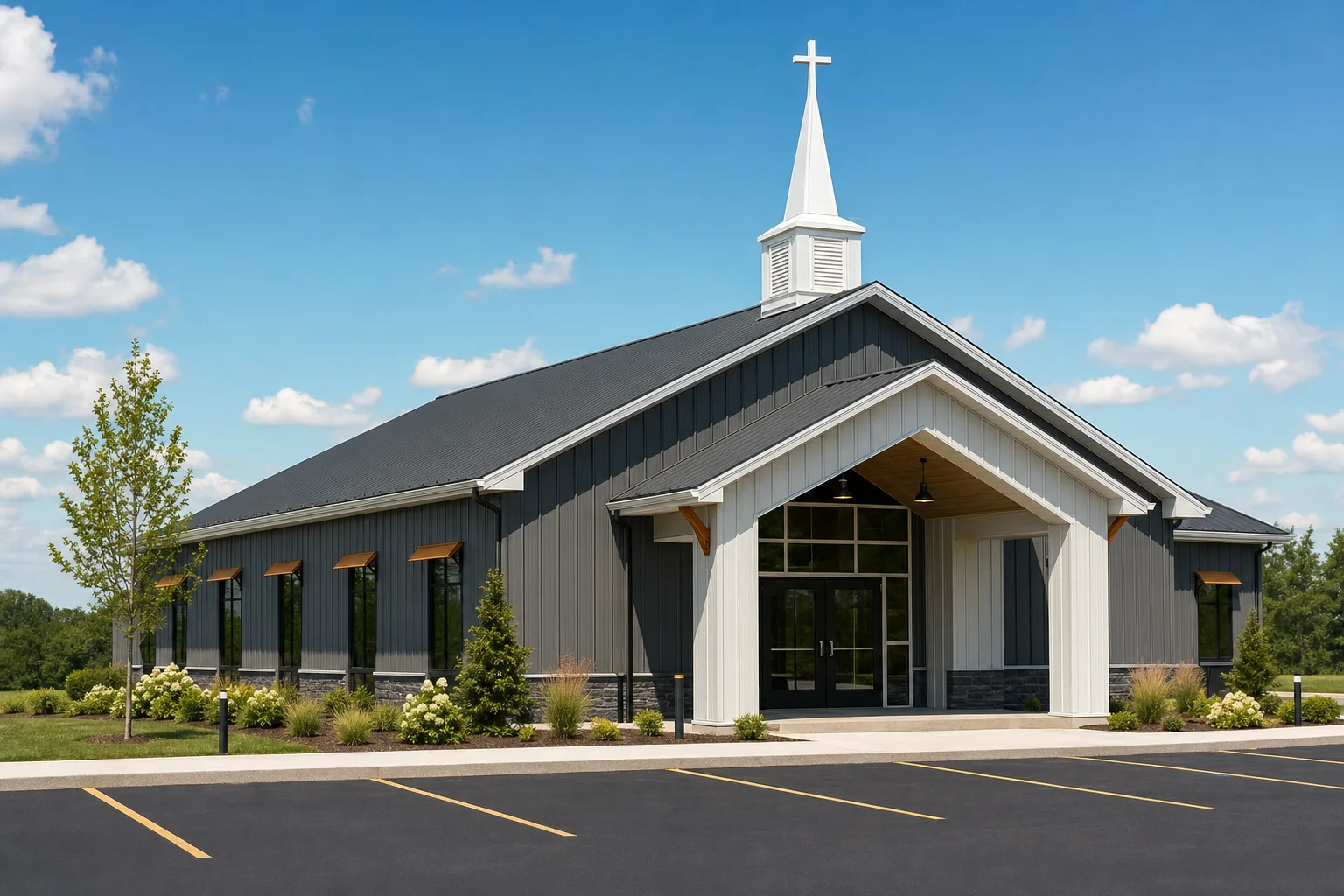
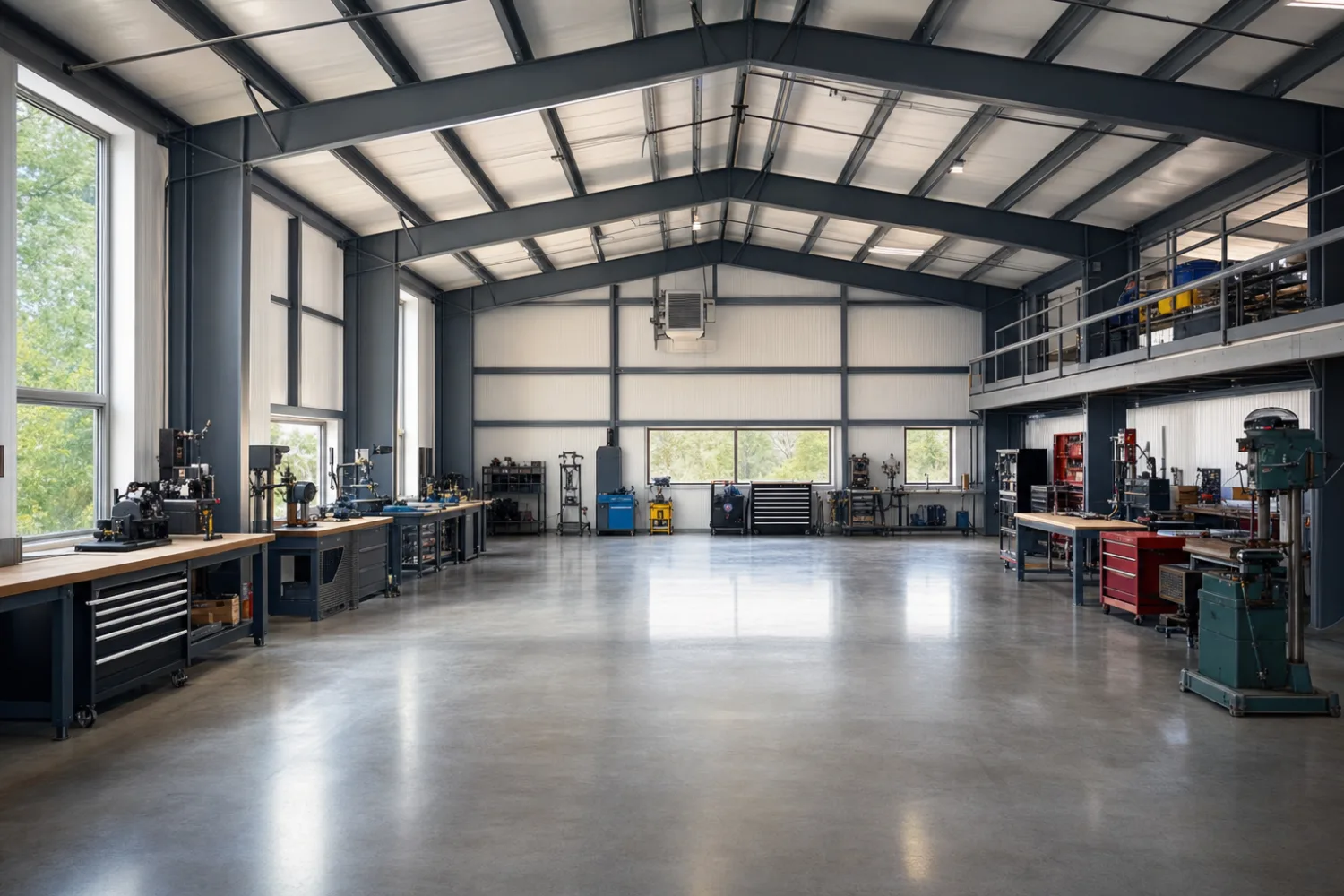
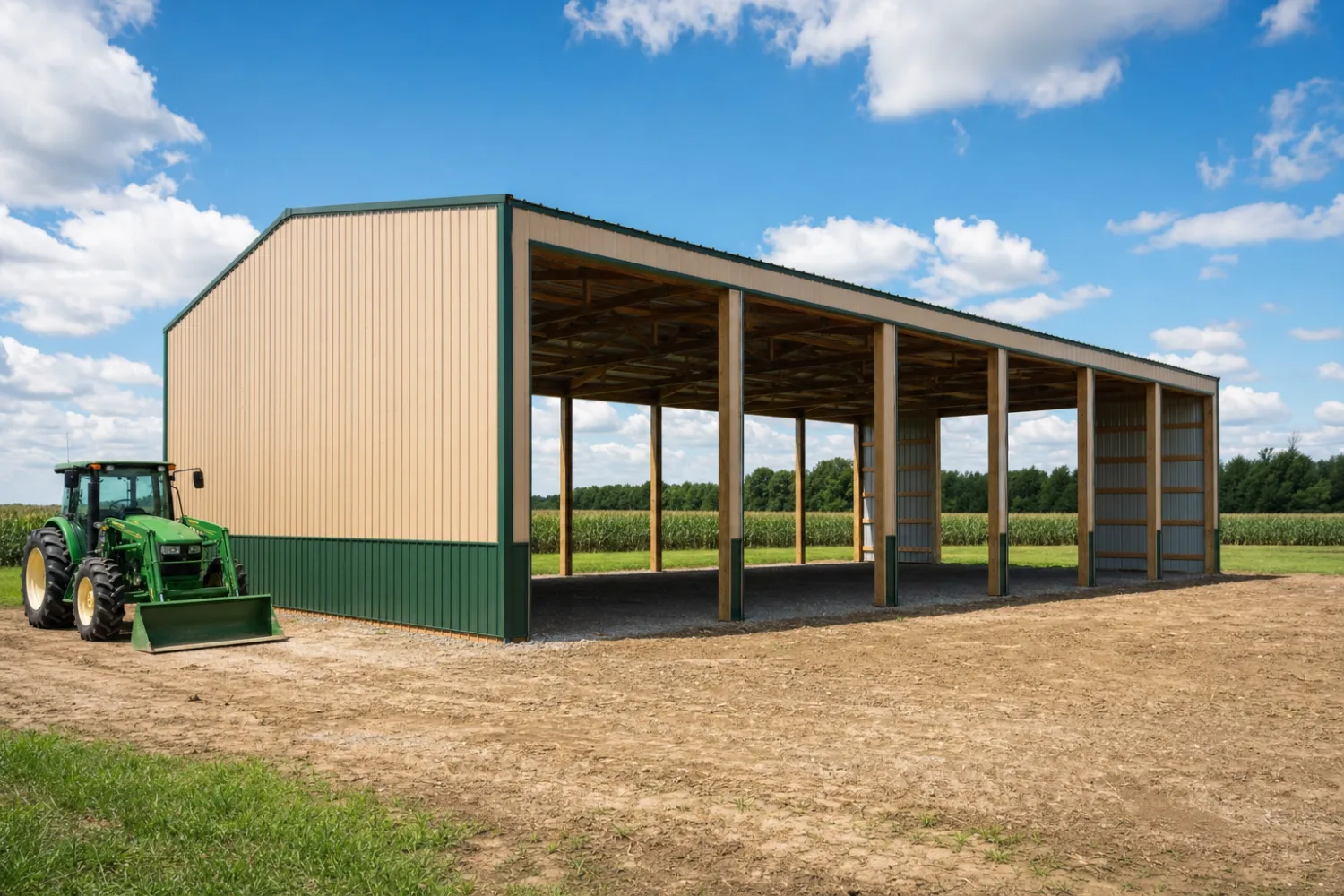
Wisconsinites build steel for cold-weather work and storage. Heated workshops, detached garages, dairy and equipment pole barns, boat and RV storage for lake country, and the occasional slab-founded barndominium all show up across the state. Whatever you build, the permit and the snow rating run through your local department, so start there.
In Milwaukee, the Department of Neighborhood Services, the DNS, runs construction permitting and inspection ‹confirm›, the city office that reviews plans and issues permits at 841 N Broadway. Across the state, Madison runs building permits through its own city Building Inspection Division, and Green Bay and the smaller metros each operate a city building department of their own ‹confirm›. Confirm the office, the fee, and the snow load with the jurisdiction your address falls in, since the rules change at the city and county line.
FAQ
Wisconsin metal building questions
What building code does Wisconsin use?
Wisconsin uses two state codes built on national models. One and two-family homes follow the statewide Uniform Dwelling Code (SPS 320 to 325), and commercial or larger buildings follow the Wisconsin Commercial Building Code (SPS 361 to 366), which adopts the 2021 International Building Code and 2021 International Energy Conservation Code with state amendments ‹confirm›. The Department of Safety and Professional Services oversees both.
How big of a shed can I build without a permit in Wisconsin?
A small detached accessory building is often exempt from a building permit, with a common threshold around 150 square feet, though the exact limit runs from roughly 80 to 200 square feet depending on your city or county ‹confirm›. Zoning still applies, so setbacks from your property lines hold, and any electrical run to the building needs its own permit. Confirm the threshold with your local department before you build.
Do I need a permit for a metal building in Wisconsin?
Almost always, yes, for a permanent structure above the small accessory-shed exemption. Your city or county building department reviews the plans, issues the permit, and inspects the build. Detached agricultural buildings can have narrower exemptions in some places, but zoning setbacks still apply ‹confirm›. Check with the department that covers your address before you order steel.
Do metal buildings need engineer-stamped plans in Wisconsin?
For most permanent buildings, yes. Wisconsin’s snow and frost loads mean plan reviewers typically want structural drawings stamped and sealed by an engineer licensed in Wisconsin ‹confirm›. A reputable kit supplier provides that engineering sized to your county. Verify the requirement with your local building department.
What snow load does my metal building need in Wisconsin?
Ground snow loads commonly fall in the range of 30 to 60 pounds per square foot and climb in the north and near Lake Michigan and Lake Superior ‹confirm›. The exact design value is set by your local building department for your site, not by the state as a single number. Get the figure in writing and make sure your kit is engineered to match it.
What happens if you build without a permit in Wisconsin?
Building without a required permit can bring stop-work orders, doubled or tripled permit fees, and fines ‹confirm›. If work is covered before inspection, you may have to open finished walls so an inspector can verify framing, electrical, and plumbing, and in severe cases a municipality can order removal. Wisconsin also expects you to disclose unpermitted work when you sell. Pull the permit first.
What requires a building permit in Wisconsin?
New construction, additions, structural changes, and most electrical, plumbing, and mechanical work generally need a permit, while cosmetic work like paint, flooring, and trim usually does not ‹confirm›. A new metal building above the small accessory-shed size almost always requires one. When in doubt, ask your local building department before you start.
Read next
Keep reading
Compare your neighboring states and go deeper on the topics that decide a Wisconsin build:
- Metal building kits in Minnesota (the snow-belt neighbor to the west).
- Metal building kits in Iowa (the state line to the southwest).
- Metal building kits in Illinois (the metro neighbor to the south).
- Metal building kits in Michigan (the Great Lakes neighbor to the east).
- Metal building permits and codes (how stamping and inspection work).
- Snow load and wind load explained (the numbers that size your frame).
- Metal building foundation options (frost-depth footings and slabs).
- Metal building insulation (cold-climate assemblies and condensation control).
- Metal building kit prices (the cost guide that anchors a quote).
Sources
Sources
Each hard value above is a typical range to verify locally. These are the sources behind them:
- UpCodes, Wisconsin Building Codes (adopted IBC and IECC editions, 2021 amended): https://up.codes/codes/wisconsin
- Wisconsin Legislature, Chapter SPS 321, Uniform Dwelling Code construction standards and loads: https://docs.legis.wisconsin.gov/code/admin_code/sps/safety_and_buildings_and_environment/320_325/321.pdf
- Wisconsin Department of Safety and Professional Services (code authority): https://dsps.wi.gov
- Metal Buildings US, Wisconsin (code authority is DSPS, permits generally required): https://metalbuildingsus.com/wisconsin/
- City of Milwaukee Department of Neighborhood Services, Inspections (building department, via Google Maps): https://city.milwaukee.gov/DNS/Inspections_Sections
- Thermal Design, Wisconsin Code Alert (2021 IECC energy code for metal building roofs and walls): https://thermaldesign.com/states/wisconsin/