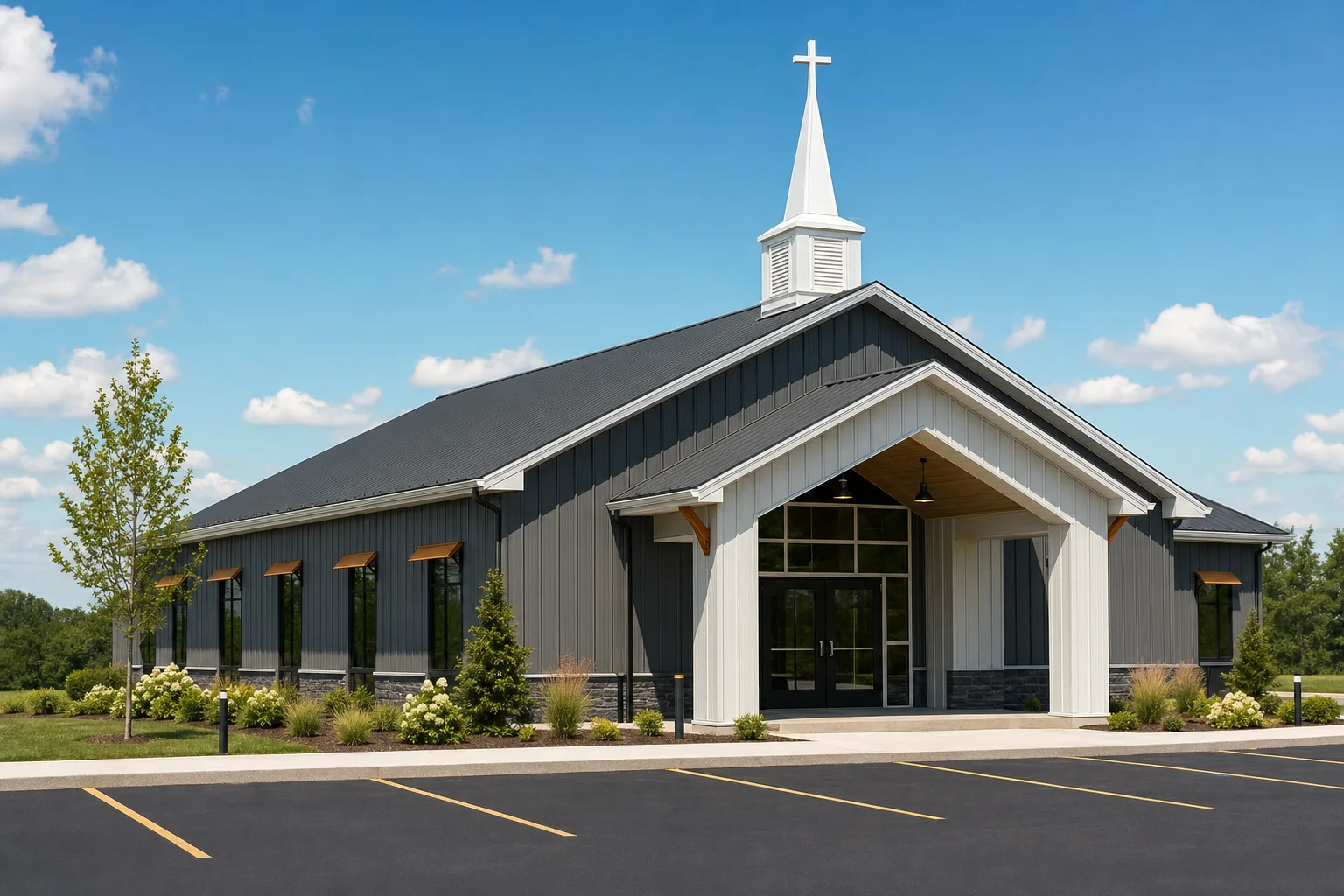
Two forces shape a metal building in Alaska: heavy ground loads and a permit system that lives at the local level. Most of the state sees serious snow, and the whole state sits in earthquake country, so a frame here gets engineered for snow and seismic before anything else. Alaska enforces no statewide residential building code for single-family homes and duplexes, which means your rules come from your municipality or borough, not from Juneau.
This guide is part of our metal buildings by state series, a publisher reference rather than a seller in Alaska. Below you get the code and permit reality, the load picture, the climate and insulation angle, what drives price this far north, and the real building departments in the state’s biggest metros. Treat every number here as a starting point and confirm it with the office that will stamp your permit.
Codes & permits
Alaska building codes and permits for metal buildings
Alaska splits its rules in two. The state regulates commercial buildings and residential buildings with more than three units, while smaller homes and accessory structures fall to local government. For commercial and larger residential work, the state builds on the International Building Code and the International Energy Conservation Code with Alaska amendments, and the State Fire Marshal reviews and certifies those plans before a local permit can issue ‹confirm›.
For a private garage, shop, or barn, the question is local. Many boroughs and rural areas run no building code and require no permit, while organized municipalities like Anchorage and the Matanuska-Susitna and Kenai areas do. Wherever a permit applies, expect to submit structural drawings stamped by an engineer licensed in Alaska, sized for your snow, wind, and seismic loads ‹confirm›. Our metal building permits and codes guide walks the full process. The adopted IBC and IECC editions vary by jurisdiction ‹confirm›, so verify with your local building department before you order steel.
The honest rule
Loads and permits in Alaska are set by your county, borough, or city, not by one statewide number. Call the office named on your address and ask for the snow, wind, and seismic values they enforce, plus whether they want a State Fire Marshal review. Get it in writing.
Loads
Snow, seismic, and wind loads in Alaska
Snow and seismic are the headline loads in most of Alaska, with wind taking the lead along exposed coasts. Ground snow varies more here than in almost any other state, from moderate in parts of the Anchorage bowl to extreme in the mountains and the southeast panhandle, so a frame that works in one valley can be undersized one ridge over. Pair this section with our snow load and wind load explained guide, and treat the ranges below as typical, not final ‹confirm›.
| Load type | Typical Alaska range ‹confirm› | Who sets it |
|---|---|---|
| Ground snow | Moderate near the coast to extreme in mountains and the panhandle | Local building department |
| Seismic | High across the state, among the most active regions in the country | Local code, IBC seismic maps |
| Wind | Elevated on exposed coasts and passes, moderate inland | Local building department |
Typical ranges only. Your jurisdiction sets the design values you must build to, so verify locally.
Because Alaska is so seismically active, the frame connections and anchorage matter as much as the beam sizes. A metal building handles seismic demand well when the foundation, base plates, and bracing are engineered for it, which is one more reason the stamped drawings are not optional on a permitted build. Never accept a generic load chart from out of state. Ask the manufacturer to stamp the package for your exact address, and confirm the foundation suits your soil and frost depth.
Climate & insulation
Climate zones and insulating a metal building in Alaska
Alaska is cold-climate country, sitting in the highest IECC climate zones, 7 and 8 ‹confirm›, which makes high R-value and tight air sealing the priority over almost everything else. Zone 8 covers the far north and interior, where winter design temperatures run brutal, while the more populated south-central and southeast sit in zone 7 ‹confirm›. Confirm your zone with the local code office, because the energy code follows it.
In a heated Alaska shop, the enemy is the cold steel surface that meets warm interior air, which is where condensation forms and frost builds inside the wall. You beat it with a continuous thermal break and a controlled vapor strategy, not just thick batts. Our metal building insulation guide covers the assemblies that work in deep cold, and the condensation and ventilation guide explains why an unsealed metal building sweats.
Price factors
What drives metal building prices in Alaska
Alaska sits at the far end of the steel supply chain, so freight is the single biggest reason a kit costs more here than in the Lower 48. Mills and fabricators are thousands of miles south, and that distance, plus barge or long-haul trucking, lands on your invoice before the first bolt turns. For the national baseline this builds on, see the metal building kit prices pillar.
Three other drivers push Alaska pricing above the national average ‹confirm›. Heavier engineering for snow and seismic adds steel. A short building season and a thin, in-demand labor pool raise install costs. And a deeper, frost-protected foundation costs more to dig and pour than a mild-climate slab. As an illustrative 2026 figure, budget a meaningful premium over Lower-48 pricing and get a delivered, stamped quote for your site before you commit ‹confirm›.
Uses & departments
Popular uses and metro building departments in Alaska
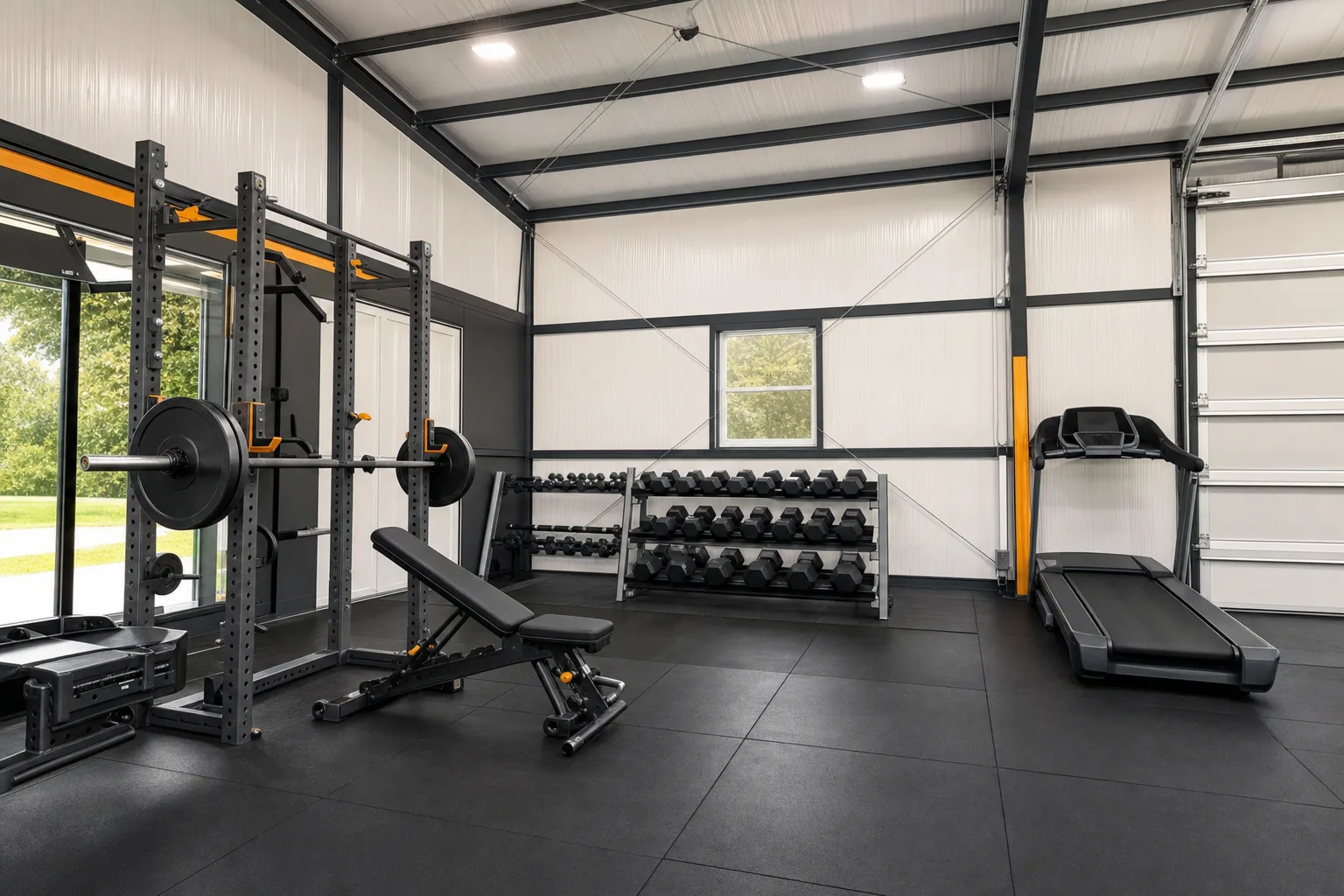
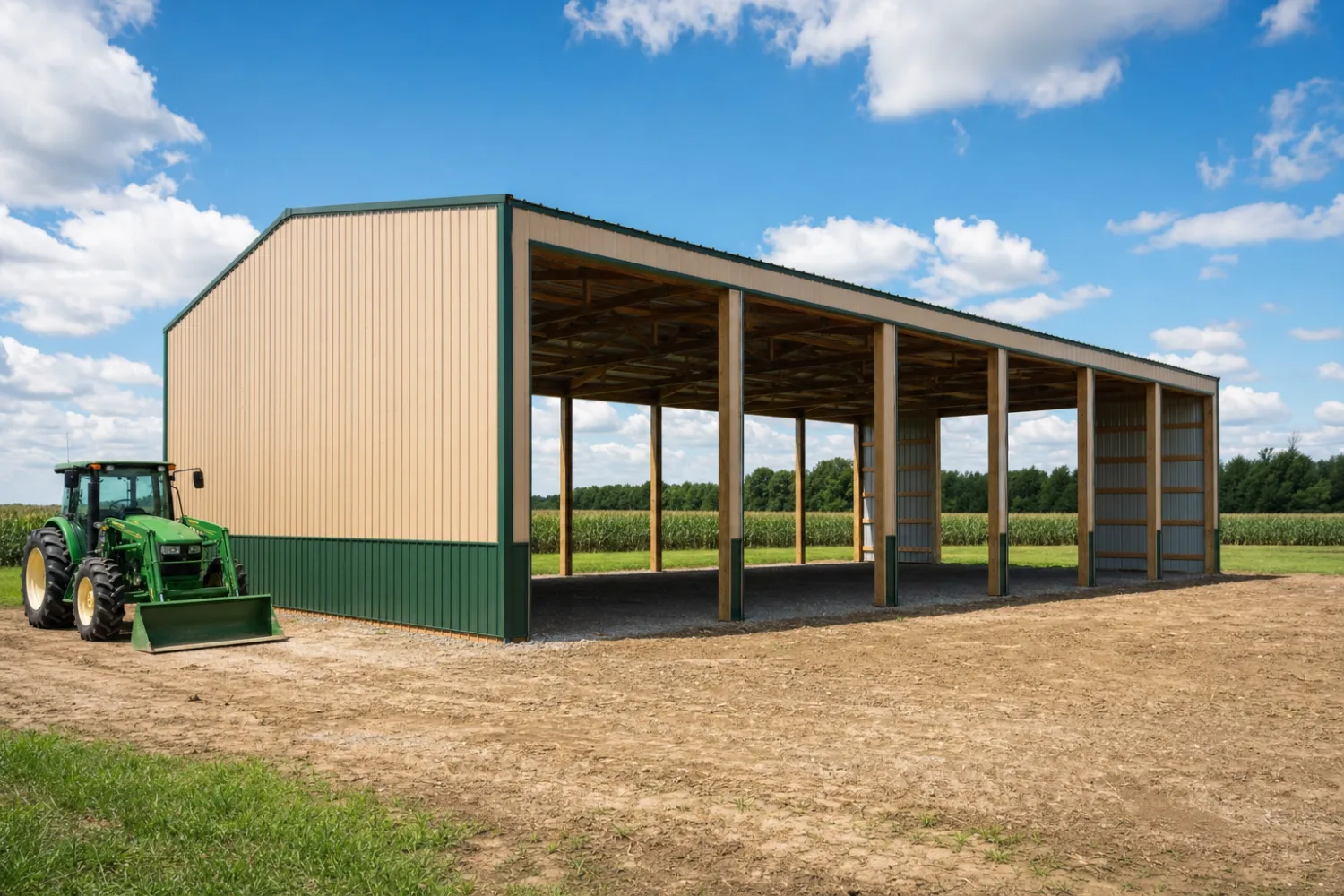
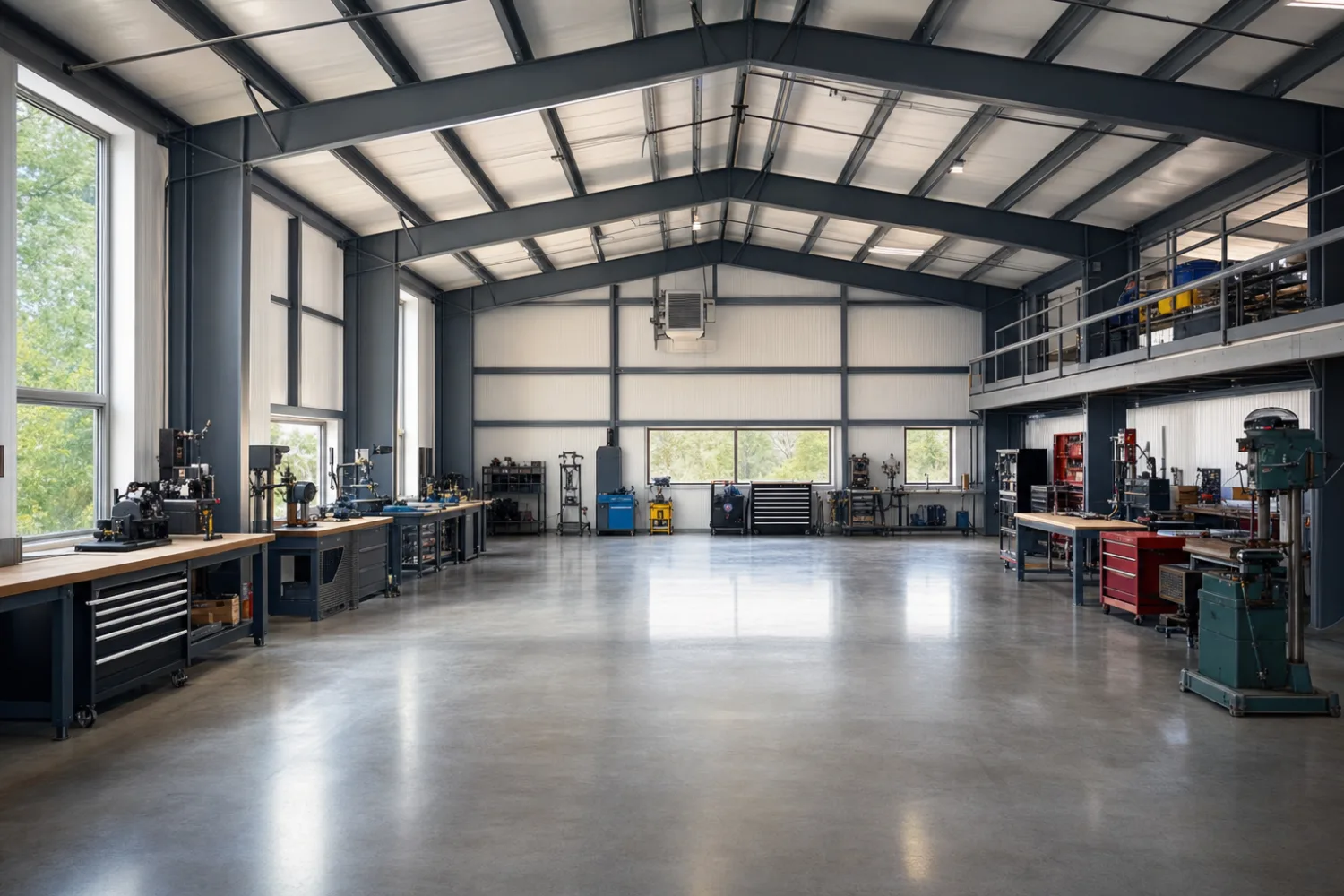
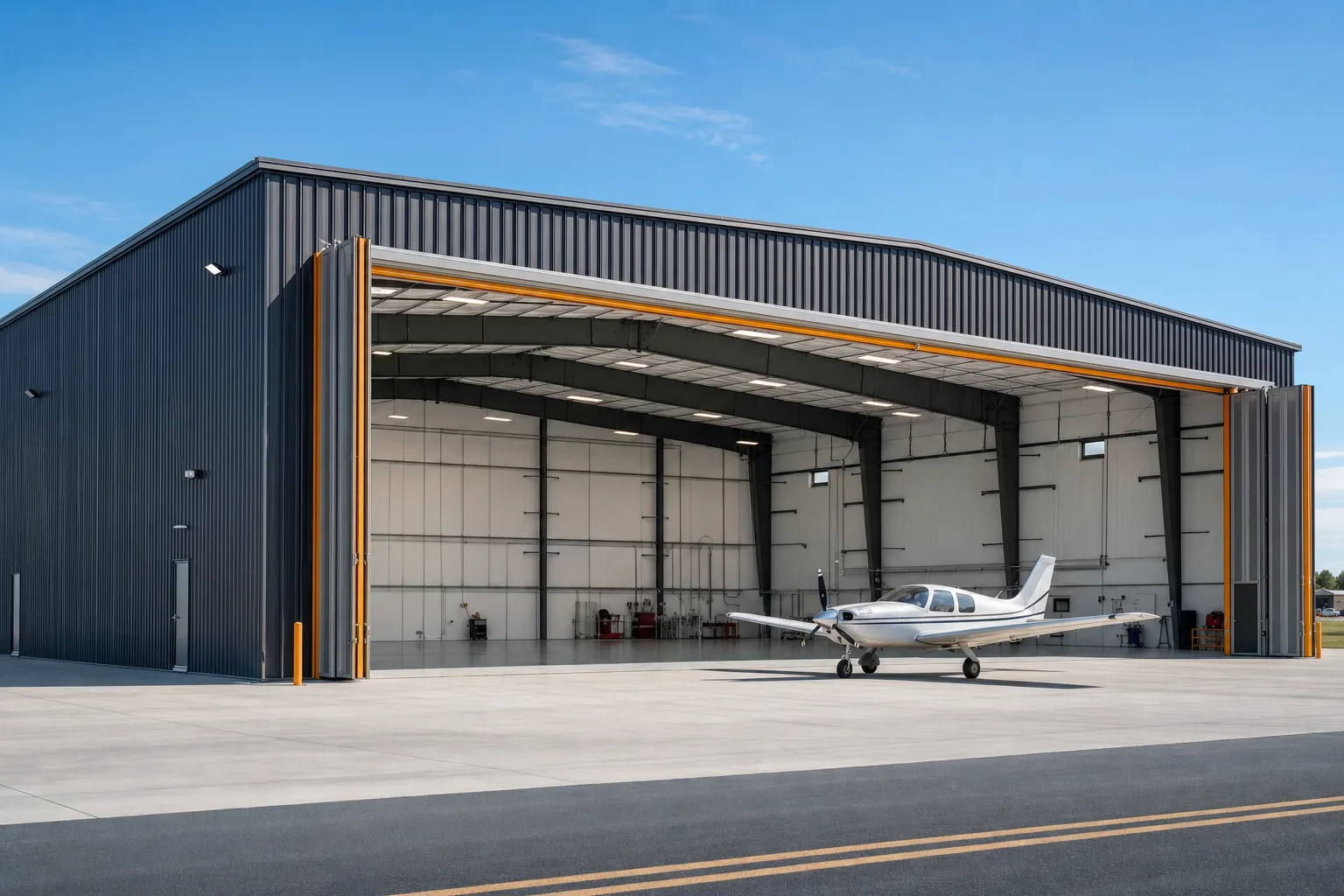
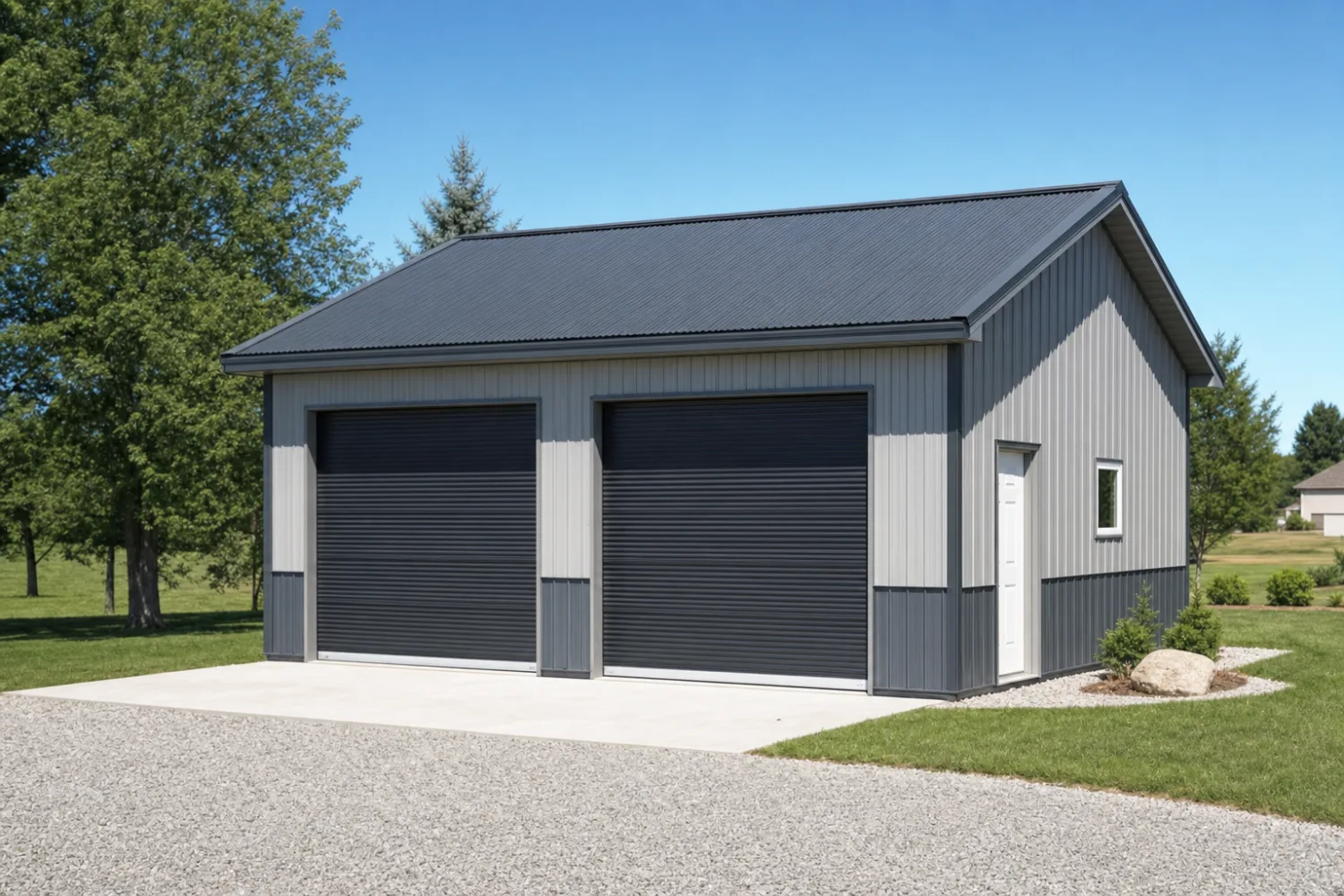
Alaskans lean on metal buildings for cold-weather storage and work space: heated shops and garages that swallow trucks and snow machines, aircraft and boat storage, equipment barns, and shells for off-grid cabins and barndominiums. The clear-span frame and the way a metal roof sheds snow are a natural fit for the climate.
Most demand clusters around a handful of metros, and each has its own permit office. In Anchorage, the Municipality of Anchorage runs building permits through its Development Services Division, the Building Permits Department at 4700 Elmore Road ‹confirm›. Smaller southeast and coastal communities such as Homer, Petersburg, and Palmer run their own building permit and inspection offices ‹confirm›, and each confirms whether a State Fire Marshal review applies to your project. Find the office that matches your address, since the one next door can enforce different rules.
FAQ
Alaska metal building questions, answered
What building code does Alaska use?
Alaska enforces no statewide residential building code for single-family homes and duplexes. The state regulates commercial buildings and residential buildings with more than three units, building on the International Building Code and the International Energy Conservation Code with Alaska amendments ‹confirm›. For a private home or shop, the code that applies is whatever your municipality or borough has adopted, and many rural areas adopt none. Confirm with your local building department.
Do I need a permit for a metal building in Alaska?
It depends on where you build. Organized municipalities such as Anchorage require building permits, while many boroughs and rural areas require none for a private accessory building ‹confirm›. Even where no permit applies, zoning rules like setbacks and lot coverage can still apply. The only reliable answer comes from calling the office that covers your parcel.
Do metal building plans need an engineer stamp in Alaska?
On a permitted build, yes. Alaska jurisdictions generally require structural drawings certified and stamped by an engineer licensed in the state, sized for your local snow, wind, and seismic loads ‹confirm›. Reputable manufacturers provide a stamped plan set for your exact address. Do not accept a generic load chart from another state.
How much does a metal building cost in Alaska?
Expect to pay more than the Lower-48 average, mostly because of freight from distant mills plus heavier engineering for snow and seismic ‹confirm›. A bare kit, a concrete slab, and installation are three separate line items, and a frost-protected Alaska foundation costs more than a mild-climate slab. Get a delivered, stamped quote for your site rather than relying on a national figure.
Are metal buildings good in earthquakes?
A metal building performs well in seismic events when its frame, base plates, anchorage, and bracing are engineered for the local seismic demand. Alaska is one of the most seismically active regions in the country, so the connections and foundation carry as much weight as the beam sizes ‹confirm›. This is the core reason a stamped engineering package matters here.
Can I build a metal building myself in Alaska?
Yes, many kits ship as bolt-together packages with pre-cut, pre-punched parts. The harder parts in Alaska are the foundation, the short building season, and lifting heavy steel safely, which often calls for rented equipment. Where a permit applies, you still need stamped drawings and the required inspections, whether you raise the building yourself or hire a crew.
What is the largest building I can put up without a permit in Alaska?
There is no single statewide answer, because the threshold is local. Some jurisdictions exempt small unconditioned accessory structures, while others require a permit for anything beyond a minor shed ‹confirm›. Adding power, plumbing, or heat usually triggers a permit on its own. Verify the exact square-foot limit with your borough or municipality before you build.
Read next
Keep reading
Compare Alaska with its neighbors and dig into the specs that decide your build:
- Metal building kits in Washington
- Metal building kits in Oregon
- Metal building kits in Montana
- Metal building kits in Idaho
- Metal building permits and codes
- Snow load and wind load explained
- Metal building foundation options
- Metal building insulation
- Metal building kit prices (pillar)
Sources
Sources
Each value above is flagged for local verification. These are the references behind the code, permit, and department facts:
- City of Homer, Building Code Information (state Fire Marshal certification for commercial and 3-plus-unit residential): https://www.cityofhomer-ak.gov/planning/building-code-information
- PermitFlow, Alaska Building Permit Guide (local enforcement of permits across Alaska): https://www.permitflow.com/state/alaska
- Municipality of Anchorage, Development Services and Code Enforcement (Anchorage building permits): https://www.muni.org/Departments/OCPD/development-services/permits-inspections
- City of Petersburg, Building Permits & Inspections (local permit requirement): https://www.petersburgak.gov/comdev/page/building-permits-inspections-0
- City of Palmer, Building (local permit and fee process): https://www.palmerak.org/community-development/page/building
- BuildingsGuide, Building Codes, Loads & Permits for Steel Buildings (stamped engineering and load requirements): https://www.buildingsguide.com/build/metal-building-codes-permits/