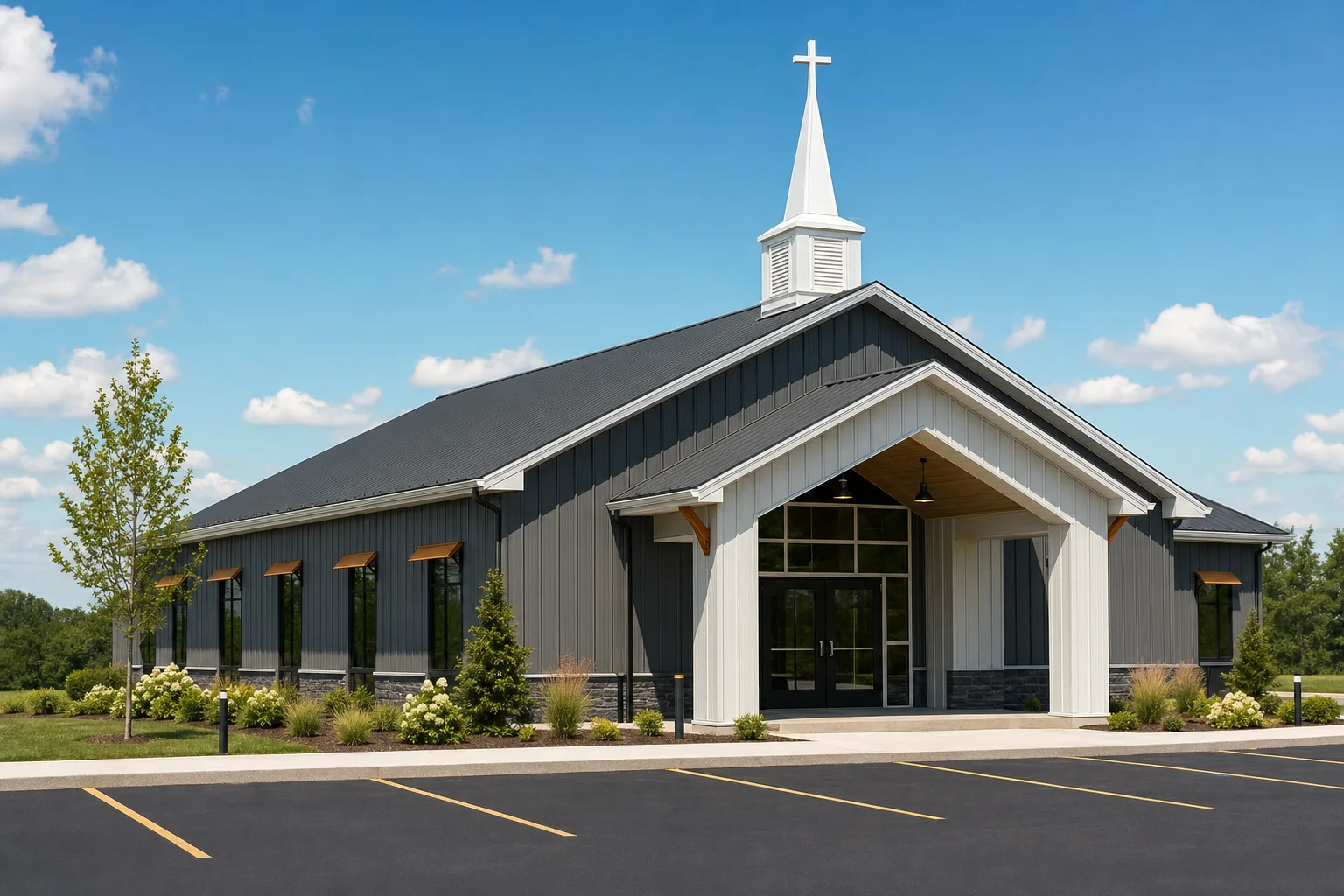
Yes, metal buildings can rust, but a modern one resists it for decades because the steel panels and frame ship with corrosion-fighting coatings: galvanized zinc, Galvalume, or paint over a metallic base. Rust almost never starts on the flat coated surfaces that cover most of the building. It begins where that coating breaks, at scratches, cut or drilled edges, fasteners, trapped condensation, and spots where the steel meets the ground. Guard those points and the building outlasts most of what stands next to it.
This page sits under the metal building kits pillar and answers the corrosion question on its own terms: why coated steel holds up, where rust shows up first, how long it takes, and what tips the odds in hard climates. For the full prevention and repair playbook, our rust and corrosion prevention guide goes step by step. Here we settle the question itself.
The coatings
Why a coated metal building resists rust
Bare steel rusts; a metal building is not bare steel. Every panel and framing member arrives with a finish whose only job is to keep water and oxygen off the metal. Three coatings do most of that work, and each fights corrosion a little differently.
- Galvanized. A zinc layer bonded to the steel. Zinc corrodes before the steel beneath it, so the coating sacrifices itself and the panel underneath stays sound. Common on tube framing and trim that sees weather on every side.
- Galvalume. A zinc-aluminum alloy coating that holds up longer than plain zinc in many climates, popular on roof and wall panels for its mix of barrier and sacrificial protection.
- Painted steel. A factory paint system over a metallic base coat. The paint adds a sealed barrier and the color you see, while the layer beneath it keeps fighting corrosion if the paint is ever scratched.
Which one you get sets the baseline for how long the building shrugs off rust, and our galvanized vs Galvalume vs painted steel guide breaks down the tradeoffs. On an intact coating, all three protect the steel for decades. The grade of steel matters less than whether that coating stays whole.
Where it starts
Where rust shows up first
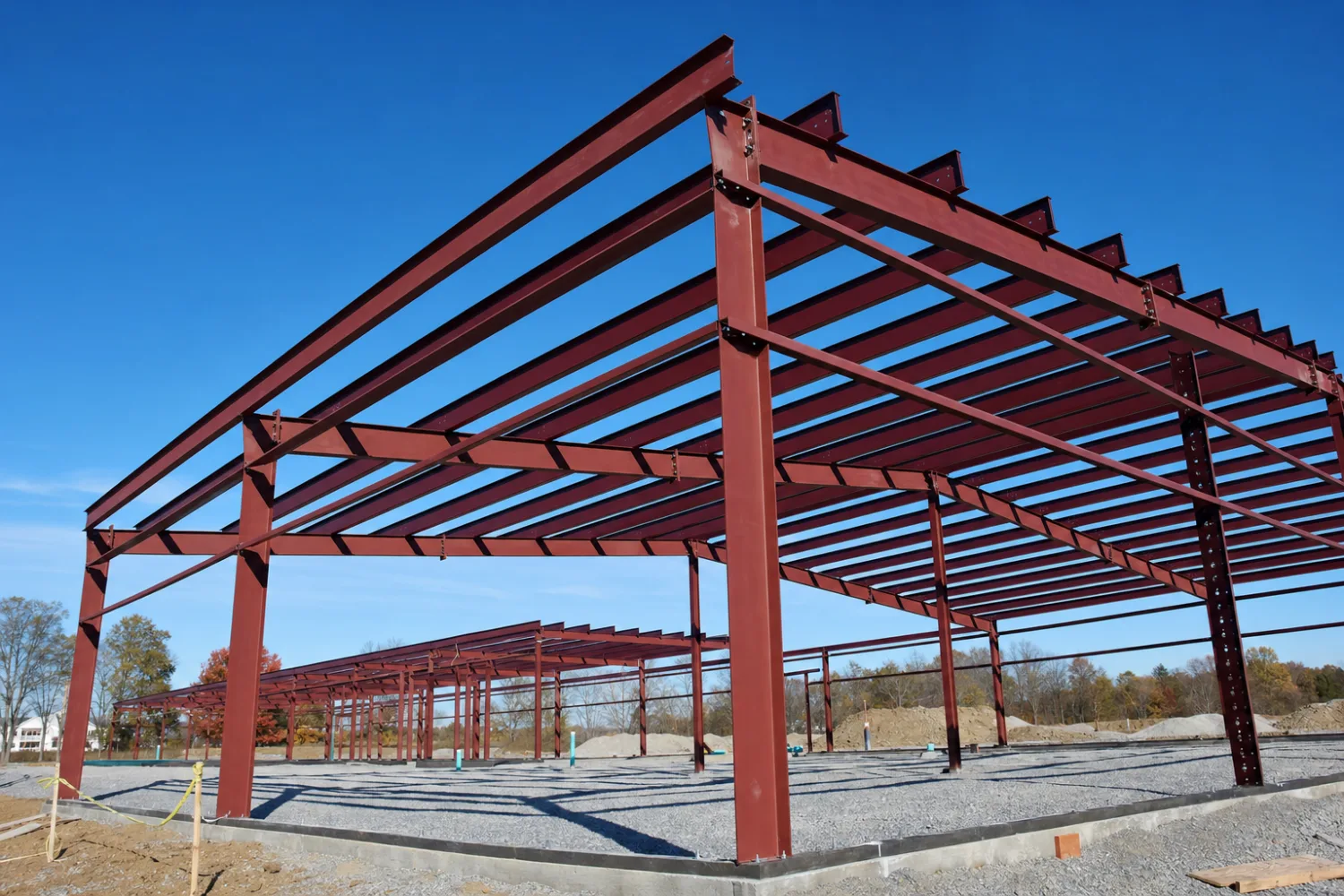
Rust starts at the exposure points, the spots where the coating is thin, broken, or absent, not in the middle of a painted panel. Five places account for most corrosion on a metal building, and the flat field of a panel is the last to go.
| First rust point | Why it starts there |
|---|---|
| Scratches and scuffs | A deep scratch from shipping or install cuts through to bare steel, and water spreads rust under the paint |
| Cut and drilled edges | Trimmed panels and field-drilled holes expose raw steel no factory coating ever covered |
| Fasteners | A stripped, over-driven, or cheap screw weeps rust and lets water past the washer |
| Trapped condensation | Moisture that beads on the inside of panels and frame sits against the steel where no one looks |
| Ground contact | A panel or base rail touching soil or standing water stays wet and rusts from the bottom up |
Rust is a coating-breach problem. Each first point is a place water reaches steel the finish does not fully cover.
Of those five, trapped condensation is the one owners miss most, because it works out of sight on inside surfaces. Insulation, a vapor barrier, and ventilation keep the steel above the dew point so it stays dry. The other four are visible on a walk-around, which is why a quick seasonal look catches almost everything before it spreads.
How long
How long before a metal building rusts?
A well-coated, well-kept metal building can stand for 40 or more years ‹confirm› before rust becomes a structural concern, and many last longer. The coating sets the clock and the site speeds or slows it. Clean, dry inland air is gentle on steel; salt, humidity, and corrosive fumes are not.
Three sites attack steel harder than the rest. Coastal salt air carries chloride that eats coatings faster, so a building within sight of the water earns a heavier paint system or upgraded coating. High humidity keeps surfaces damp long enough for rust to take hold. Farm and ranch air adds ammonia from livestock, acidic runoff, and fertilizer dust, all corrosive, so an agricultural building wants coatings rated for that exposure plus strong ventilation. Match the coating to the air the building will breathe and the lifespan stays long.
Surface oxidation is not always failure
Faint white haze on galvanized steel is the zinc doing its job, corroding ahead of the steel, not a building going bad. The zinc does wear down over the years, faster in salt air or acidic runoff, and once a spot is worn through you treat it like bare steel. That slow, visible wear is part of why metal buildings last as long as they do: the coating warns you long before the steel is at risk.
Keeping it clean
What keeps a metal building from rusting
Because rust is a coating-breach problem, prevention is detail work, not a big expense. Four habits close almost every door corrosion uses: seal cut edges and touch up scratches as soon as bare steel shows, use quality coated fasteners and swap any that weep rust, keep the inside dry with insulation and ventilation, and set the base above grade so the steel never sits in water or soil.
Rust is patient, so you cannot be. A scratch sealed today is a five-minute job; the same scratch left a winter is a rusted panel and a weekend.
Build that check into routine maintenance: walk the building each season, hit bare spots and fastener trails while they are small, and confirm drainage still keeps the base dry. For the full how-to, including how to treat surface rust before it spreads, the rust and corrosion prevention guide walks every step. Do the small things and the answer to whether your building rusts stays a confident no.
Related
Read more
This question connects to coatings, moisture, and lifespan. Follow these next:
- Metal building kits: the complete guide (the parent pillar).
- Rust and corrosion prevention (the full prevention and repair playbook).
- Galvanized vs Galvalume vs painted steel (the coatings that fight corrosion).
- Metal building condensation & ventilation (stopping the moisture that rusts steel from inside).
- How long do metal buildings last? (what coating life means for the whole building).
- Metal building maintenance (the seasonal checks that catch rust early).