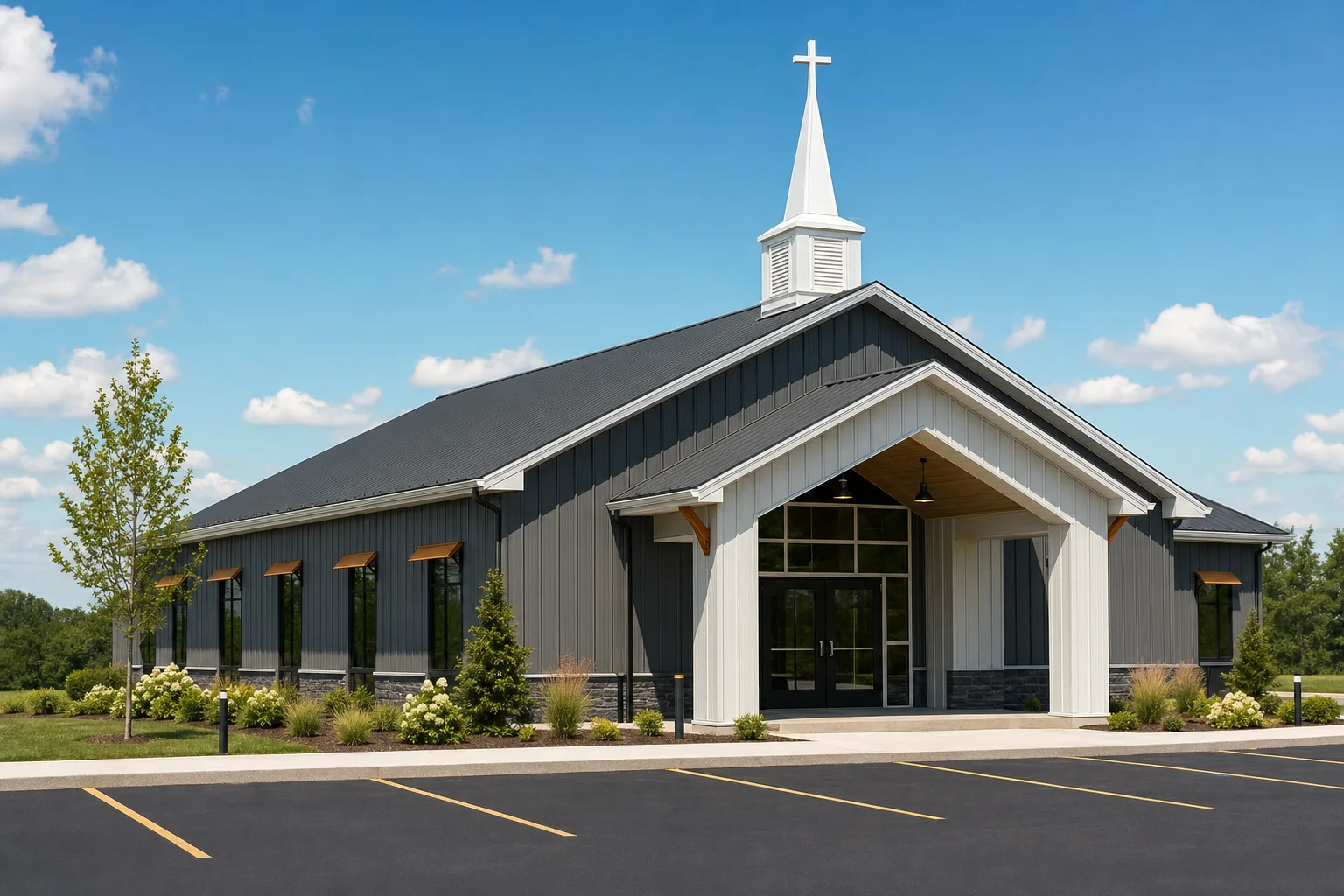
Yes, a properly engineered metal home is one of the safest house types you can live in during a storm. A steel frame is non-combustible, holds together as one rigid unit under high wind, and is stamped to a design wind and snow load for your exact address, so it tends to outperform a comparable wood-framed house in the same weather. The safety comes from the engineering, not the word “metal,” and no above-ground home is safe against a direct hit from a violent EF4 or EF5 tornado.
This page is the deep answer to the storm-safety question, and it sits under the metal building homes pillar. Below: why steel handles wind, fire, and snow well, where the real limits are, and how to make sure the home you buy is rated for the weather where you build. For how a metal home stacks up overall, see metal homes vs traditional houses.
Why steel holds up
Why metal homes handle storms well
Steel earns its storm reputation for three reasons working together: it resists wind, it does not burn, and a stamped frame stays connected when wood pulls apart. A welded and bolted steel frame carries the load as one rigid unit, so it resists the racking and the uplift that tear a roof off a stick-built house. Steel does not splinter into the flying debris that feeds a storm, and it will not catch from a lightning strike or a nearby wildfire.
| Storm threat | How a steel-framed home tends to fare |
|---|---|
| High wind (straight-line, hurricane) | Rides out the rated wind speed when engineered and anchored for it ‹confirm› |
| Tornado (EF0–EF2) | Often survives the common, weaker tornadoes that make up most twisters ‹confirm› |
| Tornado (EF4–EF5) | A direct hit can destroy almost any above-ground home; use a true shelter |
| Snow load | Carries the stamped roof load for your county; clear-span frames shed weight well |
| Fire and lightning | Non-combustible frame; will not ignite or feed the flames |
Illustrative outcomes, not a guarantee. A home rated and anchored for your site sets the real limit.
None of this makes a metal home invincible. It makes a stamped, anchored steel home one of the better odds you can buy against common storms. The frame choice sets the ceiling, which is why the construction types pillar treats the framing decision as step one of any storm-ready build.
What decides it
What makes a metal home storm-safe
A metal home survives weather because of three things, and skipping any one leaves the house only as strong as its weakest link. Heavy steel anchored to a thin slab is no safer than light steel done right.
- A frame stamped to your site. Every address carries a design wind speed and a ground snow load from the code maps. A reputable builder engineers the frame to meet or beat both, and in storm country you can order a higher wind rating, more bracing, and closer framing for real added capacity.
- Anchoring that resists uplift. The most dangerous storm force is often lift, not the sideways push, so the connections to the foundation decide whether the home stays put. Confirm the anchoring and the slab are engineered to the same wind speed as the frame.
- A roof and envelope rated to match. A standing-seam metal roof, properly fastened, resists wind uplift and sheds snow, and it carries a long warranty. The roofing and porch options guide covers how roof choice changes the storm picture.
A frame is only as strong as its anchors
A frame stamped for 150 mph wind only performs if it is anchored for 150 mph wind. Bolts into a thin slab will not hold a home the steel itself could survive. When you compare storm-country quotes, confirm the anchoring and the foundation are engineered to the same number as the frame, because the weakest link sets the true limit.
The honest limits
Where a metal home reaches its limit
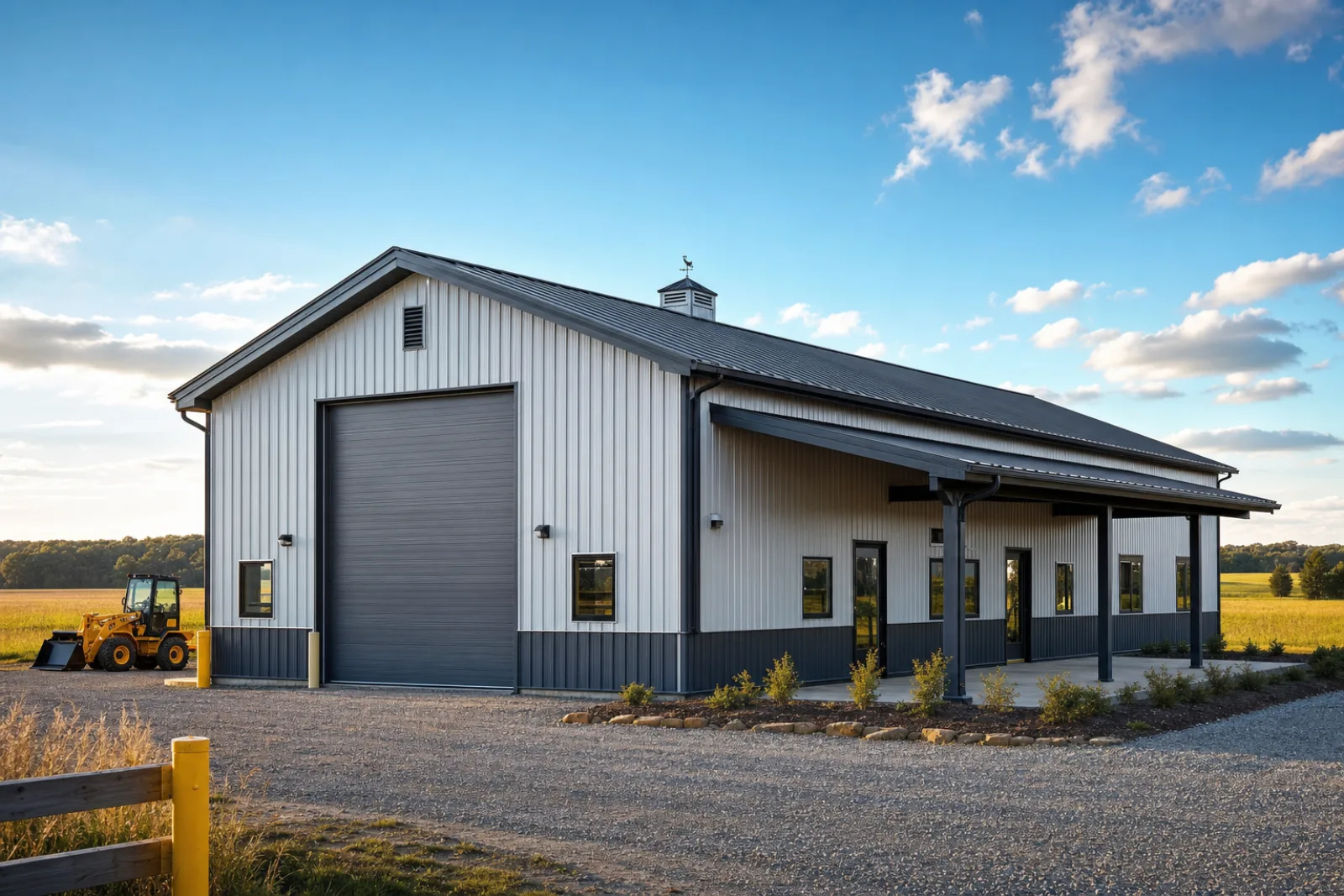
Storm-safe does not mean storm-proof, and a few threats deserve a straight answer. A direct hit from a violent EF4 or EF5 tornado, with winds past 200 mph ‹confirm›, can destroy almost any above-ground home, steel included, so a metal house is not a substitute for a hardened storm shelter or below-ground refuge. Build the home to a strong wind rating and keep a true shelter as the plan for the rare violent storm.
Two more points are worth saying plainly. Hail dents metal roofing and siding without harming the structure, which is cosmetic, not a safety failure. And a steel frame does nothing for a flood, so site the home and its slab above the flood plain like any other house. Lightning, a common worry, is the easy one: a grounded steel frame conducts a strike safely to earth and will not ignite, which is part of why steel reads as low-risk to underwriters.
Storm-proof is a marketing word. Engineered, stamped, and anchored for your wind and snow load is the real thing, and it is the only claim worth paying for.
That low-risk profile shows up on the policy. Because steel resists fire, wind, and pests, many insurers view a metal home favorably, though the rate depends on your engineering and your region. The insurance considerations for metal homes guide walks through how storm rating, roof type, and location shape what you pay to cover the house.
On the quote
How to buy a storm-ready metal home
Never assume a quoted price includes the wind and snow rating your area needs. The most common buying mistake is comparing two prices without checking that both are stamped for the same loads, because a cheaper quote is often cheaper precisely because it is rated for lighter weather. Get the design wind speed and ground snow load in writing, and make sure both meet or beat what your building department requires.
Ask the builder for engineer-stamped drawings that show your design wind speed in mph, your exposure category, and your ground snow load for your address. A building department will require those stamped drawings for the permit anyway, so a reputable builder engineers them to your site as a matter of course. If a quote will not state its storm rating plainly, treat that as a red flag worth more than the price.
Related
Read more
This answer connects to the framing, the insurance, and the rest of the home-buying decision. Follow these next:
- Metal building homes: the complete guide (the parent pillar).
- Insurance considerations for metal homes (how storm rating and roof type shape your premium).
- Metal homes vs traditional houses (the full side-by-side, including storm performance).
- Metal home roofing and porch options (how the roof changes the wind and snow picture).
- Construction types and DIY (the framing and load engineering behind a storm-ready home).