Sometimes. A metal building kit is usually tax deductible when you use it to earn income, a business shop, a farm structure, or a rental, by writing off its cost over time through depreciation, and in some cases sooner. A kit you put up for purely personal use is generally not deductible. As a 2026 illustrative range, a 30×40 steel shell runs about $11,000 to $26,000 ‹confirm› before slab, permits, and delivery, and how much of that you can deduct turns on use, not on the price tag.
This page sits under the metal building kit prices pillar and gives the fuller answer that our how to save money on a metal building kit guide touches on briefly. Below: when a kit qualifies, how the write-off works, where personal use draws the line, and why every figure here is a dated 2026 illustrative range to confirm with a tax professional. Nothing on this page is tax advice.
When it qualifies
When a metal building kit is tax deductible
The deduction follows the use, not the steel. If the building helps you produce income, its cost generally enters the tax picture as a business or farm asset you recover over time. If it shelters your truck and lawn gear for personal reasons, it does not.
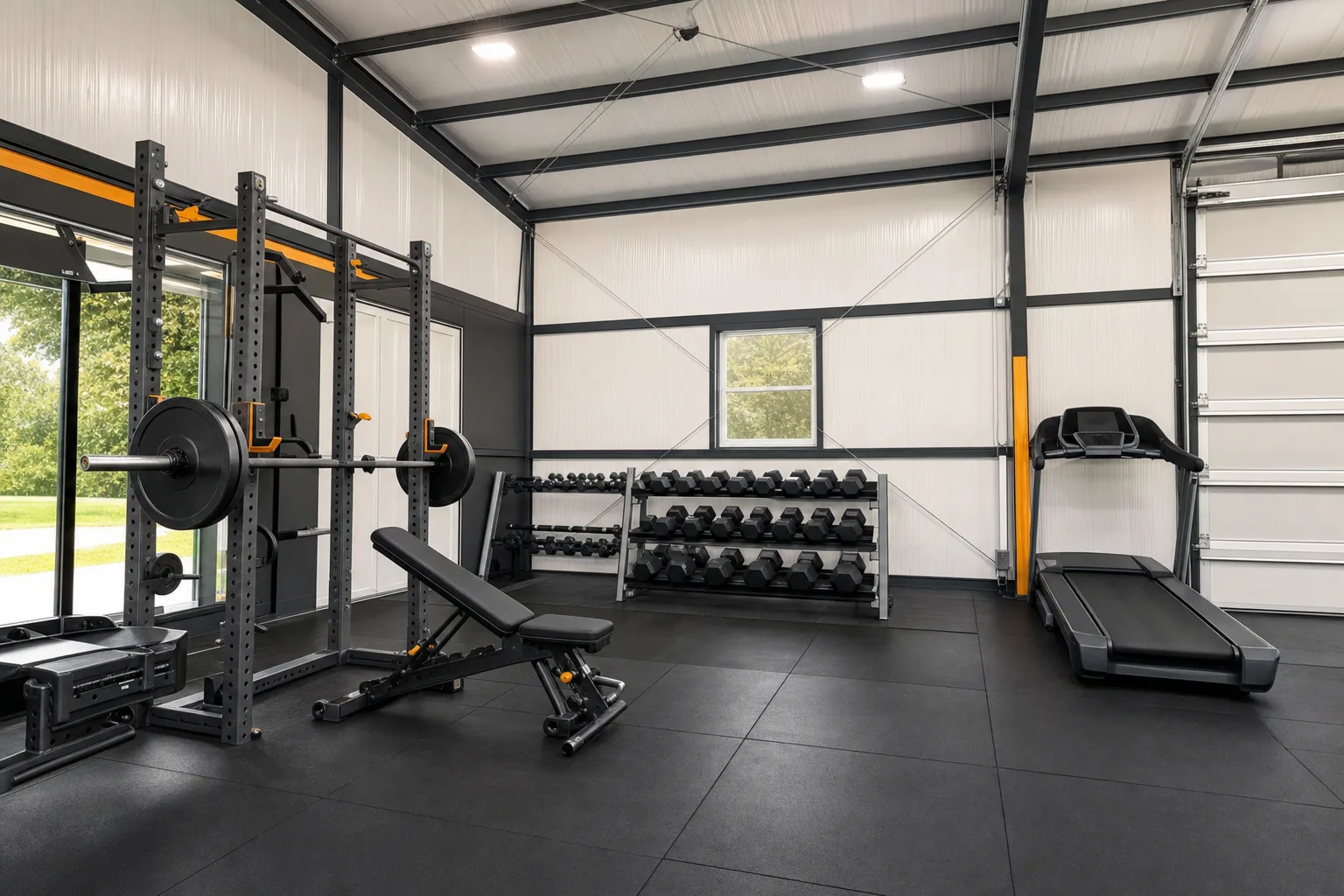
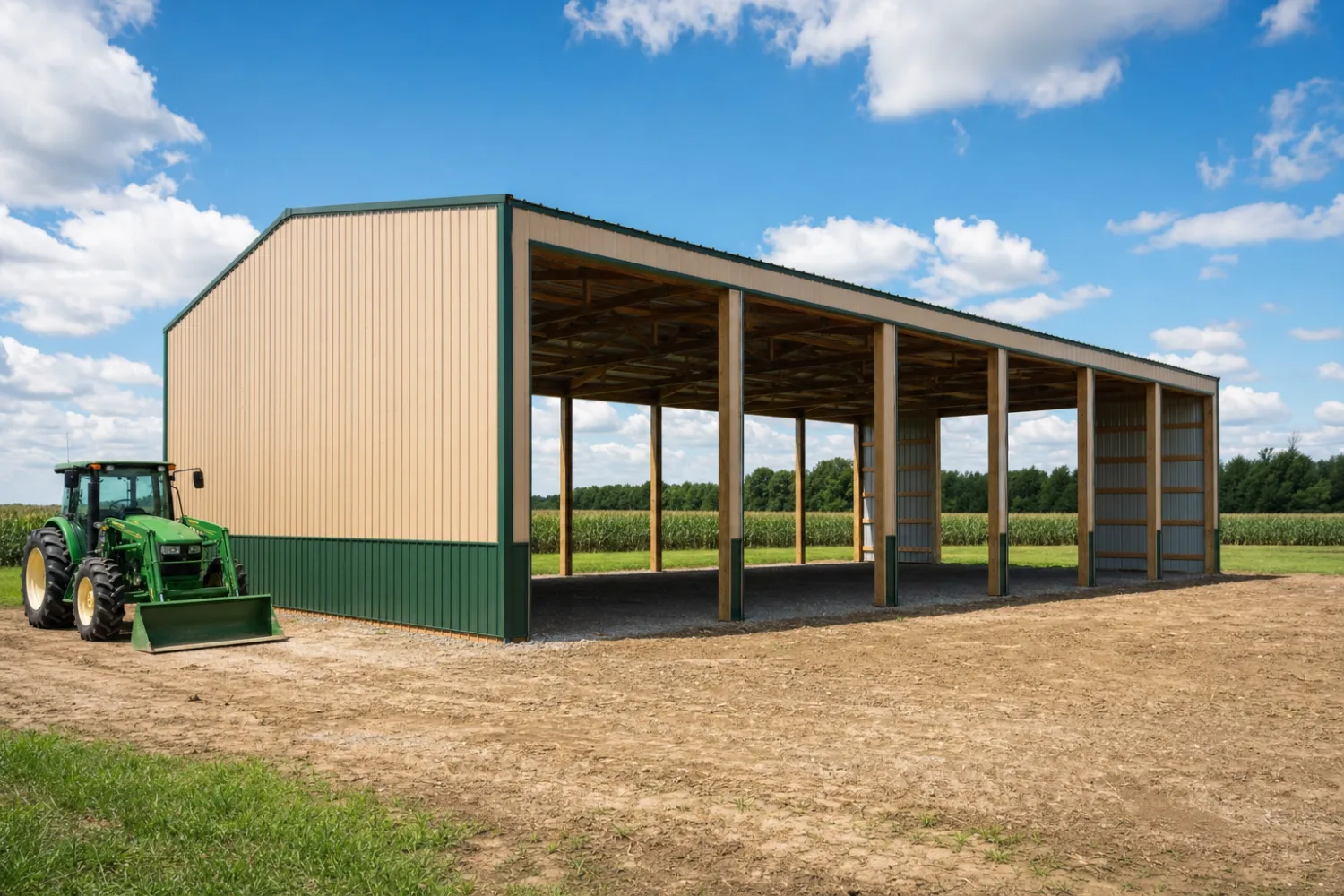
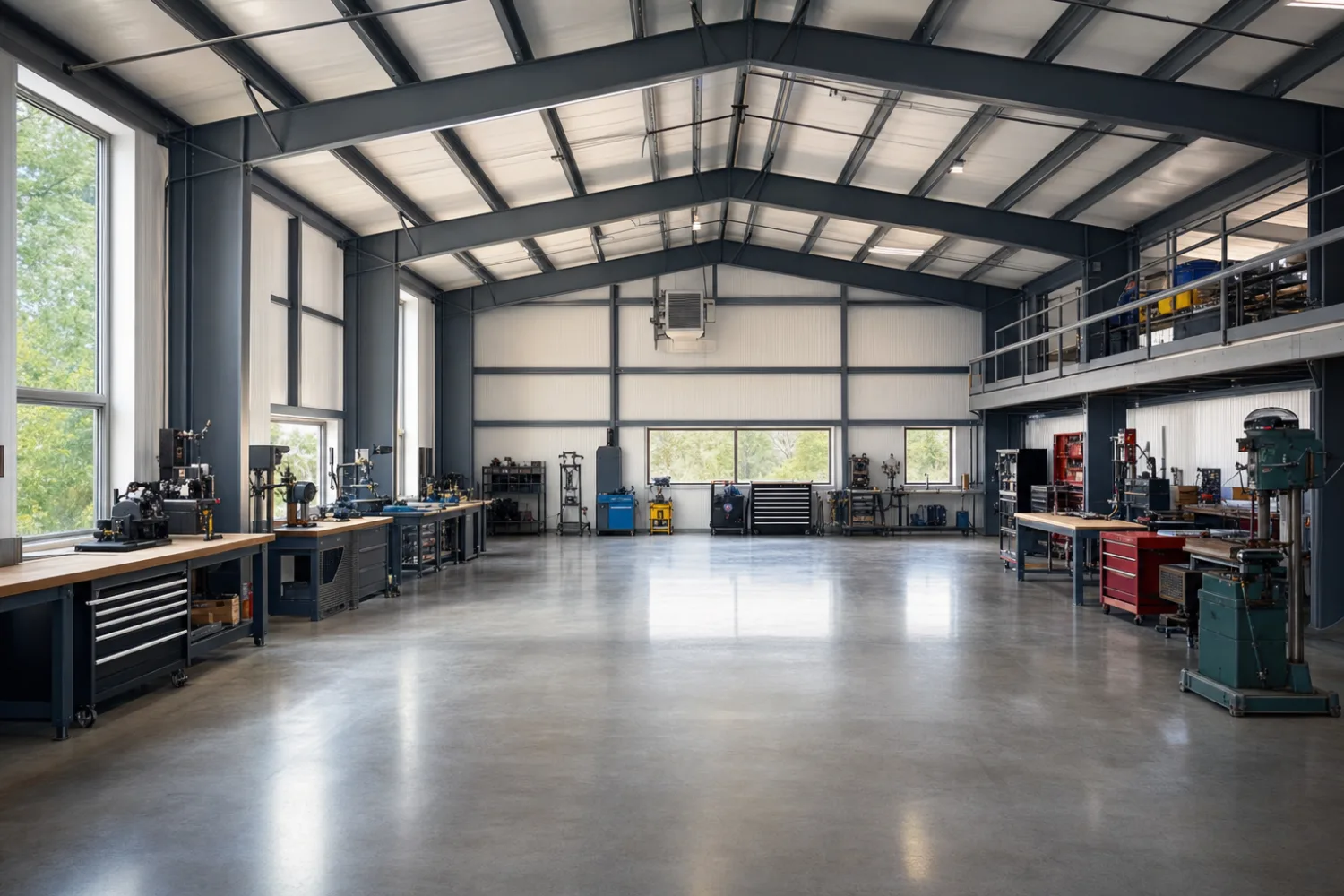
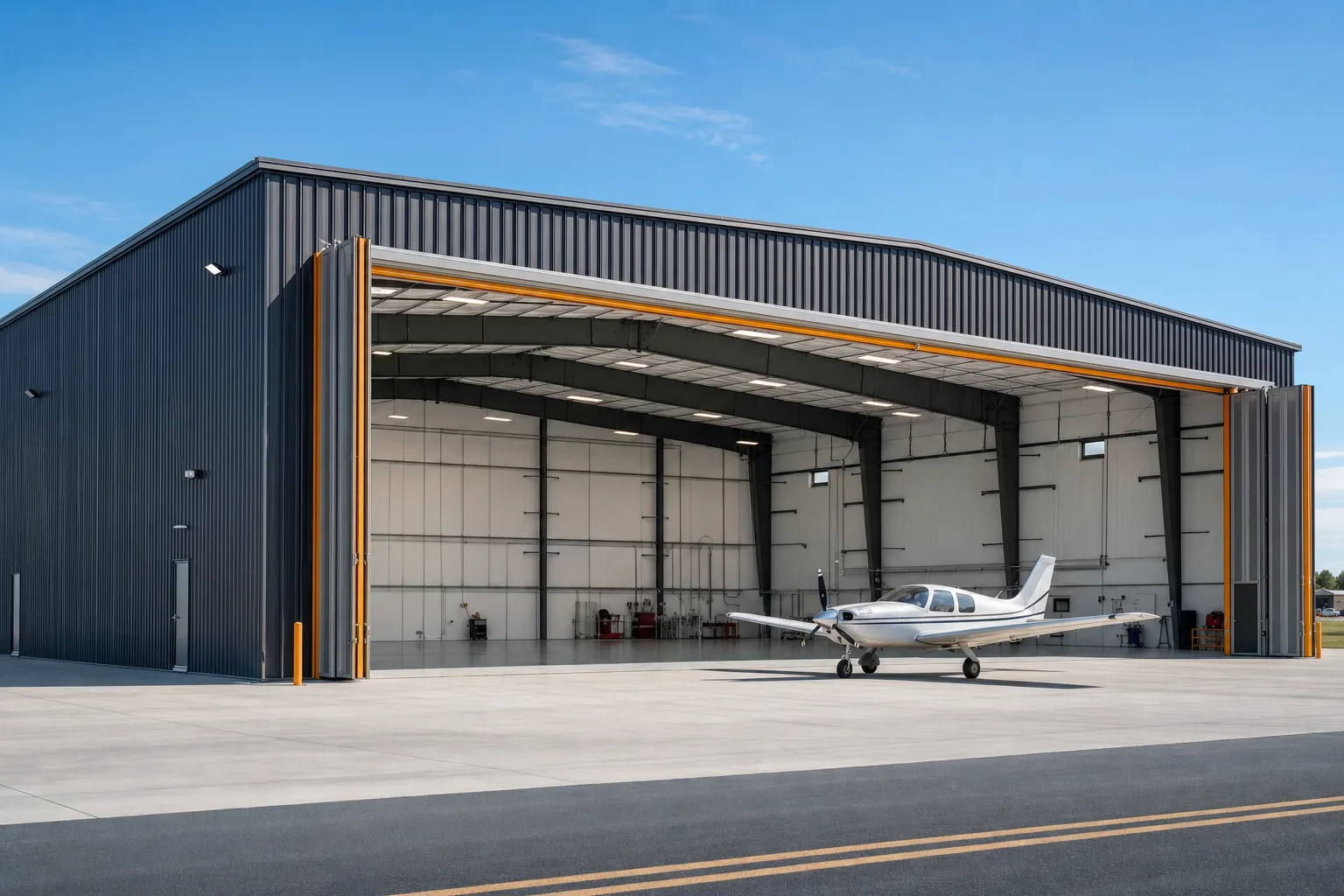
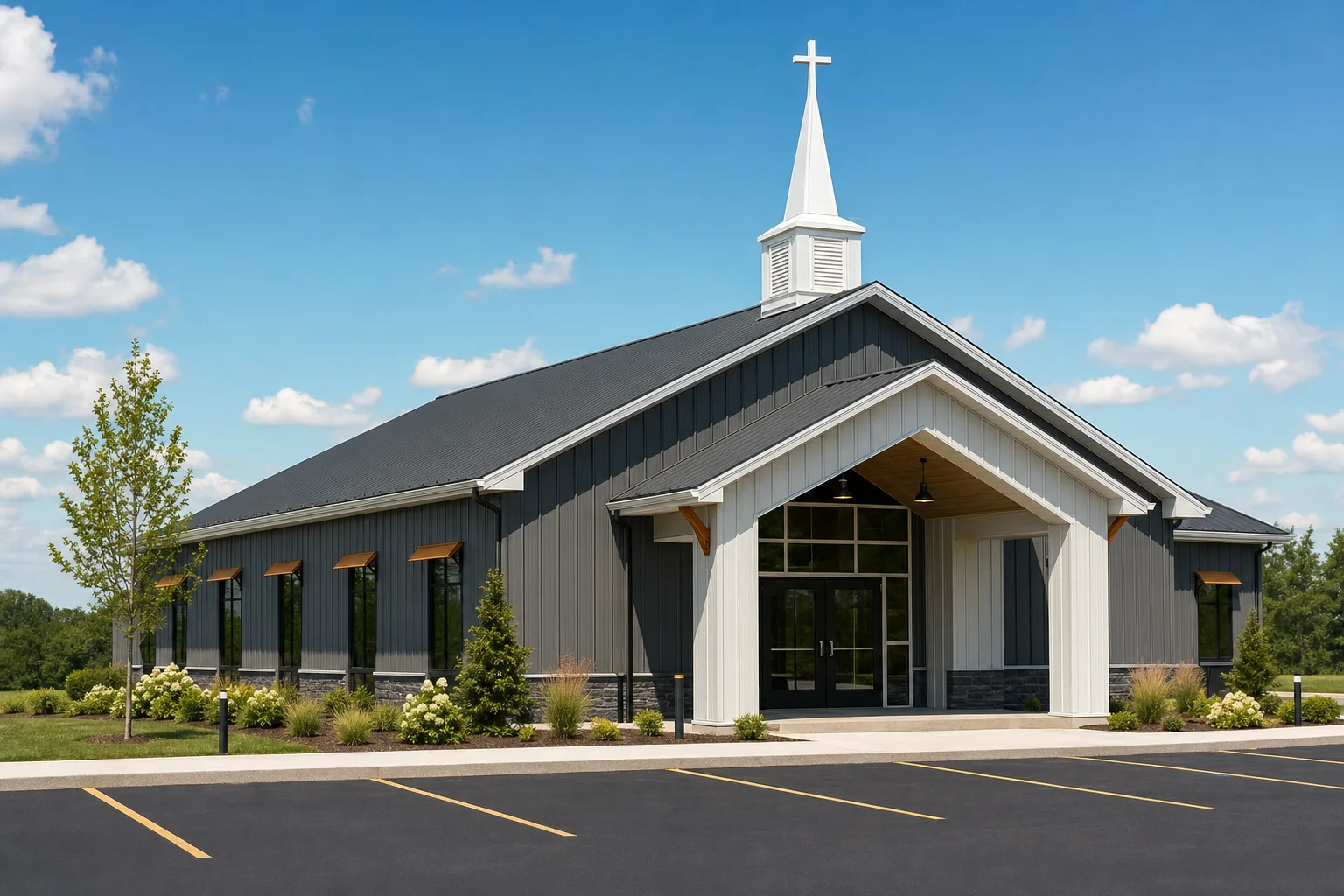
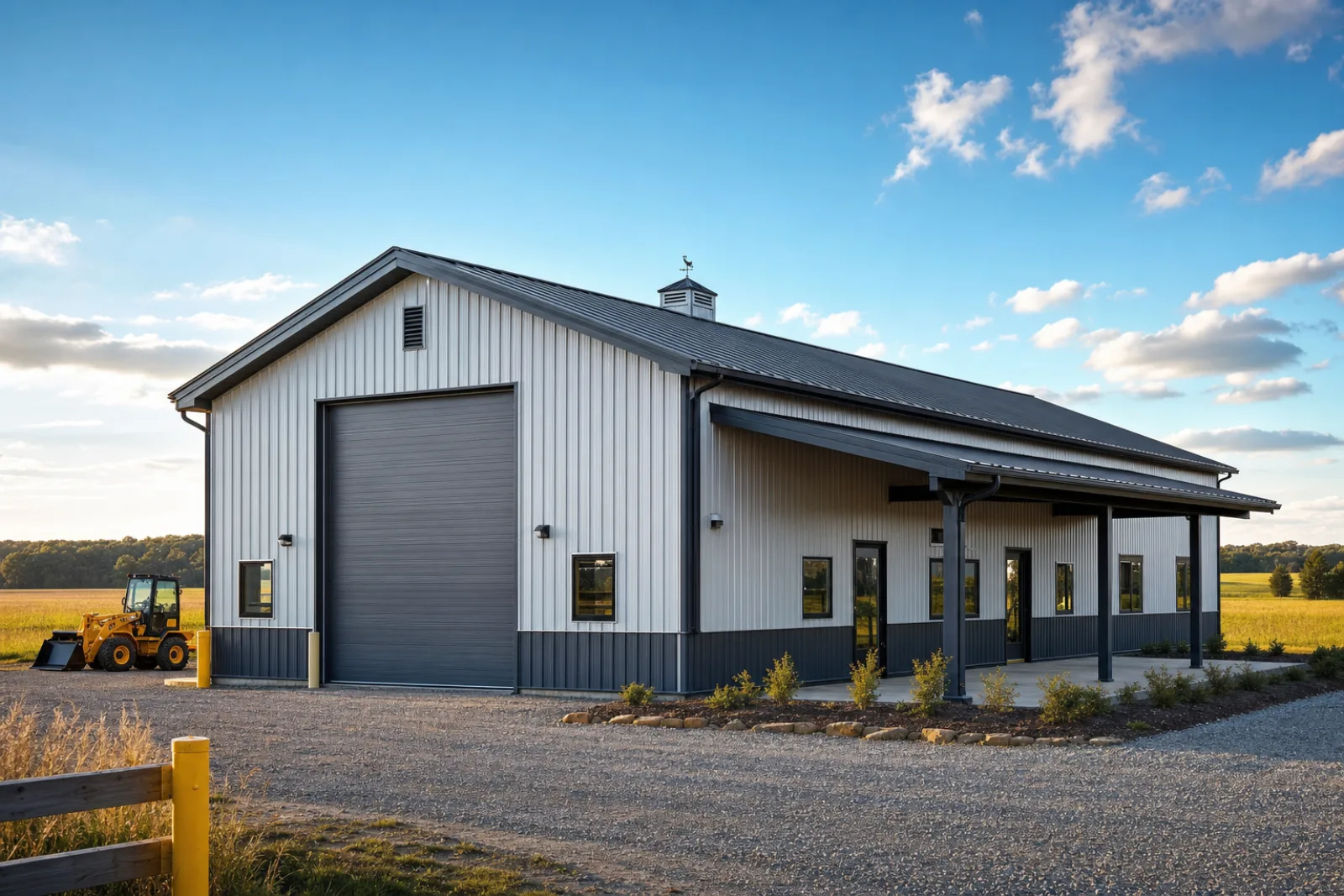
Common qualifying uses include a working shop or warehouse, a rented storage building, a barn or other farm structure, and a workspace tied to a registered business. Even a home property can hold a deductible slice when part of the building is a dedicated home office or a building you rent out, though the rules tighten fast. The same shell frames all of these, which is why the wider metal building uses pillar matters to the answer: how you use it decides how it is taxed.
How the write-off works
How you deduct the cost: depreciation and faster options
You rarely deduct the whole kit in one year. A permanent building is a capital asset, so the standard route spreads the cost across its useful life through depreciation. A few rules can pull more of that deduction forward when the property qualifies, and each one has limits set by current law.
| Method | What it does | Typical fit |
|---|---|---|
| Standard depreciation | Recovers the cost in pieces across the building’s recovery period, often around 39 years for a nonresidential structure ‹confirm› | Most permanent business buildings on a foundation |
| Section 179 expensing | Lets a qualifying business deduct much or all of eligible property’s cost in year one, up to an annual cap ‹confirm› | Certain equipment-like or single-purpose structures, with exclusions for general buildings ‹confirm› |
| Bonus depreciation | Adds an extra first-year write-off on qualifying property, at a percentage set by current law ‹confirm› | Qualifying components and some improvements |
| Farm / ag structures | Single-purpose agricultural or horticultural structures may use a shorter recovery period ‹confirm› | Livestock, greenhouse, and specific farm uses |
Illustrative 2026 methods, not a fixed schedule. Eligibility, caps, and recovery periods change. Confirm each with a tax professional.
A wrinkle trips up many buyers: the building shell itself is often treated as real property, which can sit outside Section 179 and full bonus depreciation, while certain components and farm-specific structures are treated differently. The total cost you depreciate also includes more than the kit, the slab, the foundation, permits, and delivery that get the building standing. Track every line, because the figure you deduct is the all-in cost, not the shell quote.
Personal use
When a metal building kit is not deductible
A building you use for personal reasons does not earn a deduction. A garage for your own cars, a backyard workshop for hobbies, or a carport over the family RV is a personal expense, and the cost stays on your side of the ledger.
The use decides the deduction, not the steel. The same kit is a write-off behind a business and a personal expense behind a house.
Mixed use lands in between. If you run a side business from a building that also stores personal items, only the business share tends to qualify, and you need records that show the split. The cost itself does not change with the tax treatment, so for the underlying numbers start with the metal building cost guide and confirm the deductible portion with a professional who knows your situation.
Doing it right
How to claim it without trouble
A clean deduction rests on records and the right advisor. Before you count on a write-off, line up the proof and the guidance:
- Keep every cost in writing. Save the kit invoice, the slab and site work, permits, and delivery, since the deductible basis is the all-in cost, not the shell alone.
- Document the use. Note what the building is for and, on mixed use, the business share, because that split drives how much qualifies.
- Match the method to the property. Whether depreciation, Section 179, or bonus applies depends on the building type and current law ‹confirm›, not on what a seller promises.
- Talk to a CPA before you buy. Tax treatment can shape the spec and timing, so fold it into the budget the way you would financing a kit.
This is not tax advice
Tax rules change by year, by entity, and by state, and a metal building can be treated as real property, a farm structure, or business equipment depending on the details. Treat every figure here as a 2026 illustrative range and confirm your own deduction with a licensed CPA or tax advisor before you file.
Done right, the tax side can take real money off the long-run cost of a building you were going to put up anyway. It does not change the sticker, so the savings sit alongside the rest of the levers in how to save money on a metal building kit. The same building frames garages, shops, barns, and homes, so for the wider buying picture start at the metal building kits pillar.
Related
Read more
This tax answer connects to the rest of the cost picture. Follow these next:
- Metal building kit prices (the parent pricing pillar).
- How to save money on a metal building kit (every cost lever in one place).
- Metal building cost guide (the all-in numbers you depreciate).
- Hidden costs: foundation, permits, delivery (what to add to the basis).
- How to finance a metal building kit (budgeting the build).
- Metal building kits (the cross-silo buying pillar).