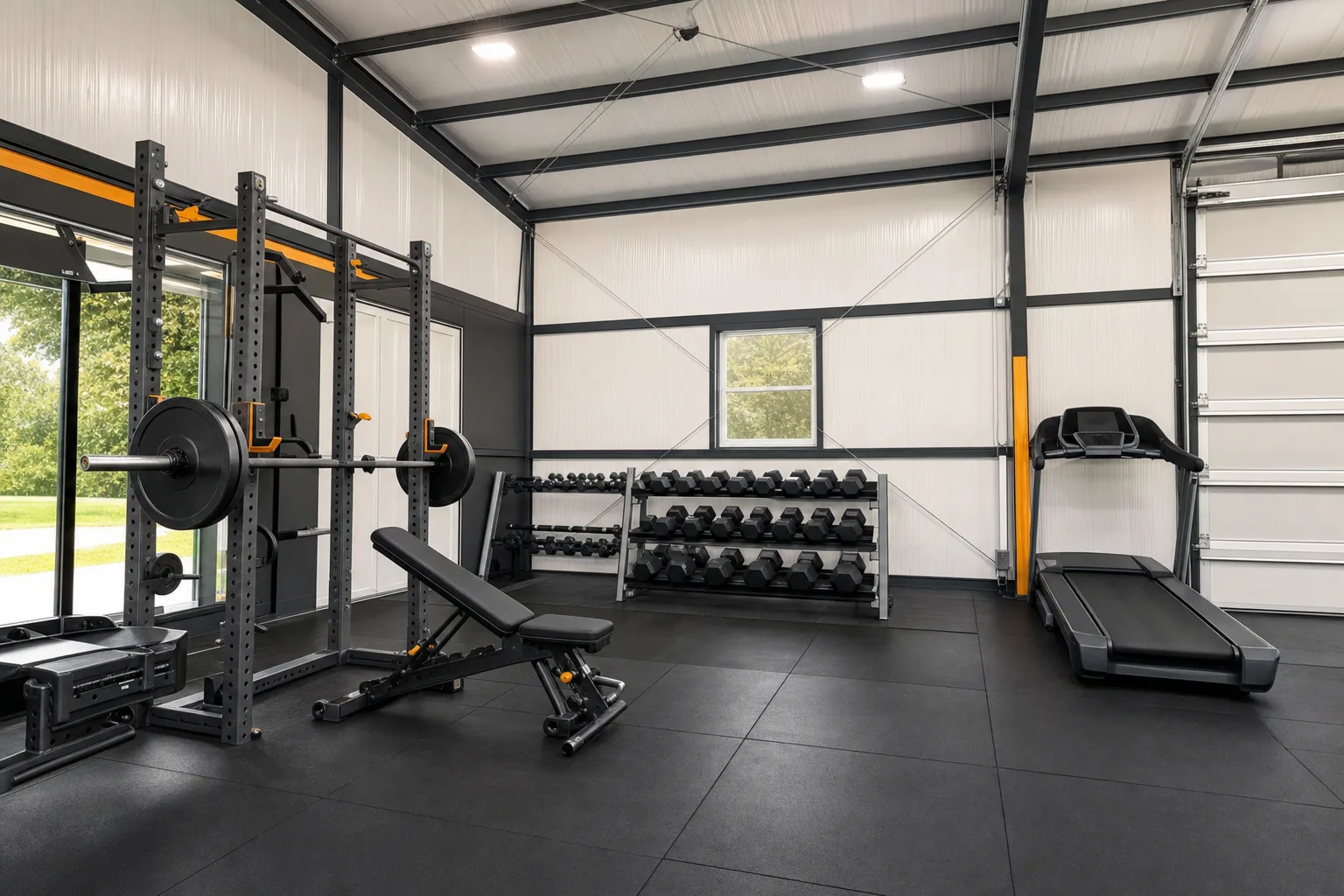
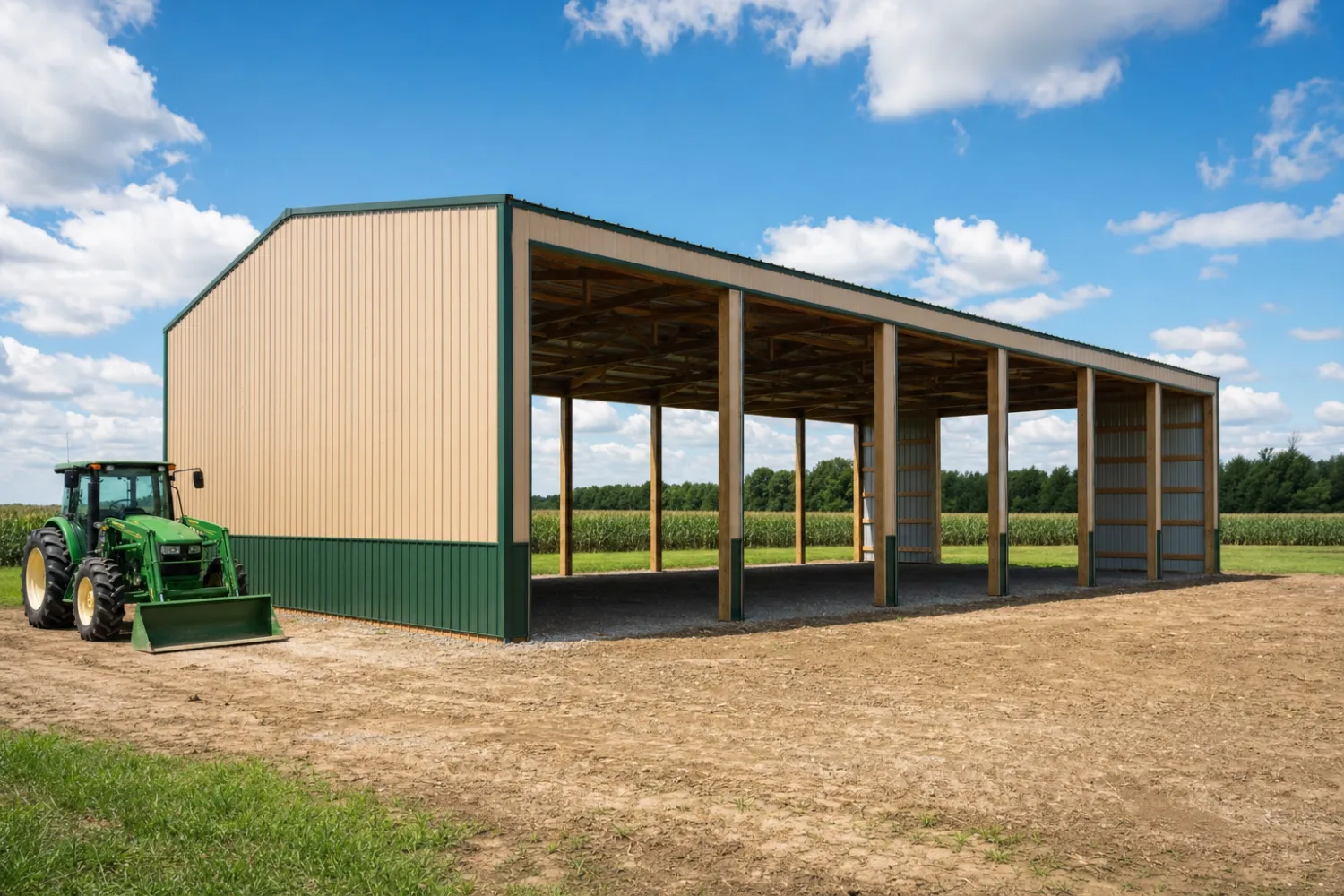
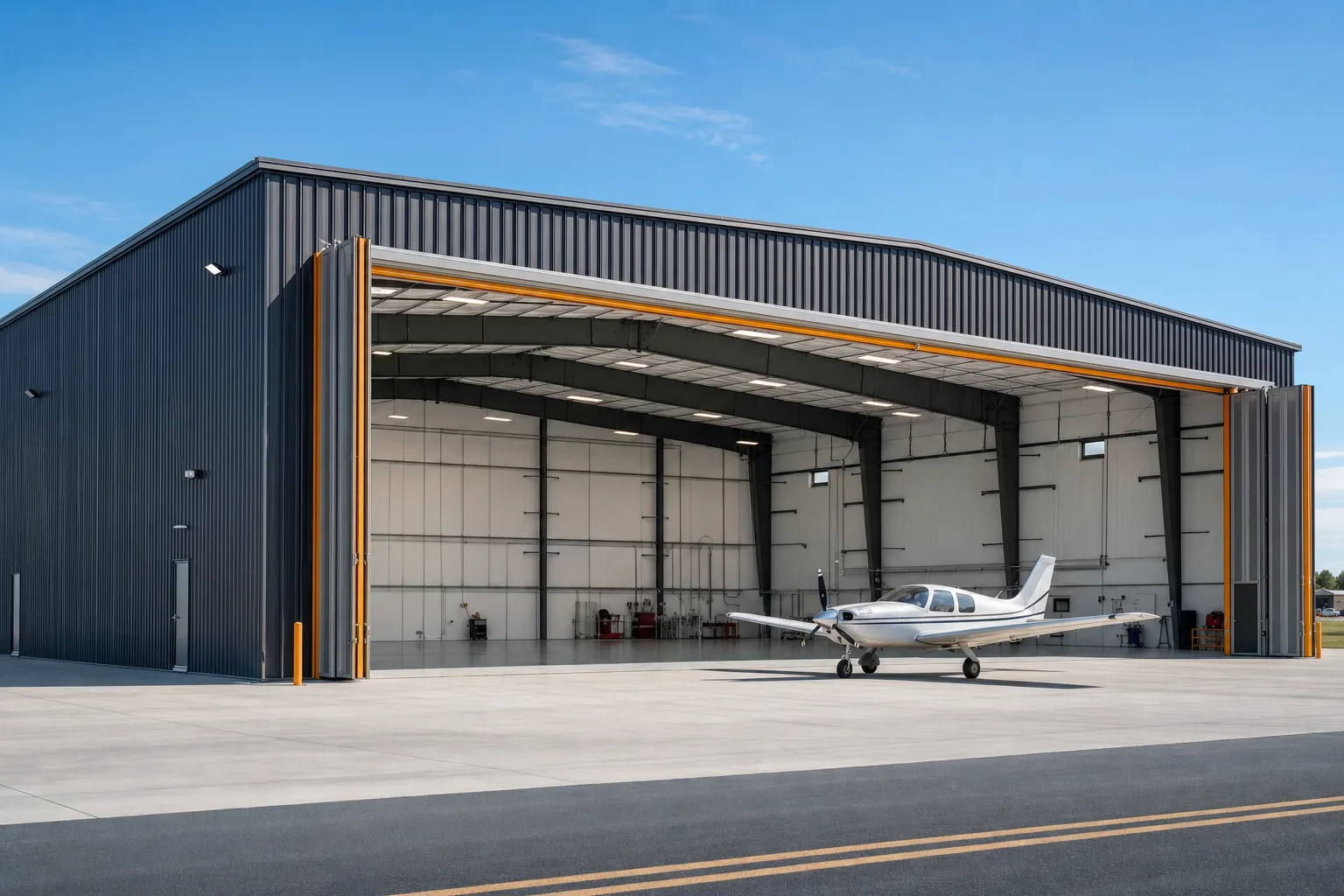
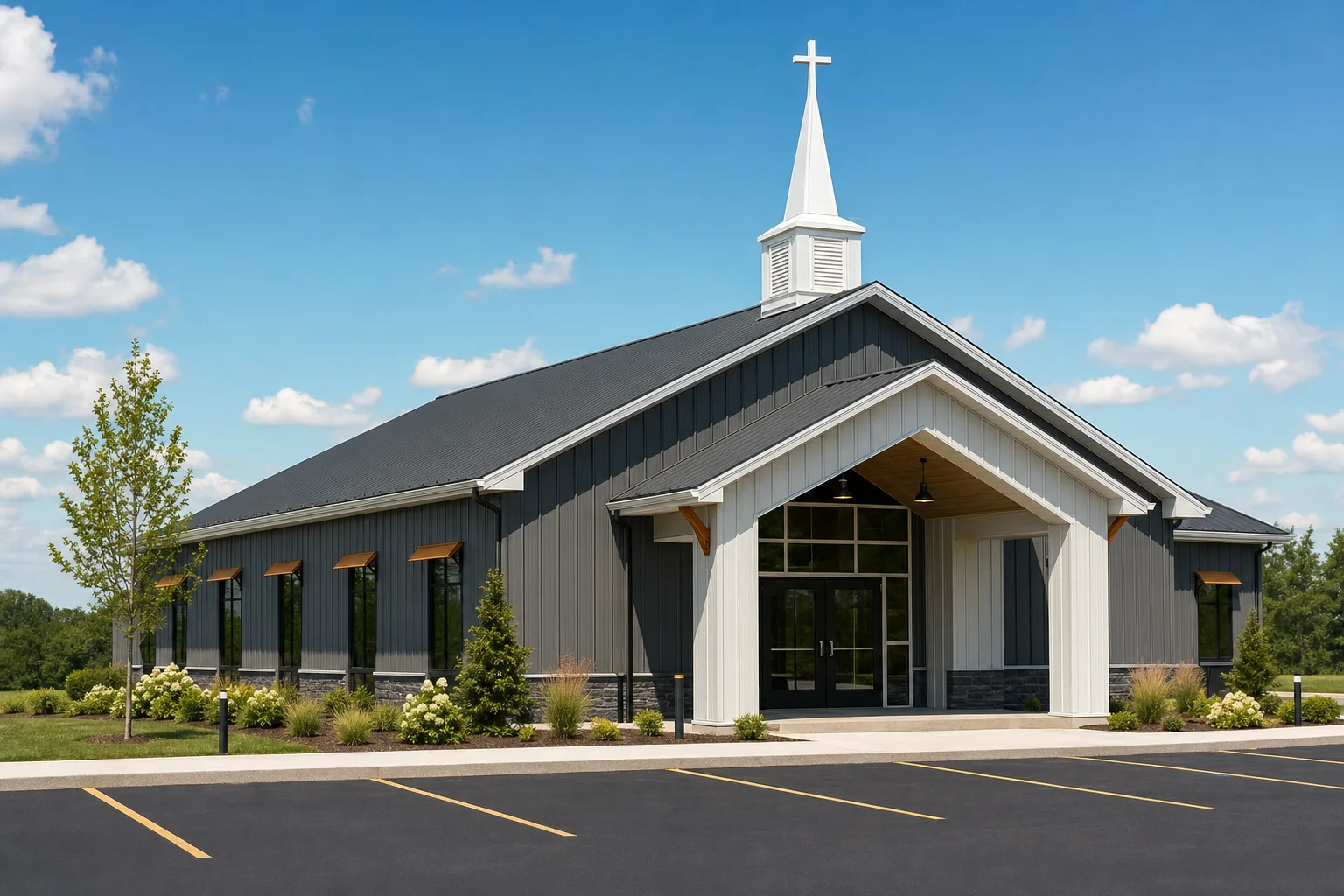
You heat a metal building by insulating the shell first, then matching a heat source to the space: a hanging gas or propane unit heater for shops and garages, a ductless mini-split heat pump for a climate-controlled room, in-slab radiant heat for even warmth underfoot, or overhead infrared heaters for spot warmth at a workbench. Insulation is the deciding factor, because a bare steel shell bleeds heat as fast as you make it, so the building has to hold warmth before any heater can keep up.
This page sits under the metal building kits pillar and answers the heating question on its own terms: why insulation comes first, which heat sources fit which buildings, how to size the heat, and how to heat safely without turning the air into condensation. For the layer that makes any of this work, our metal building insulation guide goes deeper. Here we settle the heating question itself.
Insulate first
Insulate before you heat, not after
Insulation is the first move in heating a metal building, not an upgrade you bolt on later. Steel conducts heat straight through the shell, so an uninsulated building loses warmth through the walls and roof as fast as the heater adds it, and you pay to heat the outdoors. Line the building first and the same heater holds a steady temperature on a fraction of the fuel.
Heating bare steel also creates a second problem: condensation. Warm, moist air from a heater hits the cold panels and beads into water that drips on tools and rusts the frame, so insulation with a vapor barrier does double duty, cutting condensation while it holds the heat in. Roof first, then walls, because that is where heat escapes and where the drips form. Skip this step and every heater you try will feel underpowered.
The options
Ways to heat a metal building
Five heat sources cover almost every metal building, and the right pick depends on the size of the space, the fuel you have, and whether you want whole-building warmth or heat only where you work. Match the source to the job rather than chasing the cheapest unit.
| Heat source | Best for | What to know |
|---|---|---|
| Unit heater (gas / propane) | Shops, garages, larger spaces | A hanging forced-air heater fed by natural gas or propane; strong output for the price, must be vented to the outside ‹confirm› |
| Ductless mini-split | Climate-controlled rooms, homes, offices | An electric heat pump that heats and cools; efficient and quiet, higher up-front cost ‹confirm› |
| In-slab radiant heat | New builds, workshops, living space | Tubing in the concrete warms the floor and the room evenly; even comfort, install it when the slab is poured |
| Infrared / electric radiant | Spot heat, workbenches, drafty bays | Overhead or wall units that warm objects and people, not the air; fast spot warmth, less efficient whole-room |
| Wood or pellet stove | Off-grid shops, rural buildings | Cheap fuel where you have it, needs clearance from steel and a code-compliant flue and hearth ‹confirm› |
A starting map, not a verdict. Size and fuel decide as much as the heater type does.
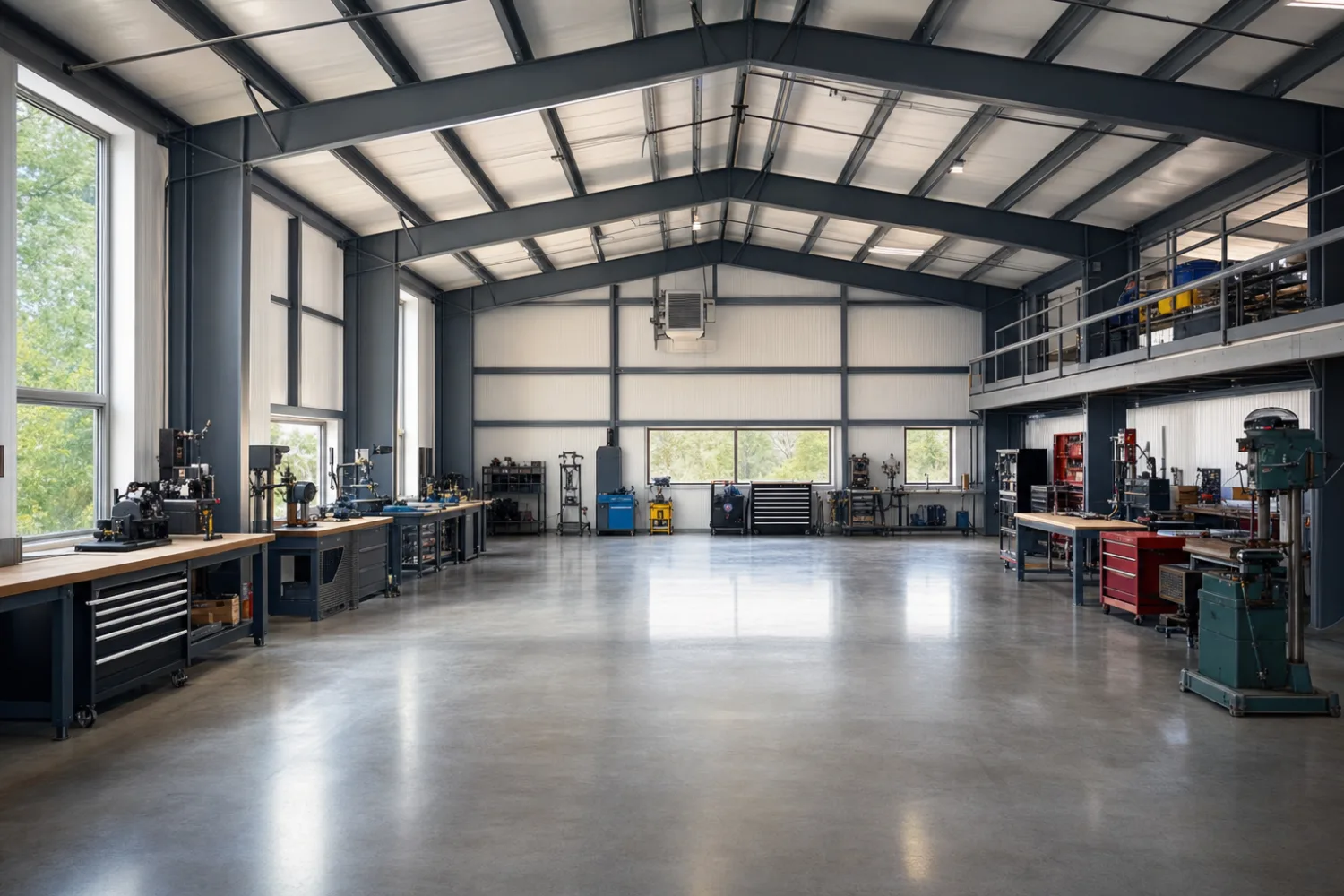
Unit heaters and mini-splits are the workhorses for an enclosed shop or garage, while in-slab radiant is the comfort choice when you are pouring a new slab anyway and plan to spend long hours inside. Infrared shines when you only need to warm a workbench in an open bay, and a wood or pellet stove earns its place where fuel is cheap. In a metal building home, a mini-split or in-slab system usually wins because it handles both heating and the summer cooling.
How much heat
How much heat a metal building needs
How much heat you need is set by the building size, the insulation, and your climate, and it is measured in BTUs. A rough starting point for a well-insulated building runs near 30 to 45 BTU per square foot in a cold climate ‹confirm›, so a 30-by-40 shop of 1,200 square feet wants a heater in the range of 40,000 to 55,000 BTU ‹confirm›. A poorly insulated building needs far more, which is the case for insulating first.
Size to the insulated building, not the bare one
Pick the heater after the insulation is in, because the same shop can need twice the BTUs bare that it needs lined. Sizing to a bare shell leaves you with an oversized, short-cycling heater once you insulate, while sizing too small leaves you cold. Add capacity for tall ceilings and big doors that dump heat, and get the load figure from your installer rather than a rule of thumb ‹confirm›.
Ceiling height matters as much as floor area, because heat rises and a tall building stacks the warm air overhead where no one stands. A destratification or ceiling fan pushes that warm air back down and cuts the heater run time. Insulation, sealing the big doors, and moving the air all lower the BTUs you have to buy and burn, which is part of why a tight building stays cheaper to run and helps the steel last for decades.
Do it safely
Heating safely without creating condensation
Vent every combustion heater to the outside, with no exceptions. An unvented propane or kerosene heater dumps carbon monoxide and a surprising amount of water vapor into the air, so it both risks your safety and feeds the condensation you insulated to stop. A sealed-combustion or direct-vent unit pulls its air from outside and sends exhaust out, keeping the moisture and the fumes out of the room.
An unvented heater warms the air and waters the steel at the same time. The drips you blame on a roof leak are often the heater you ran all winter with no flue.
Heat and ventilation work together rather than against each other. You still want airflow to carry humidity out, even in winter, because a sealed building with a running heater and no exhaust traps moisture against the cold panels. Keep clearances around any heater and the steel, mount a carbon monoxide alarm in any space you heat with combustion, and tie the whole plan back to ventilation so the building stays warm and dry at once. Done right, heating and moisture control are the same project.
Related
Read more
This question connects to insulation, moisture, and comfort. Follow these next:
- Metal building kits: the complete guide (the parent pillar).
- Metal building insulation (the layer that makes any heater work).
- Metal building condensation & ventilation (heating a steel shell without making it sweat).
- How long do metal buildings last? (why a warm, dry shell lasts longer).
- Metal building homes (where heating and cooling matter most).